The Shift Toward Conscious Construction in Australia
Australia is currently witnessing a significant shift in how we think about our homes. It is no longer just about the number of bedrooms or the size of the deck. Instead, modern homeowners are asking deeper questions about the footprint their dwelling leaves on the planet. As we navigate a landscape defined by changing climates and a desire for more self-sufficient lifestyles, sustainable building practices have moved from a niche interest to a mainstream priority.
At the heart of this movement is the rise of the kit home. Once seen merely as a budget-friendly alternative, kit homes in Australia have reclaimed their reputation as a sophisticated, flexible, and environmentally conscious way to build. By empowering owner-builders to take the reins of their projects, these homes allow for a level of customization and material control that traditional volume builders often cannot match.
Why Sustainability is Driving Australian Housing Trends
The Australian dream is evolving. We are seeing a move away from the 'McMansion' era toward homes that are smarter, smaller, and more integrated with the natural environment. Several factors are driving this green revolution in our local housing market:
- Thermal Performance: With extreme temperatures becoming more common, Australians are looking for building systems that keep them cool in summer and warm in winter without relying solely on air conditioning.
- Material Longevity: Building for the long term reduces the need for future repairs and resource consumption. This is why many are choosing high-quality materials like BlueScope TRUECORE steel, which offers incredible durability and resistance to the harsh Australian climate.
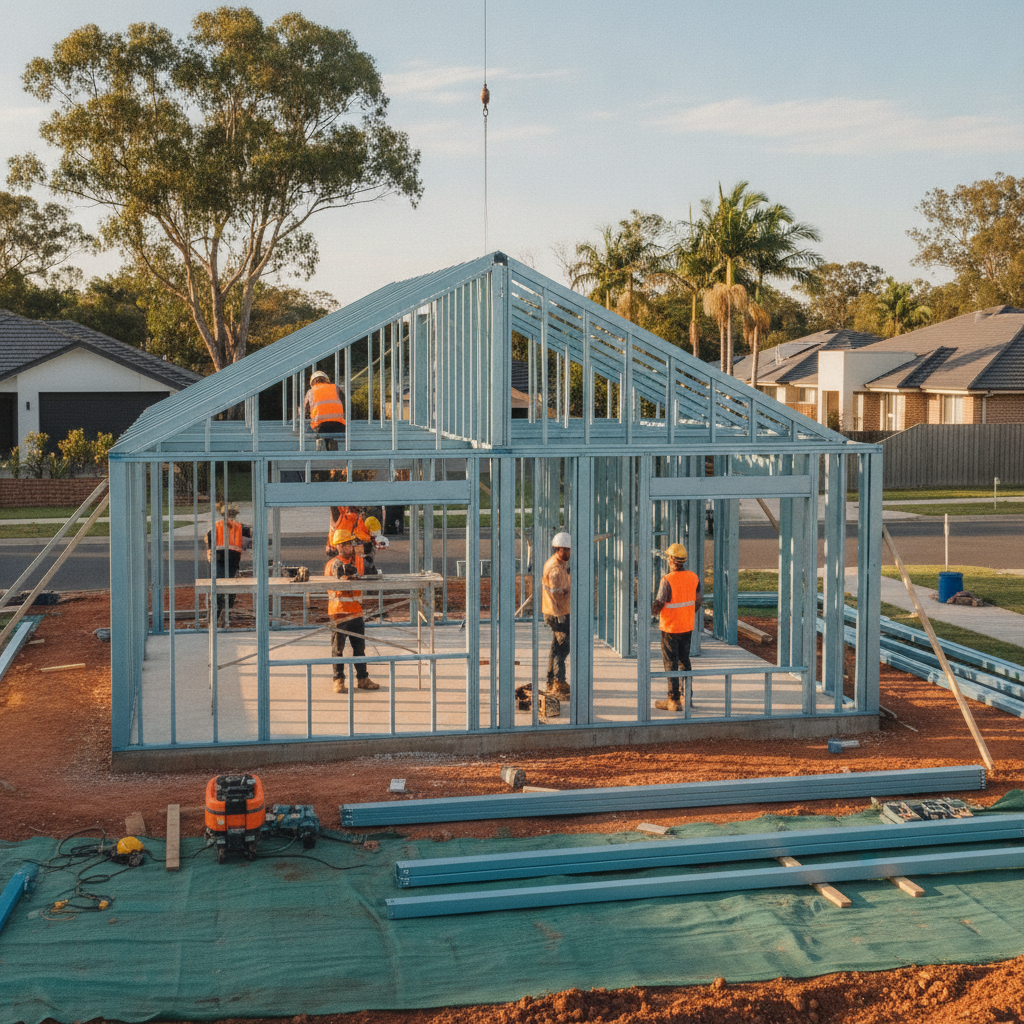
- Reduced Waste: Traditional building sites often produce significant amounts of off-cut waste. Kit homes are pre-engineered and cut to precision in a factory environment, meaning only the necessary components arrive on site, drastically reducing landfill contributions.
The Role of Steel in Sustainable Kit Home Design
When discussing sustainability, the choice of the structural frame is paramount. Steel-framed kit homes have become a staple of the Australian landscape for good reason. Using Australian made steel provides a structural integrity that stands up to pests like termites without the need for harsh chemical treatments. This contributes to a healthier living environment and a longer lifespan for the home.
Furthermore, steel is 100 percent recyclable. In a circular economy, the ability to repurpose materials at the end of their life cycle is a major win for the environment. When you combine a steel frame with high-quality insulation and performance glazing, you create a building envelope that is highly efficient and resilient against the elements.
Owner Builder Tips: Planning for a Sustainable Project
Taking on the role of an owner-builder is an exciting journey, but it requires careful planning to ensure your project meets your ecological goals. If you are considering a kit home, here are some practical steps to keep your build on the sustainable track:
1. Orientation is Everything
Before you even pour your slab, consider how your home sits on the block. Passive solar design is one of the most effective ways to lower your energy bills. Aim to have your main living areas and windows facing north to capture the winter sun, while using eaves or shading devices to block the harsh summer heat.
2. Choose High-Performance Cladding
The 'skin' of your kit home plays a massive role in its thermal efficiency. Modern kit homes offer a variety of cladding options, from sleek steel profiles to wood-composite boards. Look for materials that offer high thermal mass or excellent reflective properties to help regulate internal temperatures.
3. Insulation is Not the Place to Skimp
While your kit will likely include standard insulation, consider upgrading to the highest R-value your climate allows. Good insulation acts as a thermal blanket, significantly reducing the energy required for heating and cooling.
Design and Lifestyle: Creating a 'Forever Home'
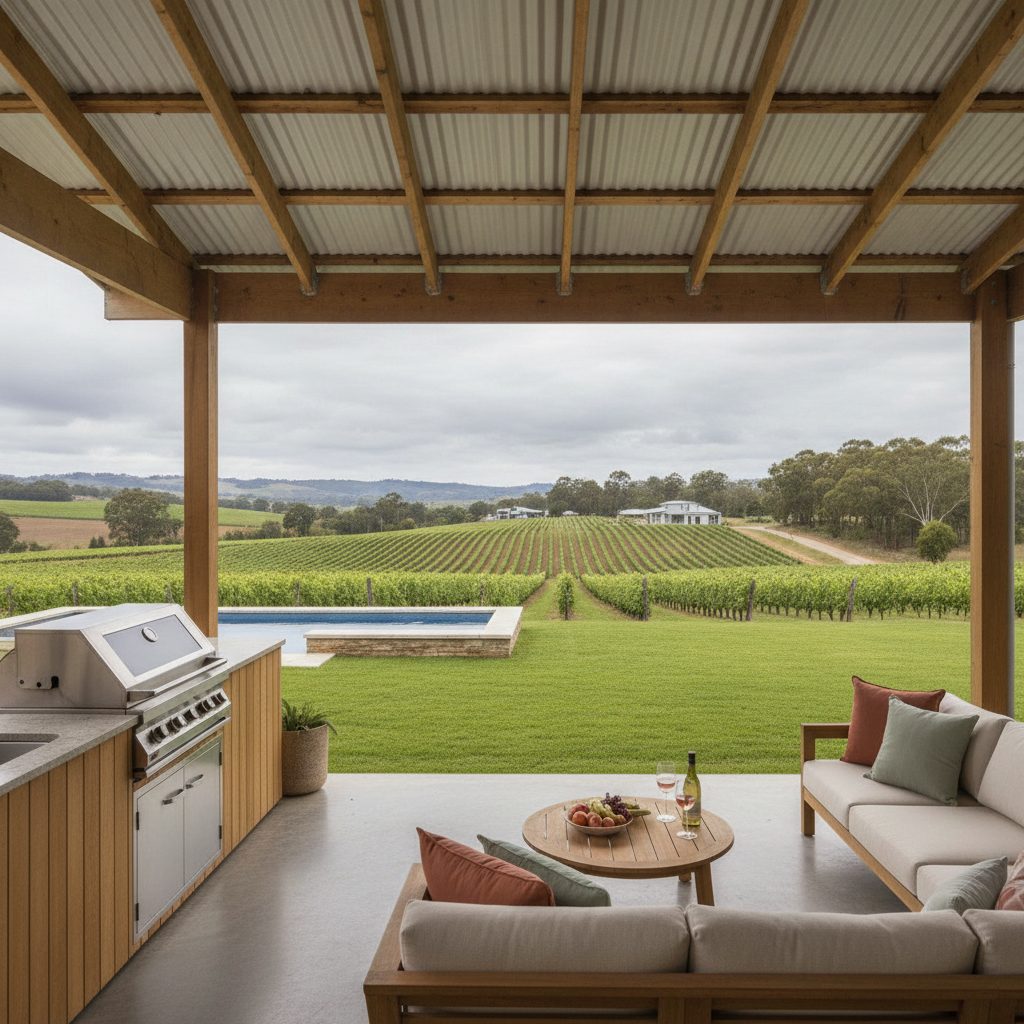
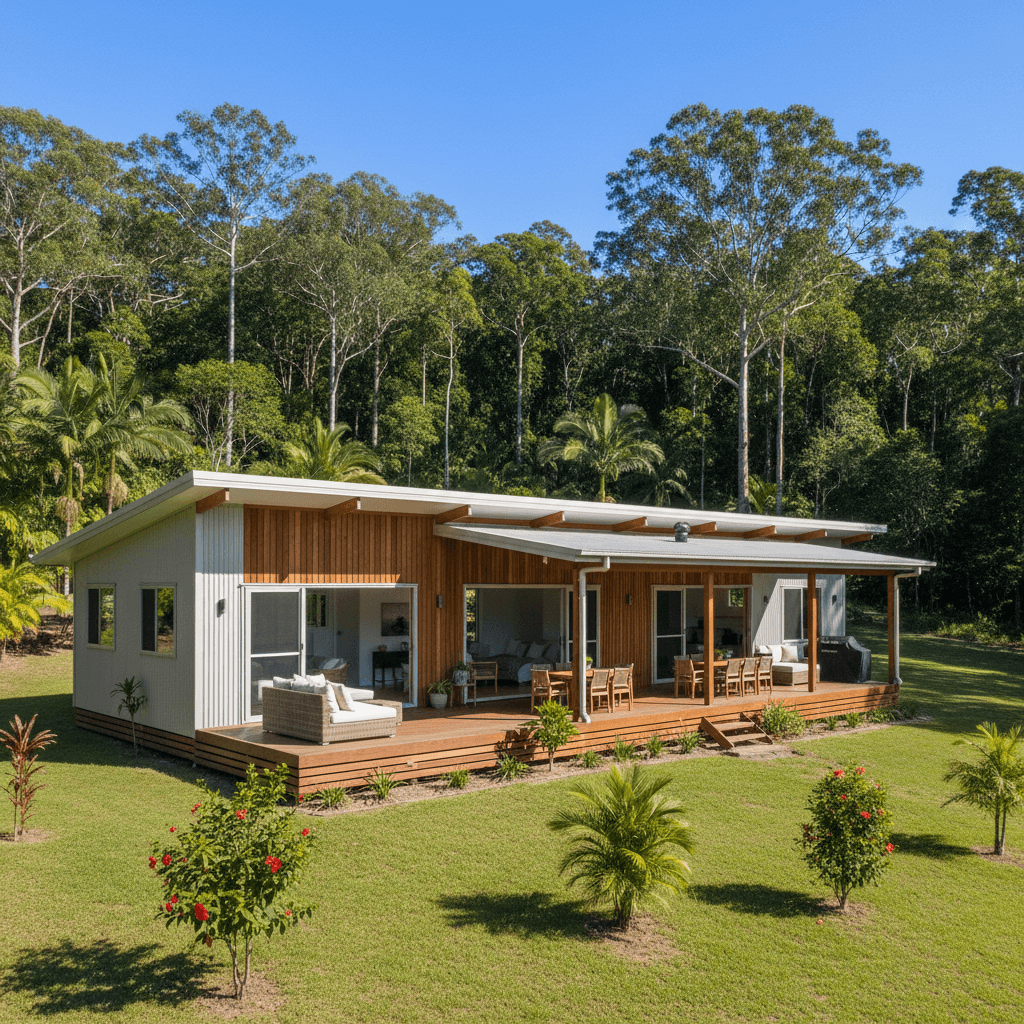
The beauty of a kit home lies in its versatility. Today's designs are light-filled, airy, and designed to embrace the Australian indoor-outdoor lifestyle. Large windows and open-plan layouts aren't just aesthetic choices, they are lifestyle choices that connect us with our surroundings.
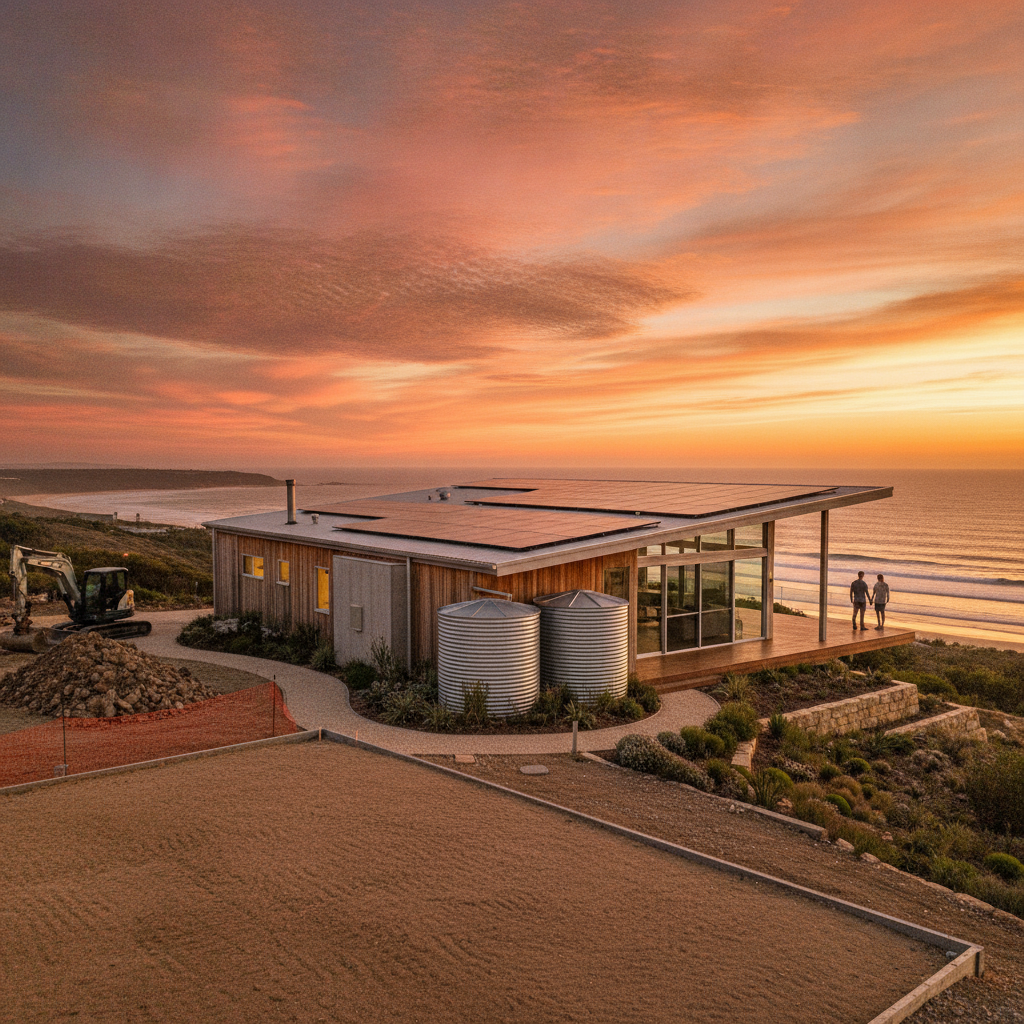
Many Australians are now opting for 'compact' kit home designs. By minimizing the footprint of the home, you leave more room for native gardens, veggie patches, or even onsite water harvesting. This shift toward 'right-sizing' rather than 'down-sizing' acknowledges that we don't need excessive space to live a high-quality, luxurious life.
Kit Home Tips for a Smooth Construction Process
Success as an owner-builder comes down to management and communication. If you are moving forward with a kit home project, keep these tips in mind:
- Organize Your Site Early: Ensure you have a clear plan for where the kit components will be stored when they arrive. Keeping materials off the ground and protected from the weather is essential for maintaining their quality.
- Engage Quality Trades: While you are managing the project, you will still need licensed plumbers, electricians, and potentially carpenters. Choose tradespeople who have experience with steel-frame construction and understand the nuances of a kit-based system.
- Understand the Scope: Be clear on what is included in your kit. While your supplier provides the structural components like frames, roofing, and windows, you will be responsible for the 'finish out'. This includes things like your kitchen cabinetry, flooring, and landscaping.
Building Resilience in a Changing Climate
Sustainability and resilience go hand in hand. In Australia, we must build with bushfires, floods, and storms in mind. Using non-combustible materials like steel for the frame and roofing provides an added layer of security. Many modern kit home designs are specifically engineered to meet various Bushfire Attack Level (BAL) ratings, making them a safe choice for those building in regional or fringe-urban areas.
By choosing a kit home, you are opting for a system that has been engineered to exacting standards. This precision ensures that the home performs exactly as intended, providing a stable, secure, and comfortable environment for decades to come.
Conclusion: The Future of Australian Living
The transition toward sustainable building practices is not just a passing trend, it is the future of the Australian housing industry. Kit homes offer a unique pathway for individuals to take charge of their housing destiny, combining the efficiency of modern manufacturing with the personal touch of owner-building.
By focusing on durable materials like BlueScope steel, prioritizing smart design choices, and embracing the philosophy of building better rather than bigger, we can create homes that are as good for the planet as they are for our families. Whether you are looking to build a weekend retreat or a permanent family residence, the kit home provides a flexible, sustainable, and rewarding solution for the modern Australian life.