The Shift Toward Sustainable Australian Living
There is a distinct change in the air across the Australian suburbs and rural landscapes. For decades, the Great Australian Dream was defined by size and scale, but today, that dream is being redefined by sustainability, efficiency, and a closer connection to the environment. As we navigate a world where climate resilience and energy efficiency are no longer optional, kit homes have emerged as a frontrunner in the movement toward responsible building.
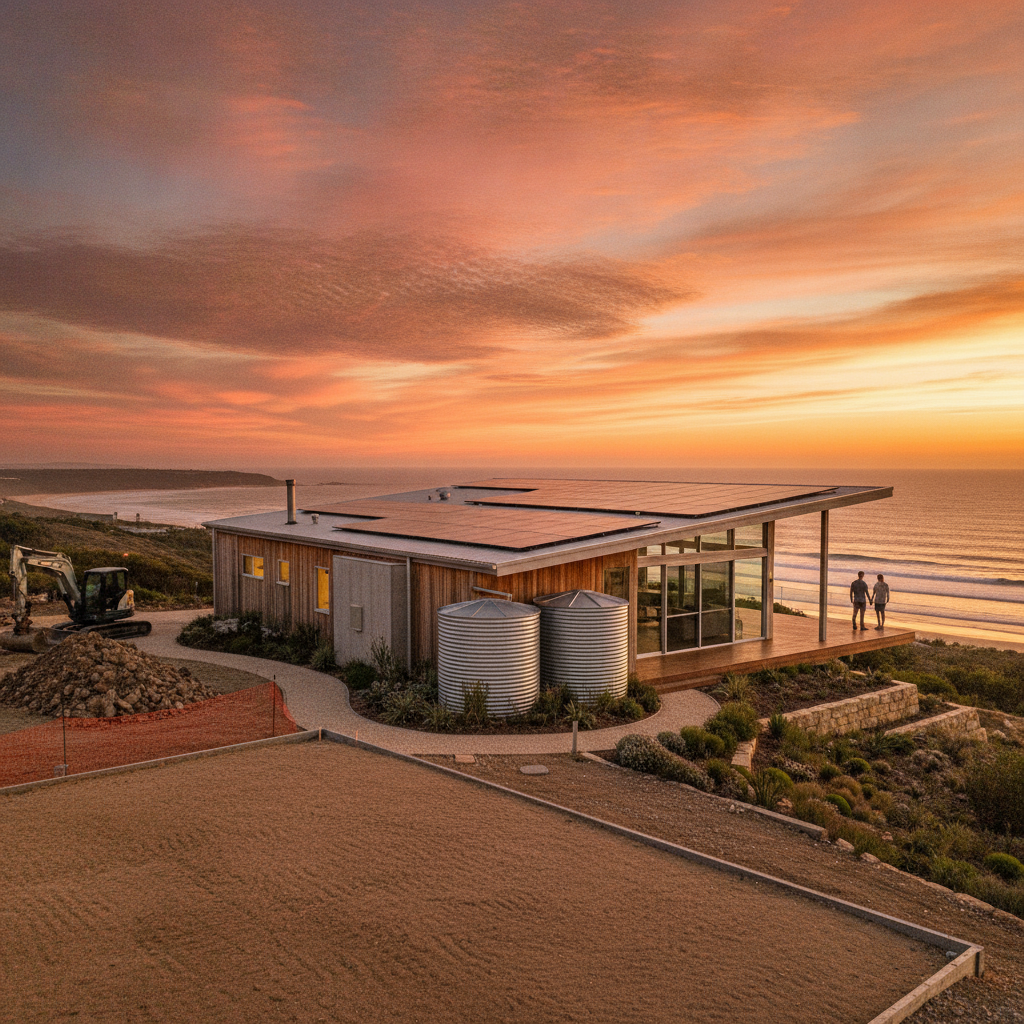
This trend is not just about installing a few solar panels or a water tank. It is a fundamental shift in how we approach the entire lifecycle of a home. From the materials used in the structure to the way the building sits on the land, Australians are looking for smarter ways to create high quality dwellings without the excessive waste associated with traditional construction methods.
The Rise of the Conscious Owner-Builder
One of the most exciting trends in Australian housing is the rise of the conscious owner-builder. These are individuals who want more control over their living environment. By choosing the kit home path, they are able to oversee every aspect of the build, ensuring that sustainability is baked into the project from the ground up.
Being an owner-builder allows for a unique level of transparency. You know exactly what is going into your walls, you understand the insulation ratings, and you can make informed decisions about the trades you hire and the finishes you select. It is a hands-on approach that aligns perfectly with the desire for a more authentic and sustainable lifestyle.
Building for the Australian Climate
Australia presents some of the most diverse and challenging building environments in the world. From the humid tropics of Queensland to the frost-prone valleys of Tasmania, a home needs to perform. Modern kit homes are designed with this geographic diversity in mind.
Thermal Efficiency and Insulation
A key pillar of the sustainable building trend is thermal performance. A well-designed kit home focuses on keeping the heat out during our scorching summers and retaining warmth during the winter. This starts with high quality insulation and the inclusion of high performance windows and doors. By reducing the reliance on artificial heating and cooling, homeowners are not only helping the planet but also creating a more comfortable living space year-round.
Smart Material Selection
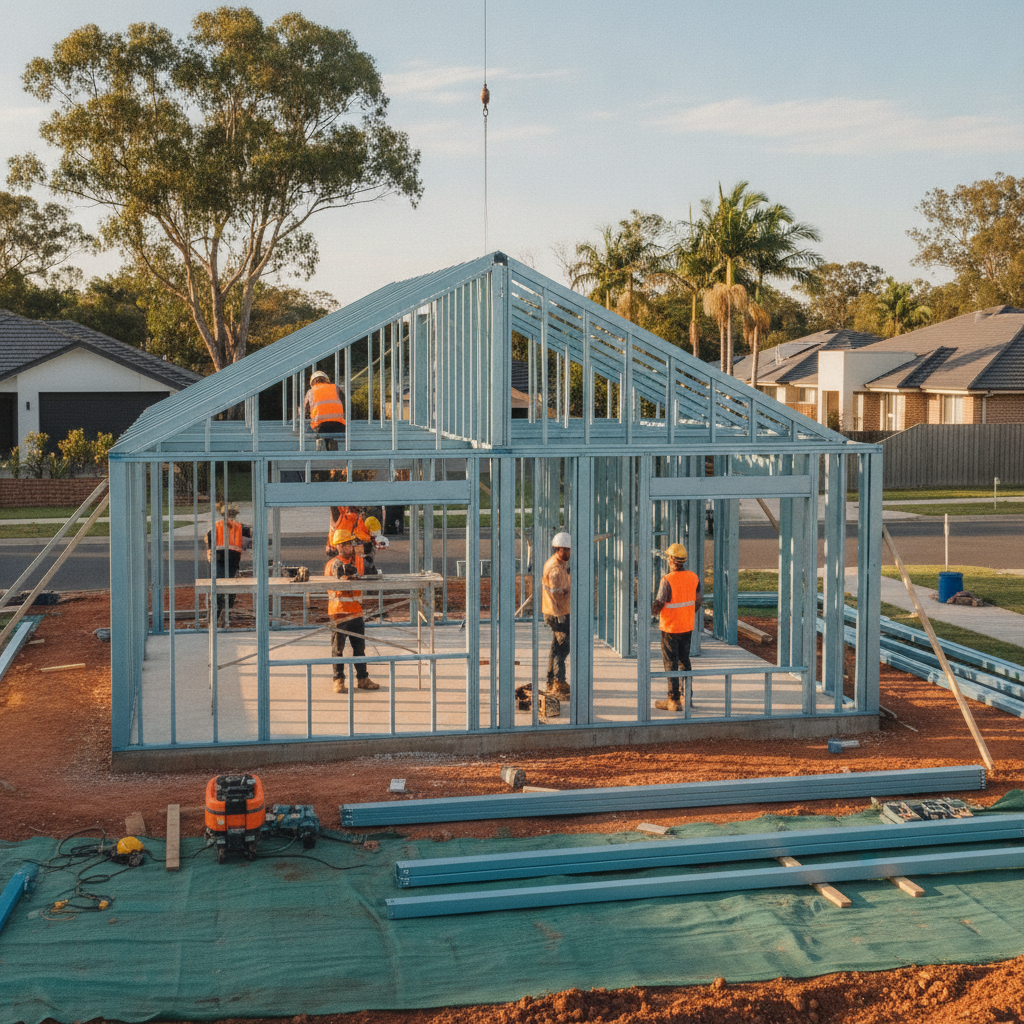
The choice of materials plays a massive role in a home’s environmental footprint. Many Australians are now opting for steel frame construction, specifically using Australian made BlueScope TRUECORE steel. Steel is a hero of the sustainable building world because it is 100 percent recyclable. It stays straight and true, meaning there is less maintenance over the life of the building. Furthermore, steel frames are termite proof without the need for additional chemical treatments, which is a major win for those looking to create a non-toxic home environment.
Reducing Waste with Precision Engineering
Traditional building sites are often notorious for the amount of waste they produce. Offcuts of timber, discarded bricks, and excess mortar often end up in landfill. This is where the kit home model shines. Because the components of a kit home, like the frames and trusses, are precision engineered in a factory environment before being delivered to the site, waste is significantly minimized.
Every piece is designed to fit together like a giant puzzle. This efficiency is a core component of the green building trend. It ensures that resources are used responsibly and that the construction site remains clean and organized. For an owner-builder, this precision also makes the assembly process much more manageable and less daunting.
Integrating Design and Lifestyle
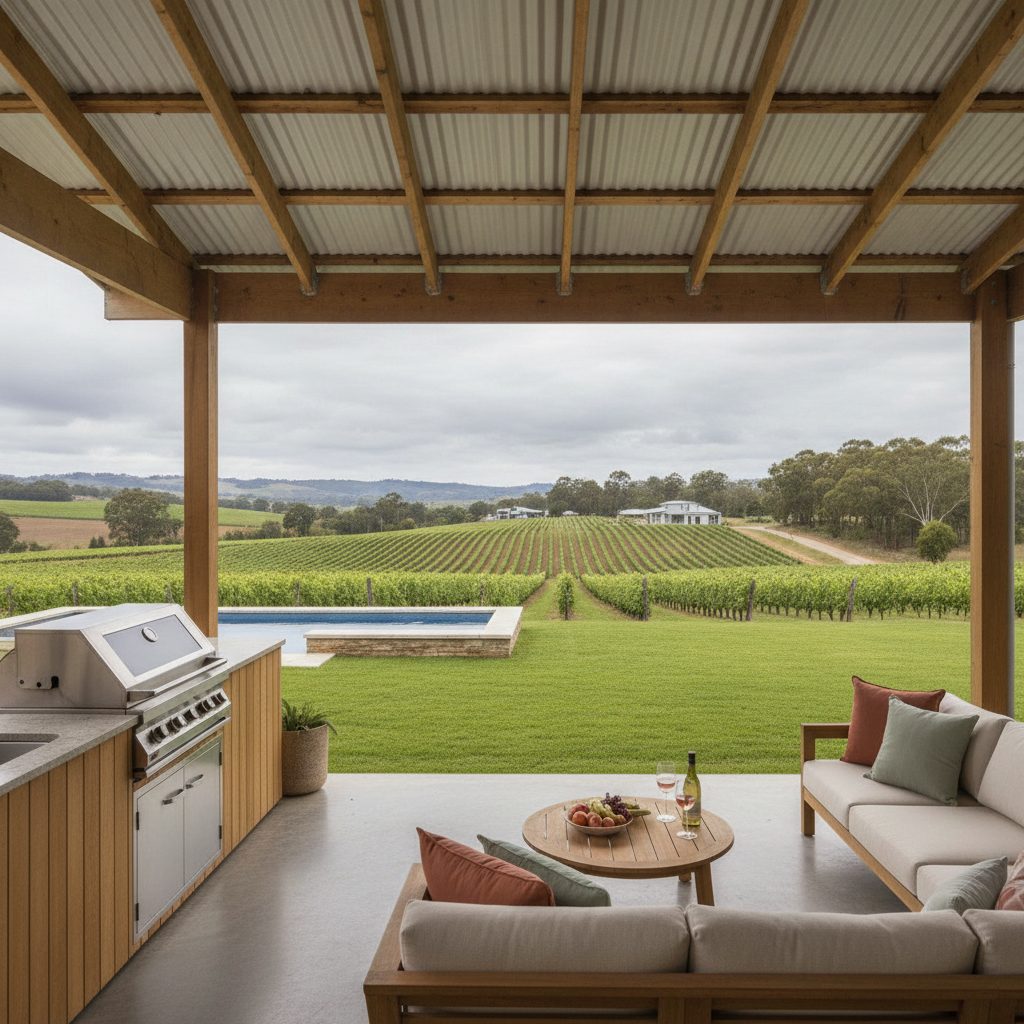
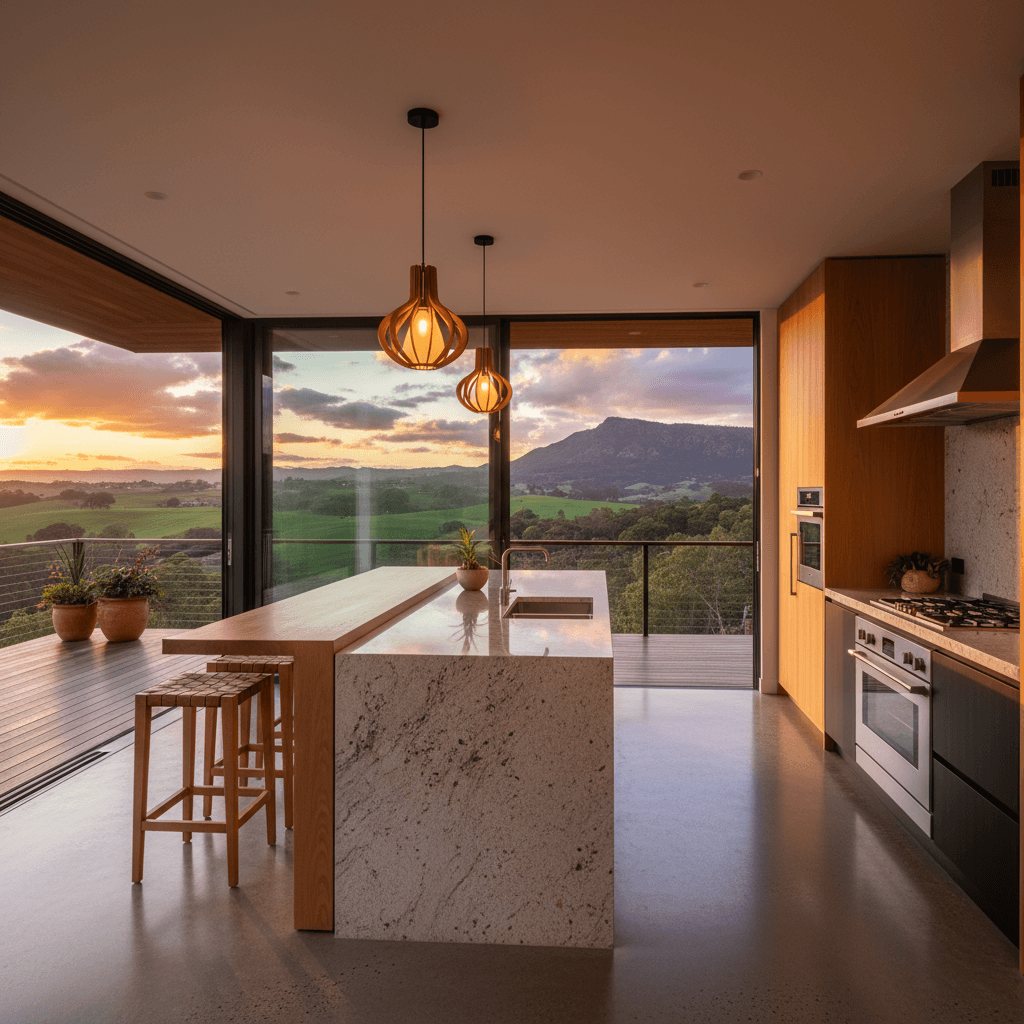
Sustainable housing is no longer just about function, it is also about beautiful, modern design. The current trend in Australian architecture favors clean lines, open plan living, and a seamless flow between indoor and outdoor spaces. Kit homes have evolved to meet this aesthetic demand.
Whether it is a sleek, minimalist pavilion or a classic country homestead, the design of a kit home can be tailored to suit the local landscape. Large windows are strategically placed to capture natural light and facilitate cross-ventilation. This biophilic design approach improves the wellbeing of the occupants by keeping them connected to the natural world, even when they are indoors.
Practical Tips for Potential Kit Home Buyers
If you are considering joining the movement toward sustainable kit home living, here are some practical tips to help you get started:
- Prioritize Site Orientation: Before you even choose a design, look at your block of land. Where does the sun rise and set? Position your home so that living areas face north to soak up the winter sun, and ensure you have adequate shading for the summer months.
- Understand Your Bushfire Attack Level (BAL): Sustainability also means resilience. If you are building in a bushfire-prone area, ensure your kit home and materials, like steel frames and specific cladding, meet the necessary BAL rating for your site.
- Focus on Tight Sealing: Energy efficiency is often lost through gaps and cracks. Work closely with your trades during the fit-out to ensure that the building envelope is well-sealed, maximizing the effectiveness of your insulation.
- Choose Low VOC Finishes: To keep your home healthy, look for low Volatile Organic Compound (VOC) paints and finishes. This complements the sustainable nature of the kit home structure.
Advice for the Hands-On Owner-Builder
Taking on the role of an owner-builder is a rewarding challenge. To make your sustainable project a success, keep these tips in mind:
- Do Your Homework: Understand the local council requirements for owner-builders in your state. Each region has different rules regarding permits and certifications.
- Build a Reliable Trade Team: Even though you are managing the project, you will need skilled trades for plumbing, electrical, and the foundation. Find tradespeople who respect the kit home process and share your commitment to a high quality finish.
- Stay Organized: A kit home arrives as a comprehensive package including frames, roofing, cladding, and more. Have a clear plan for where these materials will be stored on site to keep them protected and accessible.
The Future of Australian Housing
The trend toward sustainable building is not a passing fad. It is a necessary evolution of the housing industry. As Australians continue to seek out ways to live more lightly on the land, kit homes will continue to play a pivotal role. They offer a marriage of high tech engineering and DIY spirit, providing a platform for homes that are durable, beautiful, and environmentally responsible.
By choosing a kit home with a steel frame, high quality cladding, and a design that respects the local climate, you are doing more than just building a house. You are creating a legacy of sustainability and demonstrating that the future of Australian housing is bright, efficient, and deeply connected to the environment we call home.
Conclusion
Building a home is one of the biggest projects you will ever undertake. In the modern Australian context, it is an opportunity to make a statement about your values. The shift toward sustainable practices is making our homes better places to live and our communities more resilient. Whether you are an experienced DIY enthusiast or a first-time owner-builder, the kit home path offers a clear, structured, and eco-friendly way to bring your vision to life. Embrace the trend, plan with care, and enjoy the journey of creating a home that truly reflects the best of Australian living.