Making it Yours: The Art of Kit Home Customization
There is a common misconception that choosing a kit home means settling for a cookie-cutter house that looks exactly like your neighbor's. In reality, the modern kit home is a blank canvas. Today, more Australians than ever are turning to kit homes not just for the efficiency of the building process, but for the incredible flexibility they offer to create a bespoke living space without the architect's price tag.
Whether you are a growing family needing more zones, a retiree looking for accessibility, or a professional who needs a quiet home office, the secret to a successful build lies in the customization phase. Designing for your lifestyle ensures that your home works for you, rather than you working around the limitations of a floor plan. Let’s dive into how you can tailor your kit home to suit the unique Australian way of life.
Understand Your Site Before You Tweak Your Plan
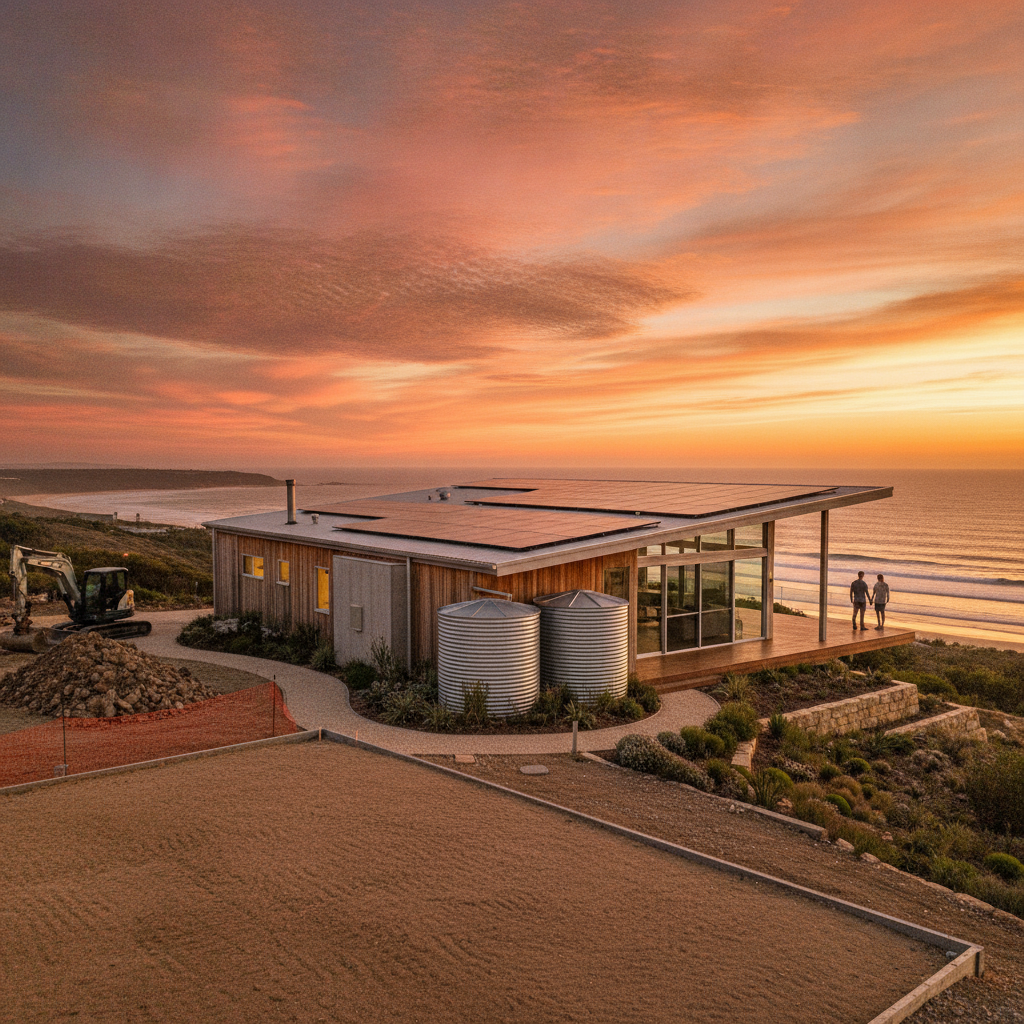
Before you start moving walls on a floor plan, you need to look at the ground beneath your feet. The orientation of your block is the most significant factor in how your home will feel once it is built. In Australia, we want to maximize our northern aspect to capture that beautiful winter sun while shielding ourselves from the harsh western afternoon heat.
When customizing your design, think about where your living areas sit in relation to the sun. Placing your main lounge and kitchen toward the north can reduce your reliance on artificial heating and create a bright, airy atmosphere. Conversely, keeping bedrooms tucked away in cooler parts of the house can ensure a better night's sleep during those humid summer months.
The Heart of the Home: Kitchen and Living Layouts
For most of us, the kitchen is where life happens. It is the command center, the homework station, and the social hub. When looking at kit home designs, consider how you actually navigate this space. If you love to entertain, you might want to widen the island bench or create a seamless connection between the kitchen and the outdoor deck.
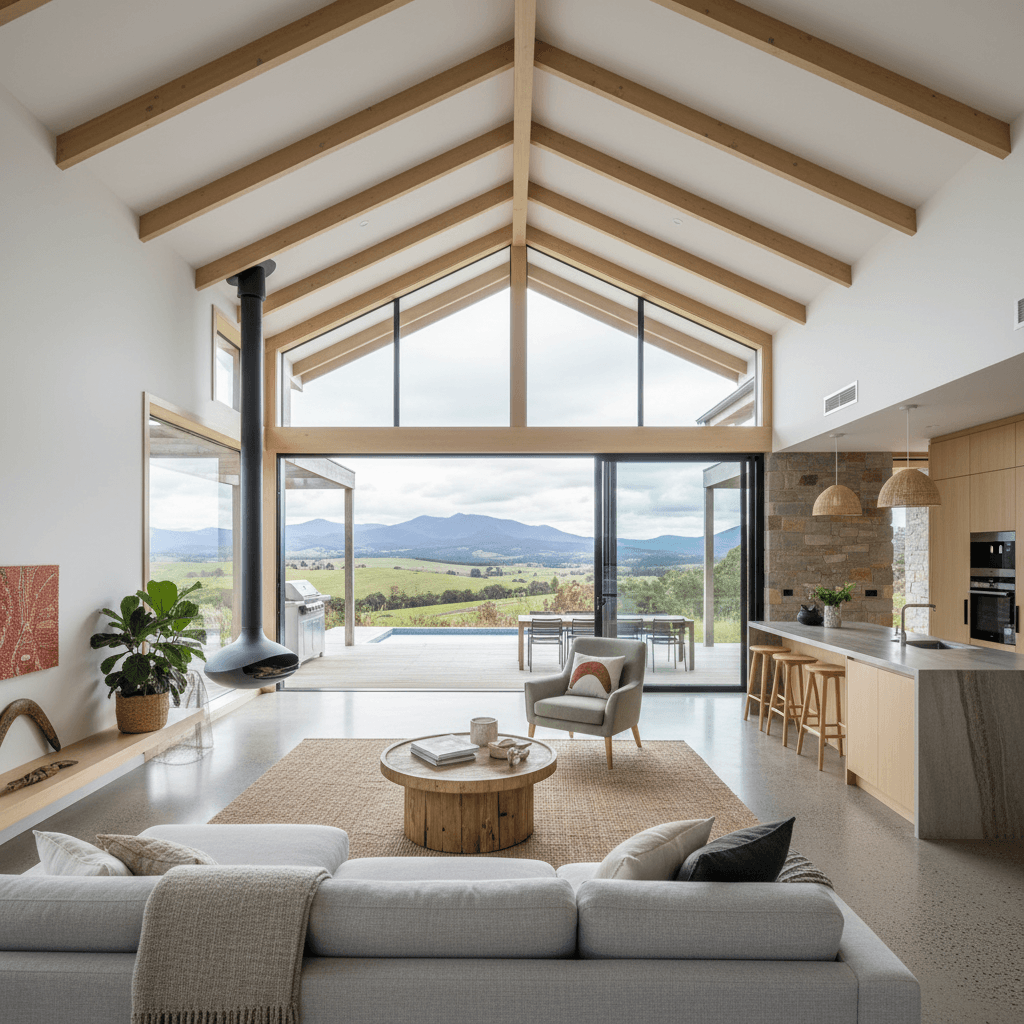
One of the easiest ways to customize a kit home is by adjusting the internal layout to favor open-plan living. By minimizing hallways and using furniture to define zones, you can make a modest footprint feel much larger. However, if you have a busy household, you might prefer to add a 'scullery' or a walk-in pantry to keep the mess out of sight when guests arrive.
Designing for the Australian Outdoor Lifestyle
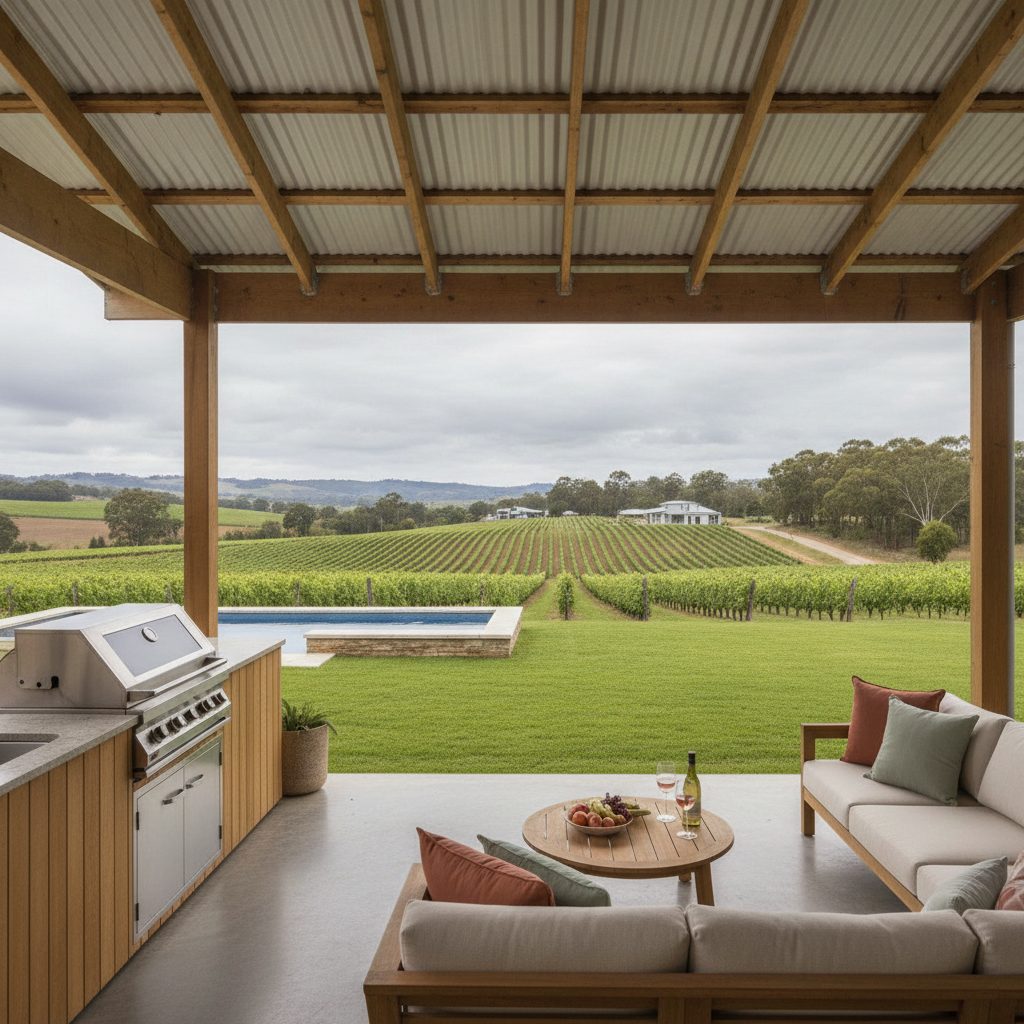
We live in a country where the outdoors is just as important as the indoors. A kit home offers the perfect structure to integrate large sliding doors and expansive windows that blur the lines between your living room and your backyard. When tailoring your design, think about adding a generous veranda or a grand alfresco area that connects directly to your main living space.
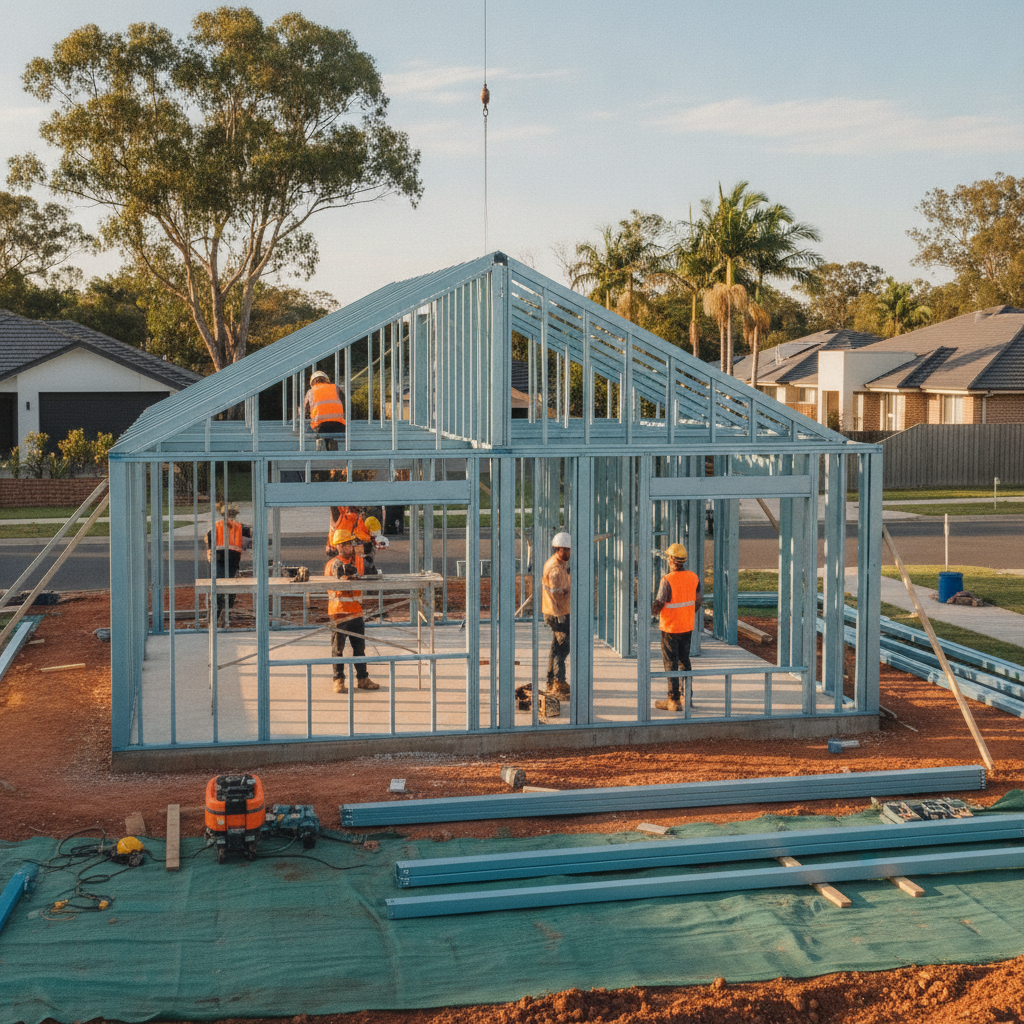
Using durable materials like BlueScope steel frames offers the structural integrity needed for these large openings. Because steel is incredibly strong, it allows for wider spans and larger window frames, which is perfect for capturing a view or letting in a breeze. These frames, often utilizing TRUECORE technology, provide a straight and true foundation that makes installing large-scale glass doors much smoother for the owner-builder.
Storage: The Secret to a Stress-Free Home
One thing almost every homeowner regrets is not adding enough storage. When customizing your kit, look for 'dead space' that can be converted into functionality. Could that space under the eaves become a built-in robe? Could the laundry be expanded to include a mudroom for muddy boots and school bags?
Think about your hobbies. If you are an avid surfer, you might need a dedicated space near the entry for boards. If you work from home, a dedicated study nook with built-in shelving can be much more effective than trying to work at the dining table. Customizing these small details during the planning stage is much easier than trying to add them after the plasterboard is up.
Quiet Zones and Privacy
Modern lifestyle often requires a balance between connection and retreat. 'Zoning' your home is an effective customization strategy. Ideally, you want to separate the 'loud' areas (like the media room or kitchen) from the 'quiet' areas (like the master bedroom or nursery). This can be achieved by placing bathrooms or walk-in robes as buffers between rooms.
If you are building a two-story kit home, consider placing the master suite on a different level to provide a parent's retreat. For single-story designs, a simple hallway 'bend' or the placement of an internal laundry can provide the acoustic privacy needed for a multicore household.
The Importance of Insulation and Comfort
Customization isn't just about where the walls go, it is about how the house feels at 2 PM on a Tuesday in July. Australian kit homes need to be resilient to our climate. When finalizing your kit components, pay close attention to your insulation and window choices. Choosing high-quality insulation for both the walls and the roof is a non-negotiable for long-term comfort.
Selecting the right cladding and roofing can also change the entire aesthetic and thermal performance of the house. Whether you prefer the classic look of corrugated iron or a more modern horizontal weatherboard style, ensure it reflects both your personal taste and the environmental needs of your region.
Tips for the Owner-Builder Customization Process
- Stay within the footprint: If you are trying to keep things simple, try to keep the external perimeter of the house the same and focus your customizations on the internal walls.
- Think about plumbing: It is usually more cost-effective to keep wet areas (kitchen, laundry, bathrooms) close to each other to simplify the plumbing layout.
- Consult the pros: Even if you are an owner-builder, chatting with your kit provider about your lifestyle needs can reveal clever design tricks you might not have considered.
- Future-proof your design: If you plan on staying in the home long-term, consider wider doorways and step-free entries to accommodate changing mobility needs as you age.
Conclusion: Your Home, Your Way
Building a kit home is one of the most rewarding journeys a homeowner can take. It offers a unique middle ground between a standard project home and a fully custom architecturally designed residence. By taking the time to consider how you move, eat, sleep, and play within your space, you can customize a design that truly reflects who you are.
Remember, the best home is not the one with the most square meters, but the one that makes your daily life easier and more enjoyable. With a solid foundation, high-quality steel frames, and a bit of creative thinking, your kit home will be more than just a building, it will be a perfect fit for your Australian lifestyle.