The New Australian Dream: Flexibility, Function, and Freedom
For decades, the Australian dream was synonymous with a quarter-acre block and a brick-and-mortar bungalow. However, something shifted significantly in the wake of the global pandemic. Our homes, once merely places to sleep and eat, were suddenly required to serve as offices, schools, gyms, and sanctuaries. This seismic shift in lifestyle has led thousands of Australians to rethink what a home should actually look like, and many are finding their answer in the world of kit homes.
As we navigate the post-pandemic landscape, the trend isn't just about finding a place to live, it is about creating a space that adapts to us. The rise of the owner-builder movement suggests a growing desire for agency. People want to be involved in the creation of their dwellings, ensuring that every square metre serves a purpose. From secluded rural retreats to clever secondary dwellings in suburban backyards, kit homes are at the forefront of this design revolution.
The Rise of the Home Office and Multi-Functional Spaces
Perhaps the most obvious trend to emerge is the death of the open-plan everything. While we still love our light and airy spaces, the pandemic taught us the value of a door that closes. In the world of kit home design, we are seeing a massive uptick in requests for designated office nooks, studio spaces, and what many are calling 'flex rooms'.
Modern Australians are no longer satisfied with a desk shoved into the corner of a bedroom. They are looking for floor plans that offer acoustic privacy for video calls and separate zones for work and rest. Kit homes are uniquely suited to this because the internal layouts can often be customized before the steel frames are even manufactured. This allows owner-builders to prioritize the spaces that matter most to their specific lifestyle, rather than settling for a cookie-cutter layout designed for a pre-pandemic world.
Sustainability and the Strength of Steel
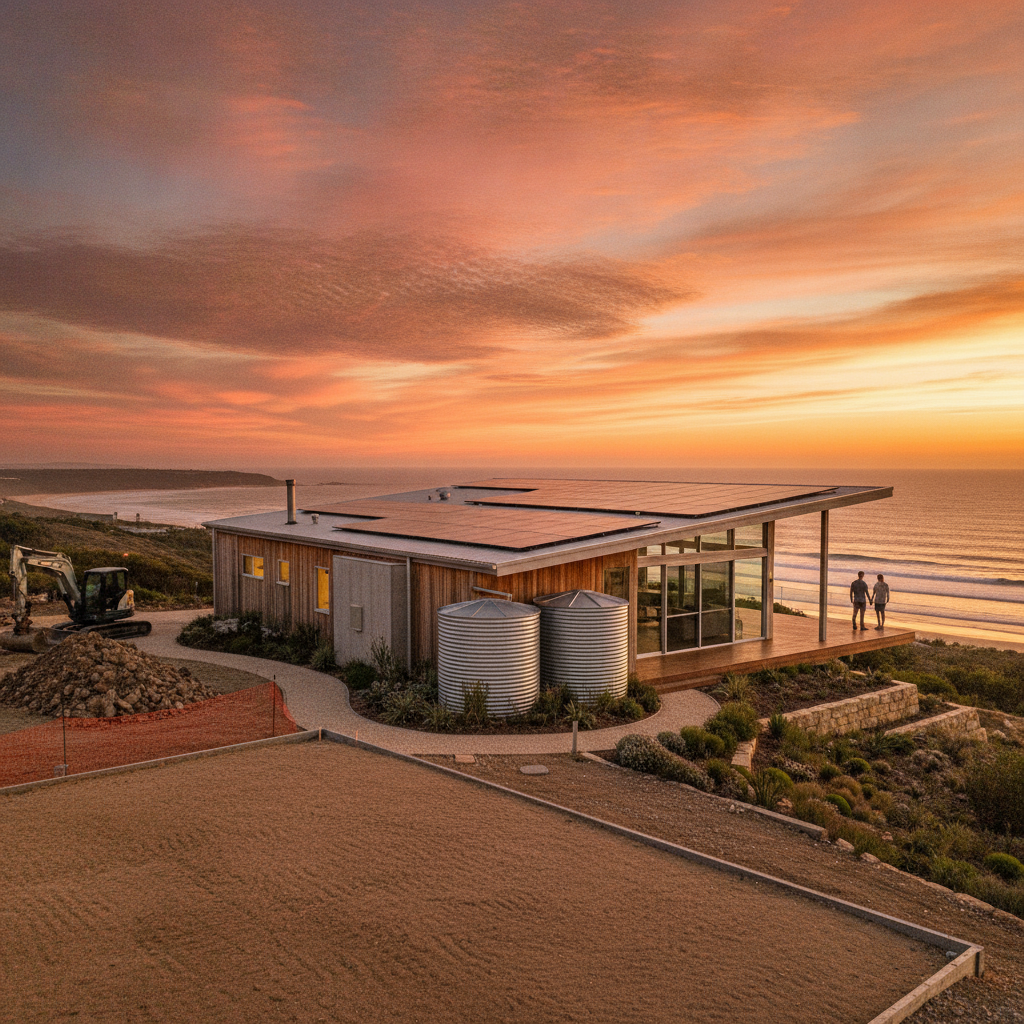
Another major driver in Australian housing trends is a heightened awareness of environmental impact and longevity. Australians are increasingly looking for building materials that can withstand our harsh climate, from the scorching heat of the outback to the salt air of the coast. This is where the choice of framing becomes a focal point of the conversation.
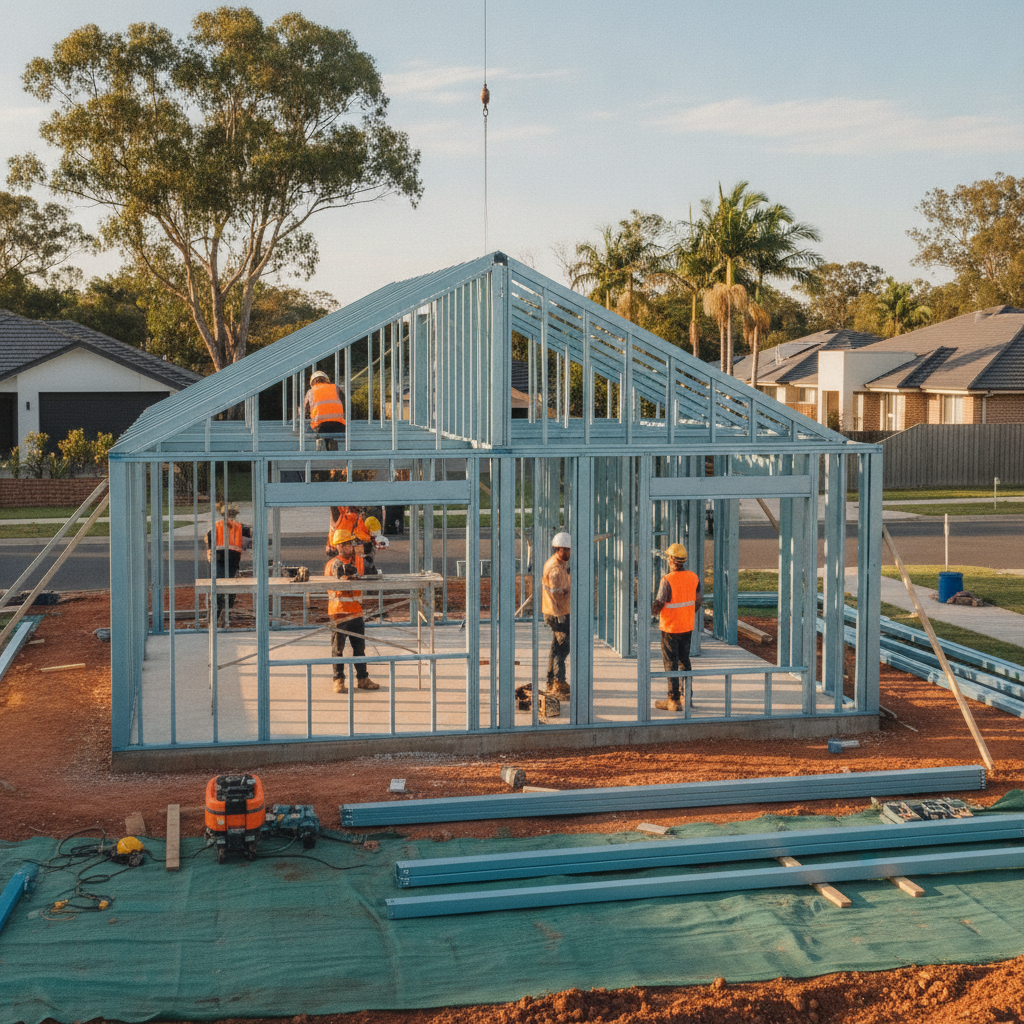
The shift toward high quality steel frames, specifically those utilizing TRUECORE steel, is more than just a technical preference. It is a commitment to durability. Steel frames are termite-proof, non-combustible, and exceptionally straight, which makes the subsequent stages of building much easier for an owner-builder. From a lifestyle perspective, knowing your home is built on a precision engineered skeleton provides a sense of security and a lower long-term maintenance burden.
The Owner-Builder Movement: Taking Back Control
There is a unique sense of pride that comes with being an owner-builder. In an age where everything feels mass-produced, the act of managing your own home project is incredibly rewarding. Australians are increasingly stepping into the role of project manager, coordinating their own trades and overseeing the assembly of their kit homes.
This trend is driven by a desire for transparency. When you are the one hiring the plumber, the electrician, and the tiler, you have a direct line of sight into the quality of the work. You aren't just a passenger in the process, you are the driver. For many, this hands-on approach is the only way to ensure the finished product truly reflects their vision for a post-pandemic sanctuary.
Practical Kit Home Tips for Success
If you are considering joining the ranks of Australian owner-builders, preparation is your best friend. Here are a few practical pointers to keep in mind:
- Check Your Local Council: Before you fall in love with a design, talk to your local council about zoning, setbacks, and bushfire attack levels (BAL). These factors will heavily influence your build.
- Site Access is Key: Remember that kit components, especially long steel roof sheets and wall frames, need to be delivered via truck. Ensure your site has clear access for heavy vehicles.
- Don't Rush the Foundation: Whether you are opting for a concrete slab or a raised floor system, accuracy is vital. A level base makes the assembly of your steel frames a much smoother process.
- Invest in Good Insulation: Our climate is unpredictable. While your kit will likely include standard insulation, consider upgrading to higher R-values to ensure year-round comfort.
Biophilic Design: Bringing the Outdoors In
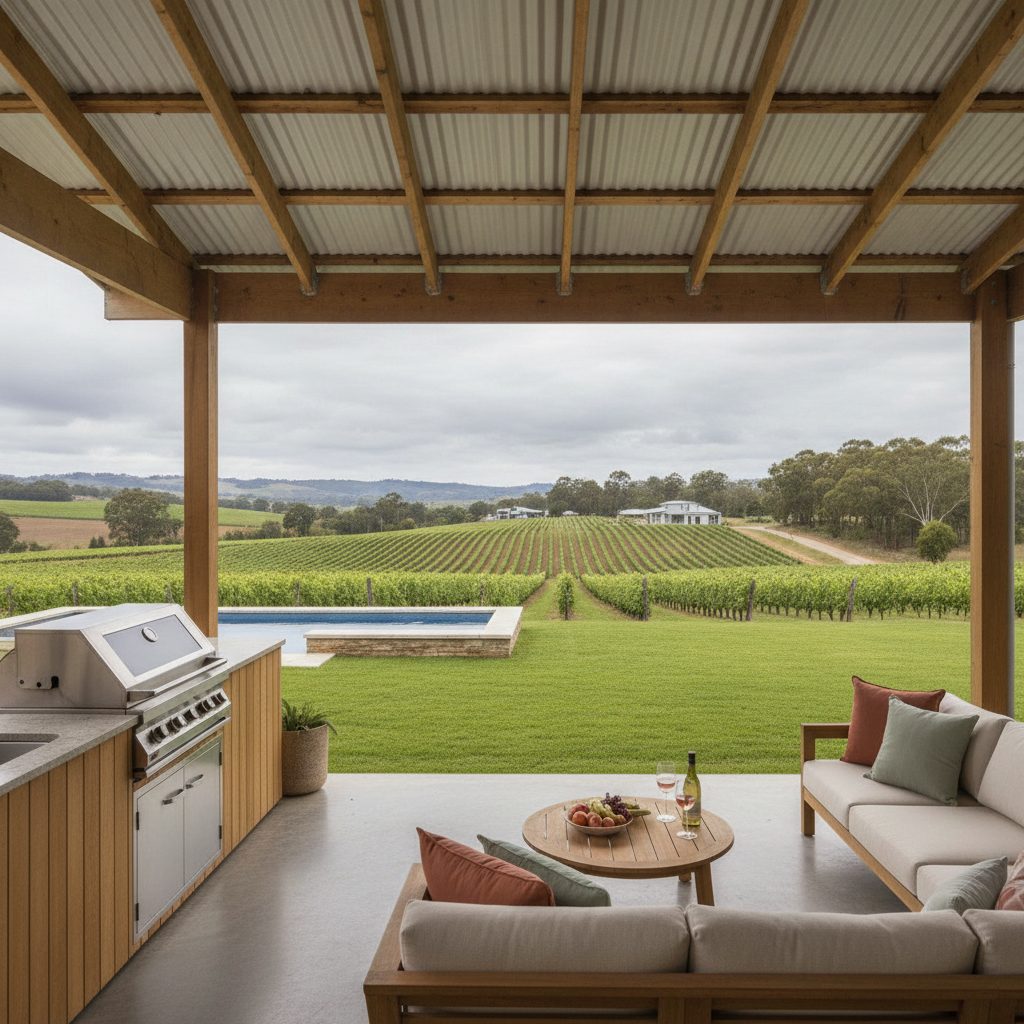
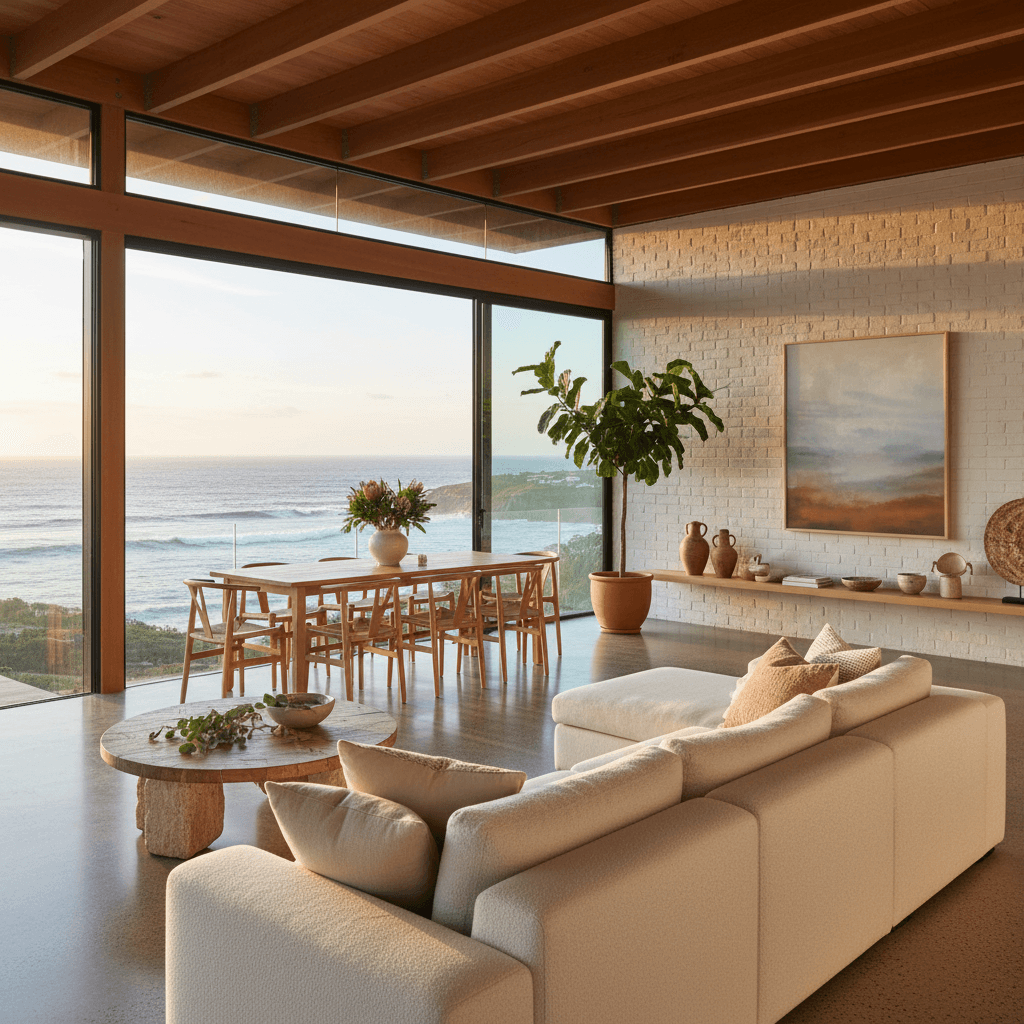
One of the most beautiful trends in recent years is the integration of biophilic design elements. After being cooped up indoors, Australians have developed a renewed appreciation for nature. In kit home design, this manifests as larger windows, expansive glass sliding doors, and indoor-outdoor transition zones like decks and verandas.
Modern kits are designed to frame the landscape. Whether you are building on a bush block or a coastal strip, the goal is to blur the lines between the interior and the exterior. Using cladding materials that mimic natural textures and opting for color palettes that reflect the Australian bush helps these homes sit comfortably within their environment.
Technical Knowledge Made Simple
One common misconception is that building a kit home requires an advanced degree in engineering. In reality, the modern kit home is designed with the savvy DIYer or owner-builder in mind. The steel frames are pre-punched for electrical and plumbing services, which significantly reduces the guesswork for your tradespeople.
By understanding the basics of how a structure comes together, from the sub-floor to the roof trusses, you can better manage your site. Steel, being lightweight yet incredibly strong, allows for larger spans and open interiors without the need for bulky load-bearing walls. This technical advantage is what enables those beautiful, light-filled open spaces that are so popular in contemporary Australian design.
Designing for the Future: Multi-Generational Living
A significant trend we are seeing across the country is the rise of multi-generational living. Whether it is adult children staying home longer or elderly parents moving in, the Australian home is becoming more populated. Kit homes offer a perfect solution for this through 'Granny Flats' or secondary dwellings.
These self-contained units allow families to stay close while maintaining privacy and independence. Because kit homes come in a variety of sizes, from compact studios to sprawling five-bedroom family homes, they provide a flexible pathways for families to expand their living space as their needs change over time.
Conclusion: A New Chapter in Australian Housing
The post-pandemic world has fundamentally changed our relationship with our homes. We no longer see them as static structures, but as dynamic environments that should support our work, our hobbies, and our well-being. The move toward owner-building and kit homes is a reflection of this newfound desire for customization, quality, and control.
By choosing robust materials like BlueScope steel and embracing thoughtful, modern design, Australians are building homes that aren't just places to live, but are legacies. Whether you are looking to escape to the country or create a more functional family hub, the world of kit homes offers a path to a home that is uniquely, authentically yours.