The New Australian Dream: More Than Just Four Walls
For decades, the Australian property market was defined by a specific trajectory: buy a finished house in the suburbs and commute to a central business district. However, the last few years have triggered a seismic shift in how we view our living spaces. The post-pandemic landscape has forced us to reconsider what a home actually needs to do. It is no longer just a place to sleep, but an office, a gym, a classroom, and a sanctuary.
As we navigate this new era, many Australians are moving away from restrictive, cookie-cutter developments and turning toward more personal, flexible building options. Leading this charge is the humble yet high-tech kit home. By offering a middle ground between a mass-produced suburbia and a custom architect-designed mansion, kit homes are allowing everyday Australians to reclaim their vision of what a home should look like.
Rethinking Design: The Rise of Multi-Functional Spaces
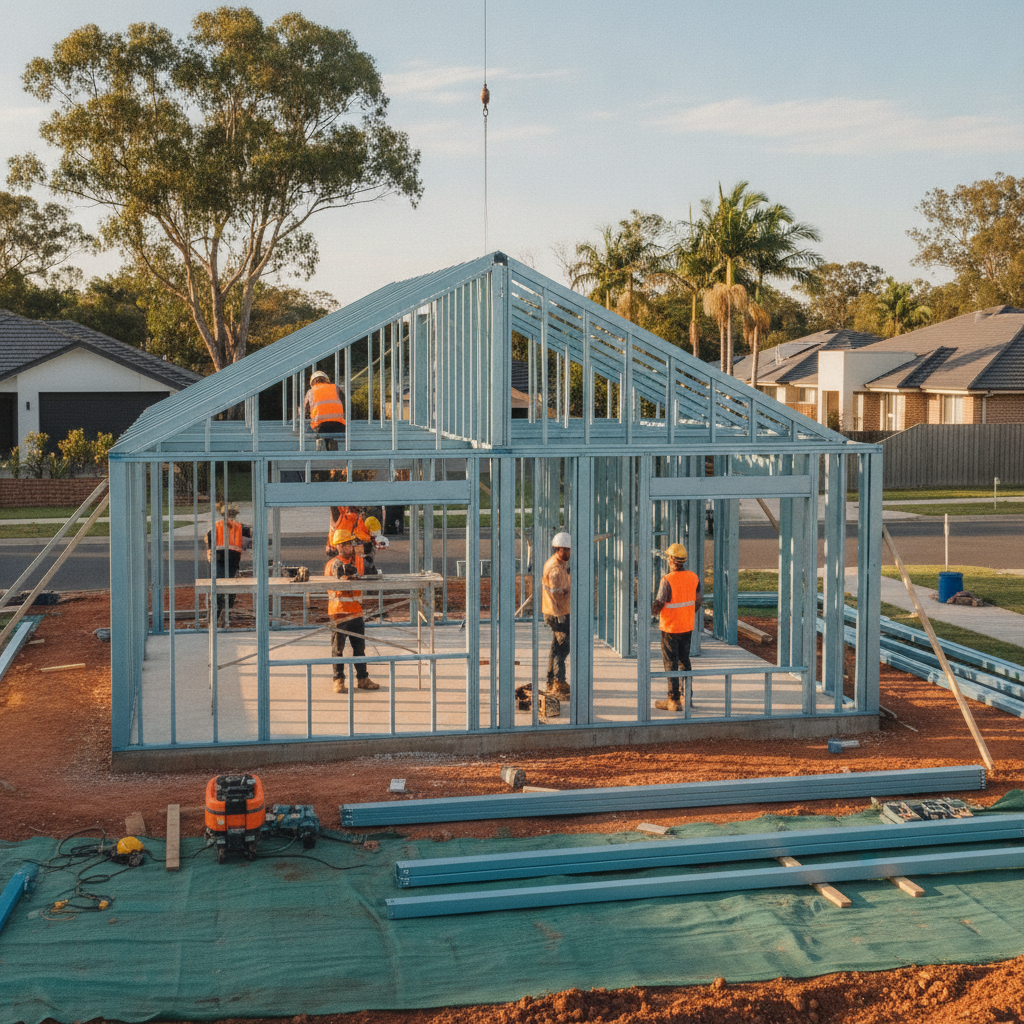
One of the most significant trends in Australian housing right now is the demand for flexibility. The rigid floor plans of the past are being replaced by open-plan designs that can evolve as the family's needs change. In the world of kit homes, this flexibility is a major drawcard. Because these homes often utilize advanced structural systems, like lightweight steel frames, they can achieve expansive open spaces without the need for intrusive internal load-bearing walls.
Australians are now looking for dedicated home offices that provide separation from the living area, often referred to as 'zoom rooms'. We are also seeing a rise in multi-generational living arrangements. Whether it is a detached teenage retreat or a secondary dwelling for aging parents, the ability to add a high-quality kit structure to an existing property has become a savvy solution for modern family dynamics.
The Owner Builder Renaissance
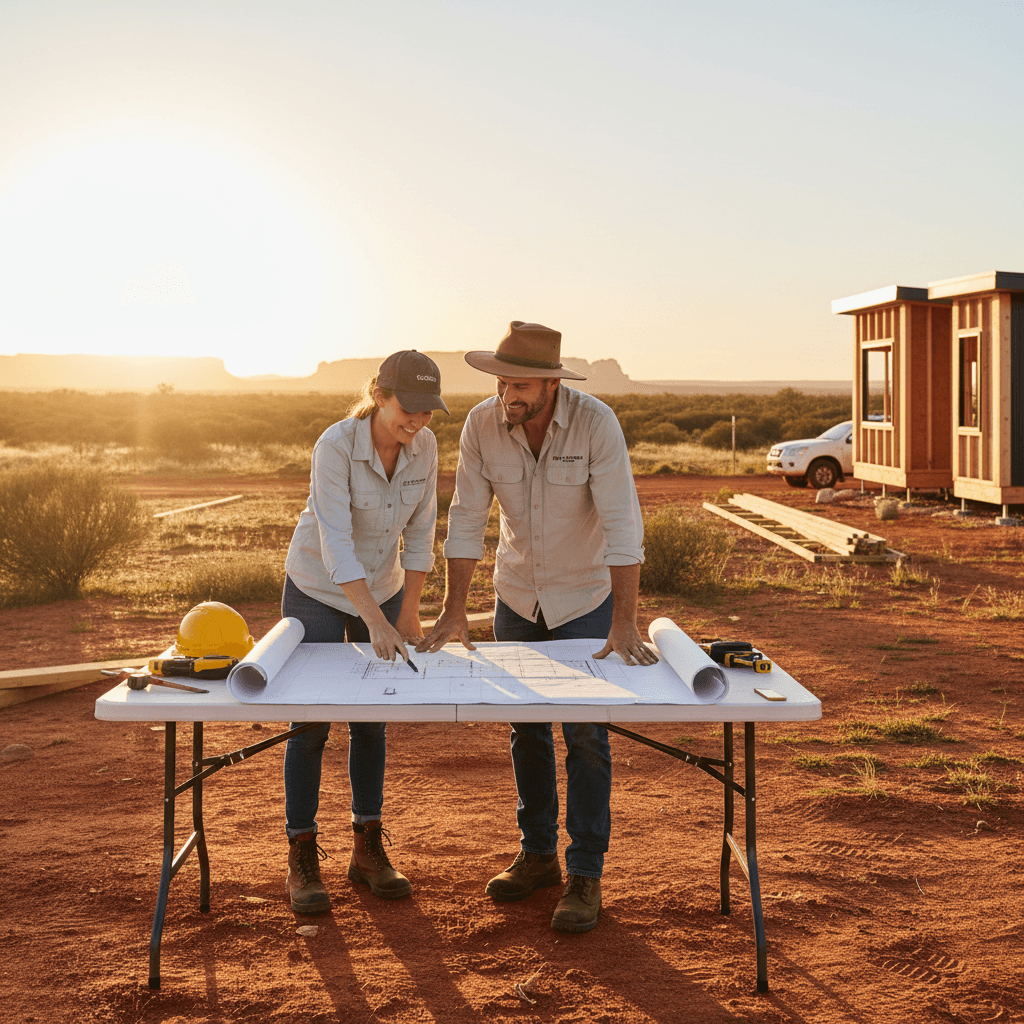
Perhaps the most exciting trend is the resurgence of the Aussie owner-builder. There is a deep-seated cultural pride in the DIY spirit in Australia, and the pandemic reignited the desire for many to have more skin in the game. People are less satisfied with handing over a cheque and waiting a year for a key. They want to be involved in the process, manage the trades, and have a hand in the construction of their own sanctuary.
Choosing a kit home path provides a structured way to take on the owner-builder mantle. The kit provides the skeleton and the shell, which means the heavy lifting of engineering and material sourcing is largely handled. This allows the owner-builder to focus on project management and the creative aspects of the fit-out, ensures they know exactly what quality of materials, such as TRUECORE steel, are going into the bones of their house.
Why Steel-Framed Kits are Winning
While the aesthetic of a home is what gets most people excited, the 'how' and 'what' of the construction are just as important in the current climate. Australian weather is famously harsh, and our housing trends are reflecting a move toward durability and resilience. This is where steel frames have become a key player in the kit home market.
Steel frames offer a level of precision that traditional timber struggle to match. They are straight, true, and immune to the structural issues caused by termites or wood rot. For an owner builder, this precision is a godsend. It means every window and door fits exactly as it should, and the walls are perfectly plumb, making the subsequent stages of internal lining and finishing much smoother.
Australian Housing Trends: Embracing the Outdoor Connection
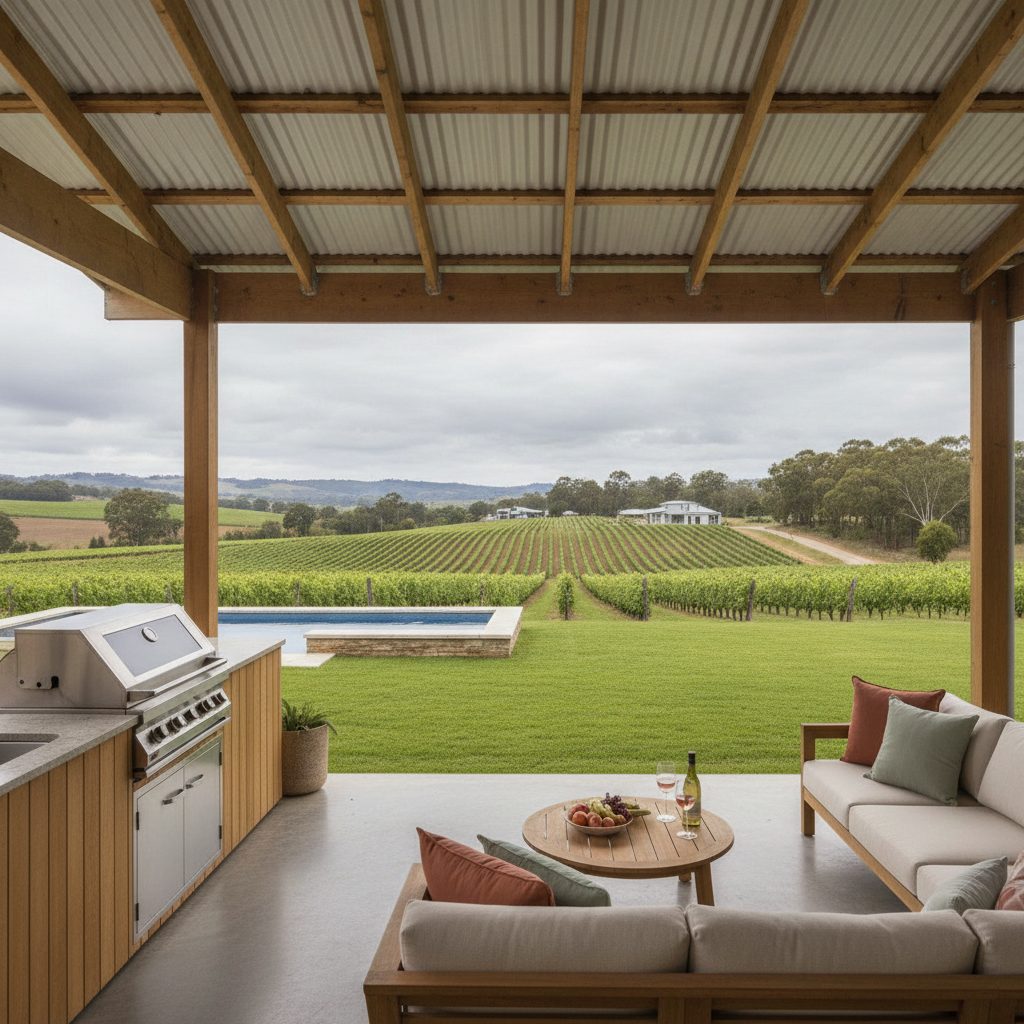
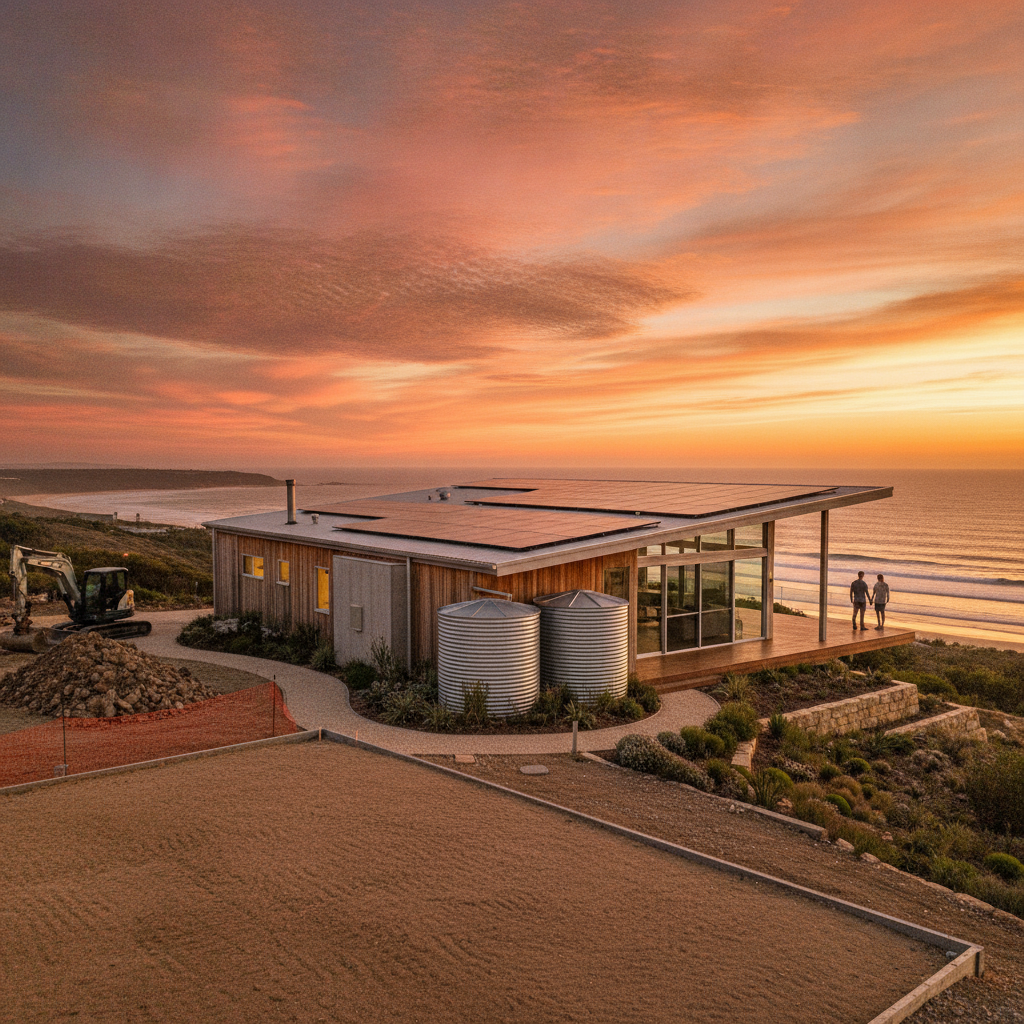
The Australian lifestyle has always been about the outdoors, but post-pandemic, the 'indoor-outdoor flow' has become a non-negotiable design element. Modern kit homes are being designed with sprawling decks, large sliding doors, and ample windows to bring the bush or the coast inside. We are seeing a move toward sustainable living, where people choose homes with smaller footprints to maximize their outdoor space and garden areas.
This trend is also about light. High-ceilings and clerestory windows are popular features in new kit designs, ensuring that even a compact home feels airy and spacious. The goal is to create a living environment that reduces stress and promotes well-being, a direct response to the cabin fever experienced during lockdowns.
Practical Tips for Potential Kit Home Buyers
If you are considering joining the growing number of Australians taking the kit home route, here are some practical tips to help you navigate the journey:
1. Understand Your Site First
Before you fall in love with a floor plan, you must understand your land. Consider the slope, the orientation for solar gain, and any council restrictions. A kit home is a great solution, but it must be tailored to the geography of your specific block to truly perform well.
2. Know Your Role as an Owner Builder
Being an owner builder is rewarding, but it requires organization. You will be responsible for obtaining the necessary permits, preparing the slab, and hiring local trades for plumbing, electrical, and finishing work. Research the owner builder requirements in your specific state or territory early in the piece.
3. Focus on the Shell Quality
The kit is the foundation of your future home. Look for kits that use high-quality materials designed for the Australian environment. For example, kits that include BlueScope steel frames, quality cladding, and reputable window brands will stand the test of time better than cheaper alternatives.
4. Plan Your Fit-Out Separately
Remember that a kit typically includes the outer shell and frames. This gives you the freedom to choose your own kitchen, flooring, and bathroom fixtures. Use this opportunity to shop around and find finishes that reflect your personal style rather than settling for a standard package.
The Future of Housing is Personal
What we are seeing across the Australian housing landscape is a move toward personalization. The 'one-size-fits-all' approach is dead. People want homes that reflect their values, whether that is sustainability, a closer connection to nature, or the satisfaction of building something with their own hands.
Kit homes are no longer the 'basic' options they were once perceived to be. They are sophisticated, architecturally designed dwellings that leverage modern technology to provide better living outcomes. For the modern Australian, they represent a path to homeownership that is empowered, creative, and perfectly suited to the ways we live now.
Conclusion
The shift in Australian housing trends is more than just a fleeting reaction to a global event; it is a fundamental rethinking of what constitutes a 'good' home. By moving toward flexible, owner-builder friendly options like kit homes, Australians are creating spaces that are more resilient, more personal, and more aligned with our unique landscape. If you have been dreaming of a home that is truly yours, from the steel frame up to the finishing touches, there has never been a better time to explore the possibilities of building for yourself.