The New Australian Dream: From Boardrooms to Bushland
For decades, the standard Australian dream followed a predictable path: find a job in the city, buy a home within commuting distance, and spend forty hours a week in an office. However, the last few years have witnessed a seismic shift in how we live and work. The 'Great Regional Migration' is no longer just a headline, it is a lived reality for thousands of Australians who have swapped city traffic for birdsong and concrete jungles for rolling hills.
At the heart of this movement is the rise of a flexible workforce. As high speed internet reaches further into the outback and employers embrace remote arrangements, the geographical ties to our capital cities are loosening. This freedom has sparked a renewed interest in kit homes, as savvy Australians look for ways to build high quality, custom dwellings on rural blocks without the logistical headaches often associated with traditional regional building.
The Intersection of Technology and Lifestyle
Why are kit homes becoming the go-to choice for the modern remote worker? The answer lies in the balance of control and simplicity. When you move to a regional or remote area, finding local builders who are available and within your timeframe can be a significant challenge. By opting for a kit home, much of the heavy lifting in terms of design and material sourcing is handled upfront.
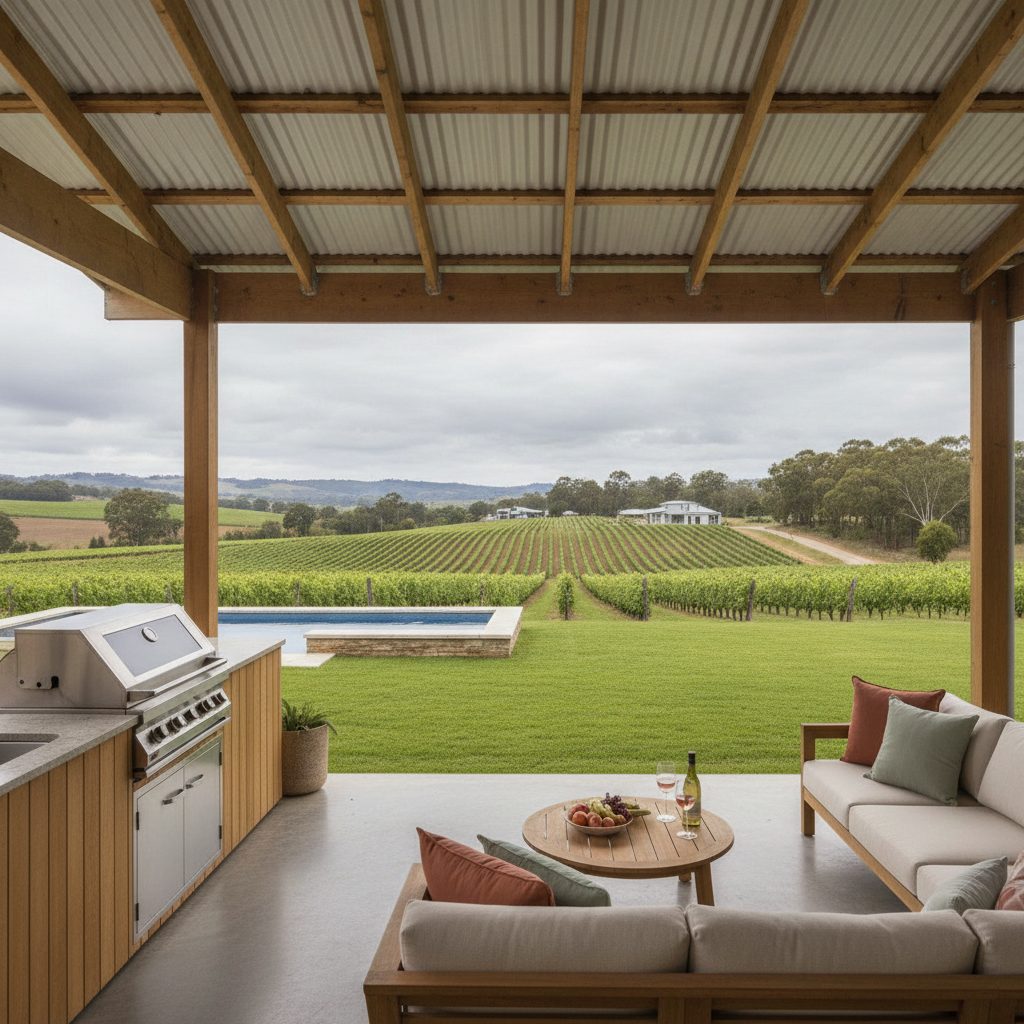
In this new housing landscape, the focus has shifted from mere square footage to 'lifestyle density.' People are looking for homes that facilitate focus during the day and relaxation in the evening. This means dedicated home offices with plenty of natural light, open plan living areas that connect with the landscape, and durable materials that can withstand the unique challenges of the Australian climate.
Sustainability and Resilience in the Rural Landscape
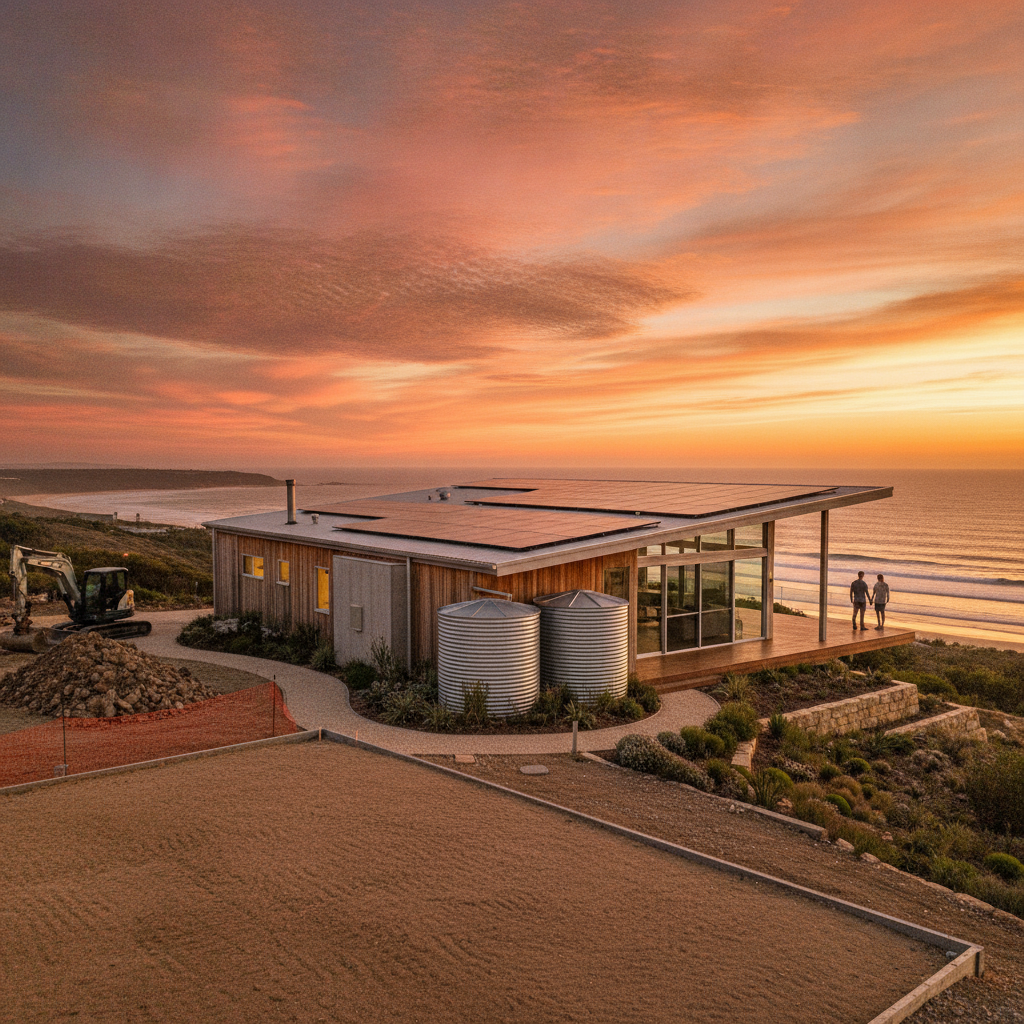
Building in regional Australia requires a specific mindset. You aren't just building a house, you are building a shelter against the elements. One of the most significant trends we are seeing in recent years is a move toward high quality steel frame construction. Using Australian made products like BlueScope TRUECORE steel provides a level of peace of mind that is essential when you are living far from the closest city center.
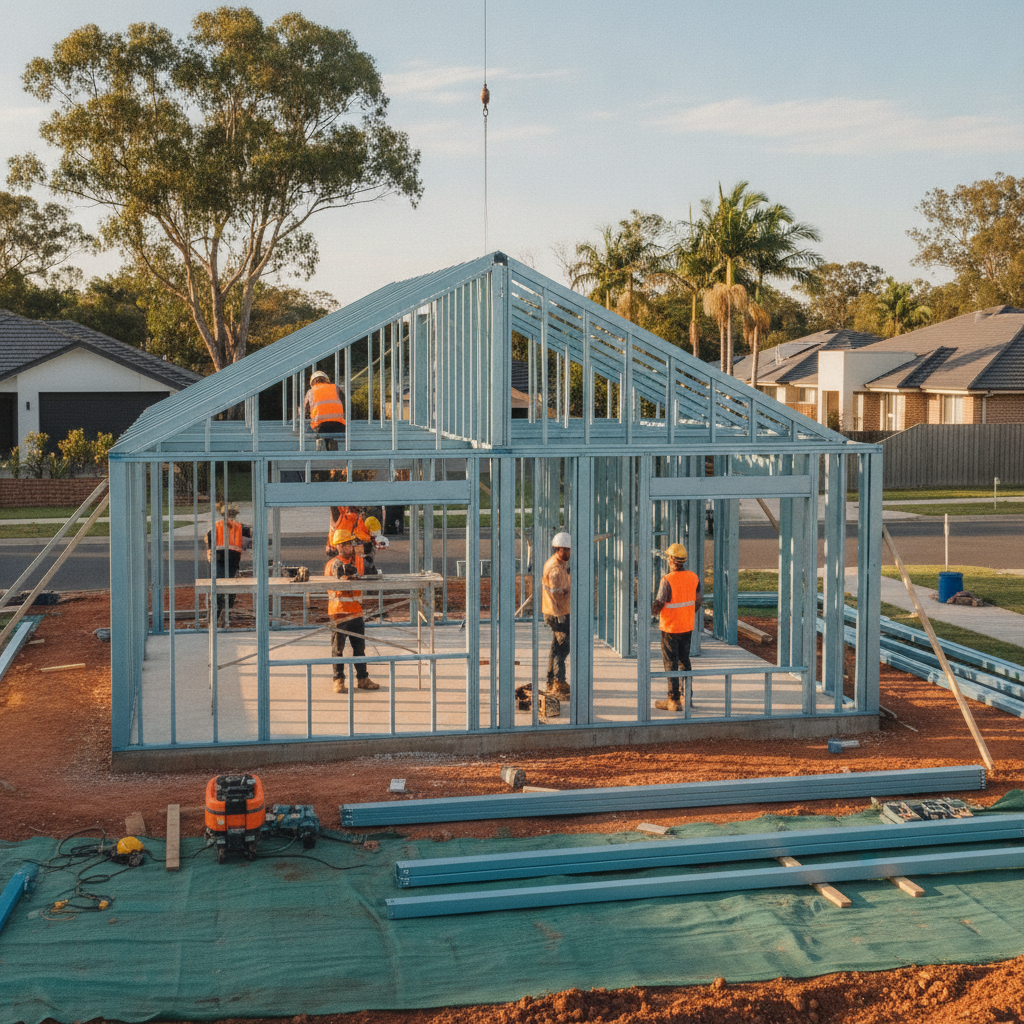
Steel frames are termite proof and non-combustible, which is a vital consideration for those moving into bushfire prone regions. Furthermore, the precision of modern steel framing ensures that the home stays straight and true over time, reducing the maintenance tasks that might otherwise eat into your weekend of hiking or gardening. When your office is also your sanctuary, you want to know that the structure is built to last.
Practical Tips for Potential Kit Home Buyers
If you are considering joining the ranks of rural kit home owners, preparation is your best friend. Here are some practical steps to get your project moving in the right direction:
1. Research Your Land Thoroughly
Before committing to a specific kit design, understand your site. This includes the soil type, the slope (which affects your slab or flooring system), and the Bushfire Attack Level (BAL) rating. A kit home is highly adaptable, but it must be suited to the land it sits on.
2. Think About Connectivity
For the remote worker, internet is as essential as water. Before you buy that beautiful five acre block, check the NBN coverage or Starlink availability. Ensure your kit home design includes a dedicated office space that is separate from the main living areas to provide a clear boundary between 'work' and 'home'.
3. Check Local Council Requirements
Every council in Australia has different rules regarding setbacks, aesthetics, and environmental impact. Engaging with your local council early in the process can save you months of delays later on. Most kit home providers will supply the necessary architectural drawings and frame engineering, but you will still need to manage the local approval process.
Owner Builder Tips: Taking the Reins
Many people moving to regional areas choose the owner builder route to have more control over their project. Being an owner builder doesn't necessarily mean you are swinging the hammer every day, but it does mean you are the project manager. Here is how to succeed:
Understand the Scope
A kit home provides the 'shell' of the house, including the frames, trusses, roofing, cladding, windows, and doors. As the owner builder, you are responsible for organizing the site works, the slab or subfloor, and the internal fit out. This includes plumbing, electrical, plastering, and cabinetry. Having a clear checklist of what is included in your kit and what you need to source locally is crucial.
Build Your Local Network
Even if you are doing much of the work yourself, you will need licensed trades for specific tasks. Start building relationships with local plumbers and electricians as soon as you settle on your land. In regional areas, word of mouth is powerful, and a good recommendation from a neighbor can be worth its weight in gold.
Manage Your Timeline
Construction in regional areas can be affected by weather and delivery schedules. Be patient but organized. Ensure your site is ready for the delivery of your steel frames so that they can be unloaded safely and efficiently. Remember, a well organized site is a safe and productive site.
Design Trends: Aesthetics of the Modern Kit Home
Gone are the days when kit homes were limited to basic rectangular boxes. Today's designs are sophisticated and respond beautifully to the Australian environment. We are seeing a huge trend toward 'Modern Farmhouse' and 'Industrial Rural' aesthetics.
Large expanses of glass are popular to capture panoramic views, while wrap around verandas provide essential shade and an outdoor extension of the living space. Inside, high ceilings and raked roofs create a sense of airiness that prevents a home from feeling cramped, even if the footprint is modest. Using high quality insulation and double glazed windows ensures that these homes remain cool in the summer and warm in the winter, which is essential for someone spending most of their time indoors working.
Why Steel Makes Sense for Remote Builds
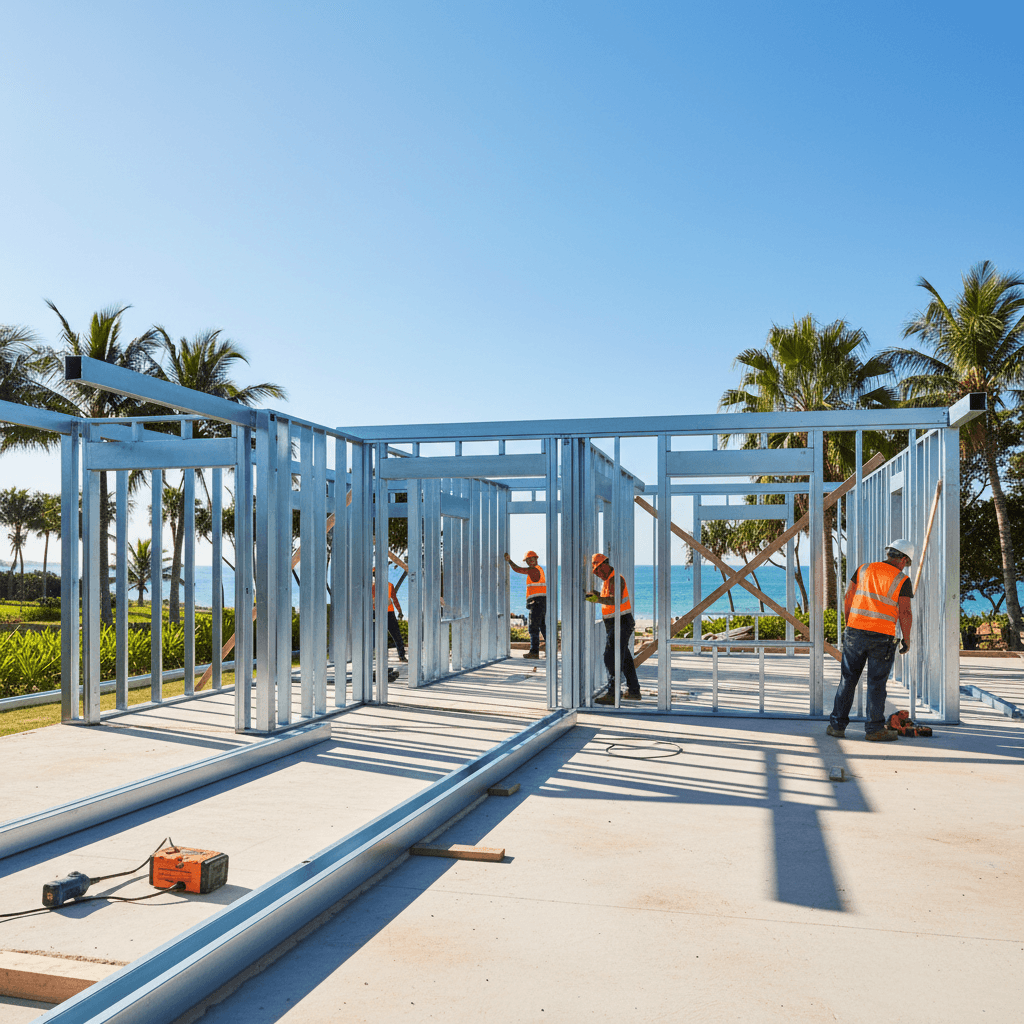
When you are building in a remote location, logistics can be a nightmare. This is where the benefits of steel frames really shine. Steel is lightweight compared to traditional timber, making it easier and often cheaper to transport to far flung locations. Because the frames are manufactured to millimeter precision, there is very little waste on site, which is great for the environment and reduces the cost of waste removal in regional areas.
Moreover, the speed of assembly is a major advantage. Once your slab is down, the steel frames go up quickly, allowing you to get the home 'under roof' faster. This protects the interior of the build from the elements and allows your internal trades to start their work sooner, accelerating your move in date.
Conclusion: Embracing the Future of Living
The rise of the kit home in regional Australia is a testament to our desire for autonomy and quality of life. By leveraging modern construction techniques and embracing the flexibility of remote work, Australians are creating homes that are not just places to live, but platforms for a better lifestyle.
Whether you are looking to build a small retreat or a sprawling family home, the kit home model offers a practical, resilient, and stylish path toward achieving your goals. By taking the time to plan, understanding the role of an owner builder, and choosing durable materials like Australian steel, you can build a home that will serve you and your family for decades to come, right in the heart of the beautiful Australian landscape.