The New Australian Dream: Trading Commutes for Country Air
For decades, the Australian dream was anchored to a quarter-acre block within striking distance of a capital city. But the script has been flipped. Over the last few years, we have witnessed a massive cultural shift in how we view our homes and our workplaces. The rise of decentralised work has liberated thousands of professionals from the CBD, sparking a significant movement toward regional areas like the Sunshine Coast Hinterland, the Central Highlands of Victoria, and the rugged coastlines of Western Australia.
At Australian Housing Trends, we are seeing a distinct pattern emerge: the demand for rural kit homes is skyrocketing. It is no longer just about retiring to the country; it is about building a productive, modern life in a location that offers more space, less noise, and a genuine connection to nature. For many of these tree-changers, the kit home model represents the most practical pathway to making this transition a reality.
The Digital Nomad Meets the Rural Homestead
The catalyst for this migration is, of course, connectivity. With high-speed internet now reaching further into rural pockets, the home office has become the most important room in the house. When people look to build a kit home in a remote area, they are not just looking for a weekend shack. They are designing sophisticated permanent residences that accommodate a full-time professional lifestyle.
Modern kit home designs have evolved to meet this need. We are seeing a move away from cramped traditional layouts toward open-plan living and dedicated workspaces with plenty of natural light. Because kit homes offer a high degree of flexibility during the design phase, owner-builders can easily incorporate a double-office setup or a separate studio, ensuring that the work-from-home experience is as efficient as it is scenic.
Why Kit Homes Suit the Australian Landscape
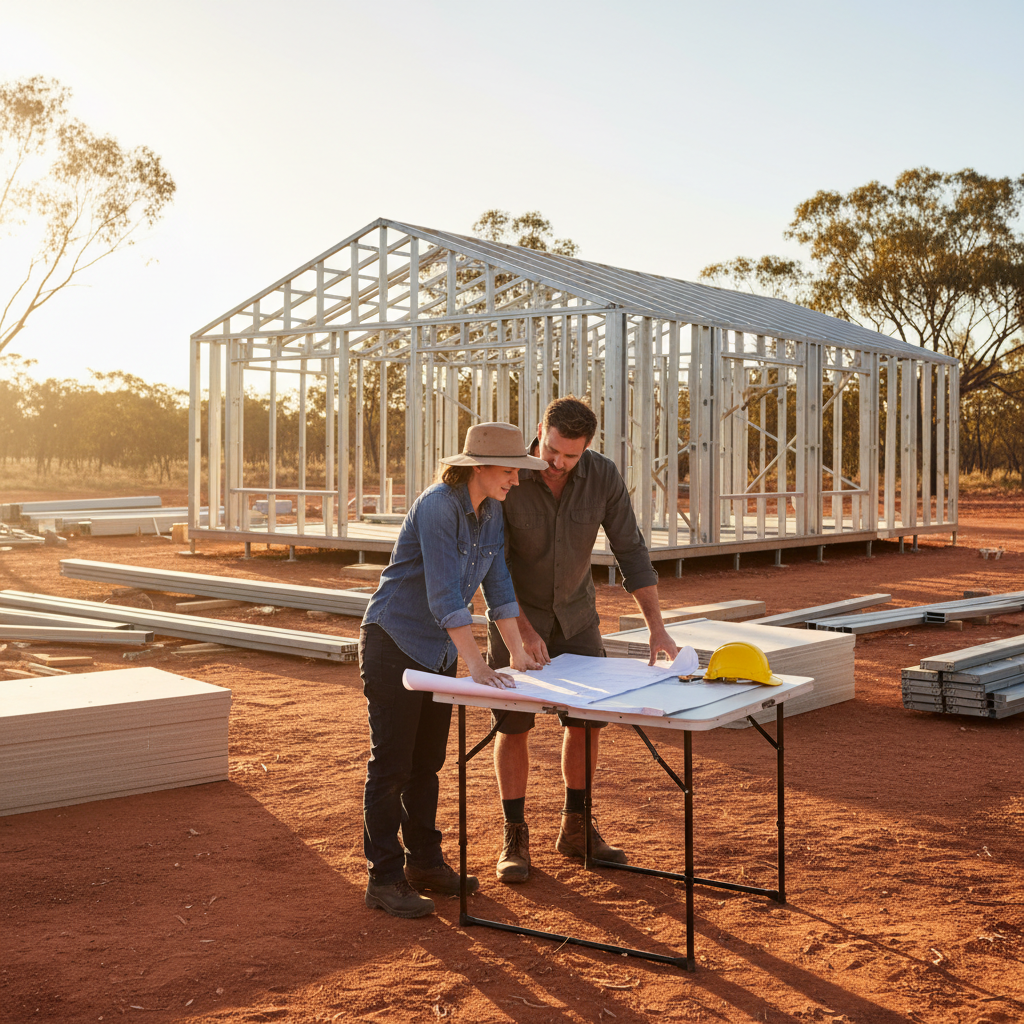
Australia is a land of extremes, and building in rural locations presents unique challenges. This is where the practical benefits of the kit home model, particularly those utilizing steel frame construction, really shine. When you are building on a remote ridge or a dusty plains block, logistics become your biggest hurdle.
Standard kit homes provide a streamlined solution because the components, including the TRUECORE steel frames, roofing, cladding, and windows, are delivered as a comprehensive package. This significantly reduces the coordination required for multiple deliveries from various suppliers, which can be a nightmare when your site is two hours from the nearest major hardware hub.
The Resilience of Steel in the Bush
One of the key reasons steel frame construction has become the gold standard for rural Australian builds is its inherent resilience. Steel is non-combustible, which is a vital consideration for anyone building in a bushfire-prone area. Using BlueScope steel provides peace of mind that the skeleton of the home is robust and durable.
Furthermore, rural Australia is home to some hungry locals, specifically termites. Unlike traditional timber, steel frames are 100 percent termite-proof. For an owner-builder in a remote area, knowing that your primary structure is immune to these pests allows you to focus on the aesthetics and finishing touches of your home rather than worrying about structural decay over time.
Practical Tips for the Aspiring Rural Owner-Builder
If you are planning to join the move to the country, here are some practical considerations to keep in mind before you break ground:
1. Understand Your Site Classifications
Before you fall in love with a floor plan, get a proper site survey and soil test. Rural blocks can have varying soil types and slopes that affect your slab design and site works. Knowing your Bushfire Attack Level (BAL) rating is also crucial, as this will dictate the types of windows and cladding required for your kit.
2. Plan for Off-Grid Capabilities
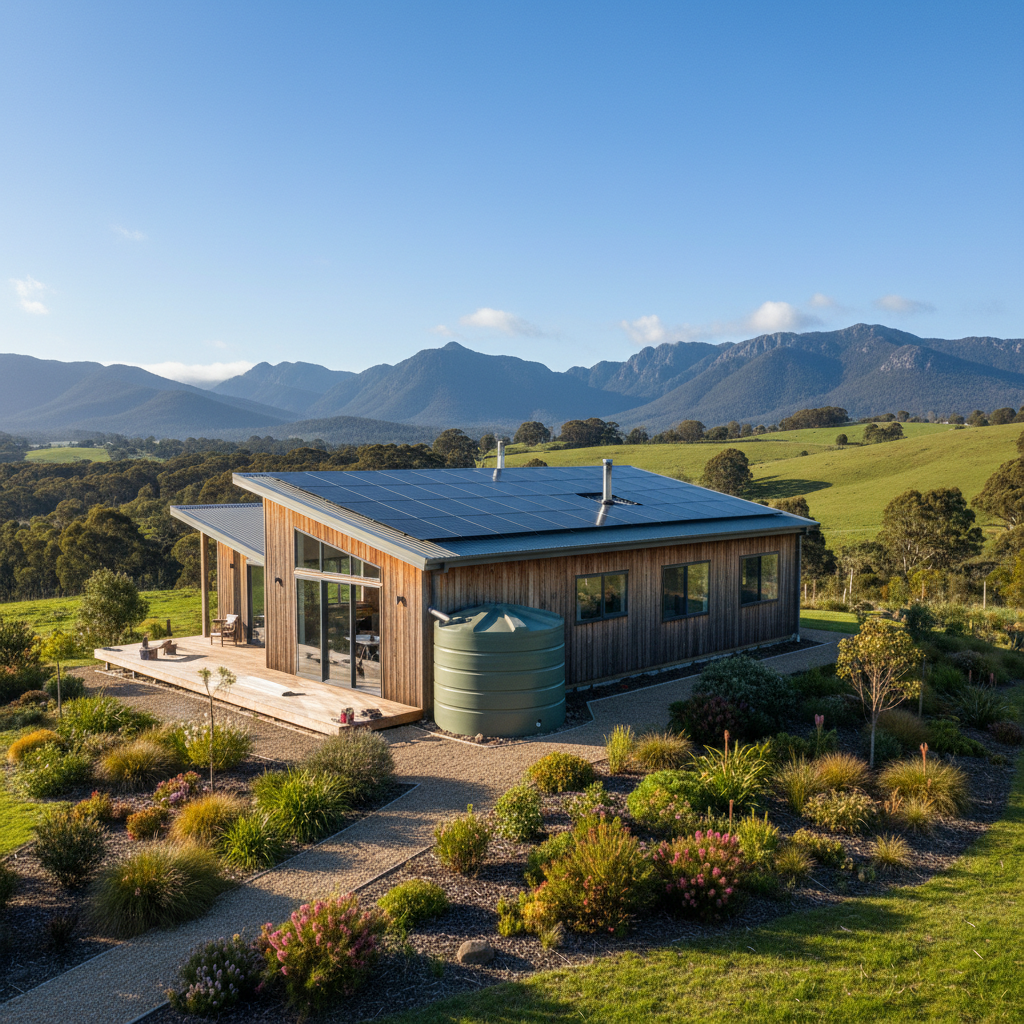
The beauty of remote living often comes with a lack of town services. Many kit home builders in regional areas opt for rainwater tanks and solar systems. When choosing your kit, consider how the roof pitch and orientation can maximize solar collection and water runoff. A steel roof is particularly excellent for clean water catchment.
3. Manage Your Trades Early
While you are managing the project as an owner-builder, you will still need licensed trades for plumbing and electrical work. In rural areas, good tradespeople are often booked out months in advance. Start building your local network as soon as you have your land, so your project does not stall once the kit arrives on site.
Design Trends: Aesthetics That Blend with the Bush
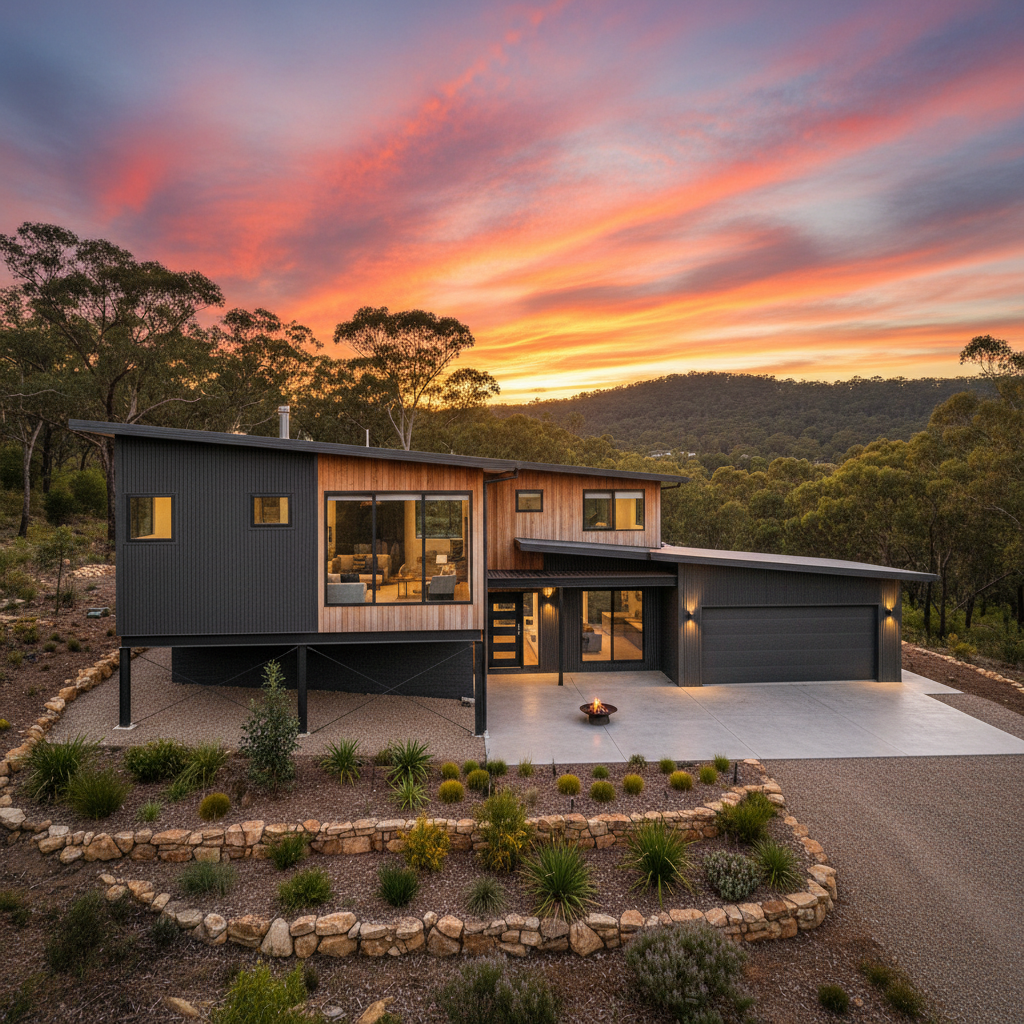
The current aesthetic trend for Australian kit homes is what many call "Modern Ruralism." It is an architectural style that celebrates the Aussie shed but elevates it with modern materials and large expanses of glass. Horizontal cladding and darker color palettes (think Deep Ocean or Monument) allow the home to sit quietly in the landscape rather than standing out.
Inside, the trend is toward high ceilings and exposed features. Because steel frames allow for large spans without the need for load-bearing internal walls, kit homes can offer high, raked ceilings that create a sense of vastness, even in a smaller footprint. This sense of space is exactly what city-dwellers are looking for when they make the move.
The Importance of Insulation and Thermal Comfort
Living in the country often means dealing with colder nights and hotter days. One of the misconceptions about steel frame homes is that they are difficult to keep warm. However, when paired with a high-quality insulation wrap and bulk insulation batts (which are typically included in quality kits), steel frame homes can achieve exceptional thermal performance. Building in rural Australia requires a focus on the building envelope to ensure that your home remains comfortable year-round without relying heavily on artificial heating and cooling.
Owner-Builder Guidance: Taking Control of the Process
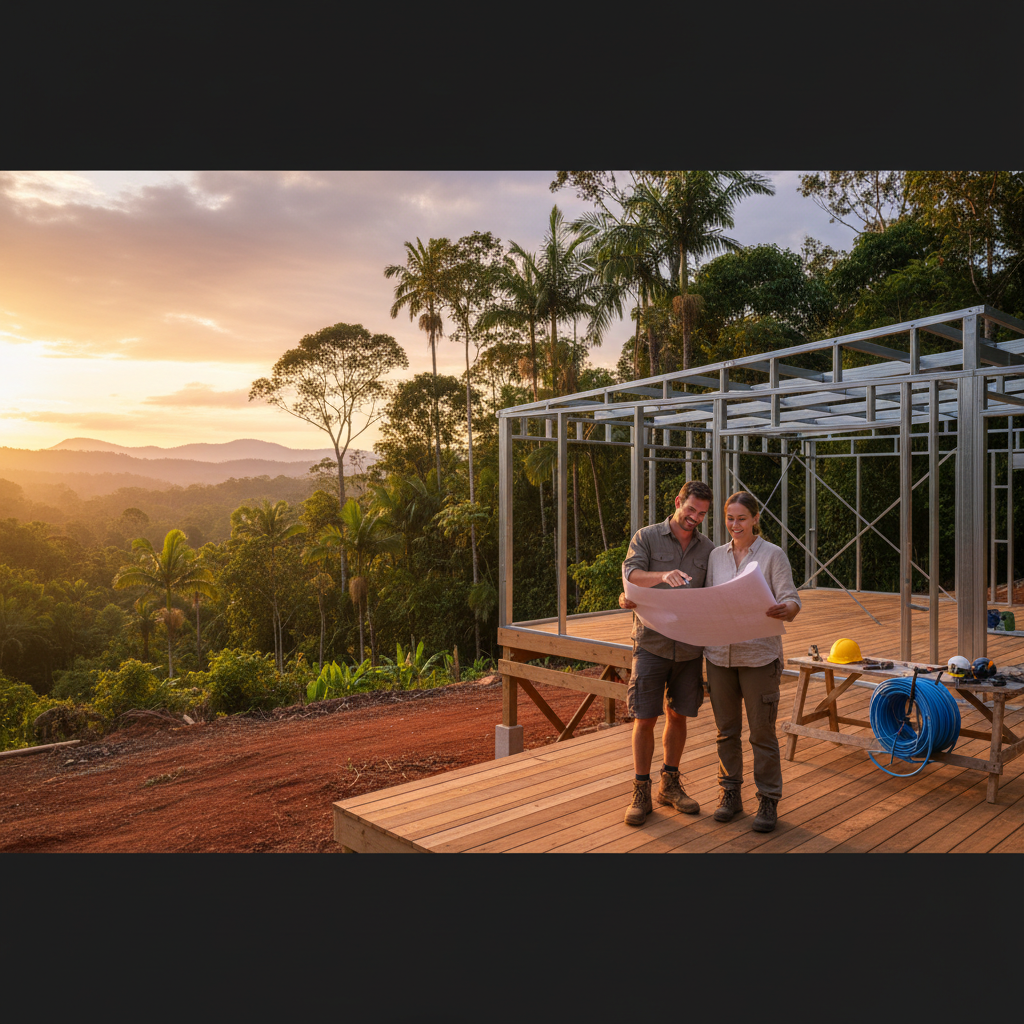
Taking on the role of an owner-builder is a rewarding way to create your rural sanctuary, but it requires organization. Our best advice for DIY enthusiasts is to treat the build like a professional project. Keep a detailed site diary, maintain a clean and safe job site, and ensure you have clear communication with your kit provider.
The kit home process is essentially a puzzle. The frames are pre-engineered to fit together perfectly, which takes a lot of the guesswork out of the structural phase. This allows you to spend more time on the "fit-out" phase, where you can express your personal style through flooring, cabinetry, and lighting.
The Future of Regional Living
As we look ahead, the trend of moving to regional Australia shows no signs of slowing down. The combination of increased workplace flexibility and the relative ease of building a kit home has opened up the countryside to a new generation of homeowners. By choosing durable materials like Australian steel and embracing the owner-builder journey, these new rural residents are creating homes that are built to last in our unique environment.
Whether it is a coastal block in the West or a rolling hill in the Byron Bay hinterland, the kit home is proving to be the perfect companion for the modern Australian lifestyle. It offers a way to build a high-quality, architecturally designed home while maintaining the freedom and autonomy that comes with managing your own project.
Conclusion
The move toward rural kit homes is more than just a housing trend; it is a lifestyle revolution. By leveraging the benefits of steel frame construction and the streamlined nature of the kit home model, Australians are finding they can have the best of both worlds: a professional career and a tranquil, country life. If you are considering making the move, the key is preparation, a bit of DIY spirit, and a clear vision of your new Australian dream.