The Great Regional Migration: Why Remote Work is Fueling the Kit Home Boom in Rural Australia
Australia is currently witnessing a historic shift in how and where we choose to live. The traditional tether to the CBD has been severed for millions of workers, replaced by the flexibility of home offices and digital nomadism. This newfound freedom has sparked a massive surge in interest in regional living, with more Australians than ever looking to swap the roar of traffic for the rustle of gum trees. At the heart of this movement is a housing solution that offers flexibility, control, and architectural style: the modern kit home.
The Digital Nomad Meets the Rural Dream
For decades, the Australian Dream was often synonymously linked to a quarter acre block in the suburbs. However, the rise of high speed satellite internet and flexible workplace policies has redefined that dream. We are seeing a distinct trend where young families, professionals, and downsizers are moving beyond the city fringes and into the heart of regional Australia.
This shift isn't just about escaping the rat race, it is about lifestyle design. People want space for a vegetable garden, room for a dedicated home office that isn't a repurposed kitchen table, and a connection to nature. Because of this, the demand for versatile, reliable housing on rural lots has skyrocketed. This is where the kit home model shines, providing a structured pathway for those who want to play a hands-on role in creating their sanctuary.
Why Kit Homes are the Go-To for Regional Allure
Building in a regional or remote area comes with its own set of unique challenges. Access to builders can be limited, and logistics can sometimes be a nightmare. Kit homes offer a distinct advantage in these scenarios because the heavy lifting of the design and structural engineering is already done.
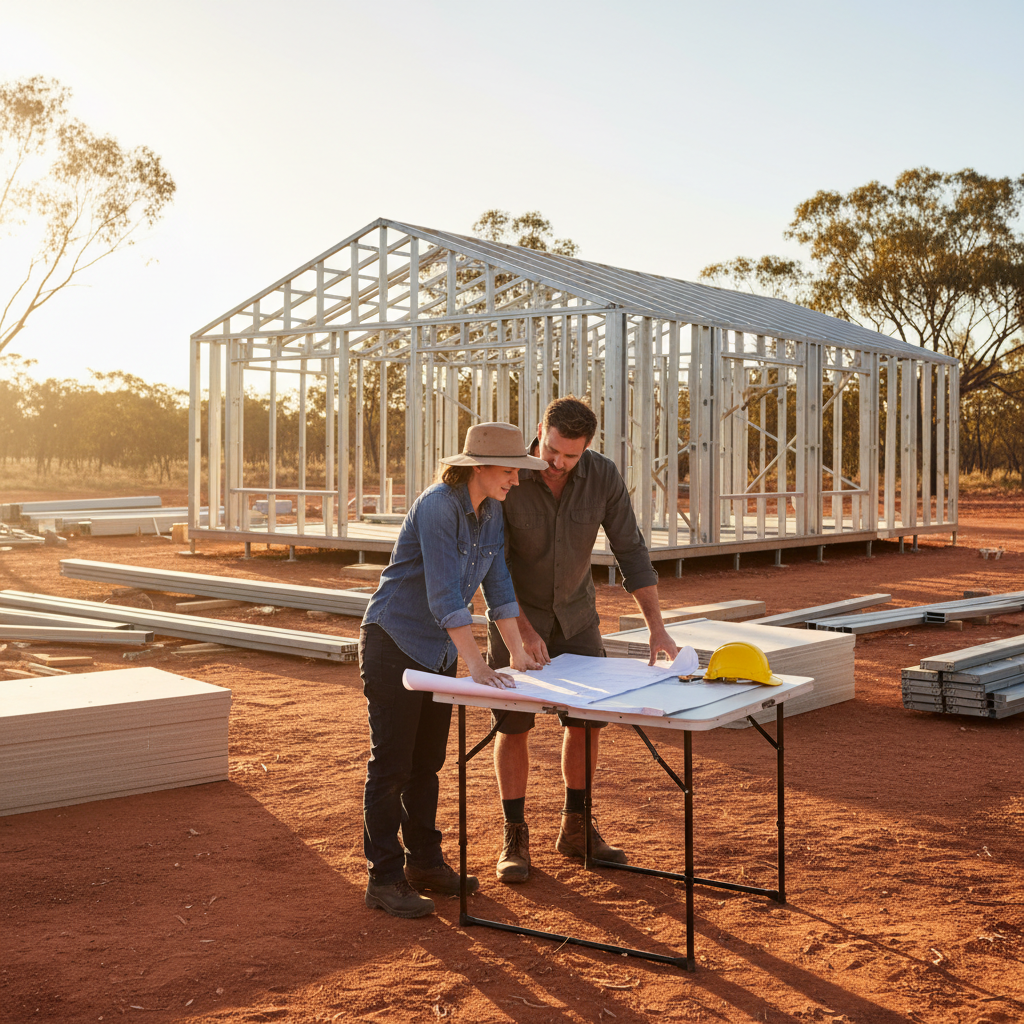
When you choose a kit home, you aren't just buying a pile of materials. You are buying a precision engineered system. For example, using high quality Australian steel for the structural frames, such as BlueScope TRUECORE steel, ensures that the bones of the home are straight, true, and resistant to pests like termites, which are a common concern in rural settings. For an owner builder, having a frame that arrives ready to assemble like a giant, logical puzzle is a game changer for project timelines.
Designing for the Australian Landscape
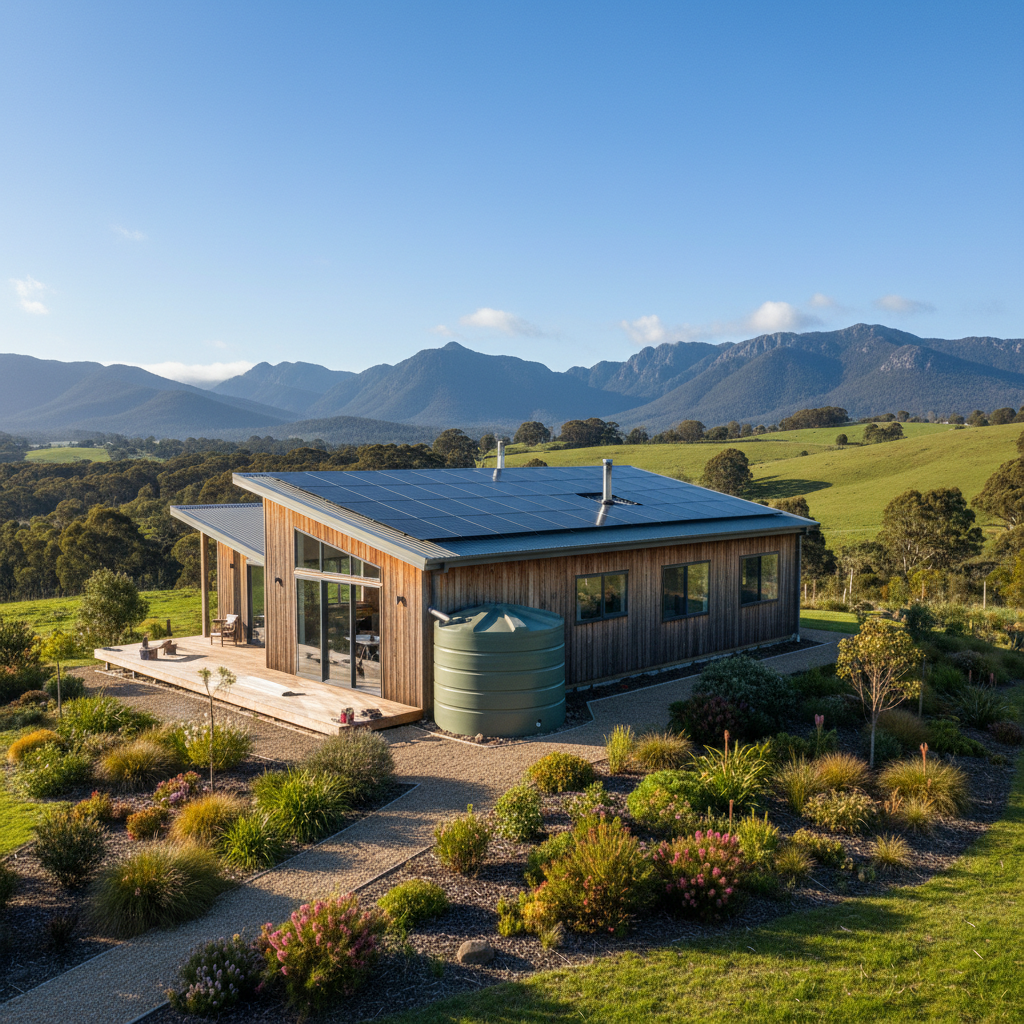
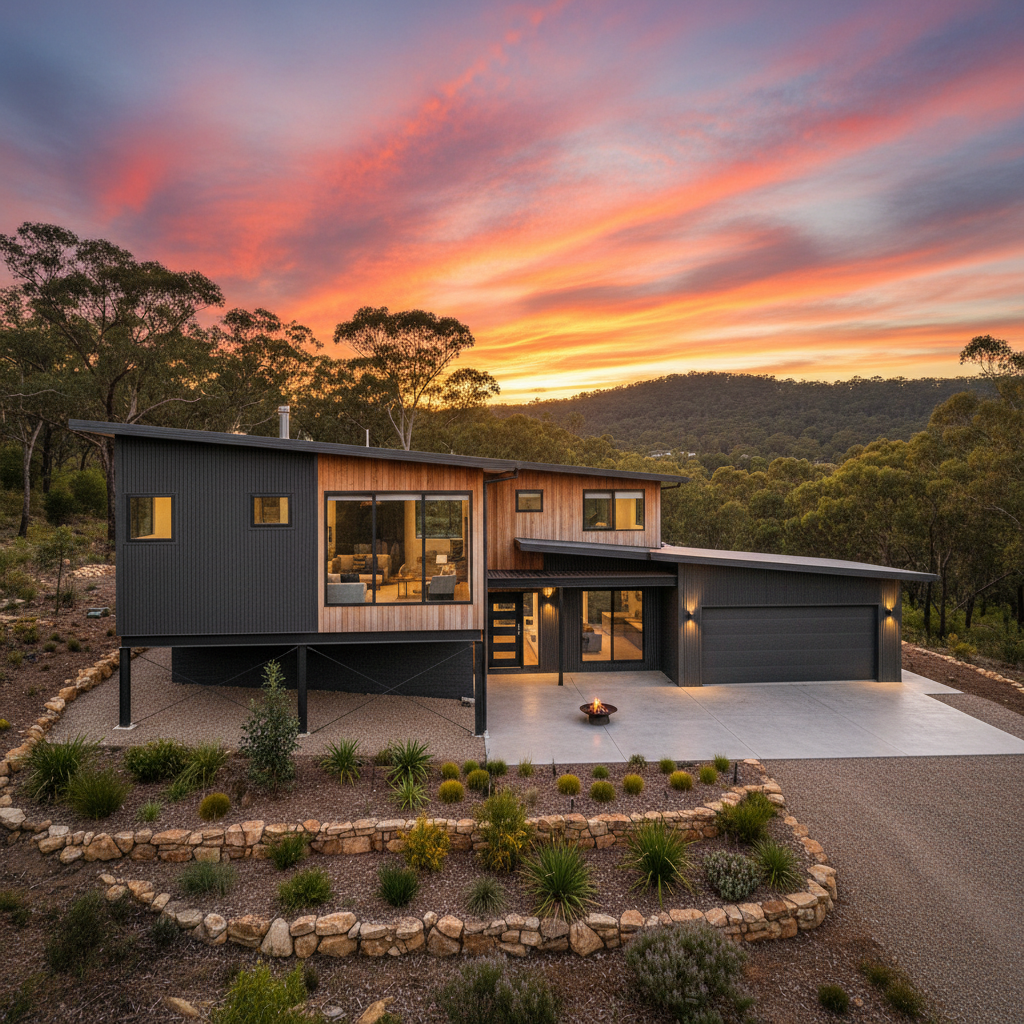
Contemporary Australian housing trends are leaning heavily toward mid-century modern aesthetics and farmhouse chic, both of which translate beautifully into kit home designs. When building in a rural setting, the design needs to work with the land, not against it.
H3: Maximizing Natural Light and Views
One of the biggest tips for anyone planning a regional kit home is to prioritize orientation. Large windows and well placed doors aren't just about aesthetics, they are about thermal efficiency and well-being. By positioning your kit home to soak up the northern sun in winter while shading it in summer, you create a space that is comfortable year round without relying solely on air conditioning.
H3: Creating a Dedicated Workspace
Since the remote work revolution is the primary driver for many of these builds, the home office can no longer be an afterthought. Many modern kit home floor plans now include flexible spaces that can easily be designated as quiet, professional zones. Think about acoustics, natural light, and proximity to the main living areas when selecting your floor plan.
The Rise of the Owner Builder
Perhaps the most empowering part of the kit home movement is the rise of the owner builder. This isn't just about saving money through sweat equity, it is about the immense satisfaction of being intimately involved in the creation of your own home.
An owner builder acts as the project manager. While the kit provider supplies the frames, roofing, cladding, and windows, the owner builder coordinates the site works, the slab, and the professional trades like plumbers and electricians. This model allows for a level of customization and oversight that is often missing in standard volume building contracts.
Practical Tips for Potential Kit Home Owners
If you are considering making the leap to a regional kit home, here are some practical steps to get you started on the right foot:
- Check Your Local Council Regs: Every council in Australia has different requirements regarding setbacks, bushfire attack levels (BAL), and cladding types. Always check these before you fall in love with a specific design.
- Site Access is Key: Ensure that the delivery trucks can actually get to your building site. Rural tracks might look fine for a 4WD, but a large semi-trailer carrying your steel frames and roofing needs a bit more room to maneuver.
- Plan Your Trades Early: In regional areas, good tradespeople are often booked out months in advance. Start talking to local concreters, plumbers, and electricians as soon as you have your plans.
- Invest in Quality Insulation: Regional Australia can experience extreme temperature swings. Since your kit usually includes insulation, make sure you understand the R-values and consider upgrading if you are in a particularly cold or hot climate.
Sustainability and Longevity in the Bush
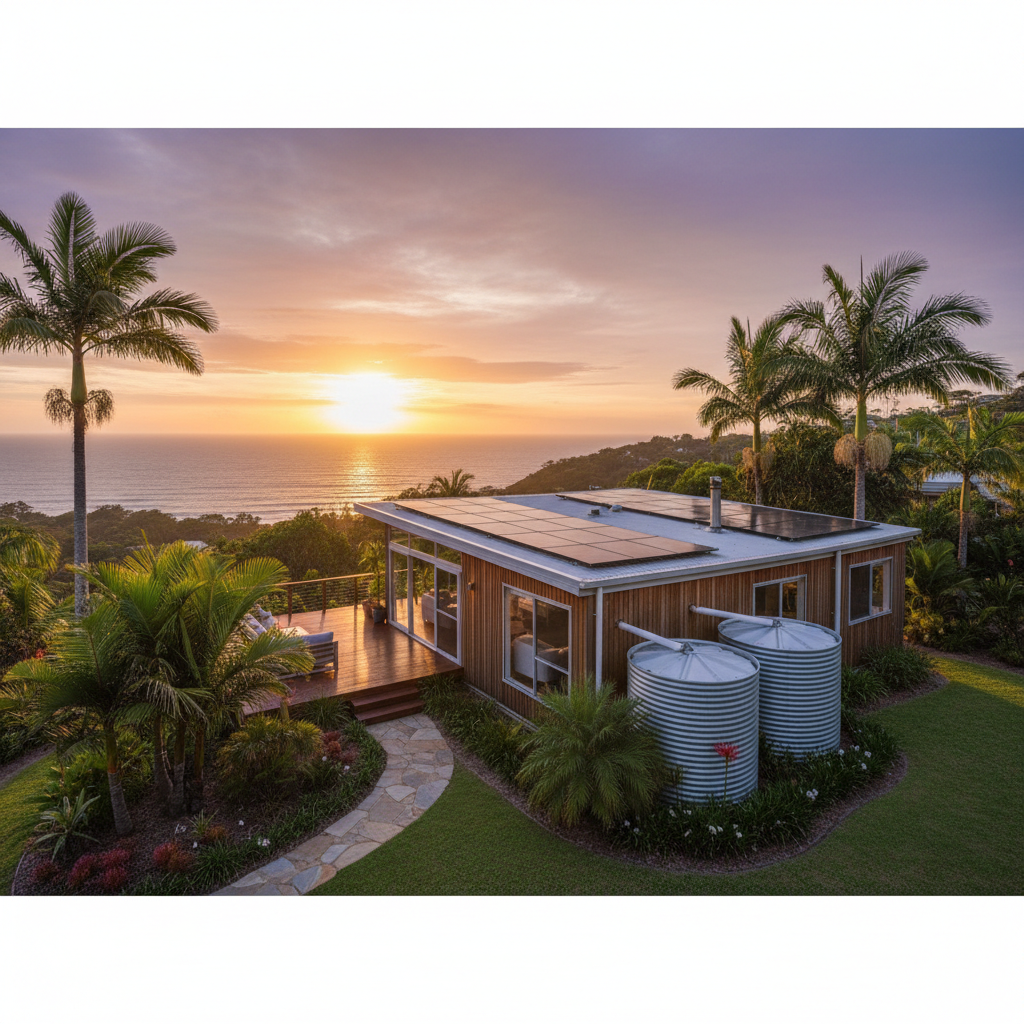
Sustainability is more than just a buzzword in modern Australian architecture, it is a necessity. Using steel frames is a sustainable choice because steel is 100 percent recyclable and produces minimal waste on-site. Furthermore, the durability of steel means your home is built to last through the harsh Australian elements, from scorching sun to heavy coastal winds.
Choosing durable cladding and roofing materials, which are typically included in high quality kits, ensures that your home remains low maintenance for years to come. This is particularly important for those moving to rural areas where they want to spend their time enjoying the landscape, not painting weatherboards every five years.
Conclusion: A New Chapter for Australian Housing
The drift toward regional Australia is more than just a passing phase, it is a structural change in our society. As we continue to prioritize lifestyle, flexibility, and a closer connection to the environment, the kit home will remain at the forefront of this housing evolution.
By offering a high quality, manageable, and stylish way to build, kit homes are empowering a new generation of Australians to become the architects of their own future. Whether you are looking for a compact coastal retreat or a sprawling rural homestead, the combination of modern engineering and local grit is making the dream of a custom home more accessible than ever before. It is time to stop dreaming about that tree change and start planning the steel framed sanctuary that will make it a reality.