The New Australian Dream: Trading Skyscrapers for Gum Trees
For decades, the Australian lifestyle was defined by the proximity to the CBD. We squeezed into inner-city suburbs, endured the daily commute on the Monash or the M1, and sacrificed space for the sake of the office. But the landscape has shifted. The rise of remote work has untethered us from the city grid, sparking a significant migration toward regional Australia. This shift isn't just about moving house, it is about a total lifestyle redesign.
As Australians look toward the rolling hills of the Byron hinterland, the rugged beauty of the Margaret River region, or the quiet charm of the Victorian High Country, a specific building method is leading the charge: the kit home. Providing a balance of flexibility, high quality materials, and the satisfaction of the owner builder journey, kit homes have become the primary vehicle for those looking to establish a rural footprint without the complexities of traditional regional building contracts.
The Digital Nomad Meets the Owner Builder
The freedom to work from anywhere has turned "someday" into "now." When you no longer need to be within a 30 minute radius of a physical office, the geographic possibilities for your home open up entirely. However, building in remote or regional areas presents unique challenges. Local builders in country towns are often booked out years in advance, and the logistics of transporting materials to a distant site can be a nightmare.
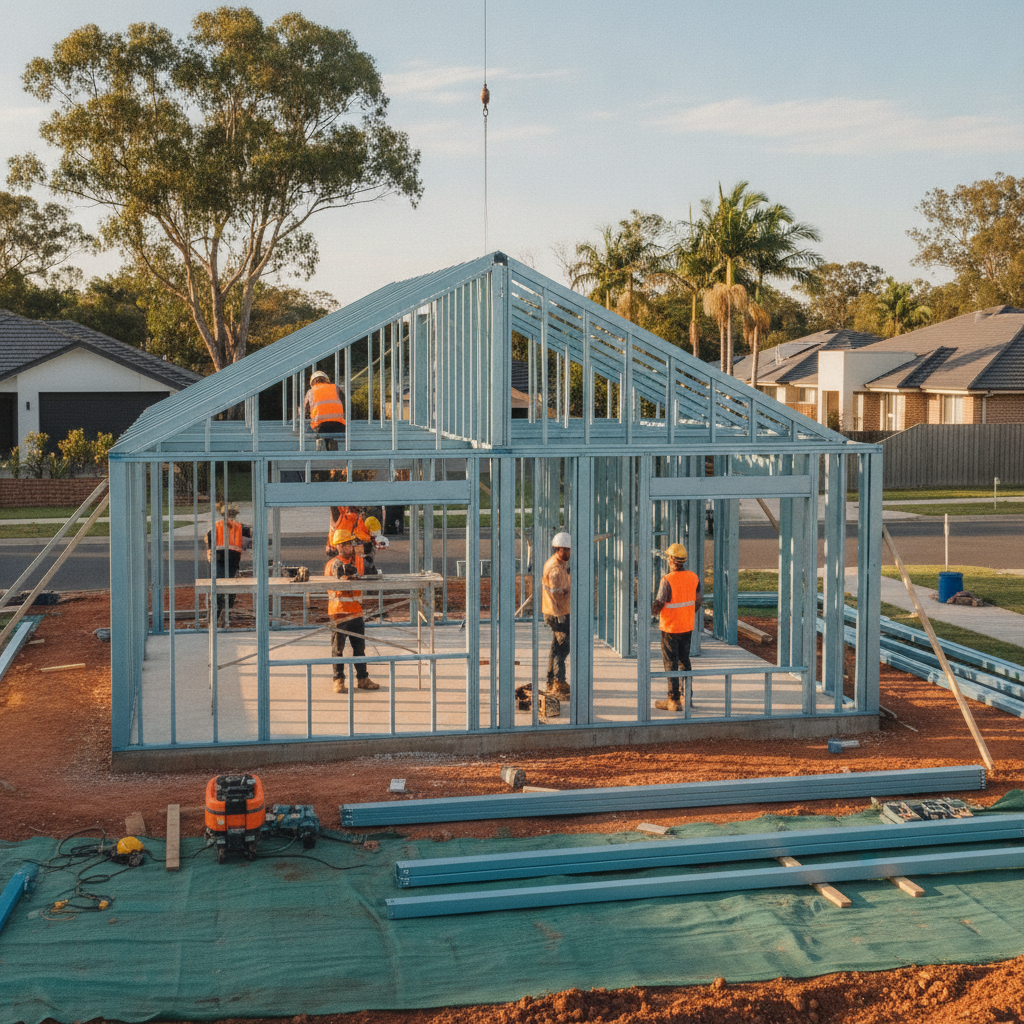
This is where the kit home model shines within the current housing trend. By having a complete package, including the TRUECORE steel frames, roofing, cladding, and windows, delivered to the site in one or two streamlined deliveries, homeowners bypass many of the logistical hurdles that stall traditional builds. It allows the modern professional to take on the role of the owner builder, managing their project while maintaining their career from a laptop.
Why Steel Frames are the Backbone of Regional Success
In the harsh Australian landscape, building for longevity is essential. When you move to a rural property, you are often dealing with environmental factors like termites, extreme heat, and varying wind loads. This is why steel frame construction has become a staple of the high quality kit home industry.
Steel frames are inherently termite proof, which is a massive consideration for properties situated near bushland. Furthermore, steel is non-combustible, providing a robust skeleton for homes in areas where fire safety is a priority. For the owner builder, the precision of steel is a game changer. Unlike timber, which can warp or twist if left exposed to the elements during the build, steel remains straight and true. This ensures that when it comes time to install your doors and windows, everything fits perfectly the first time.
Designing for the Landscape: Beyond the Basic Box
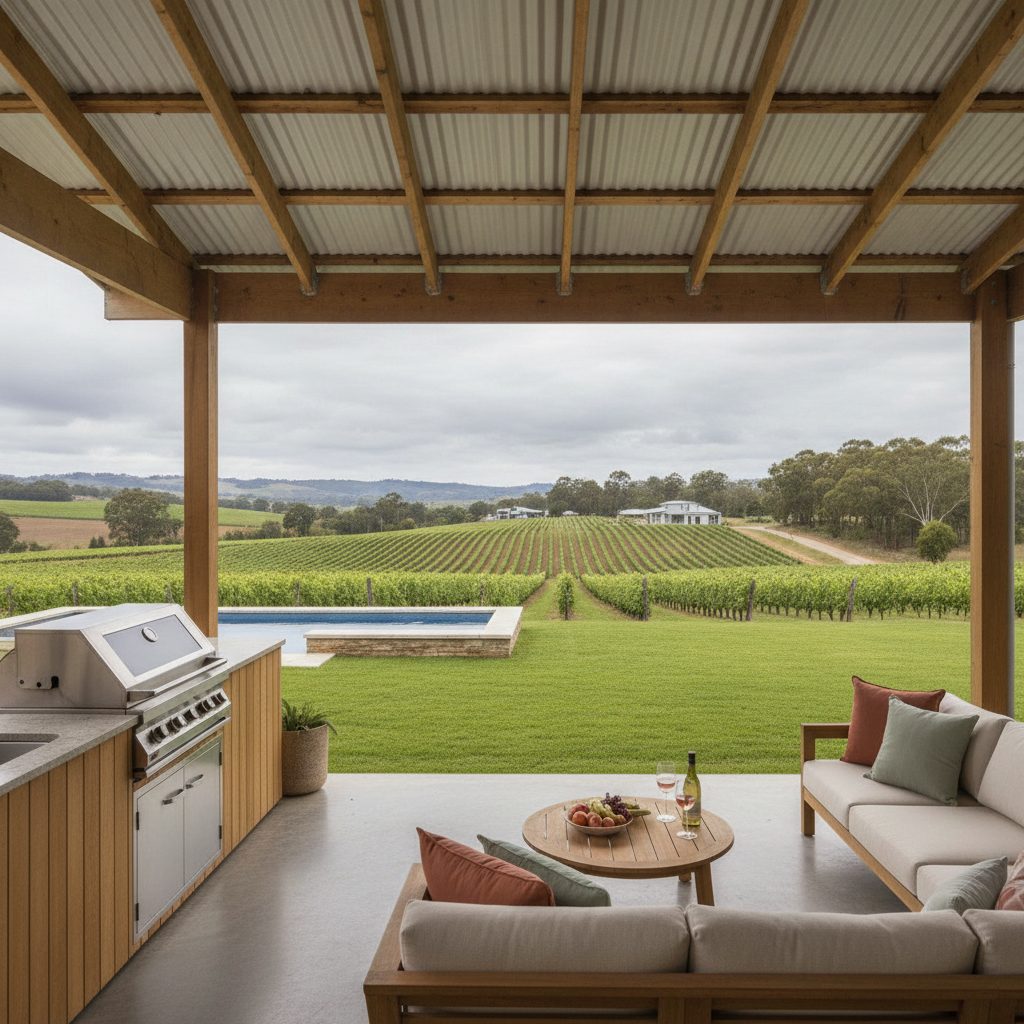
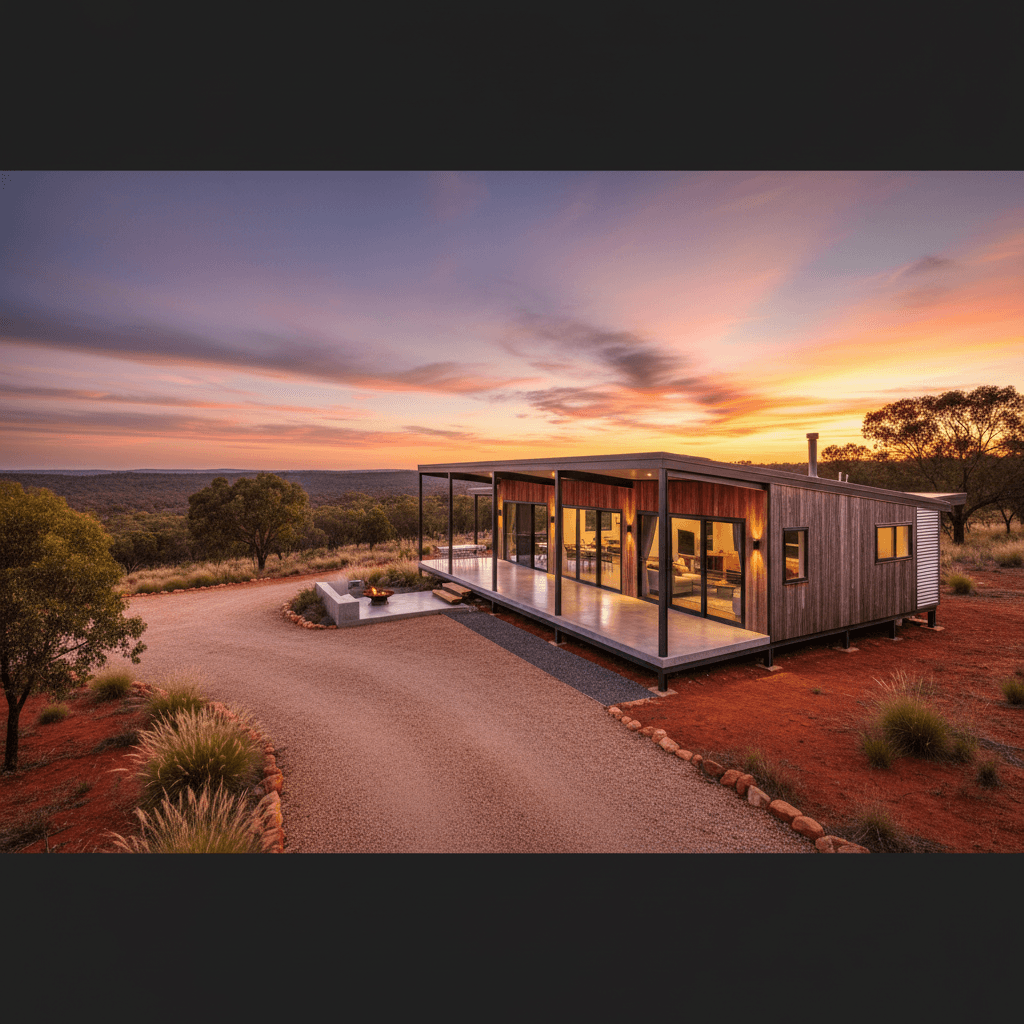
Today's kit homes are a far cry from the basic sheds of the past. The current trend in Australian housing is centered around "Biophilic Design," or the idea of bringing the outdoors in. In a rural setting, this means large spans of glass, open plan living areas that flow onto expansive decks, and high ceilings that mimic the sense of space outside.
Practical Tips for Designing Your Rural Kit Home:
- Orientation is Everything: Position your home to take advantage of passive solar heating. In Australia, this generally means facing your main living areas and largest windows toward the north to soak up the winter sun.
- The Mudroom Essential: If you are moving to a rural block, a mudroom is not a luxury, it is a necessity. Designing your kit home with a dedicated entry point for boots and coats will keep the rest of your sanctuary clean.
- External Colours: Trending palettes currently favour earthy tones that blend with the bush, such as deep greens, eucalypt greys, and classic Colorbond shades like Woodland Grey or Ironstone.
The Owner Builder Journey: Taking Control of the Process
Becoming an owner builder is a path that many Australians are choosing to ensure they get exactly what they want out of their home. When you purchase a kit, you are essentially buying the "shell" and the "skin" of the house. This leaves the exciting parts, the cabinetry, the flooring, the lighting, and the landscaping, entirely up to your personal taste.
For those considering this route, preparation is the key to a stress free build. You will need to arrange your own site works, including the slab or sub floor, and coordinate licensed trades for the plumbing and electrical work. While the kit provides the building blocks, your vision provides the soul.
Technical Insight: Why Precision Engineering Matters
One of the reasons kit homes have surged in popularity is the move toward precision engineering. Modern kits are designed using advanced software, ensuring every hole is pre-punched and every member is cut to length. This drastically reduces the waste on site, which is not only better for the environment but also makes the site much easier to manage for an owner builder. When your frames arrive, they are like a giant, sophisticated puzzle. Having a structure that goes up quickly and accurately allows you to get the home "lock up" stage faster, protecting your interior materials from the weather.
Lifestyle Shifts: The Home Office is Now the Heart
In a city apartment, the home office is often a corner of the bedroom or a kitchen stool. In a rural kit home, the office is a dedicated zone. We are seeing a trend where homeowners prioritize the "study" as much as the master bedroom. This means incorporating large windows that look out over the property, providing a mental break from the screen, and ensuring the insulation in the walls is top notch to provide a quiet, thermally stable environment for those all day Zoom calls.
Managing a Build in a Remote Area
If you are building in a remote area, communication and planning are your best friends. Here are some owner builder tips specifically for regional projects:
- Local Knowledge: Engage with local trades early. Even if you are managing the project yourself, having a local plumber or electrician who knows the specific conditions of the area is invaluable.
- Storage Solutions: Ensure you have a secure, dry place on site to store components of your kit that aren't being installed immediately, such as your insulation batts or internal doors.
- Access and Delivery: Always check that a large delivery truck can actually get to your building site. Rural tracks can be narrow or boggy, so site preparation should include a solid access road.
The Sustainability Factor
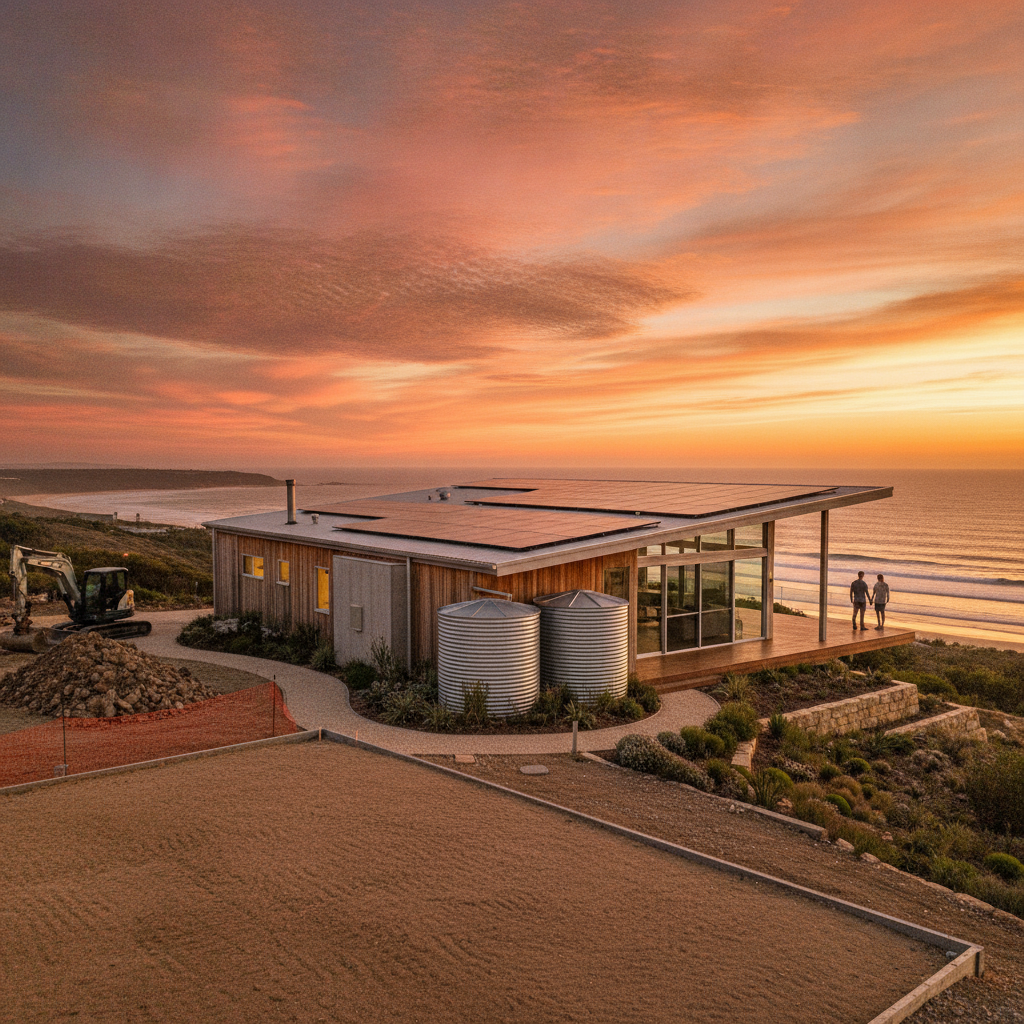
Building in the country often comes with a desire to live more sustainably. Steel is a highly recyclable material, and the efficiency of the kit home delivery process reduces the carbon footprint associated with multiple small trips from hardware stores. Many owner builders are also using the flexibility of the kit home design to incorporate off-grid systems, such as solar arrays and large scale rainwater harvesting, making their rural escape as self-sufficient as possible.
Conclusion: Your Future, Your Build
The Australian housing market is evolving, and the trend toward regional living shows no signs of slowing down. As more people realize they can maintain a successful career from a beautiful home in the bush, the demand for high quality, durable, and well designed kit homes will only continue to grow. By choosing a kit home, you aren't just building a house, you are taking charge of your future, embracing the challenge of the owner builder journey, and creating a sanctuary that fits your new, unrestricted lifestyle.
Whether it is the termite resistance of a steel frame, the thermal efficiency of modern insulation, or simply the joy of watching your vision come to life on a quiet piece of Australian land, the kit home path offers a unique and rewarding way to come home.