The New Australian Dream: From the CBD to the Great Outdoors
For decades, the Australian lifestyle was defined by the daily commute to a city office. However, a significant shift has occurred in our national housing landscape. The rise of remote work has untethered thousands of Australians from the city grid, sparking a movement toward regional and rural living. This exodus to the bush and the coast has revived interest in a classic Australian building tradition: the kit home.
As we look at current Australian housing trends, it is clear that the modern kit home is no longer just a basic shack. Today, it represents a sophisticated, high-quality solution for people who want to transition to a lifestyle that prioritizes space, nature, and self-sufficiency. With the freedom to work from anywhere, homeowners are choosing to build on larger blocks of land where they can design a residence that truly reflects their values.
The Intersection of Technology and Tradition
The beauty of the current remote work era is its harmony with the kit home model. While digital infrastructure like starlink and improved regional NBN have made it possible to stay connected, advanced building technologies have made it easier to construct high-quality homes in remote areas. At the heart of this trend is the use of high-tensile steel frames, specifically products like TRUECORE steel by BlueScope. This material choice is especially relevant for rural Australian environments, where factors like termites, fire safety, and long-term durability are non-negotiable.
Building a home in a regional area comes with its own set of logistical hurdles. Transporting bulky materials can be expensive and complex. This is where the kit home model shines. By providing a streamlined package that includes the frame, roofing, cladding, windows, and doors, the process becomes much more manageable for those looking to build their own sanctuary away from the hustle of the city.
Why Steel Frames are Dominating Rural Builds
When you are building in the Australian bush, you have to respect the elements. This is why we are seeing a major trend towards steel-framed kit homes. Steel offers several critical advantages that align perfectly with the needs of rural owner-builders:
- Precision Engineering: Steel frames are manufactured to exact specifications. They are straight, true, and will not warp or twist over time. This makes the assembly process much smoother for those managing their own construction.
- Termite Resistance: In many parts of regional Australia, termites are a constant threat. Because steel is 100 percent termite-proof, it provides homeowners with peace of mind and reduces the need for harsh chemical treatments.
- Fire Safety: While no home is completely fireproof, a non-combustible steel frame provides an extra layer of protection and structural integrity in bushfire-prone zones.
- Lightweight Strength: Steel has an incredible strength-to-weight ratio, which simplifies the logistics of delivery and onsite handling.
Practical Tips for Potential Kit Home Buyers
If you are considering making the leap to a regional kit home, preparation is the key to success. Here are some actionable tips to help you navigate the journey:
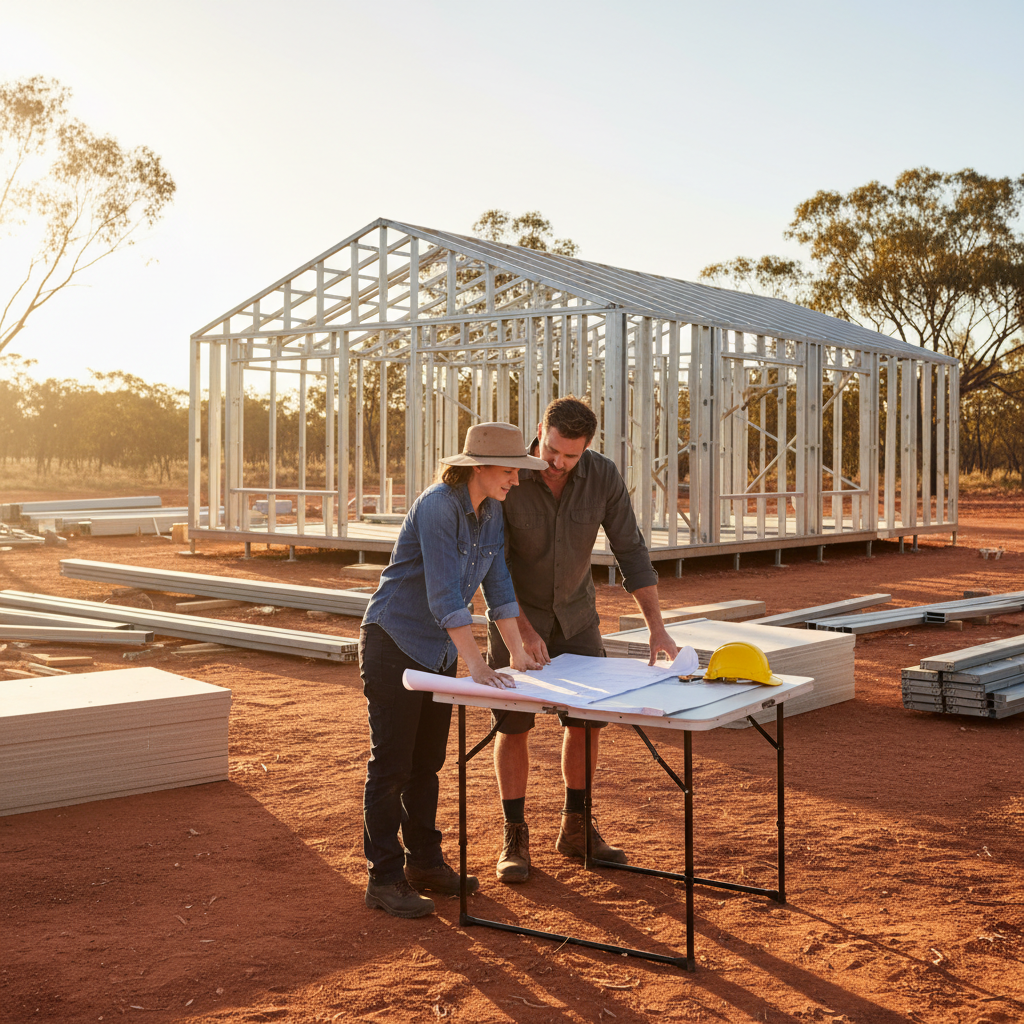
1. Understand the Owner-Builder Path: Choosing a kit home often means stepping into the role of an owner-builder. This involves more than just swinging a hammer. You will be responsible for obtaining relevant permits, arranging site works, coordinating trades like plumbers and electricians, and managing the final fit-out. It is a rewarding path, but it requires organizational skills and a willingness to learn.
2. Research Council Requirements: Every local council in Australia has different regulations regarding land use and building codes. Before you fall in love with a specific design, check with your local council about zoning, setbacks, and any specific requirements for your block of land.
3. Site Access is Crucial: While the kit arrives in a neat package, you still need to ensure that a large truck can access your site. If your dream rural block is at the end of a winding, narrow dirt track, you will need to plan for this well in advance.
4. Design for the Aspect: One of the best parts of rural living is the view. When choosing your kit home layout, consider the orientation of the sun. Position your living areas to take advantage of natural light in winter and use shading to keep the home cool during the Australian summer.
The Lifestyle Benefits of Rural Kit Homes
The trend towards regional kit homes is fueled by a desire for a better quality of life. For many, this means having room for a home office that actually has a window overlooking a garden rather than a brick wall. It means having the space for a vegetable patch, an orchard, or simply a place for the kids to run around.
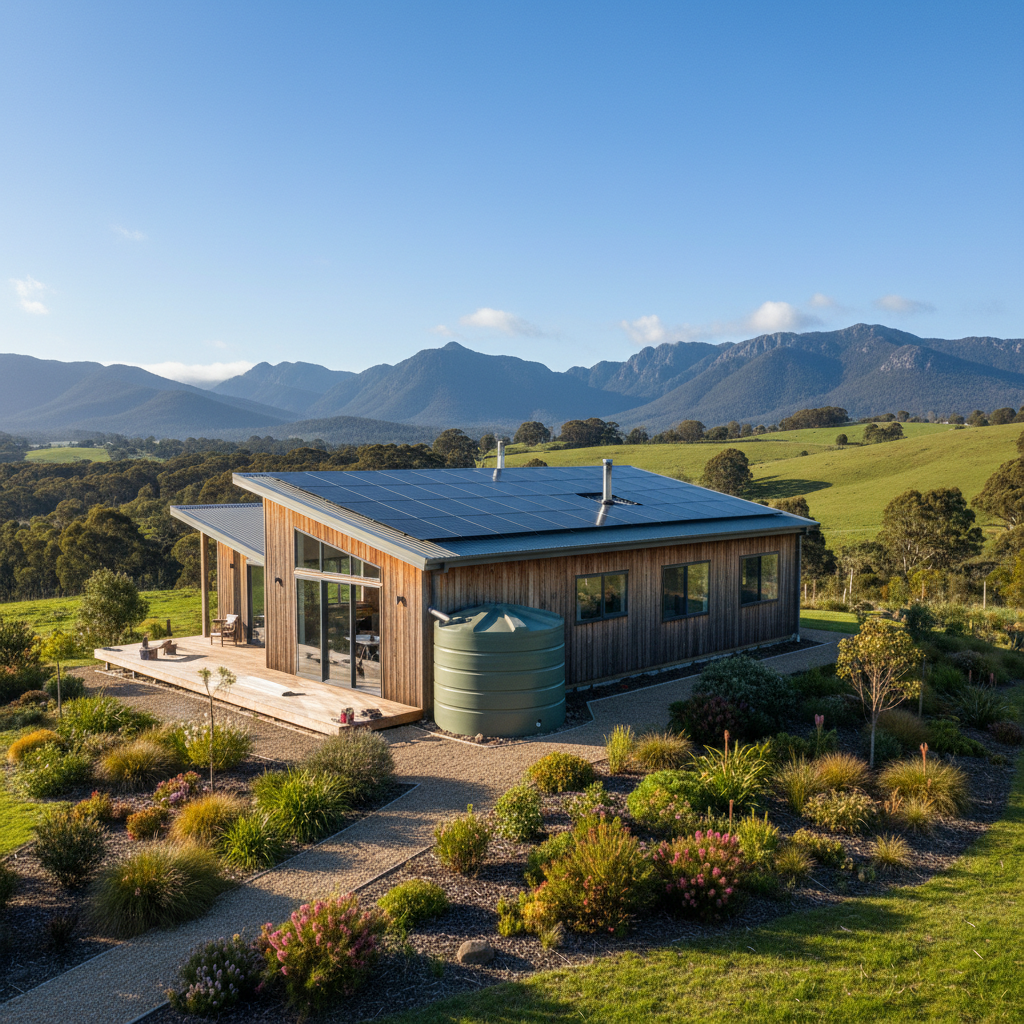
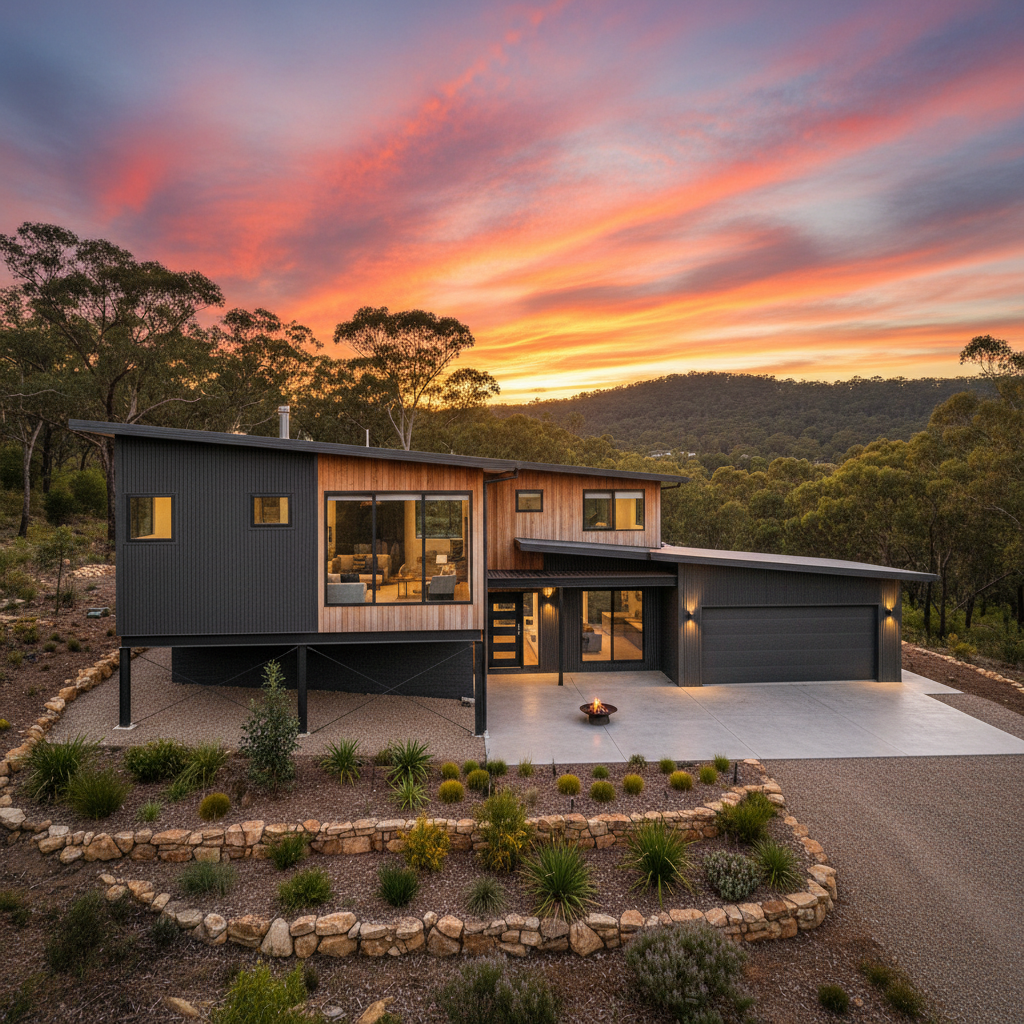
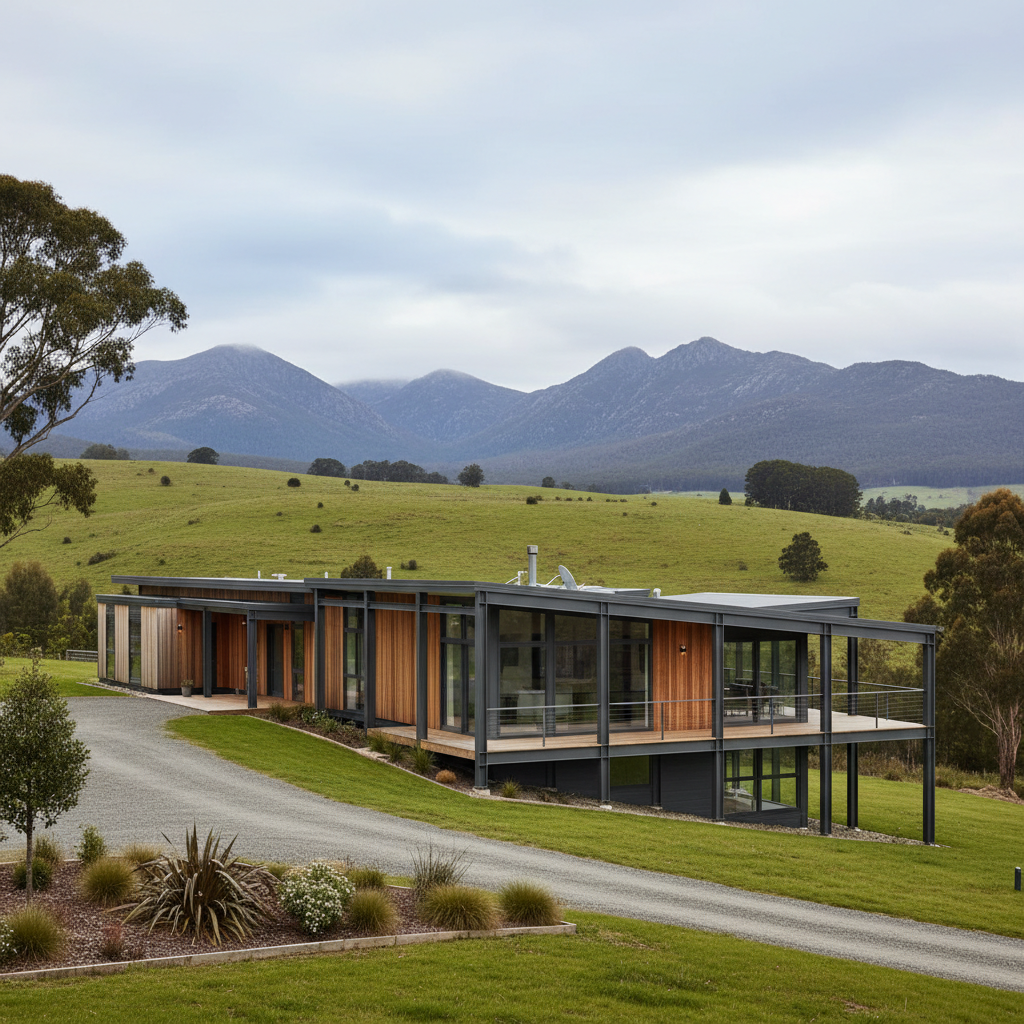
Modern kit home designs have evolved to mirror these lifestyle needs. Open-plan living areas, large floor-to-ceiling windows, and expansive deckings are common features. These designs bridge the gap between the indoors and the beautiful Australian landscape, creating a sense of tranquility that is hard to find in a suburban cul-de-sac. When you combine these design elements with the structural reliability of a steel frame, you get a home that is built for the long haul.
Owner-Builder Tips: Getting Your Hands Dirty
For those taking the DIY route, managing the project can be one of the most fulfilling experiences of your life. Success comes down to the details. Here are some hands-on tips for managing your build:
- Maintain an Organized Site: A clean site is a safe site. Organize your materials as they arrive and ensure they are protected from the weather where necessary.
- Build Strong Relationships with Trades: Even as an owner-builder, you will need licensed professionals for things like electrical and plumbing work. Find reliable local tradespeople early in the process and communicate your timelines clearly.
- Stay Flexible: Building in regional areas can sometimes lead to unexpected delays, whether it is weather-related or logistical. Having a flexible mindset will help you navigate these challenges without losing your cool.
- Leverage the System: The brilliance of a kit home is that it is a system. Follow the provided assembly instructions meticulously. Because components like the steel frames are pre-punched for services, it makes the job much easier for your trades later on.
Final Thoughts on the Future of Australian Housing
The Australian housing market will always be evolving, but the current trend toward regional kit homes is more than just a passing fad. It is a reflection of a permanent change in how we work and what we value. By choosing to build a kit home, Australians are taking control of their housing destiny, opting for customizability, quality materials like BlueScope steel, and the undeniable peace of the countryside.
Whether you are a seasoned DIY enthusiast or someone simply looking for a better way to live, the kit home model offers a practical and rewarding path to homeownership. It allows you to build a home that is as rugged and beautiful as the land it sits on, while providing a modern workspace that keeps you connected to the world.
If you are ready to trade the traffic jams for birdsong and the office cubicle for a home office with a view, a rural kit home might just be the perfect solution for your next chapter.