The Backyard Revolution
Walk around any typical suburb in Penrith or Pimpama right now and you'll hear the same sound. It is the rhythmic whine of a cordless impact driver sinking screws into blue-tinted steel. The Australian backyard is changing. We used to be obsessed with the quarter-acre block and a patch of buffalo grass that took three hours to mow every Saturday arvo. Now, people are looking at that wasted space and seeing opportunity. The granny flat has grown up, and frankly, it's about time.
State governments have finally started pulling their heads in when it comes to planning codes. In places like NSW and Queensland, the red tape for secondary dwellings has been slashed. You don't always need a full-blown DA if you meet specific site requirements. This shift has pushed kit homes to the front of the queue. People want a way to get a roof over a slab quickly, and they want to manage the process themselves. They want a structure that won't get chewed by termites or warp when the humidity hits 90 percent in January.
Steel is the Backbone
If you're building a secondary dwelling in Australia, you're fighting two main enemies: bugs and fire. This is why we've seen a massive swing towards TRUECORE steel frames. It's not just a branding thing. Steel is straight. It stays straight. When you're an owner-builder trying to hang internal doors or fit off architraves, you quickly realize how much a wonky timber stud can ruin your day. If the frame is out by 5mm, your kitchen cabinets won't sit flush. It's that simple. Steel fixes that headache before it starts.
But it's not just about the ease of the build. In many parts of the country, Bushfire Attack Level (BAL) ratings are the decider. If you're building in a BAL-40 or BAL-FZ zone, timber is a nightmare to get approved and even harder to build with. Steel frames and metal roofing give you a head start on meeting those AS 3959 requirements. Plus, there is zero chance a termite is going to make a meal out of a steel kit home while you're away on holiday.
What the Kit Actually Gives You
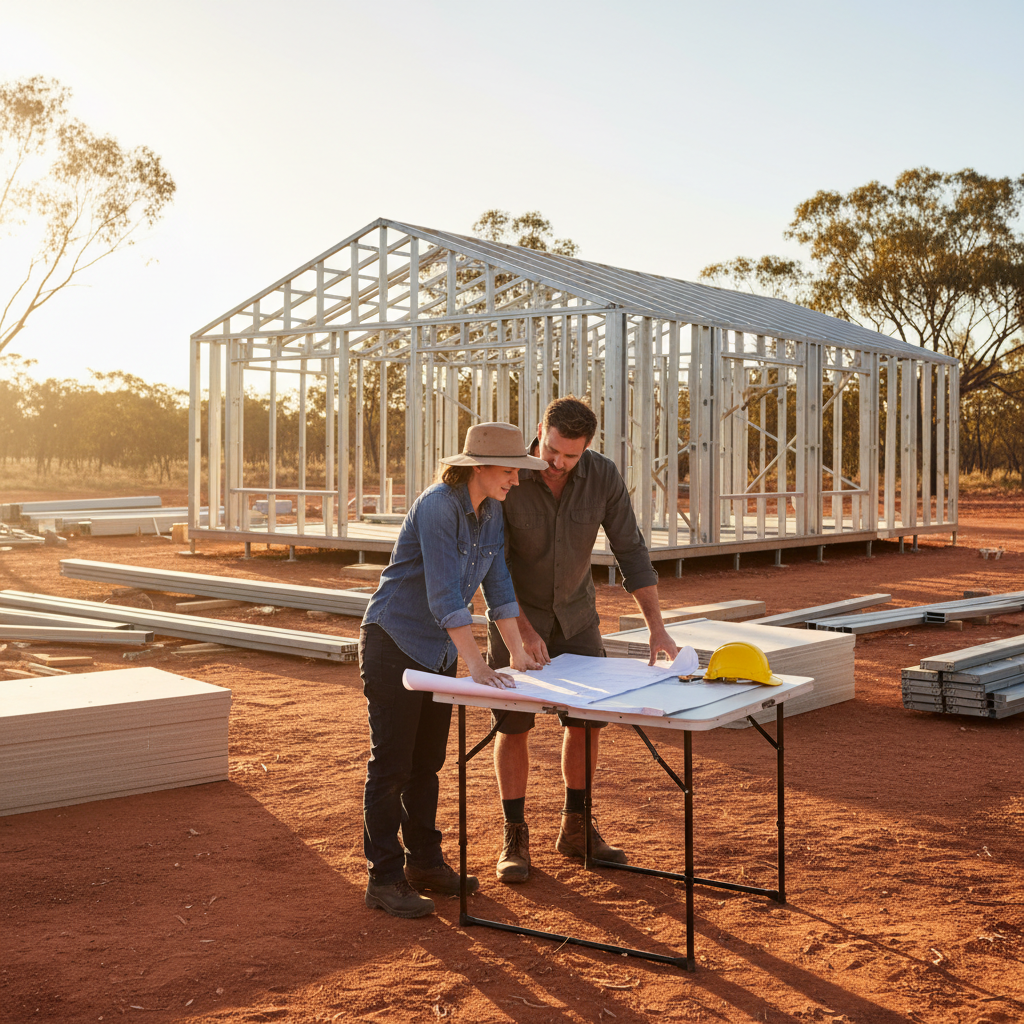
There is a lot of noise about what a kit home actually is. Let's be blunt. You aren't buying a finished house that drops out of the sky. You are buying the skeleton and the skin. Most kits, like the ones we work with, include the steel wall frames and roof trusses, the Lysaght roofing, external cladding, windows, and doors. The kit arrives on a truck, usually in a few big deliveries, and it's up to you to have the slab ready and the trades lined up.
I saw a guy in Toowoomba try to wing it last year. He didn't check his slab dimensions against the frame layout before the stirrups were set. He spent three days grinding concrete and swearing. Don't be that guy. You need to be across every detail of your site works before the first steel member is even bolted down. Building a kit is about logistics. You're the project manager. You need to know when the plumber needs to come in for the rough-in and when the insulation batts need to be on site. Timing is everything.
Designing for Small Spaces
The trend right now isn't just about putting a box in the backyard. People are getting clever. We're seeing a lot of 60-square-metre designs that feel twice that size. The secret lies in the ceiling height and the glass. Because steel frames have a high strength-to-weight ratio, you can often run wider spans or taller windows without needing massive, expensive lintels.
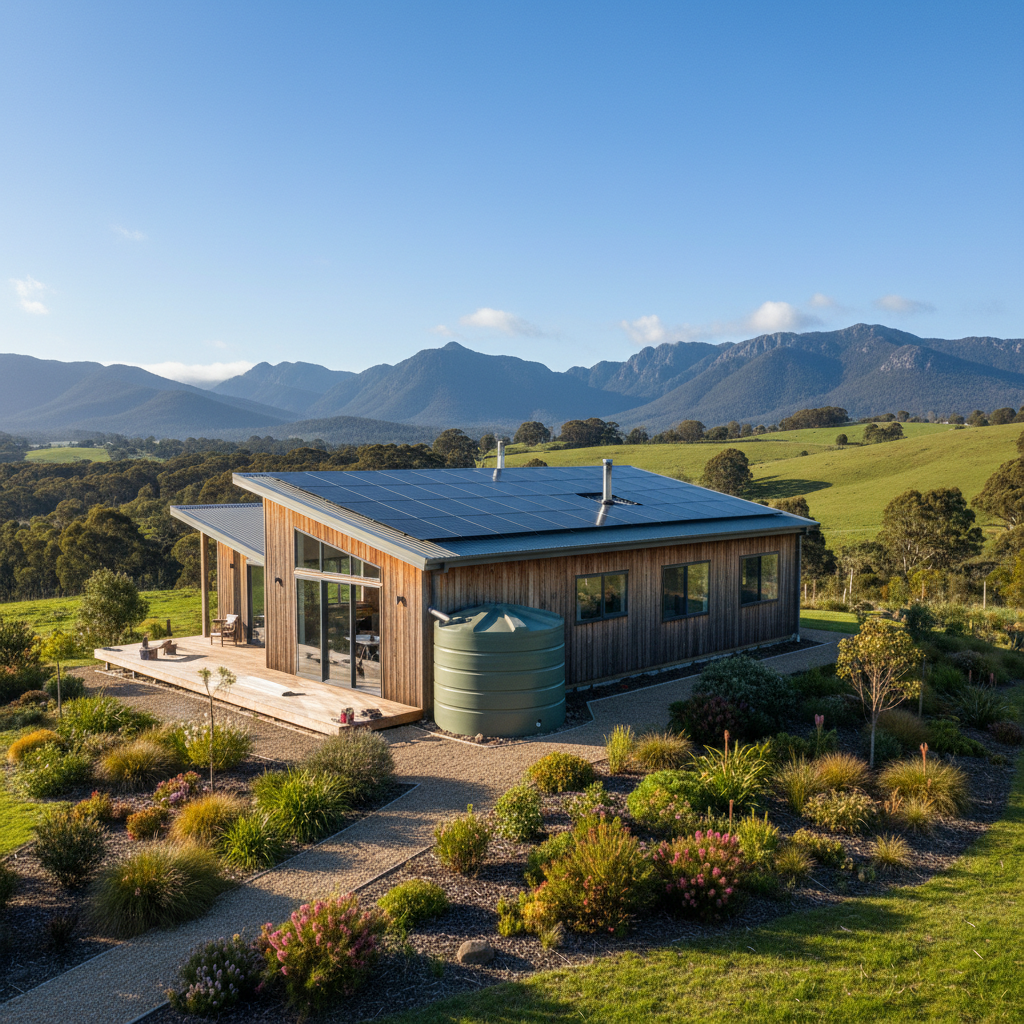
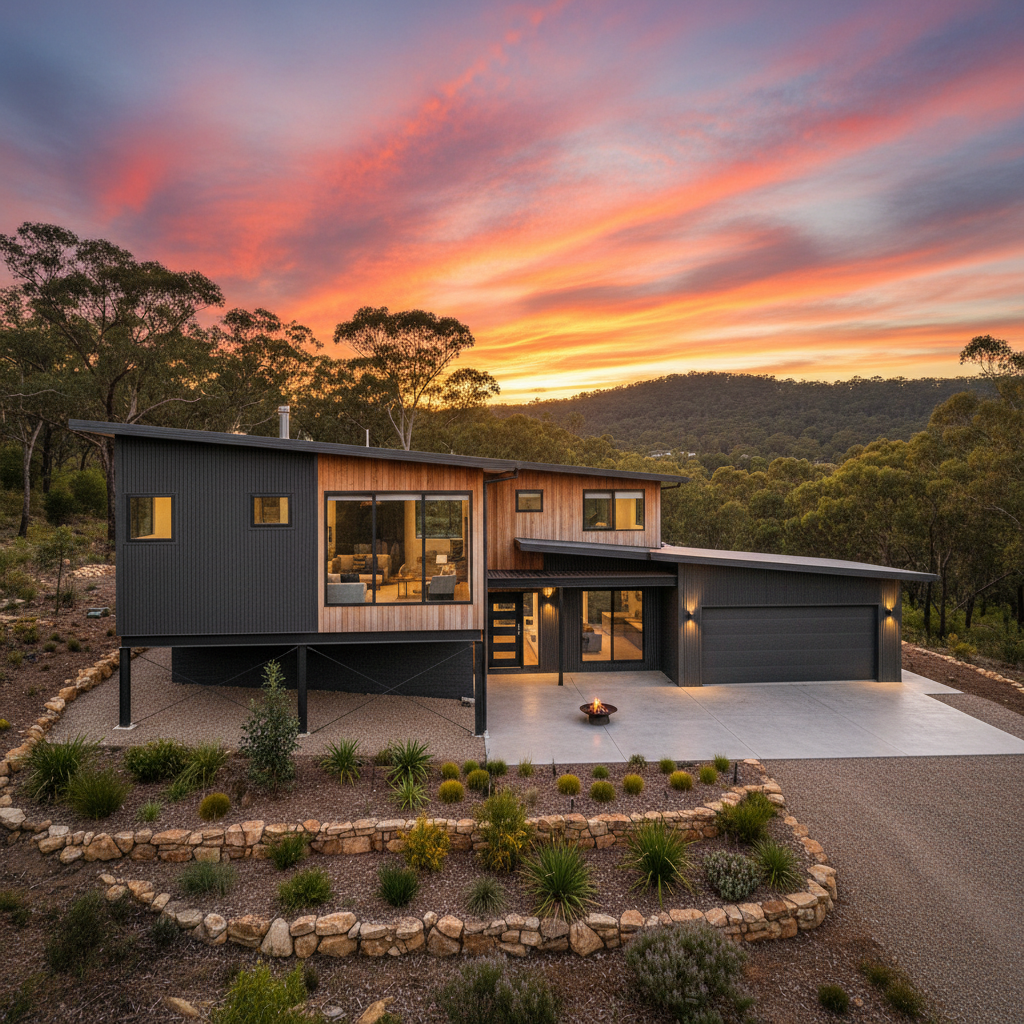
Go for a skillion roof. It looks modern, it's easier to install than a complex hip and valley roof, and it allows for highlight windows. Those high windows let the winter sun in over the top of the main house, which is huge when you're tucked in a backyard. And please, think about your eaves. I see too many modern builds with no overhangs. In the Australian sun, you'll bake. A 450mm or 600mm eave makes a world of difference to your cooling bills.
The Owner-Builder Reality Check
Let's talk about the actual work. Being an owner-builder is rewarding, but it's not a walk in the park. You'll need your White Card and, depending on your state, you'll need to complete an owner-builder course. It's a few hundred bucks and some hours of your life, but it's the law. Once you have that permit, you're the boss.
One tip: build a relationship with a local sparky and plumber early. Like, before you even order the kit. Trades are busy. If you call them on a Thursday asking for a rough-in on Friday, they'll laugh at you. Show them your plans, tell them it's a steel frame kit, and ask how they prefer to work with steel. Most modern trades are used to it, but some older blokes still carry on about it. Find the ones who know their way around a grommet and a tek screw.
Site Access and Logic
Before you get excited about that 2-bedroom design, look at your side gate. If a truck can't get to the backyard, you're carrying every single frame, sheet of cladding, and window by hand. Or paying for a crane. I've seen builds where the crane hire ended up costing more than the windows because the access was a nightmare. Clear the path. Take down a fence panel if you have to. It'll save you thousands in labor and frustrated delivery drivers.
And check your services. Where is the sewer? If the main line is on the other side of the property and you have to dig a trench through 40 meters of rock, your 'cheap' backyard flat just got very expensive. Get a plumber out to do a site inspection before you commit to a footprint. They can 'wand' the lines and tell you exactly what you're up against underground.
Sustainability isn't just a Buzzword
People are choosing steel because it's 100 percent recyclable, which is great, but the real sustainability is in the longevity. A well-built steel kit home, properly insulated with a good thermal break, will last 50 years with bugger-all maintenance. Use high-quality insulation. Don't skimp here. Because steel conducts heat, you need that thermal break between the frame and the cladding. It's not just a good idea, it's often a NCC requirement. Combine that with some double-glazed windows and a decent solar array on that north-facing skillion roof, and you've got a dwelling that's nearly free to run.
We're seeing more people use these spaces for multi-generational living. It's the 'sandwich generation' - parents with kids who can't afford the Sydney or Melbourne rental market and elderly parents who want to stay close but keep their independence. A kit home lets you solve that problem on your own terms. You aren't at the mercy of a volume builder's six-month delay list. You set the pace.
It's a big project. You'll have days where you're standing in the rain, covered in mud, wondering why you didn't just book a holiday instead. But then the roof goes on. The windows go in. You stand back and realize you've built a permanent, high-quality home with your own two hands (and a few good trades). That's a feeling you don't get from buying off the plan. The backyard flat isn't just a trend. It's a practical response to how we live now. And if you do it right, with a solid steel frame and a bit of common sense, it's the smartest move you'll ever make on your property.