The Backyard Revolution: Australia's New Love Affair with Secondary Dwellings
There is a quiet revolution happening in backyards from Brisbane to Perth. If you have taken a stroll through your local neighbourhood lately, you have likely noticed a shift in the traditional Australian quarter-acre block. Where there used to be just a hills hoist and a patch of grass, we are now seeing the rise of stylish, standalone secondary dwellings. Often referred to as granny flats, these versatile structures are no longer just for Nan. They have become the Swiss Army Knife of Australian real estate, serving as home offices, teenage retreats, guest suites, and multi-generational housing solutions.
As our housing needs evolve, the traditional big house on a big block is not always the perfect fit for every stage of life. Australians are looking for more flexibility, more privacy, and more ways to make their land work harder for them. This is where kit homes have stepped into the spotlight. By offering a streamlined way to get a high quality building on-site without the complexities of a traditional bespoke build, kit homes are empowering a new generation of owner builders to transform their properties.
Why Now? The Multi-Generational Shift
The Australian dream is being redefined. For many families, the desire to stay close to loved ones while maintaining independence is a top priority. We are seeing a significant trend toward multi-generational living. Young adults are staying at home longer while they save, and aging parents are looking to downsize without moving into a retirement village. A secondary dwelling provides the perfect middle ground: proximity for support and socialising, but with a front door and a kitchen of their own.
Beyond family needs, the shift toward remote work has fundamentally changed how we view our homes. The kitchen table was a fine substitute for an office for a month or two, but as flexible work becomes a permanent fixture, Australians are seeking dedicated, professional spaces. A kit home in the backyard offers a psychological and physical boundary between "home life" and "work life" that a spare bedroom simply cannot match.
The Kit Home Advantage for Secondary Dwellings
When it comes to adding a structure to your backyard, the kit home path is increasingly popular for several reasons. Unlike older styles of construction, modern kit homes are designed with the owner builder in mind. They arrive as a coordinated package, which simplifies the logistics of a backyard project significantly.
Durability Meets Design
In the Australian climate, durability is not optional. One of the reasons kit homes have become a staple in the secondary dwelling market is the use of high quality materials like BlueScope TRUECORE steel. Steel frames are straight, true, and incredibly resilient. They do not warp or twist over time, meaning those windows and doors will continue to open smoothly for years to come. Plus, in a country where termites are a constant concern, a termite-proof steel frame offers incredible peace of mind for homeowners.
Speed and Control
Choosing a kit home puts the homeowner in the driver's seat. Because the kit includes the essential components like the frames, roofing, cladding, and windows, the "heavy lifting" of the design and procurement phase is already done. This allows owner builders to focus their energy on managing the site works and the final fit-out, often leading to a more personal and satisfying building experience.
Current Design Trends in Australian Granny Flats
Forget the image of a basic garden shed with a window. Today's secondary dwellings are architectural gems that often enhance the value and aesthetic of the primary residence. Here are some of the design trends we are seeing across Australia:
- The Modern Farmhouse: Utilising vertical cladding and gabled roofs to create a timeless, rustic yet contemporary look.
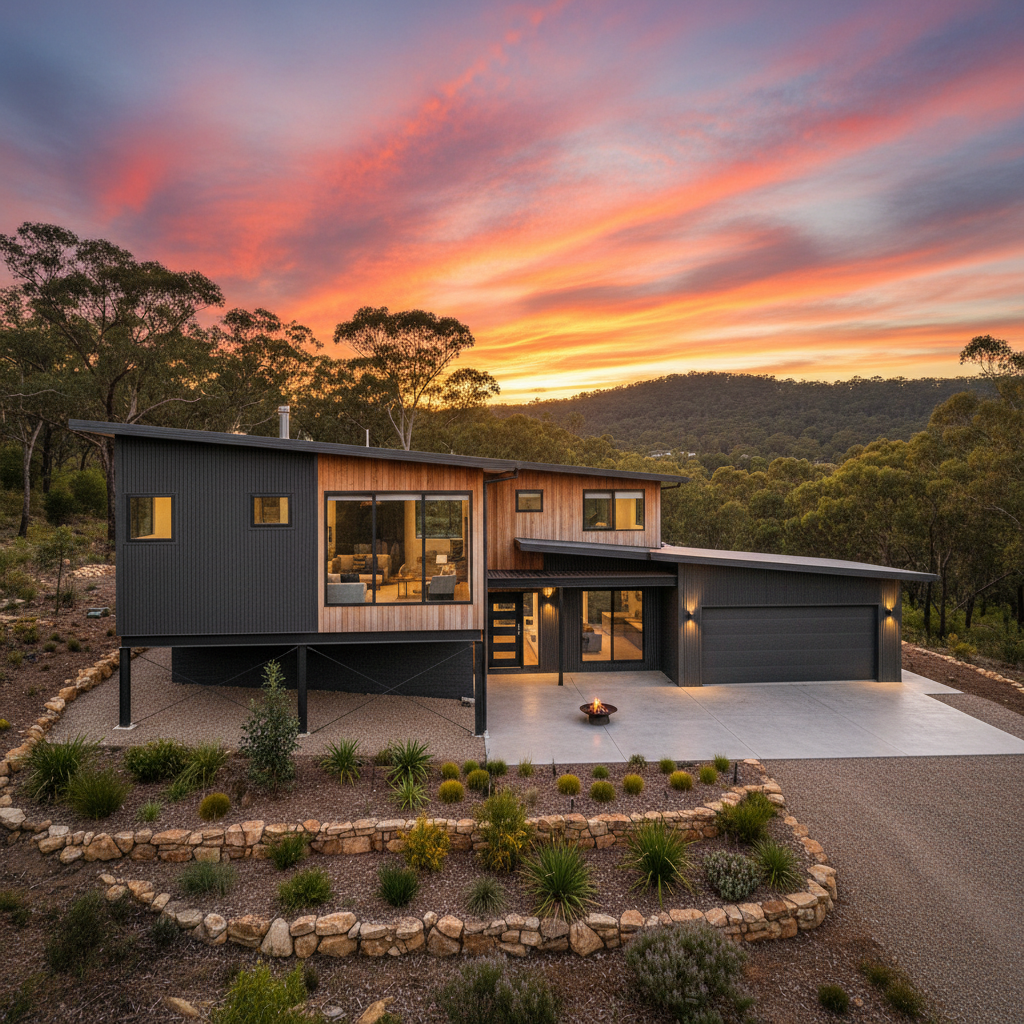
- Industrial Chic: Incorporating dark steel accents and large glass openings to create a sleek, urban feel.
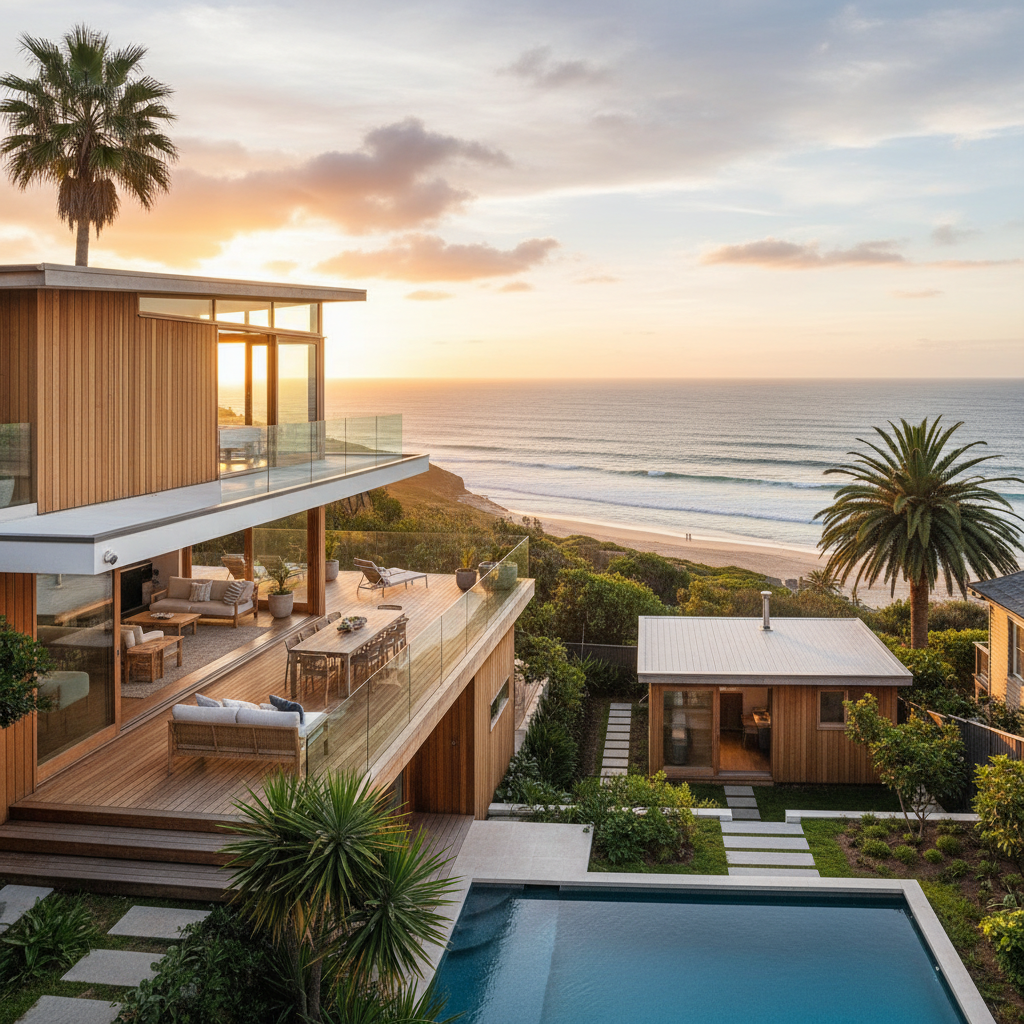
- Coastal Scandi: Light colours, natural textures, and plenty of windows to catch the breeze and the sun.
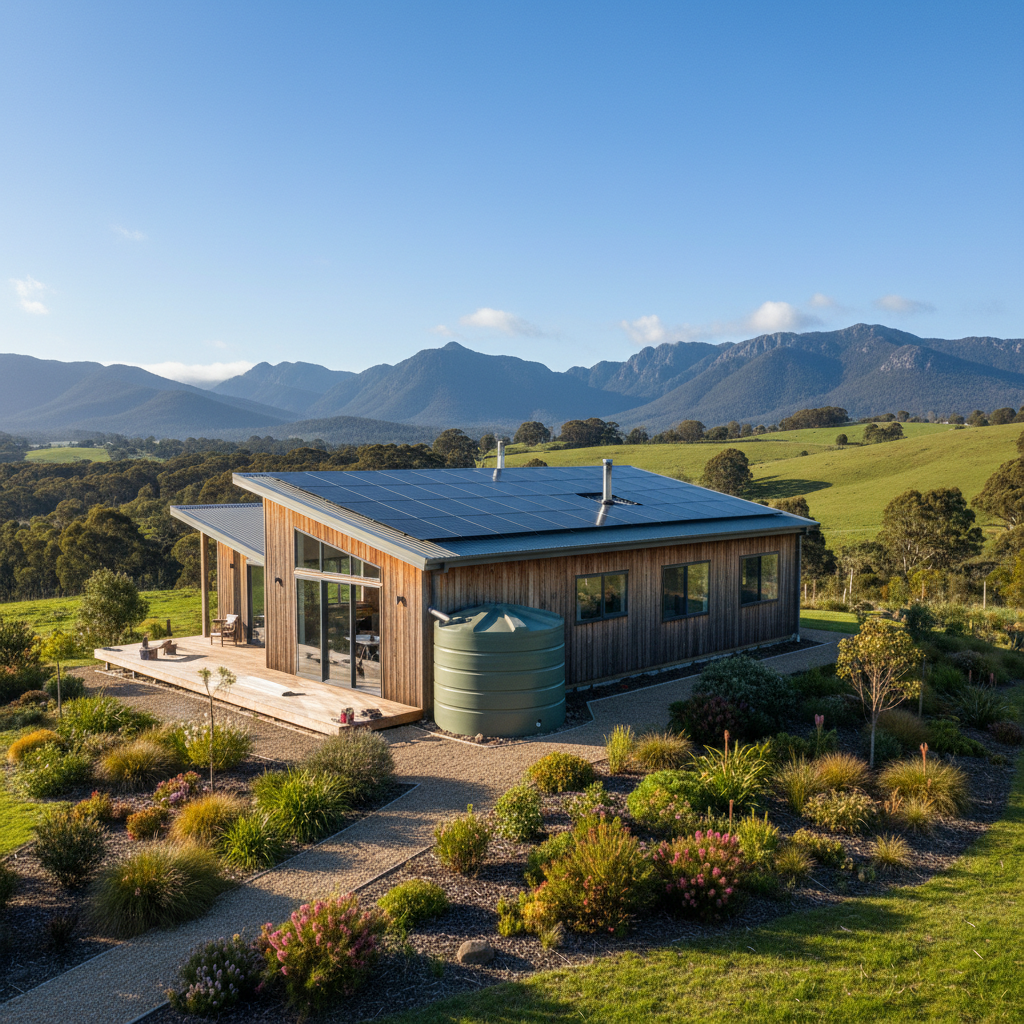
- Sustainable Living: Many owner builders are prioritising high-quality insulation and solar-ready roof designs to ensure their secondary dwelling is energy efficient year-round.
Practical Tips for Potential Kit Home Owners
If you are considering adding a kit home to your property, it is important to go in with your eyes open and a solid plan. Here is some actionable advice to help you get started.
1. Check Your Local Regulations
Before you fall in love with a floor plan, talk to your local council or a private certifier. Every LGA (Local Government Area) has different rules regarding secondary dwellings. Some have strict size limits (often 60 or 90 square meters), while others have specific requirements for setbacks or cladding materials. Knowing what you can and cannot do upfront will save you countless headaches later.
2. Consider Site Access
A kit home arrives on a truck, and the components need to be moved to your backyard. Take a good look at the side of your house. Is there enough room for a delivery? If access is tight, you may need to plan for manual handling or even a small crane. Thinking about the logistics of how materials will move from the street to the build site is a crucial part of the planning process.
3. Invest in Quality Windows and Insulation
Because secondary dwellings are smaller spaces, they can heat up or cool down quickly. Do not skimp on the "skin" of your building. Using high quality windows and the insulation included in your kit properly will ensure the space is comfortable in the height of summer and the depths of winter. This is also where the choice of steel framing shines, as it allows for precise fitment of these components.
Owner Builder Wisdom: Navigating Your Project
Managing your own build is an incredibly rewarding process, but it requires organisation. As an owner builder, you are essentially the project manager. You do not necessarily need to swing the hammer yourself, but you do need to coordinate the trades.
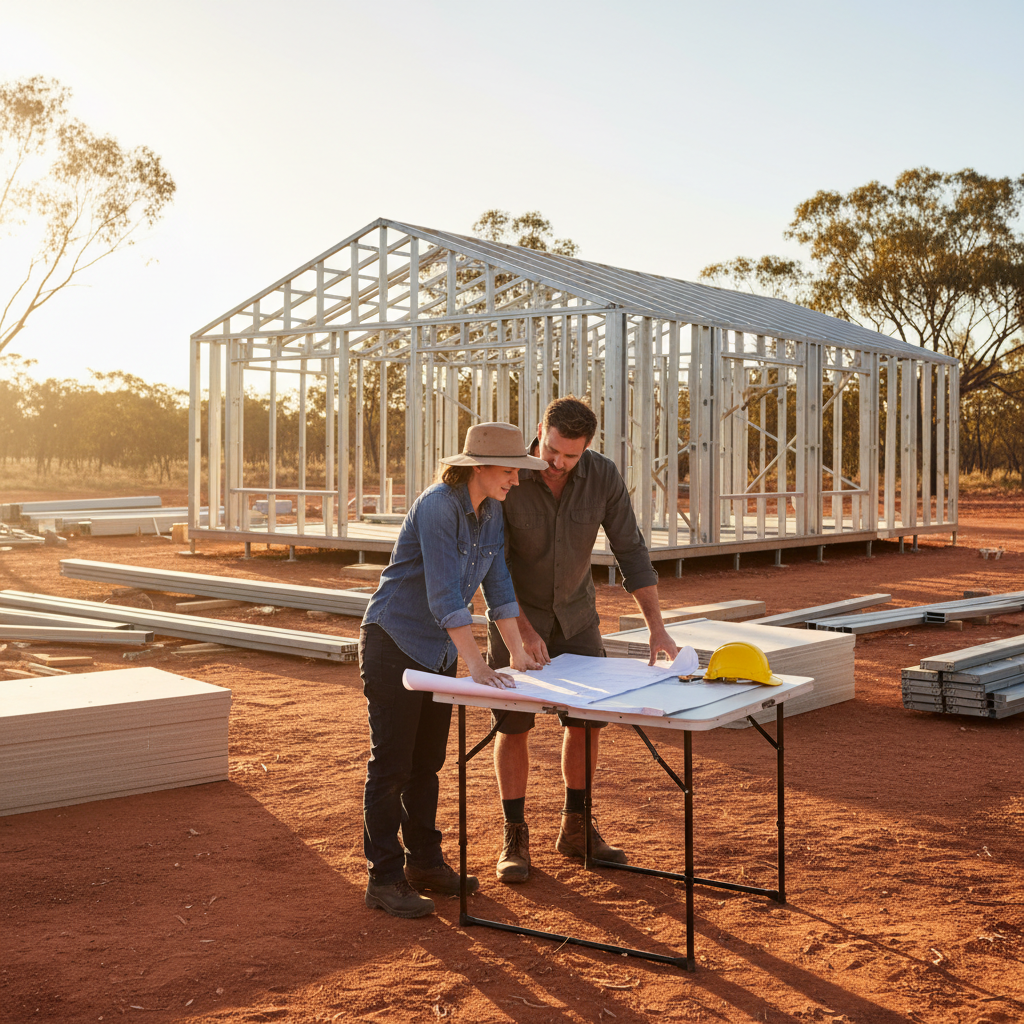
Create a Trade Schedule: Once your kit arrives and your slab is poured, you will need a plumber and an electrician for the "rough-in" (putting pipes and wires through the frames). Then comes the kit assembly, followed by the fit-out. Having a clear sequence of work helps everything run smoothly and avoids trades tripping over each other.
Focus on the Finishings: The beauty of a kit home is that the structural integrity is handled by the supplied frames. This frees you up to focus on the interior design. Spend time choosing your flooring, cabinetry, and tiles. These are the elements that turn a house into a home and reflect your personal style.
The Future of the Aussie Backyard
As our cities become more dense and our lifestyles more varied, the secondary dwelling is here to stay. It represents a move toward smarter, more efficient use of land and a more connected way of living. Whether it is a place for a teenager to gain independence, a quiet spot for a freelancer to create, or a safe haven for an aging parent, the kit home offers a path to achieving these goals with confidence.
The Australian housing landscape is changing, and the trend is clear: we are looking for flexibility, quality, and the pride of building something ourselves. By choosing a kit home that utilizes high-quality Australian steel and thoughtful design, you are not just adding a building to your yard, you are adding a new chapter to your lifestyle.
Conclusion
Building a secondary dwelling is a significant journey, but it is one that thousands of Australians are embarking on every year. It represents a shift toward a more practical and personalised approach to housing. With the right planning, a clear understanding of your local rules, and a quality kit home as your foundation, you can create a space that perfectly suits your needs and adds lasting value to your property. The backyard revolution is well and truly here, and there has never been a better time to be a part of it.