Introduction: The New Era of Australian Home Building
The Australian dream of homeownership is evolving. As traditional construction costs soar and build times lengthen, more Australians are looking toward innovative alternatives. Enter the world of kit homes and modular housing. Once viewed as basic, 'cookie-cutter' options, contemporary kit homes have transformed into architectural, high-quality, and sustainable housing solutions that rival site-built residences.
In this comprehensive guide, we will explore the landscape of modular and kit homes in Australia. Whether you are looking to build a coastal retreat, a rural homestead, or an urban granny flat, understanding the mechanics of these building methods is essential for a successful project.
What is a Kit Home? Understanding the Basics
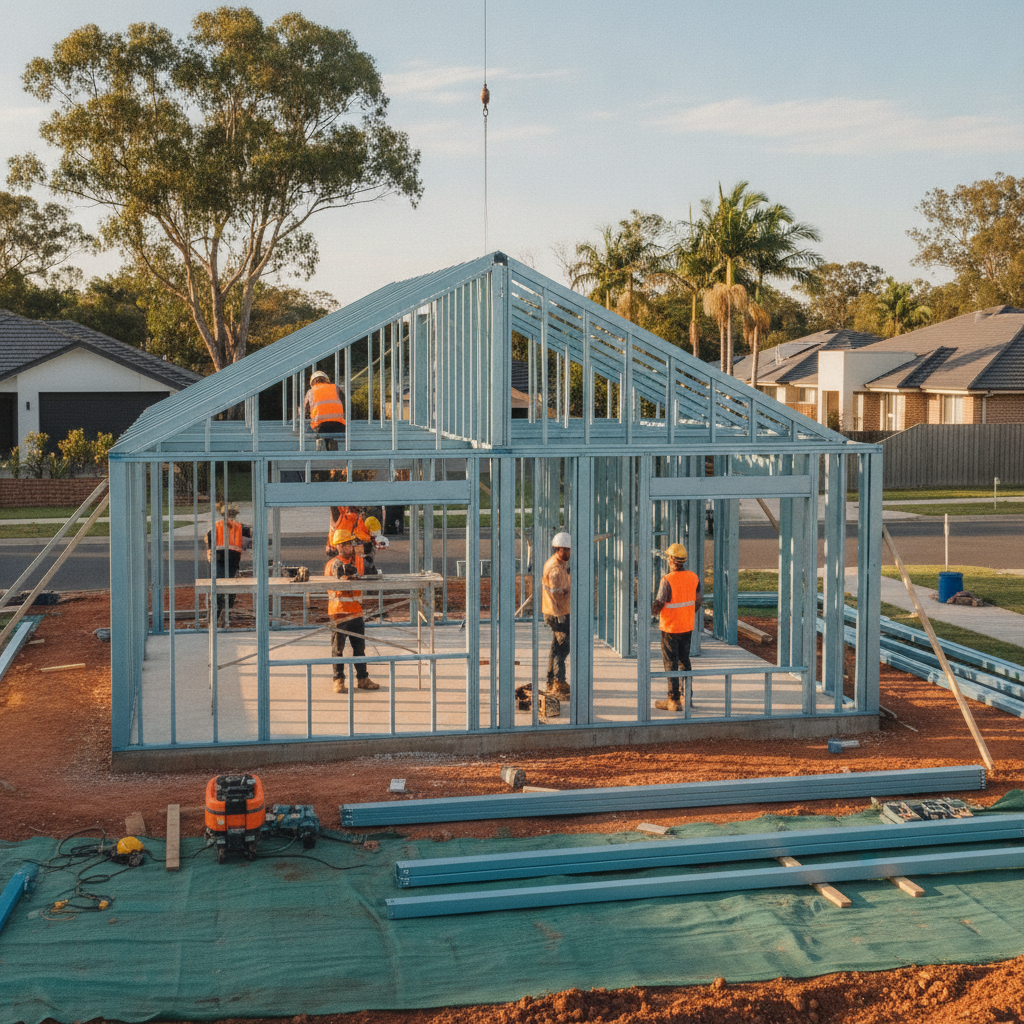
At its core, a kit home is a dwelling where the components are manufactured off-site and delivered to your land in a 'flat-pack' style. Think of it as a large-scale IKEA project for your property. You receive the frame (usually steel or timber), roofing, external cladding, and sometimes the internal fixtures, depending on the package you choose.
It is important to distinguish between a kit home and a modular home:
- Kit Homes: Delivered as parts; you (the owner-builder) or a licensed builder assemble them on-site.
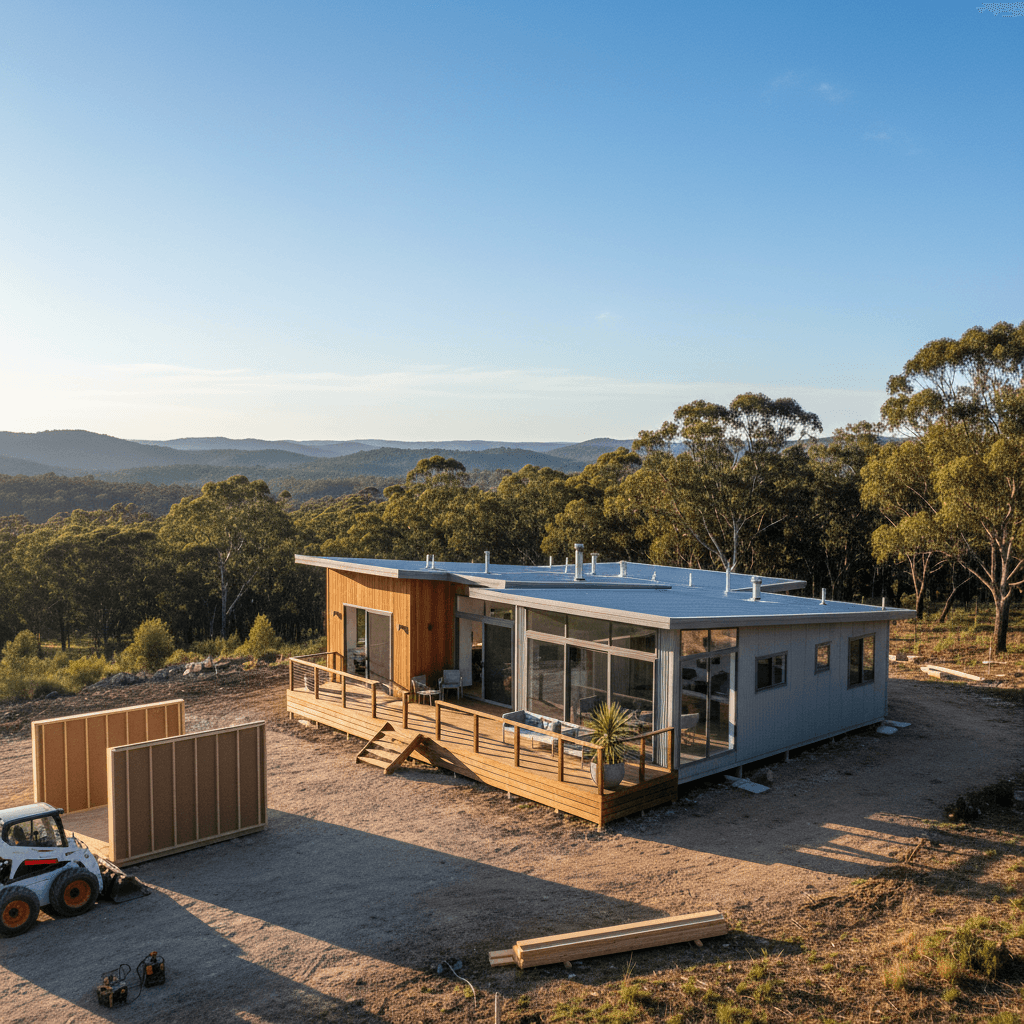
- Modular Homes: Pre-built in sections (modules) in a factory, then transported to the site and craned into position.
The Benefits of Choosing a Modular Home in Australia
1. Cost-Effectiveness and Budget Control
One of the primary drivers for kit homes is the price tag. Because materials are bought in bulk and components are precision-cut in factories, there is significantly less waste. Furthermore, because you are often taking on some of the project management or labor yourself (if you choose the owner-builder route), you can save significantly on builder margins.
2. Speed of Construction
The traditional building process can be plagued by weather delays and trade shortages. Modular homes, built in climate-controlled factories, aren't affected by rain or wind. While your site is being prepared (levelling and foundations), your home is simultaneously being built in a factory. This can shave months off your move-in date.
3. Sustainability and Precision
Modern manufacturing processes allow for incredibly tight tolerances. This means better insulation, fewer drafts, and higher energy efficiency. Many Australian kit home providers now focus on 7-star NatHERS ratings, using sustainable materials that suit our harsh climate.
Navigating Council Approvals and Regulations
A common misconception is that kit homes don't need the same approvals as traditional houses. In Australia, this is false. Whether your home is transported on a truck or built from a kit, it must comply with:
- The National Construction Code (NCC): Ensuring the structural integrity and safety of the building.
- Local Council DA (Development Application): Requirements vary by LGA (Local Government Area). You will need to consider zoning, setbacks, and heritage overlays.
- Bushfire Attack Level (BAL) Ratings: Especially critical in rural Australia, your kit must be designed to meet the specific BAL rating of your land.
Pro Tip: Before buying a kit, speak to a private certifier or your local council to ensure the design is likely to be approved for your specific block.
Key Considerations Before Buying
Site Access
For modular homes, you need to consider the 'logistics' of delivery. Can a large semi-trailer or a crane reach your building site? Overhead power lines, narrow rural tracks, or steep slopes can significantly add to the cost of delivery or even make modular construction impossible.
Inclusions vs. Exclusions
When looking at a kit home price, always check the 'fine print.' Most kits include the 'shell' (walls, roof, windows). However, you often need to budget separately for:
- Foundation and slab construction
- Electrical and plumbing fit-outs
- Floor coverings and painting
- Kitchen and bathroom cabinetry
- Service connections (sewer, water, electricity)
Becoming an Owner-Builder: Is it for You?
Many Australians choose kit homes because they want to be owner-builders. This allows you to manage the trades and do some of the manual work yourself. While this saves money, it comes with heavy legal responsibilities. In most states (like NSW, VIC, and QLD), you must complete an owner-builder course and obtain a permit for works over a certain value (usually $11,000 to $20,000).
Choosing the Right Australian Supplier
The rise in popularity of modular homes has led to a surge in suppliers. To find a reputable one, consider the following:
- Check their history: How long have they been in business? Can they provide local references?
- Material Quality: Do they use Australian-made BlueScope steel or treated timber suitable for Australian pests?
- Customisation: Can they alter the floor plan to suit your site’s orientation for sun and wind?
Financial Planning for Your Kit Home
Financing a kit home can be slightly different from a traditional mortgage. Many banks are hesitant to release funds until there is a 'fixed' structure on the land. You may need a specific Construction Loan. Lenders generally prefer if you are hiring a licensed builder to assemble the kit rather than doing it yourself, as it reduces their risk.
Common Pitfalls to Avoid
To ensure your build goes smoothly, avoid these common mistakes:
- Underestimating Site Costs: Do not just budget for the kit. Earthworks, soil tests, and council fees can add $30,000+ to your project before you even start building.
- Ignoring the Terrain: A kit designed for a flat block will require expensive modifications if your land has a significant slope.
- Poor Communication with Trades: If you are managing the build, ensure your plumbers and sparkies have the technical drawings of the kit early to plan their rough-ins.
Conclusion: Building Your Future
Kit and modular homes represent the future of affordable, high-quality Australian living. By combining factory precision with local site knowledge, you can create a home that is uniquely yours without the traditional stresses of a three-year build timeline.
The success of your project lies in the preparation. Research your council requirements, be realistic about your DIY skills, and choose a supplier that understands the Australian landscape. With the right approach, your kit home won't just be a house-it will be a testament to smart, modern living.
Ready to start your journey? Contact a local Australian kit home specialist today to discuss floor plans and site assessments.