The Ultimate Guide to Kit Homes in Australia: Is This Your Path to Affordable Home Ownership?
The Australian dream of owning a home has become increasingly difficult to achieve. With rising property prices in major capitals like Sydney, Melbourne, and Brisbane, and the climbing costs of traditional construction, many Australians are looking for alternative ways to enter the market. Enter the kit home-a solution that combines affordability, flexibility, and a sense of accomplishment.
Whether you are a first-home buyer, looking to build a granny flat, or planning a rural retreat, kit homes offer a unique pathway to property ownership. But what exactly are they, and are they right for you? In this comprehensive guide, we explore the world of kit homes in Australia, covering everything from costs and designs to the nitty-gritty of council approvals.
What is a Kit Home?
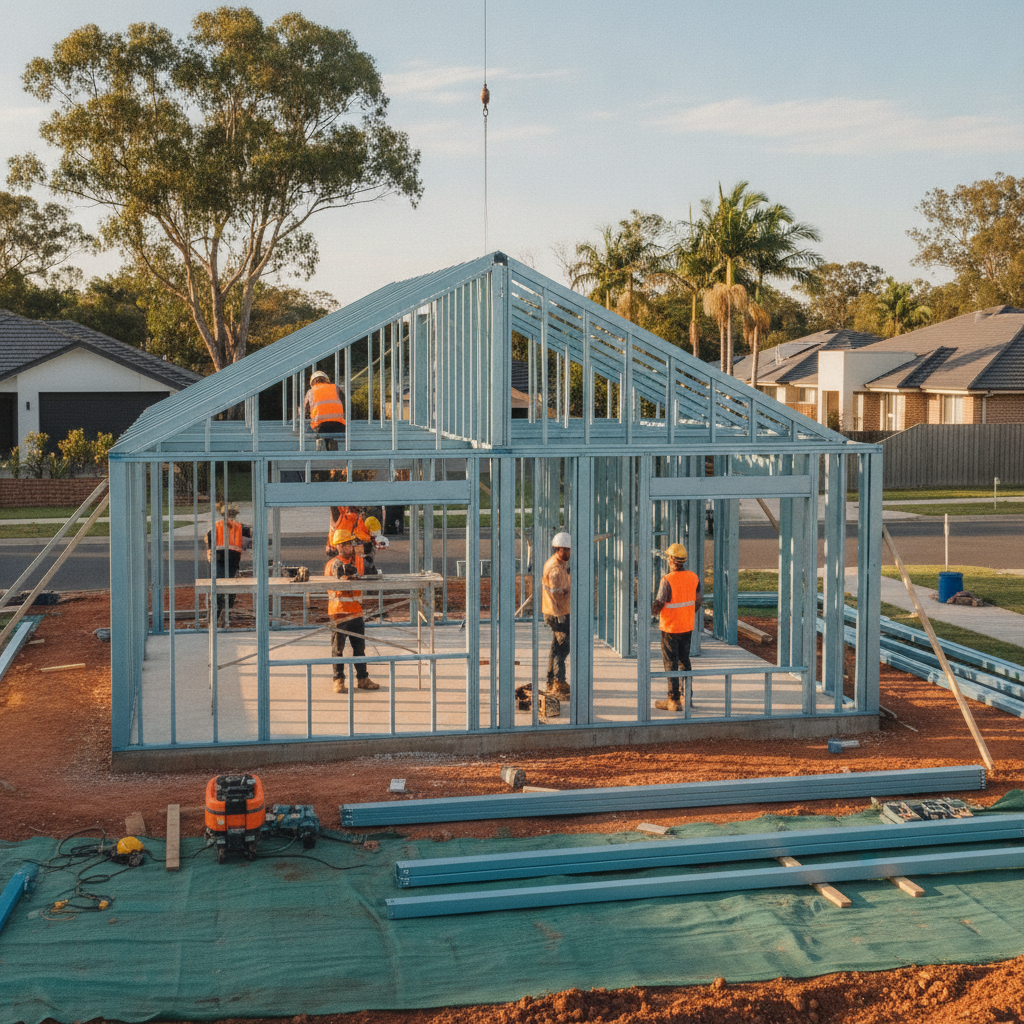
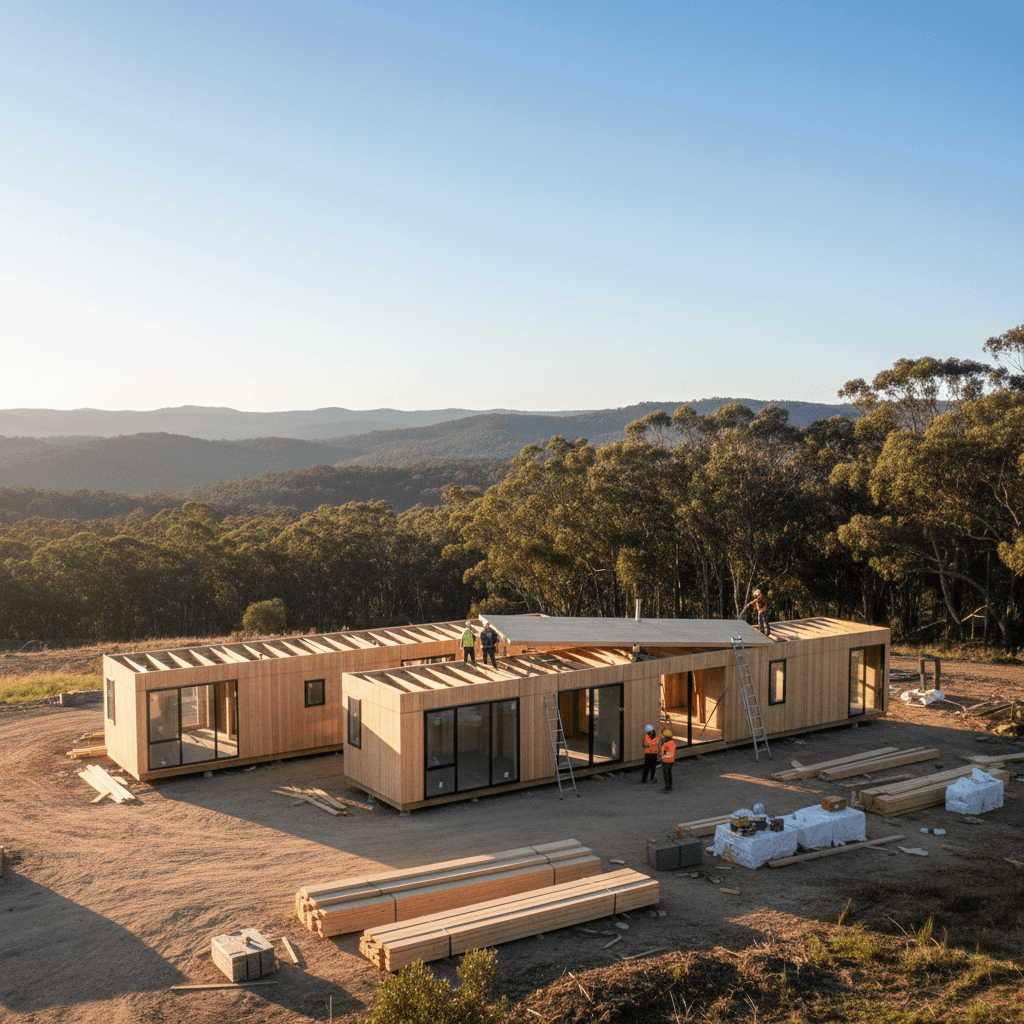
In simple terms, a kit home is a house where the components are manufactured off-site and delivered to your property in a 'kit' ready for assembly. Think of it as a life-sized Lego set for adults. The supplier provides the structural components-typically the frames, trusses, roofing, and external cladding-along with detailed plans for assembly.
It is important to distinguish between a kit home and a modular (or prefabricated) home. While a modular home arrives on-site in complete sections, a kit home requires on-site construction from individual components. This allows for more flexibility and, crucially, the opportunity for 'owner-builders' to save significant money on labour.
The Benefits of Choosing a Kit Home in Australia
1. Significant Cost Savings
The most attractive feature of a kit home is the price tag. By managing the project yourself or acting as an owner-builder, you can save between 20% and 40% compared to a traditional contract build. You aren't paying the overheads and margins of a major volume builder.
2. Flexibility and Customisation
Modern kit home providers offer a staggering range of designs, from ultra-modern minimalist pavilions to classic Australian ranch-style homes. Most suppliers allow you to customise floor plans to suit your lifestyle and the orientation of your block.
3. Suitability for Remote Locations
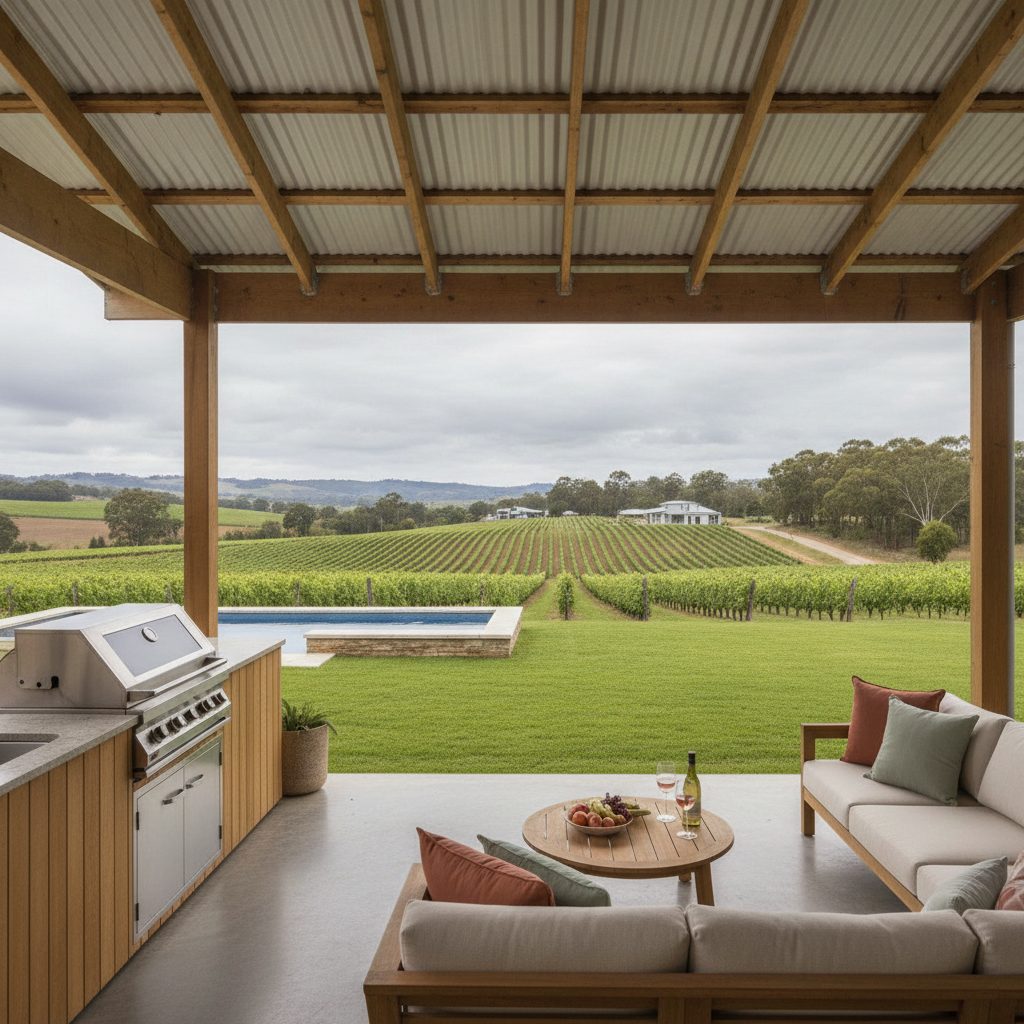
In Australia’s vast landscape, getting a traditional builder to a remote rural site can be a logistical nightmare and prohibitively expensive. Kit homes are designed for transport, making them the perfect solution for regional properties or holiday blocks in the bush.
4. High-Quality Engineering
Because kit homes are manufactured in controlled factory environments, the precision of the steel or timber framing is often superior to on-site 'stick-built' homes. They are engineered to meet strict Australian Standards, including high wind ratings and bushfire attack levels (BAL).
The Building Process: Step-by-Step
Phase 1: Research and Planning
Before you look at floor plans, you must understand your land. Is it sloped? What is the soil type? What are the local council restrictions? Understanding your Bushfire Attack Level (BAL) and Wind Rating is crucial, as these will dictate the materials required for your kit.
Phase 2: Choosing Your Supplier
Not all kit home companies are created equal. When researching suppliers in Australia, look for:
- Full inclusions lists (know exactly what is in the kit and what isn't).
- Energy rating certifications.
- After-sales support and technical assistance.
- Warranty periods on structural elements.
Phase 3: Council Approvals and Permits
Many owner-builders mistakenly believe that kit homes are 'easier' to get through council. In reality, a kit home must meet the same BCA (Building Code of Australia) requirements as any other dwelling. You will need a Development Application (DA) or Complying Development Certificate (CDC), along with construction certificates and home warranty insurance.
Phase 4: Site Preparation and Slab
While your kit is being manufactured, you’ll need to prepare the site. This includes excavation and the pouring of a concrete slab or the installation of a pier-and-beam floor system. Most kit home prices do not include the slab, so factor this into your budget.
Phase 5: Delivery and Assembly
Once the kit arrives, the real work begins. You can choose to:
- DIY: Assemble the frames and cladding yourself (requires an Owner-Builder permit).
- Manage Trades: Act as the project manager and hire licensed carpenters, plumbers, and electricians to do the work.
- Full Installation: Some suppliers offer a 'turnkey' service where they handle the build for you.
Budgeting for Your Kit Home: The Hidden Costs
Transparency is key to a successful build. The 'sticker price' of a kit home package usually only covers the materials delivered to the site. To avoid budget blowouts, you must account for:
- Government Fees: Council application fees, water connection fees, and long-service levies.
- Site Works: Clearing trees, levelling land, and driveway access.
- Services: Connecting electricity, plumbing, sewage/septic systems, and gas.
- Internal Fit-out: Many kits do not include kitchens, bathrooms, floor coverings, or paint.
- Labour: Even if you are a DIY enthusiast, you must use licensed professionals for electrical and plumbing work by law in Australia.
Practical Tips for Success
Conduct a Soil Test Early
The type of soil on your block (Class A, S, M, H, E, or P) determines the type of foundation you need. A 'reactive' soil (Class H or E) will require a much more expensive slab, which can add thousands to your total cost before the house even arrives.
Don't Skimp on the Owner-Builder Course
In most Australian states, if the value of work exceeds a certain amount (e.g., $20,000 in NSW), you must obtain an owner-builder permit. This requires completing a short course. Don’t view this as a box-ticking exercise; the knowledge gained regarding site safety (OH&S) and project management is invaluable.
Design for the Aspect
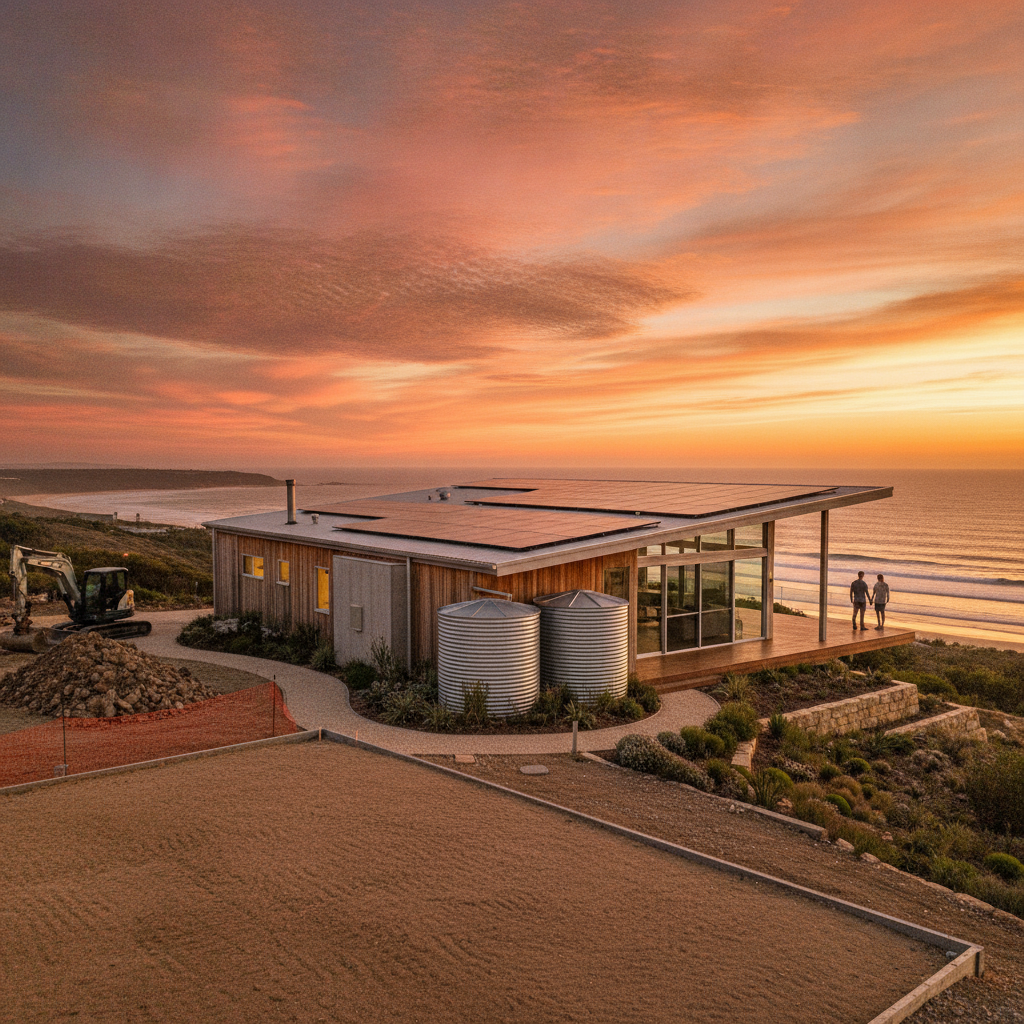
Australia has a diverse climate. When selecting your kit home design, consider the sun's path. Place living areas on the northern side of the house to maximise natural light and warmth in winter, while using eaves and verandas to shade the windows in summer. This will significantly reduce your future energy bills.
Organise Your Storage
When the delivery truck arrives, you will suddenly have tonnes of steel, timber, and glass sitting on your property. You need a secure, dry place to store these materials. Pallets and heavy-duty tarpaulins are essential to prevent damage from rain or ground moisture.
Is a Kit Home Right for You?
A kit home is an excellent choice if you are organized, proactive, and looking to save money. However, it is not a 'set and forget' solution. It requires you to be heavily involved in the logistics, even if you aren't swinging the hammer yourself. If you enjoy project management and want a high degree of control over your home's finishings, a kit home offers unparalleled satisfaction.
Conclusion
Building a kit home in Australia is a journey that requires careful planning, a realistic budget, and a bit of 'true blue' determination. In exchange for your effort, you get a high-quality, modern home for a fraction of the cost of traditional construction. As the industry continues to innovate with sustainable materials and faster assembly methods, kit homes are no longer just a budget alternative-they are a smart, stylish choice for the modern Australian homeowner.
Ready to start your building journey? Research local Australian suppliers today and take the first step toward your own custom-built kit home.