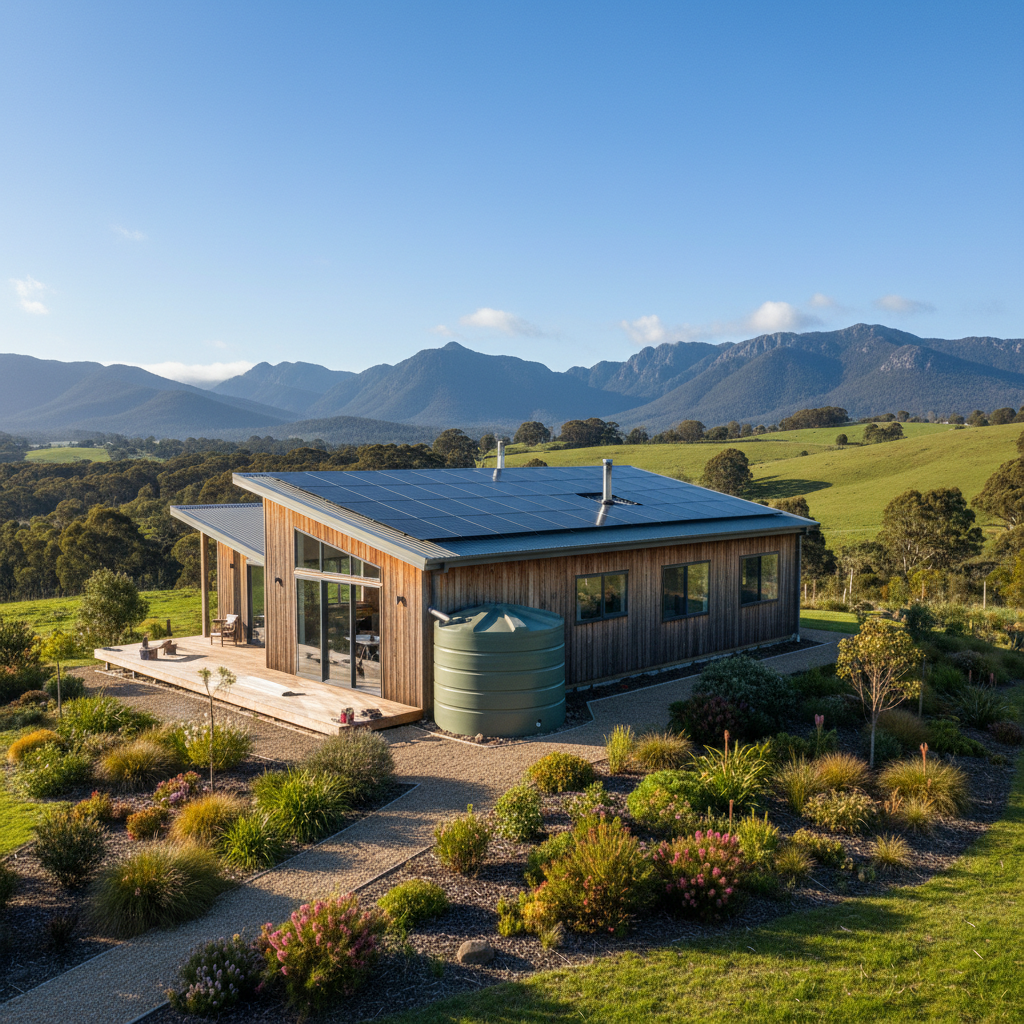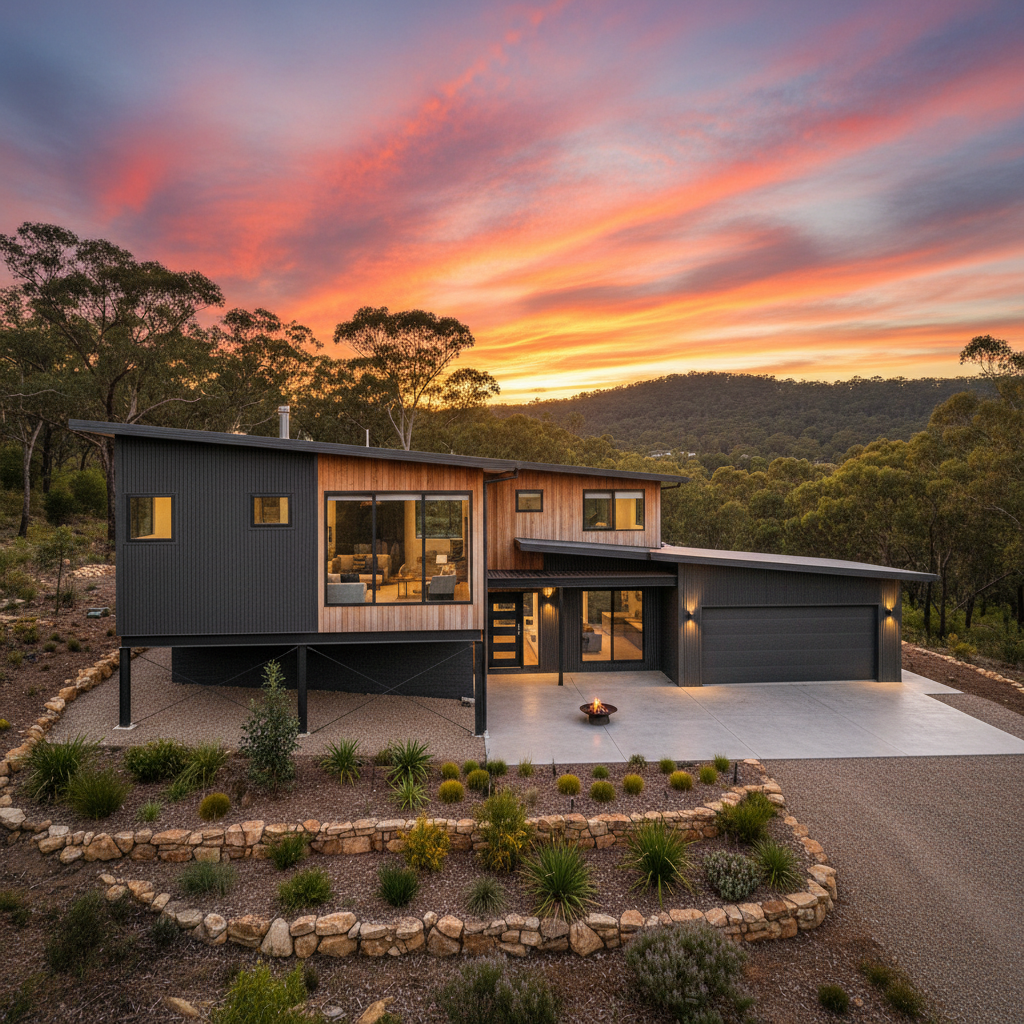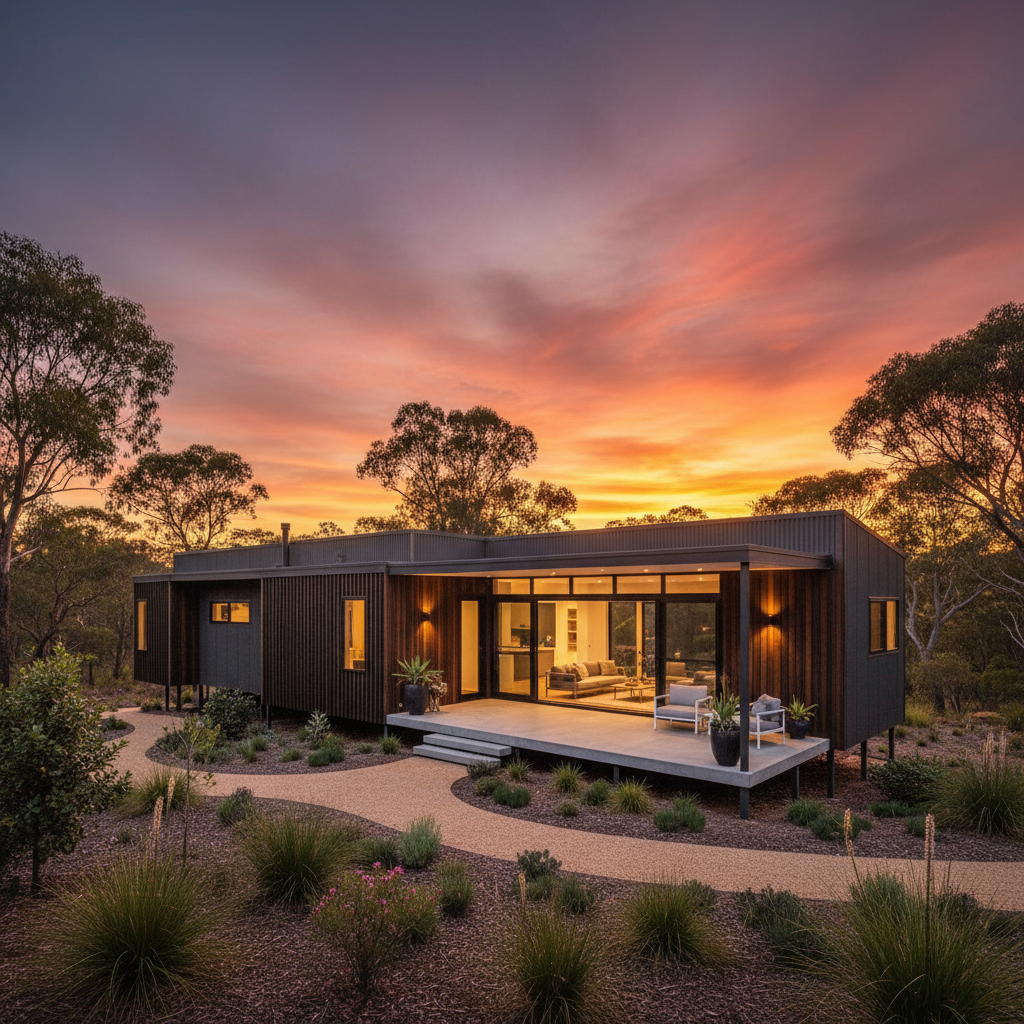
I spent twenty minutes yesterday morning arguing with a plumber about a floor waste. It sounds trivial, but when you're building a kit home, these tiny details determine whether your finished house feels like a sanctuary or a cheap motel. Most people spend months agonizing over the kitchen benchtop, but the bathroom is where the real design battles are won. It's the most expensive room per square metre. It's the room that can make or break a resale price. And honestly, it's the room where you'll spend your most private moments, so it shouldn't feel like an afterthought in a box.
The Myth of the 'Kit Look' Bathroom
There's a common misconception that choosing a kit home means you're stuck with a generic, cookie-cutter interior. That's rubbish. We see people in Gippsland and the Sunshine Coast putting together bathrooms that wouldn't look out of place in a boutique hotel in Melbourne. The secret isn't spending sixty thousand dollars on fixtures. It's about clever spatial planning. Because your kit home arrives with the TRUECORE steel frames pre-engineered, you already have a precise skeleton to work with. Use that precision. If you want a recessed shower niche, talk to us before the frames are manufactured. Trying to hack into a steel stud after the house is standing is a nightmare. Do it during the design phase. It's cleaner.
Lately, we've seen a massive shift away from the 'big white box' aesthetic. People are getting brave. They're mixing textures. They're using kit homes as a canvas for high-end finishes like kit-kat tiles, burnished concrete floors, and matte black tapware. But you've got to be smart about it. If you're building as an owner-builder, you're the project manager. You need to coordinate the waterproofer and the tiler like a hawk. A kit home provides the structure, but the soul comes from how you finish those wet areas.
Curated Minimalism and Integrated Wet Rooms
The biggest trend hitting Australian homes right now is the open-plan wet room. We're talking about removing the glass shower screen entirely, or using a single fixed panel. It makes a small bathroom feel huge. But it carries risks. You need a fall in the floor that would make a professional surfer jealous. If the drainage isn't perfect, you'll be mopping your hallway every time you take a shower. I always tell owner-builders to go over the Australian Standards for waterproofing (AS 3740) twice. Then read it again. If you're building on a slab, the plumber needs to be 100% bang-on with those pipe locations before the concrete truck arrives. There's no moving a toilet drain once it's set in 100mm of reinforced concrete.
Natural light is another factor. In a standard kit home layout, the bathroom is often tucked away. Don't let it be dark. Consider a high-set highlight window or even an operatable skylight. I worked with a bloke near Wagga Wagga who put a floor-to-ceiling glass louvre next to his freestanding tub. He had total privacy because of the bushland, and it changed the entire vibe of the house. It stopped being a 'kit home' and became a designer retreat. That's the power of one good design choice.
Owner Builder Tip: The 'Noggin' Strategy
Steel frames are incredibly straight. They don't warp, and termites won't touch 'em. But they have one quirk: you can't just screw a heavy floating vanity into a thin steel stud and hope for the best. You need to plan your 'noggins'. These are the horizontal supports between the studs. Tell your frame provider exactly where your vanity, your towel rails, and your heavy mirrors are going. We can add extra steel blocking in those spots. If you forget, you'll be staring at a pile of shattered porcelain on your floor three weeks after moving in. Not a good look.
Bringing the Outdoors In
Australian lifestyle is all about the deck. But why stop at the lounge room? We're seeing more people include 'mudroom' style entrances to their bathrooms in kit homes, especially in rural areas. If you're coming in from a day of fencing or just a muddy walk with the dogs, you want a bathroom that can handle it. Large format tiles - think 600x600 or larger - mean fewer grout lines. Fewer grout lines mean less cleaning. It’s practical, but it also looks sleek. Pair that with some timber-look cabinetry to soften the feel of the steel and glass. It creates a balance that feels grounded.
And let's talk about the 'Modular' trap. People often confuse kit homes with those little transportable pods. They aren't the same. A kit home is a permanent, high-quality structure built on your site. You have the freedom to choose your own insulation, your own plasterboard, and most importantly, your own waterproofing system. Don't skimp on the membrane. I don't care if you've found a cheap bucket of blue goo at an auction. Buy the good stuff. Your house depends on it.
Choosing Your Fixtures Wisely
When you're shopping for your kit home fit-out, don't just buy the cheapest bundle deal. Mix and match. A high-end stone basin sitting on a simple, well-built vanity looks better than a cheap 'designer' set-up any day. And think about the plumbing. Stick to standard sizes for your tapware. If you buy some weird unbranded tap from an overseas website, and a washer blows in three years, you'll be replacing the whole unit because you can't find parts at the local hardware store. It's a classic rookie mistake.
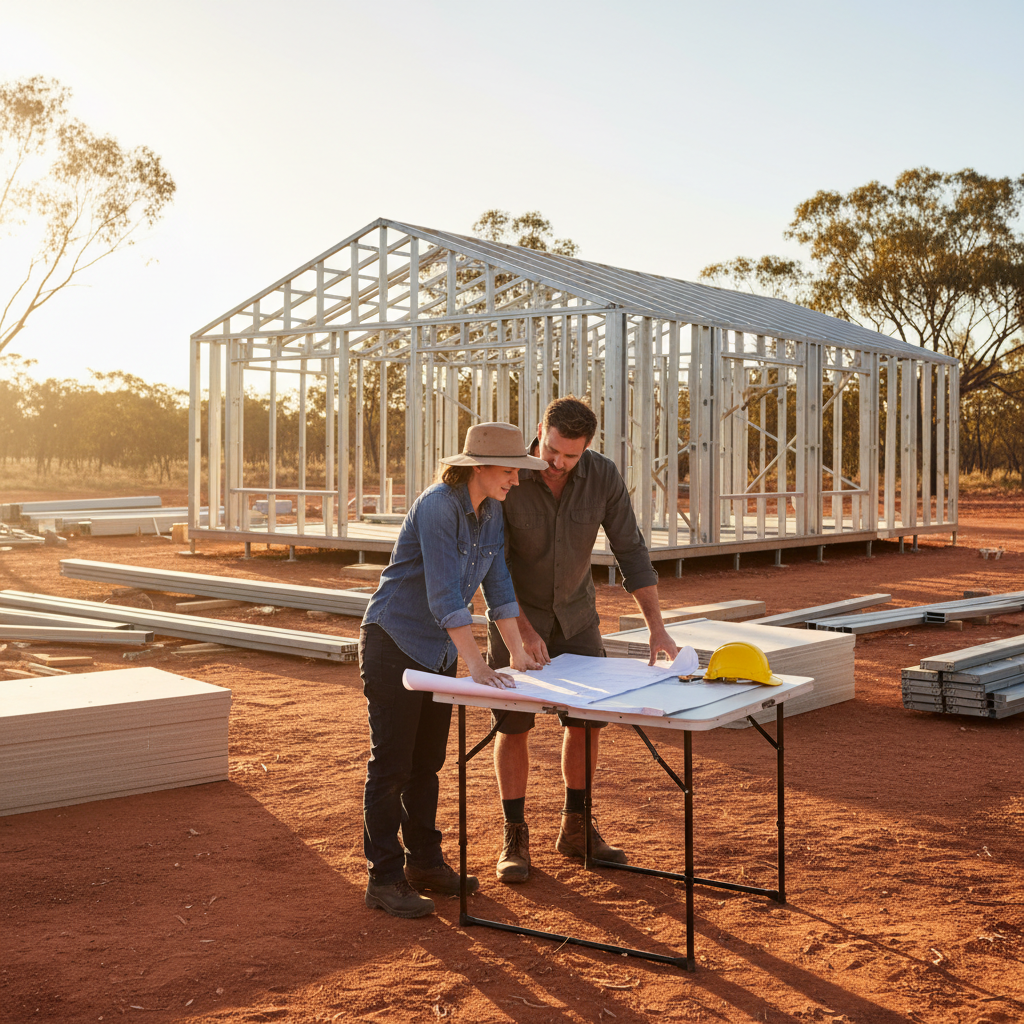
So. You've got your kit arriving. Your slab is down. The steel frames are going up. This is the moment to get your bathroom right. Don't wait until the gyprock is on the walls to decide you want a double shower. Commit to your layout early. Focus on the flow of the room. Can you open the toilet door without hitting the vanity? Is the light switch in a spot that makes sense at 2am? These are the things that define lifestyle. It’s not about the brand of steel in the walls - though we know BlueScope is the gold standard - it’s about how you live within those walls once the tradies have packed up and gone home.
A Final Word on the Owner-Builder Path
Building your own kit home is a massive undertaking. It's stressful, it's dusty, and you'll probably have a few sleepless nights wondering if you ordered the right cladding. But when you're soaking in a tub in a bathroom you designed, looking through a window you positioned, it all clicks. The bathroom is your reward. Don't treat it like a technical necessity. Treat it like the heart of your home's relaxation. Manage your trades, stick to your design vision, and don't let anyone tell you that a kit home can't be luxurious. They're wrong. If you pick quality materials and pay attention to the details, your kit home will outshine most display homes in the suburbs. Just remember to double-check those floor wastes.