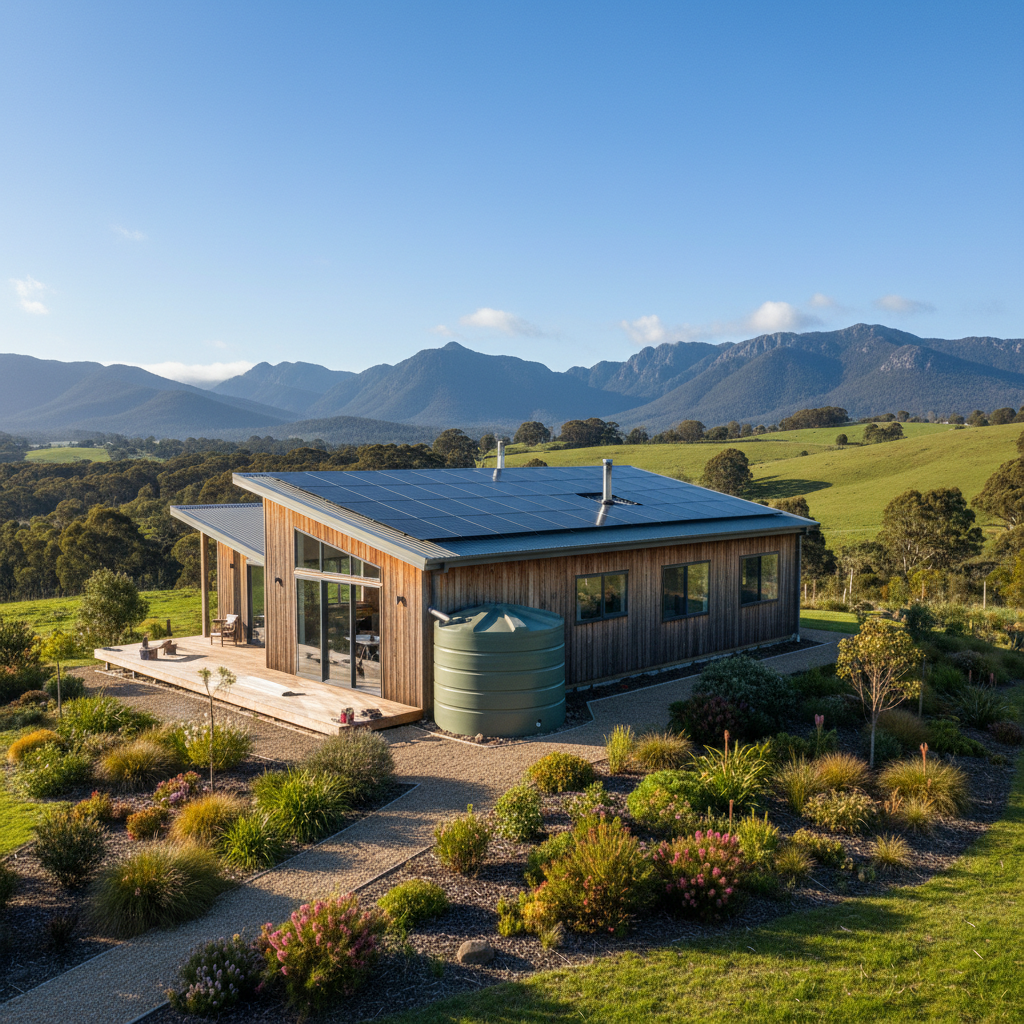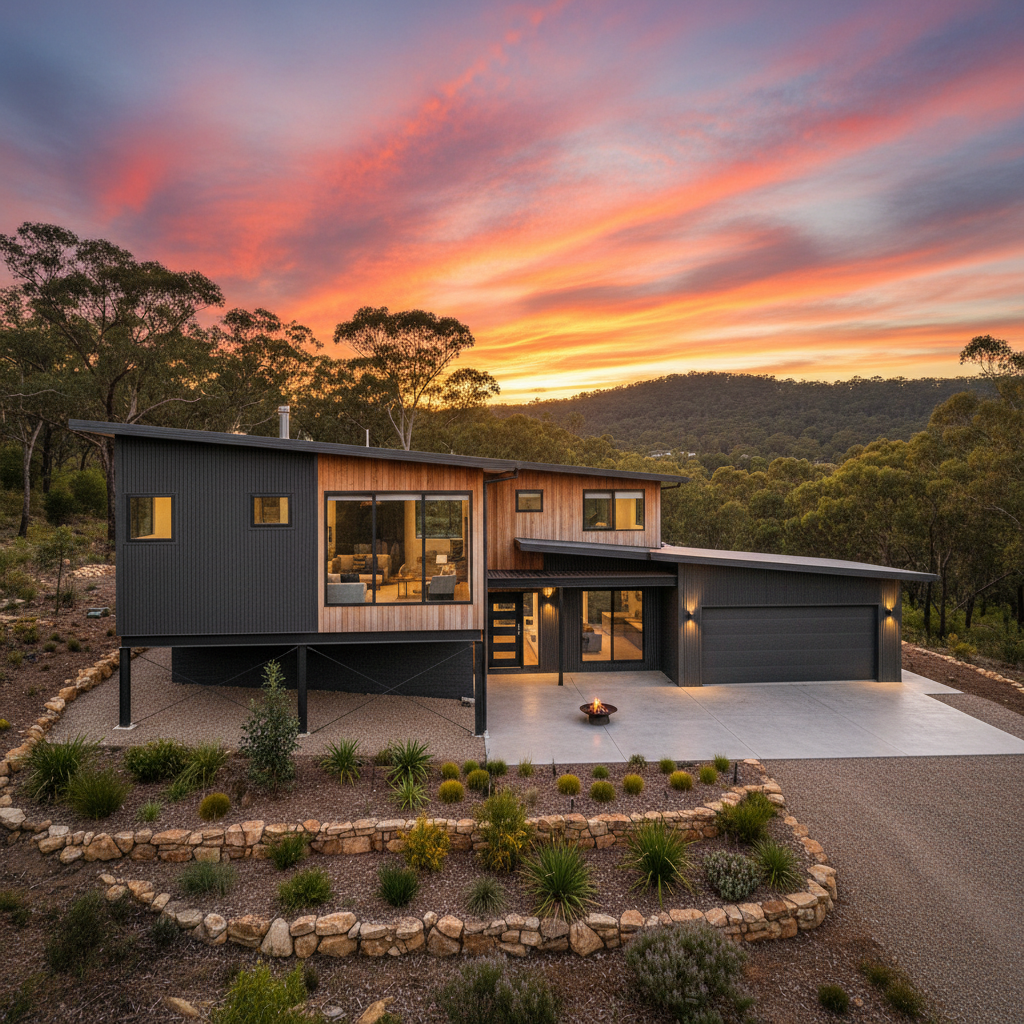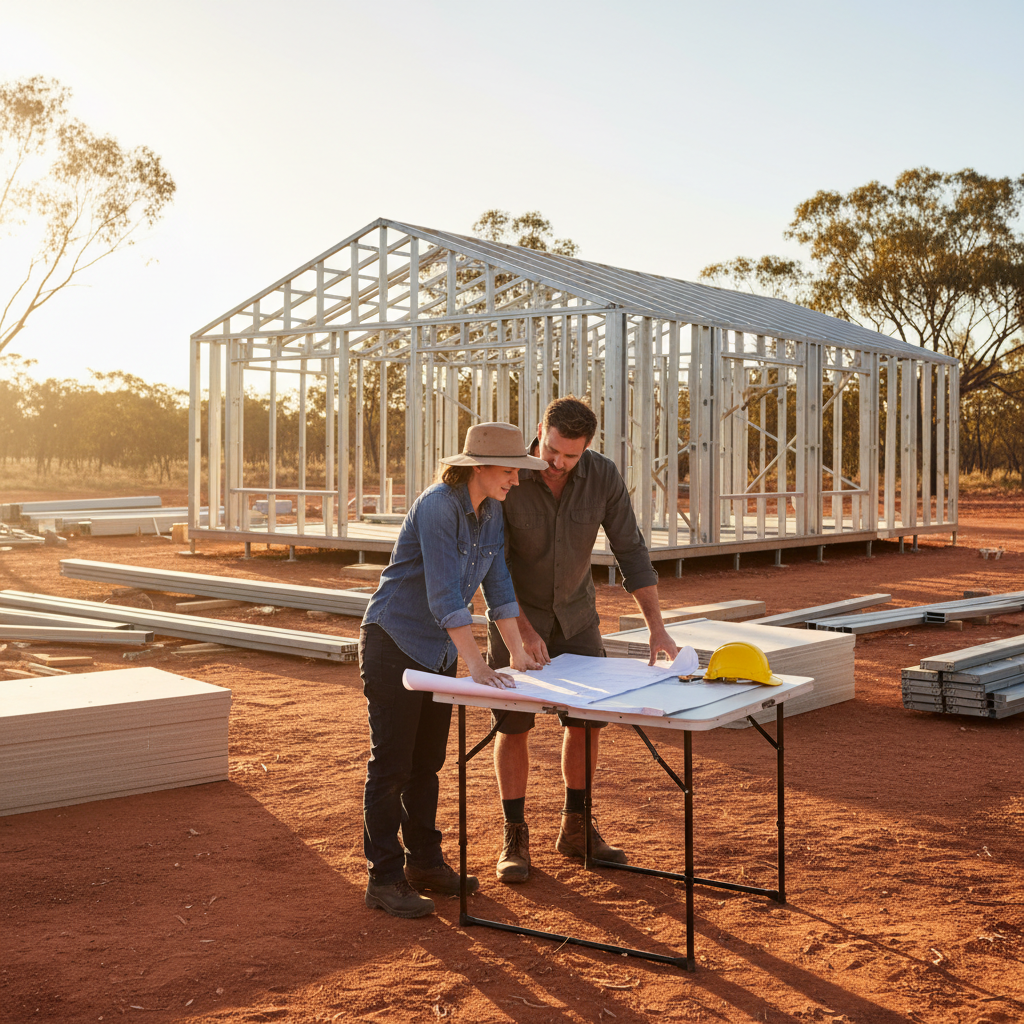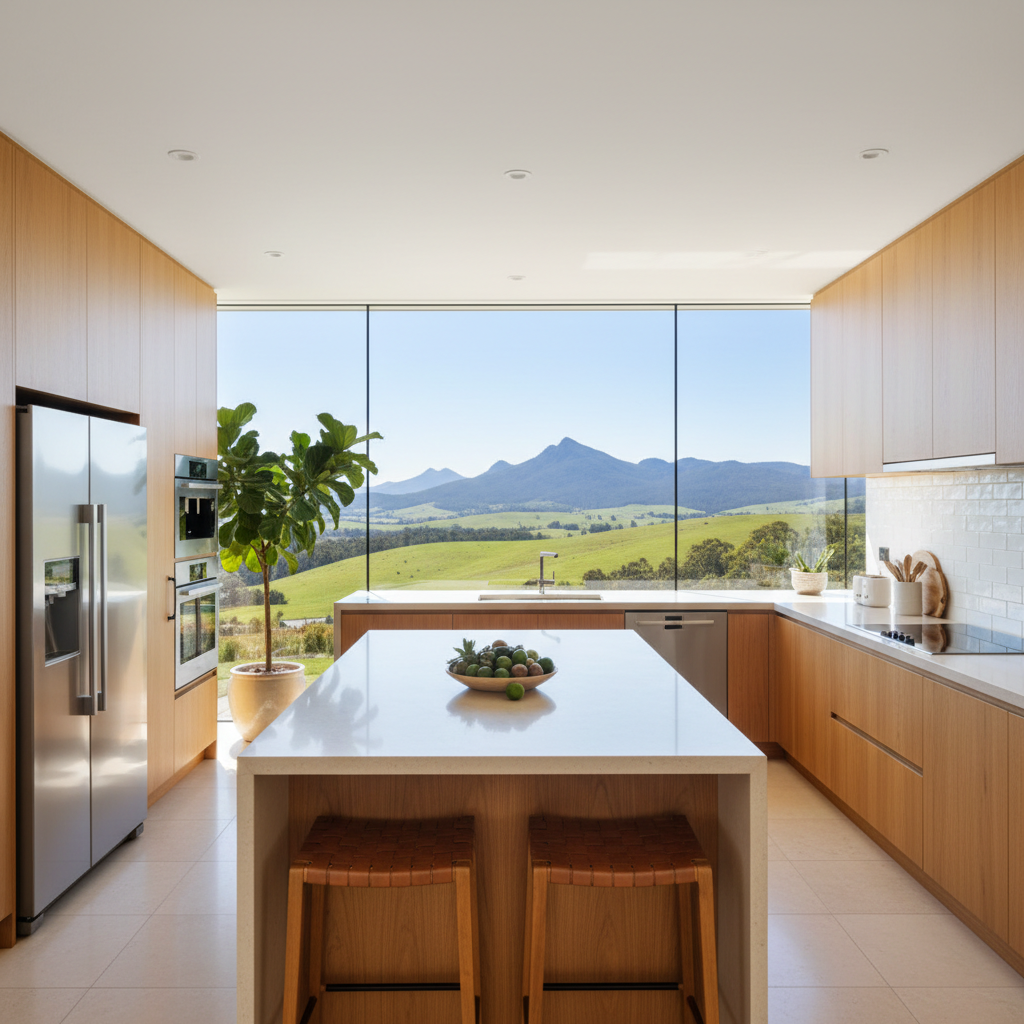
I was standing on a site up near Gympie last summer, watching a pile of treated pine offcuts bake in the sun. That pile was destined for a skip bin, then a hole in the ground. It struck me then, not for the first time, that the way we normally build houses is pretty rubbish for the planet. We talk about energy ratings and solar panels, but we ignore the bones of the thing. If you're looking at a kit home, you've got a chance to do it differently. Using steel frames, specifically the TRUECORE stuff from BlueScope, means your house frame is basically a closed loop. It's 100% recyclable. Every bit of it. No leaching chemicals into the dirt, no rotting, and no waste that stays in landfill for a thousand years.
The Infinite Life of a Steel Beam
Steel is a bit of a freak of nature in the construction world. You can melt it down, roll it back out, and it's just as strong as the first time it came out of the furnace. It doesn't lose quality. Think about that for a second. The steel in your wall frames today could have been part of an old bridge or a car twenty years ago. And fifty years from now, if someone decides to pull the house down, that frame doesn't go to the tip. It goes back to the scrap yard, then the smelter, then back into the supply chain. Because it's a magnetic material, it's easy to separate from other demolition debris too. It doesn't get contaminated like timber does when it's treated with copper chrome arsenic (CCA) or bifenthrin. You can't exactly recycle a piece of wood that's been soaked in poison to stop the white ants.
We see a lot of blokes worry about the energy it takes to make steel. Fair enough. It's a high-heat process. But when you look at the lifecycle, the math changes. You aren't just using it once. You're borrowing it from the global stock of metal. Plus, BlueScope has been working hard on their sustainability targets at Port Kembla. They're aiming for net zero by 2050. That matters when you're trying to build a home that doesn't weigh on your conscience every time you pull into the driveway.
Less Mess on the Job Site
One of the biggest wins for the environment happens before the roof even goes on. When we send out a kit home, the steel frames are precision engineered. They're cut to the millimetre. This isn't like a traditional timber build where the chippies are out front with a drop saw, leaving a mountain of sawdust and offcuts in the mud. With steel, there's almost zero on-site waste. Everything shows up ready to bolt together. If there are any tiny offcuts? Toss them in the recycling bin. Simple. It keeps the site cleaner and means less transport energy spent hauling rubbish away in heavy skip trucks. Those trucks chew through diesel, so the less of them you need, the better.
Termites and Toxic Chemicals
Let's talk about the nasty stuff. If you live anywhere in Australia, termites are the boogeyman. In a timber home, you're looking at chemical barriers, treated wood, and constant inspections. Those poisons don't just stay put. They can wash into the soil during big rains. Steel is naturally termite proof. It's not a food source. Because the frames don't need chemical treatments to survive a hungry colony, you're keeping those toxins out of your garden. It's a cleaner way to live, especially if you're planning on growing vegies or have kids running around in the dirt. It satisfies the requirements of AS 3660.1 without needing to drench the slab edge in bifenthrin every few years. That's a massive win for the local ecosystem around your build.
Long Term Durability Means Less Replacement
Sustainability is also about how long something lasts. If a house starts sagging or rotting after thirty years, it's a failure. Steel doesn't warp. It doesn't twist when the weather clears up after a week of rain in Wollongong. Your plasterboard stays flatter, your doors don't stick as much, and the structural integrity stays mint for decades. Our kits use TRUECORE steel with a thick galvanised coating. It's built for the Aussie climate. When things lead a long life, you don't need to replace them. The most sustainable house is the one you only have to build once.
Plus, steel is non-combustible. In a country where bushfires are a reality every summer, having a frame that won't contribute fuel to a fire is a huge relief. It helps you meet higher BAL (Bushfire Attack Level) ratings without jumping through as many hoops. It's about resilience. A resilient home is a sustainable home because it can survive the local conditions without needing to be rebuilt from scratch after a bad season.
The Design Edge for Energy Efficiency
You can get really clever with your design when you aren't limited by the span of a piece of pine. Steel is strong, which means you can have larger open plan areas and bigger windows. Why does that matter for the environment? Better passive solar design. You can position those big north-facing windows to soak up the winter sun and heat up your slab. Because the frames are so straight and true, your insulation batts fit better. No gaps, no cold bridges from wonky studs. When your insulation works properly, your heater doesn't have to work as hard. You'll notice the difference in your power bill, but the planet notices the lack of coal being burnt to keep your lounge room at 22 degrees.
Some people reckon steel frames make a house cold. That's a myth from the 80s. With modern thermal breaks and proper insulation forced by the NCC Volume 2 regulations, a steel-framed kit home can be incredibly tight. We've seen owners in cold spots like the Blue Mountains build steel-framed homes that stay toasty all night because they got the sealing right. It's all about the system, not just the studs.
Owner Builder Tips for the Eco-Conscious
So, you're taking the plunge and managing the build yourself. Good on ya. If you want to lean into the environmental side of steel, here's a few things I've picked up over the years:
- Specify that you want all steel offcuts collected and taken to a local recycler. Don't let your trades chuck them in the general waste.
- Check your insulation. Use high-quality batts that are sized specifically for steel studs (usually 450mm or 600mm centres). A snug fit is everything.
- Think about your roof colour. A light-coloured Colorbond roof reflects more heat, which works beautifully with the steel frame to keep the house cool in a Queensland summer.
- Ask about thermal breaks. Ensure your builder or your own team installs them correctly between the frame and the cladding. It's the law now anyway, but it's worth double-checking.
Building a home is probably the biggest thing you'll ever do. It's a huge dump of materials onto a patch of dirt. Using steel doesn't stop it from being a big project, but it does make the footprint a whole lot lighter. You're getting a frame that's straight, strong, and won't get eaten by bugs. But more than that, you're using a material that can be used again and again. It's not just a house for you; it's a resource for the future. And in my book, that's just a smarter way to build. No dramas, just a solid house that respects the land it sits on.