Coastal suburbs are getting tighter. Everyone's building the same four bedroom rendered brick box on a tiny block, and honestly, it’s getting a bit stale. We're seeing a massive shift across the country right now. People are moving away from those massive house-and-land packages in favor of something they can actually have a hand in building. The kit home movement isn't just about saving a bit of sweat equity anymore. It's about sustainability and building something that won't get eaten by termites or buckle when the first 40 degree day hits in Jan.
Sustainability starts with less waste on the grass
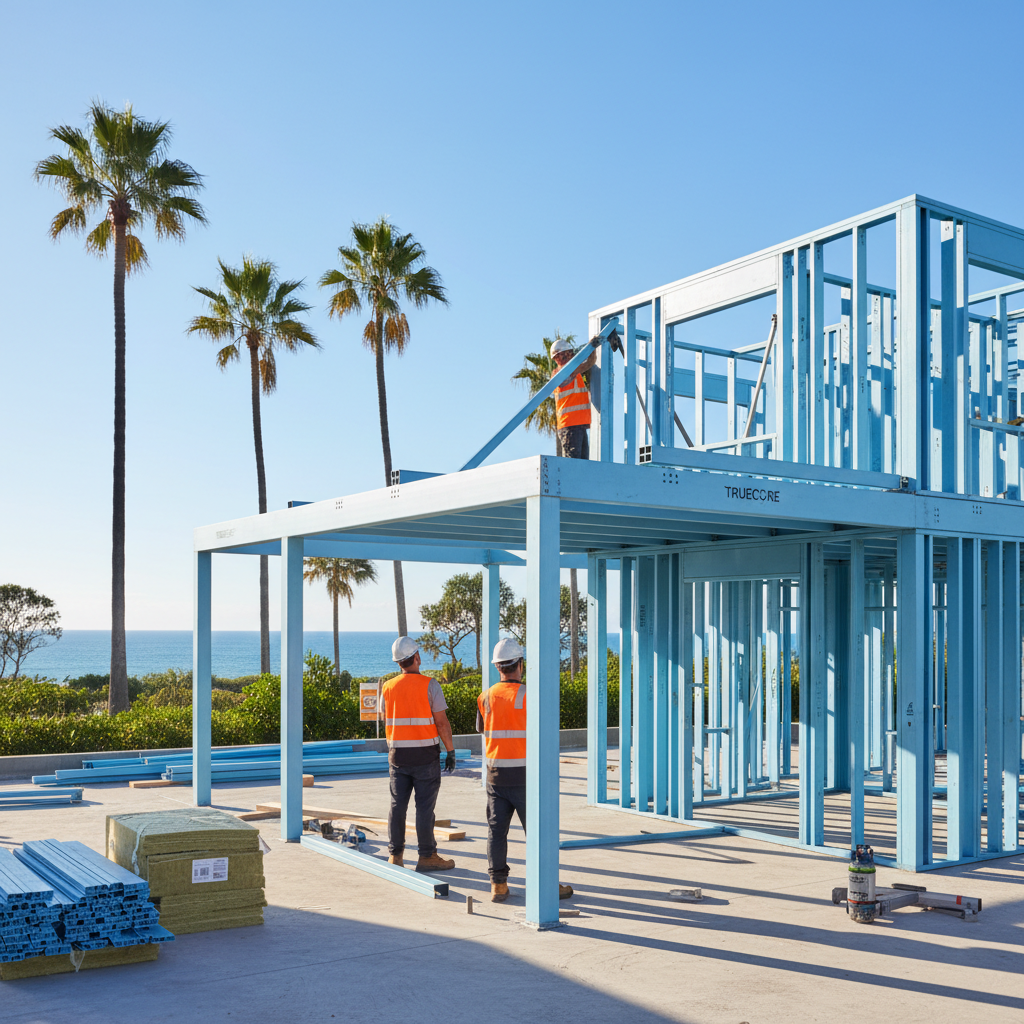
Most people don't think about the skip bins. When you walk onto a traditional build site, you see piles of offcuts. Timber studs that were too short, bricks that arrived chipped, and heaps of plastic wrap. It’s a mess. Kit homes change the dynamic because the engineering is sorted before the truck even arrives. Since we’re using TRUECORE steel from BlueScope, the precision is down to the millimeter. You don't get 'near enough is good enough' on these jobs. Everything is pre-punched and ready. If it’s on the plan, it’s in the pack. It means you aren't filling up half a dozen skip bins with wasted materials that end up in a landfill in Werribee or Kembla Grange.
And let's talk about the lifecycle. Steel is infinitely recyclable. If someone decides to tear the house down in eighty years, that frame isn't trash. It’s high-grade metal that goes back into the system. Plus, we're seeing more people in BAL-rated areas, especially around the Blue Mountains and the Hinterlands, opting for steel because it doesn't add fuel to a fire. It's a non-combustible material. That’s a huge tick for the NCC Volume 2 requirements when you’re dealing with bushfire prone land.
The Owner Builder Reality
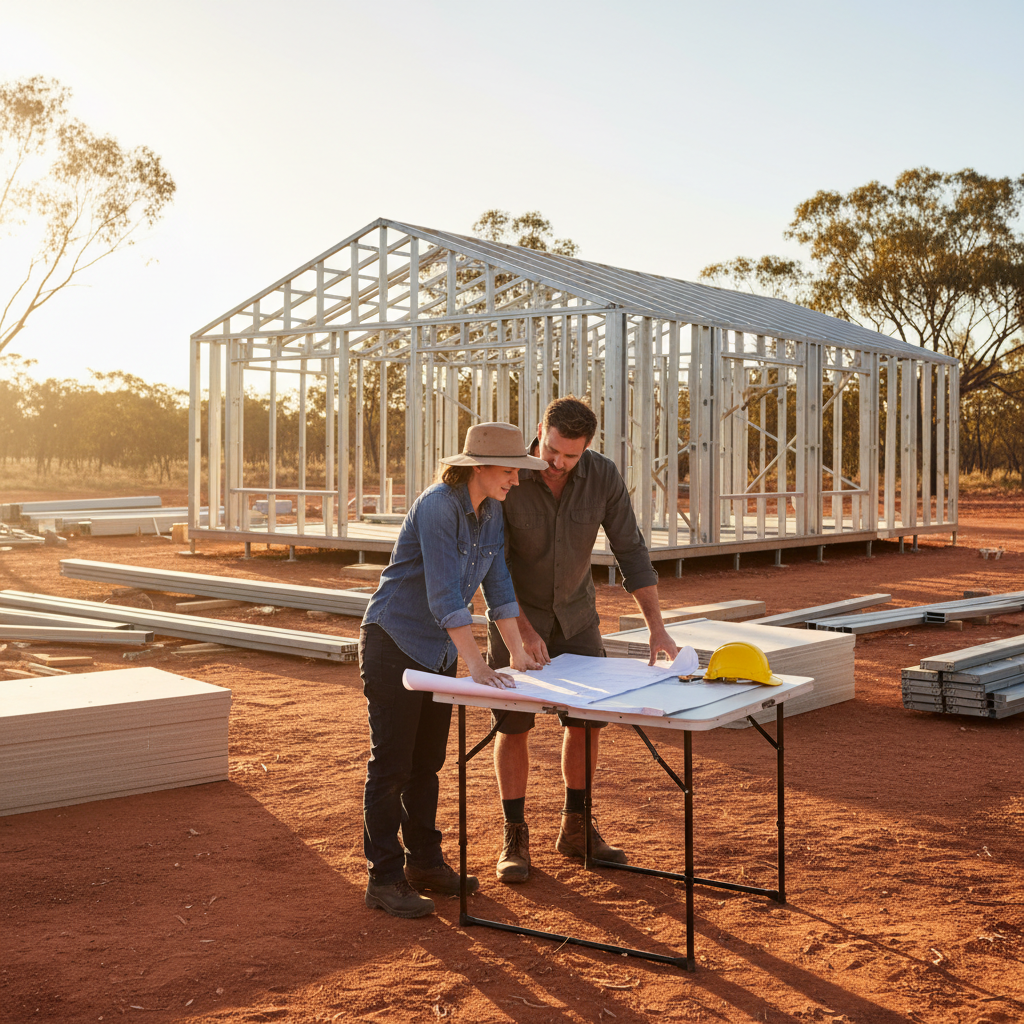
Becoming an owner-builder isn't just about wearing a high-vis vest and feeling important on a Saturday morning. It's a serious commitment. You need your White Card, and you've got to get your owner-builder permit from the relevant state authority, like Fair Trading in NSW or the VBA in Victoria. But here's the kicker. Most people think they have to be a chippy to do this. You don't. You need to be a project manager. You need to be the person who can talk to the plumber, the sparky, and the concreter without losing your cool when the rain sets in for three days straight.
A kit home gives you the skeleton. It’s the roadmap. We send out the frames, the trusses, the cladding, and the windows. But you're the one making sure the slab is dead level. If your slab is out by 10mm, you're going to have a nightmare of a time getting your steel frames to sit flush. I always tell blokes to double-check their diagonals. Then check them again. It’s much easier to fix a formwork mistake on a Thursday than it is to grind down concrete on a Tuesday when the delivery driver is waiting at the gate.
Locking it down against the elements
Living in Australia means your house takes a battering. One week it’s 90 percent humidity in Queensland, and the next it’s a dry heat that cracks the ground. Timber moves. It expands, it shrinks, it twists. That’s why you see cracks in the cornices of brand-new houses three months after they're finished. Steel doesn't do that. It’s dimensionally stable. You set your doors, and they stay shut. They don't start sticking to the frame the minute the dew point rises.
The insulation we include in the kits is another piece of the puzzle. You can't just throw some thin batts in and hope for the best. Australian homes have been glorified tents for too long. By using a steel frame combined with high-quality insulation and reflective sarking, you're creating a thermal envelope that actually works. It keeps the heat out in summer and holds it in during those crisp July nights in the Southern Highlands.
Designing for the North Point
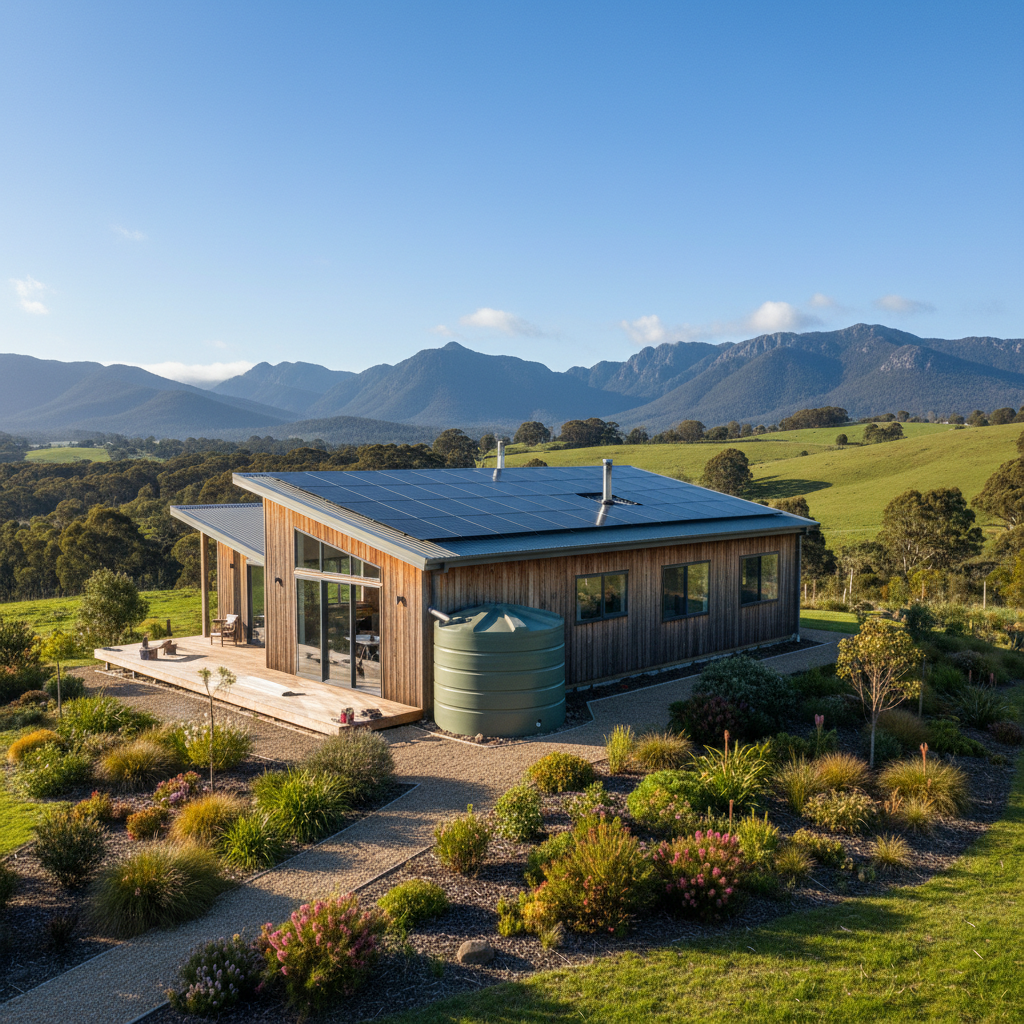
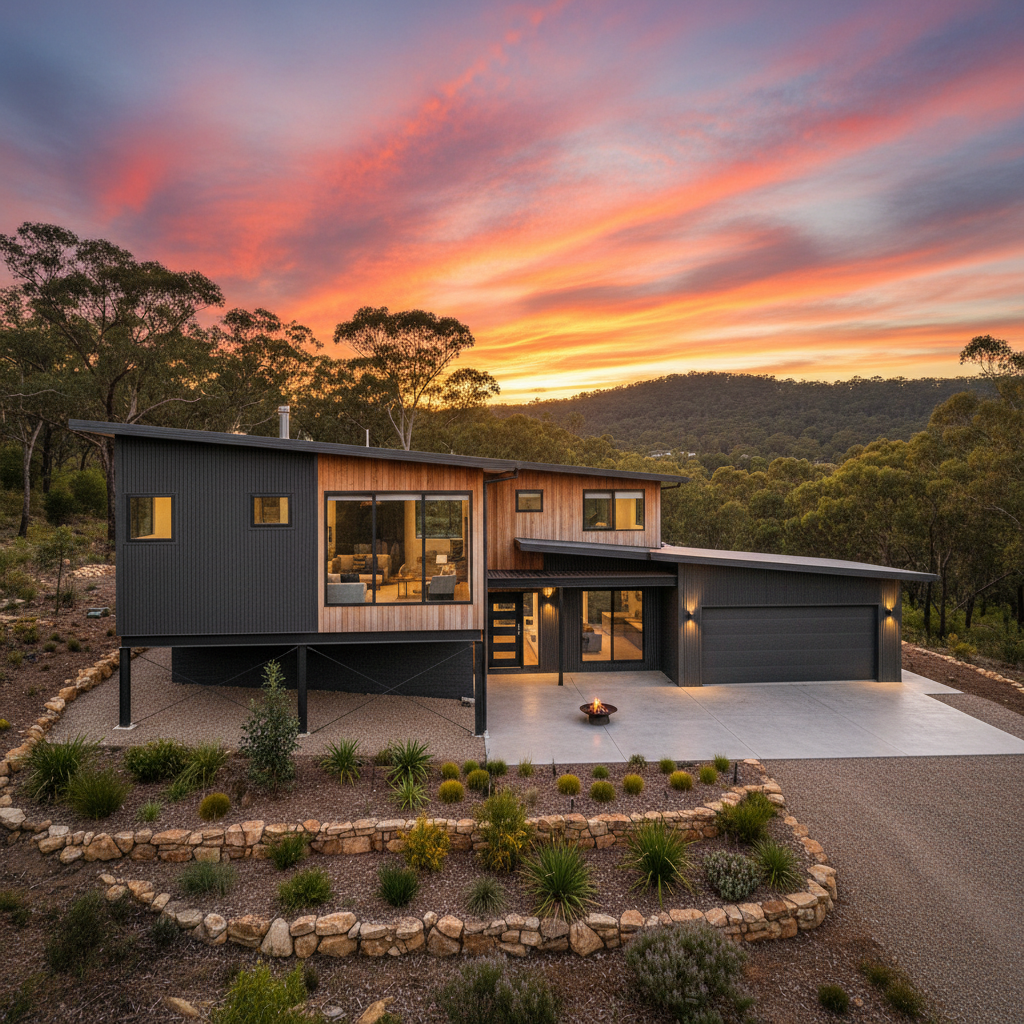
Sustainability isn't just about the materials. It's about where you put your windows. I see so many people buy a beautiful kit and then chuck the biggest windows on the west side. Why? You’ll bake. You want your living areas facing north to soak up that winter sun. Use your eaves. The kits come with specific roof lines for a reason. Shading your glass in the summer while letting the low winter sun hit the floor is the oldest trick in the book, yet so many people miss it because they’re too focused on the kitchen splashback.
Keep your wet areas together too. If you've got the laundry at one end of the house and the master ensuite at the other, your plumber is going to charge you a fortune in piping and labor. Plus, you’ll be waiting five minutes for the hot water to reach the shower. Grouping your plumbing is a smart move that saves material and energy over the long run. It’s common sense that’s often forgotten in the rush to get a DA through council.
Terminology matters
Don't get mixed up with the talk about other housing types. We're talking kit homes here. You build it on your site, on your footings. It stays there. It's a permanent structure built to the same Australian Standards (like AS 4100 for steel structures) as any luxury custom build. The difference is the efficiency of the delivery and the fact that you aren't paying a massive builder's margin to a bloke who only shows up to site once a fortnight.
I remember a couple out near Dubbo who did their own kit build last year. They’d never done anything bigger than a garden shed. They spent months preping the site. They were meticulous. When the frames arrived, they had the whole shell up and under roof in two weeks because they'd read the manual cover to cover three times before the truck even left our yard. That’s the secret. It’s not about being a master tradesman. It’s about being prepared and following the sequence. If you try to jump ahead and install windows before the frames are plumb and braced, you’re asking for a headache.
What's actually in the box?
When the semi-trailer pulls up, you're getting the bones. The TRUECORE frames are the star, but you’re also getting the Colorbond roofing, the external cladding, and the doors. It’s the weatherproof shell. What you do inside is up to you. This is where the lifestyle bit kicks in. You want recycled timber floors? Go for it. You want a high-end minimalist kitchen from a local joiner? Easy. Since you’re the owner-builder, you aren't restricted to a 'silver, gold, or platinum' fixture package. You pick what fits your lifestyle and your local environment.
Just remember that once that frame is up, you need to get your trades in. Get your sparky to rough-in before you even think about internal linings. Steel frames have pre-punched holes for wiring and plumbing, which makes their life heaps easier. No drilling through studs means no mess and a faster job for them, which should, in theory, save you a bit on their hourly rate. Just make sure they use the plastic grommets provided so the wires don't rub on the metal edges over time.
Building your own place is a massive slog. I won't sugarcoat it. There'll be days when it’s raining, your site is a bog, and you’ll wonder why you didn't just buy an existing place. But then you’ll stand inside that frame, look out at the view you picked, and realize you know where every single screw in that house is located. There's a peace of mind there that you just don't get with a standard contract build. You know it’s solid. You know it’s straight. And you know it’s built to last in this sun-scorched country of ours. Get your site prep sorted, talk to your local council about their specific requirements, and start looking at those floor plans again. Just don't forget the kettle.