Staring at a map of your new block in the Adelaide Hills or the blue-tinged ridges of the Great Dividing Range usually brings a mix of excitement and a nagging knot in your gut. That knot is the Bushfire Attack Level (BAL) rating. Down here, fire isn't just something we watch on the news. It's a reality of the Australian bush that dictates exactly how we build our homes. If you're going down the kit home path, you've got a massive choice to make early on: what's holding the roof up? For me, after years on sites and watching how materials behave when things get hairy, steel is the only way to go. It isn't just about strength. It's about building a house that doesn't want to become fuel.
The Cold Hard Truth About BAL Ratings
Your local council or a private certifier will give your site a BAL rating. It ranges from BAL-Low up to BAL-FZ (Flame Zone). Most kit home builders find themselves sitting somewhere around BAL-12.5, BAL-19, or BAL-29. These numbers aren't just bureaucratic red tape. They represent the kilowatts of radiant heat your walls and windows need to withstand before the place starts to fail.
Because steel is non-combustible, you're already starting five steps ahead of the bloke building with pine sticks. Timber starts to char and off-gas flammables at relatively low temperatures. Steel frames made from genuine BlueScope TRUECORE steel won't ignite. They won't add to the fuel load of the fire. If embers get sucked into your wall cavity, having a steel frame there instead of dry timber can be the difference between a scary afternoon and losing everything you've worked for.
The Precision of BlueScope TRUECORE Steel
One thing people don't talk about enough is how straight steel stays. I've seen timber frames sit out in the rain during a build in Gippsland, and by the time the roof goes on, half the studs have bowed or twisted. That's a nightmare for an owner-builder trying to get their gyprock flat. Steel doesn't do that. It stays dead straight, meaning your windows stay square and your doors don't jam. That's vital in a fire situation too. You need your exits to function perfectly, not bind up because the house shifted as the heat rose. Plus, termites don't eat steel. While we're talking about fire, we shouldn't forget that those little white ants do more damage to Aussie homes than fire and floods combined. Steel fixes both problems in one go.
What's Actually in the Kit?
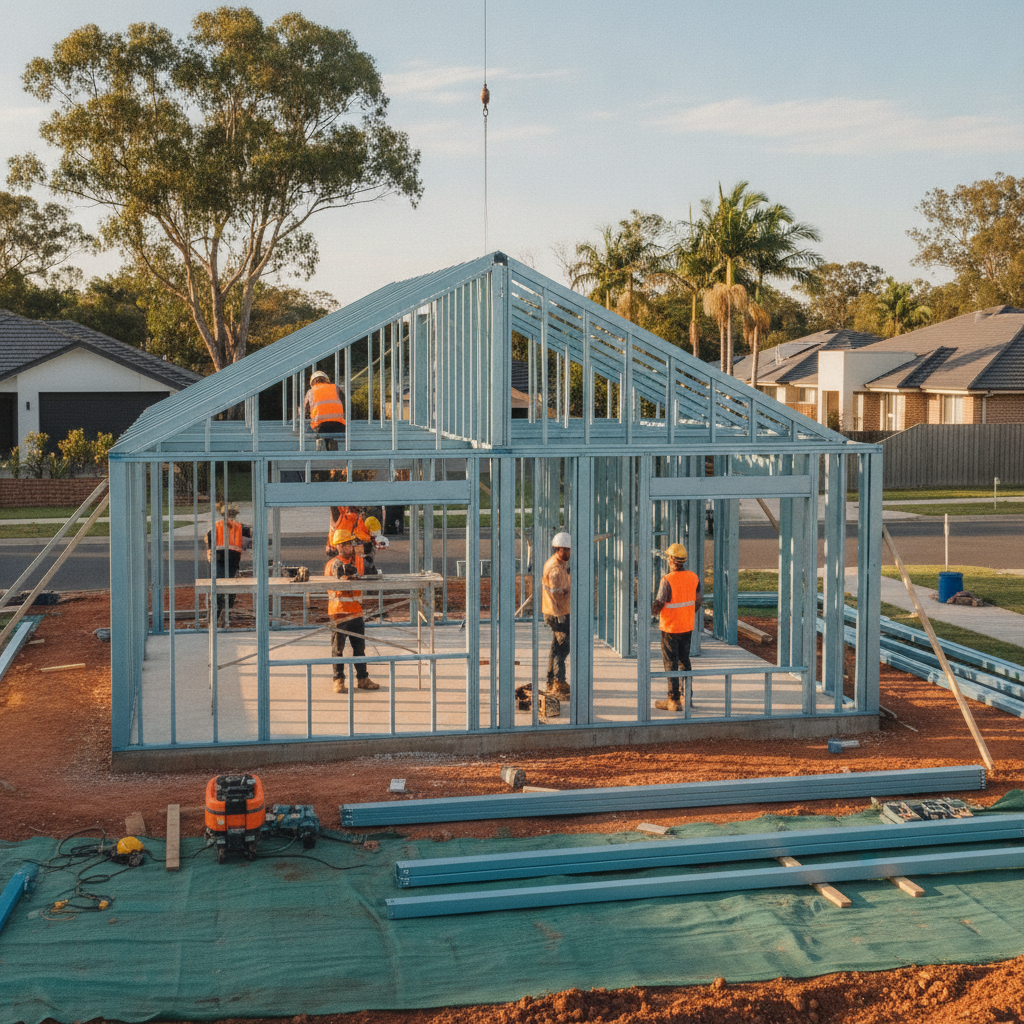
When you get a kit from us, it's not just a pile of metal. You're getting the skeleton and the skin. The frames, the roof trusses, the Colorbond cladding, and the roofing. We use TRUECORE because it was developed specifically for our conditions. It's got that distinctive blue finish that tells you it's the real deal from BlueScope. For the owner-builder, it's like a massive Meccano set. Every piece is numbered. Every hole is pre-punched. You aren't standing there with a tape measure and a circular saw all day, dripping sweat and making mistakes. You're bolting and screwing things together. It's fast, and it's accurate.
AS 3959 and Your Responsibilities
Building in a bushfire area means you have to comply with Australian Standard AS 3959. This covers everything from how you shield your evaporative cooler to the type of glass in your windows. Steel frames give you a massive leg up here. Because the frame itself won't burn, you can focus your energy and your budget on the external stuff. Things like toughened glass, ember guards over your gutters, and ensuring there are no gaps larger than 3mm anywhere on the exterior. I always tell owner-builders to get their BAL assessment done before they even pick a floor plan. It influences everything. If you're in a BAL-40 zone, you're going to need specific window shutters and non-combustible decking. Knowing this early saves you from some nasty surprises during the DA process.
Insulation: More than just keeping warm
Inside those steel walls, you're going to be stuffing insulation. In a kit home, we include the insulation because it's a system. You can't just throw any old batts in there. For fire resistance, you want to be looking at the R-values but also the fire performance of the material. Glass wool batts are common and work well with steel frames. The way the steel is shaped allows for a tidy fit, which minimizes those annoying thermal bridges that can sap the heat out of your lounge room in winter. It's about creating a tight, protected envelope.
But let's be real for a second. Steel does have its quirks. You can't just drive a nail into a stud to hang a heavy picture like you can with wood. You need the right screws or you need to plan ahead and put some noggins in where you know the TV is going. Small price to pay for a house that won't get eaten by bugs or burnt to a crisp by a stray spark.
The Owner Builder Advantage
If you're managing this yourself, steel is your best mate. It's lighter than timber. You can often manhandle a wall frame into place with two people instead of needing a crane for every little thing. This keeps your site costs down. And because the frames come pre-assembled or in easy-to-manage sub-sections, you don't need to be a master carpenter to get it right. You just need a bit of common sense, a good impact driver, and some decent weather.
I spoke to a guy last year up near Tenterfield. He was doing a weekend build on a block that had been hit by the 2019 fires. He chose a steel kit because he didn't want the stress of wondering if his house was effectively a pile of kindling. He told me that when the frame went up in three days, his neighbors were stunned. That's the beauty of it. You spend less time with the house exposed to the elements and more time getting it locked up and secure.
Maintenance and Longevity
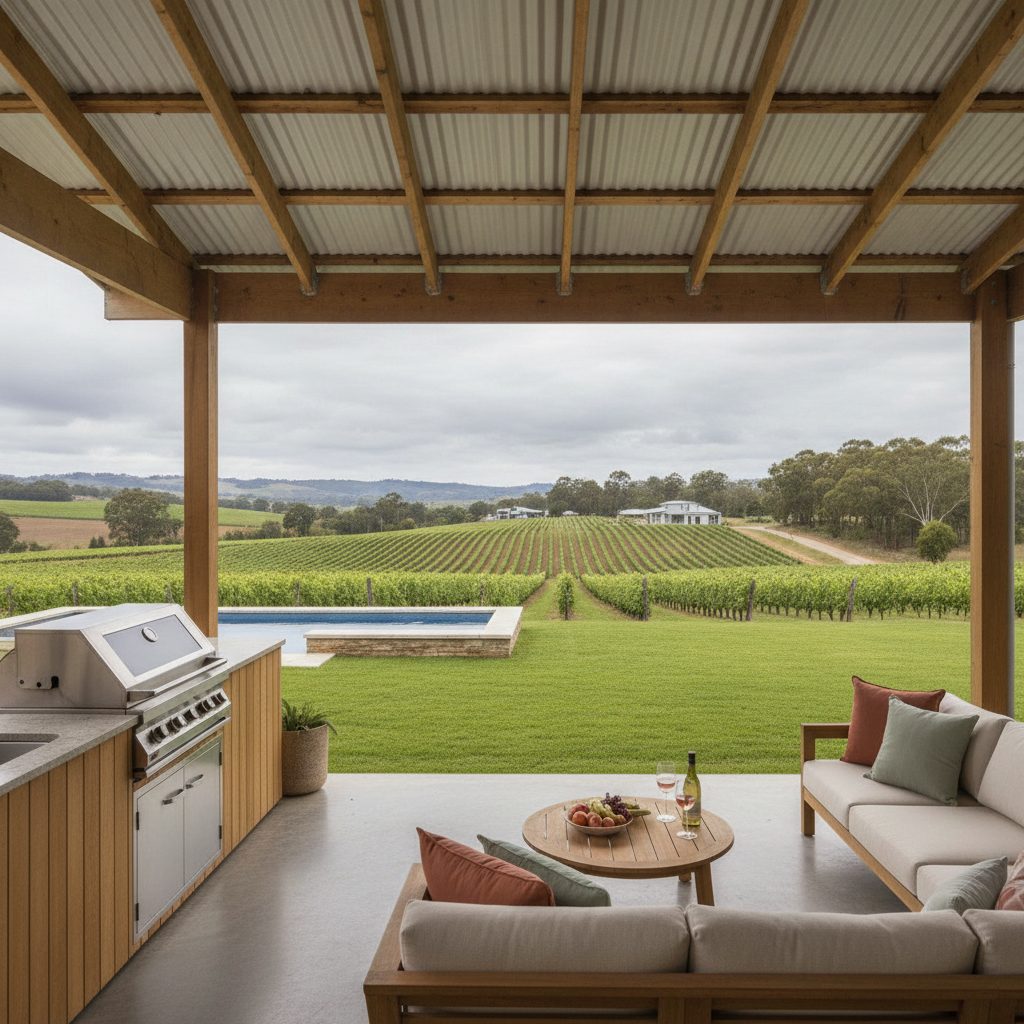
Once the house is done and you're sitting on the deck with a cold one, you want to know it's going to last. Steel frames don't rot. They don't shrink or swell with the seasons. In some parts of Australia, the humidity can play havoc with traditional builds. Doors start sticking in February and then there's a 5mm gap in August. Steel stays put. It gives you a stable base for your cladding and your interior finishes. If you've gone for Colorbond cladding too, your maintenance list basically consists of hosing the dust off every now and then. No painting every five years while balancing on a ladder. No worrying about dry rot in the bottom plates. It's build and forget, mostly.
A Few Tips for the Road
- Always verify your BAL rating with a professional before ordering. Don't guess.
- Check your local council's requirements for steel frame earthing. Standard practice, but important.
- Invest in a high-quality cordless drill and plenty of spare bits. You'll be driving a lot of screws.
- Keep your site clean. Steel offcuts are sharp and they don't disappear like sawdust does.
- Talk to your plumber and sparky early. They need to know they're working with steel so they bring the right grommets and tools.
At the end of the day, building a home is probably the biggest job you'll ever take on. It's a massive slog, but it's worth it. Choosing a steel frame isn't about being fancy. It's about being practical. It's about acknowledging that we live in a country that burns and has bugs that love to eat houses. Using BlueScope TRUECORE steel is basically an insurance policy you build into your walls. It gives you that bit of peace of mind when the northerly winds start picking up and the sky turns that weird shade of orange. You'll know you've given your family the best possible chance by choosing materials that stand their ground. Get the slab right, follow the plans, and you'll have a cracker of a home that'll still be standing in fifty years.