I spent twenty years on sites before I started writing about them. Back then, if you talked about "environmental benefits" on a job site in outer Melbourne or the back of Wagga, the boys would probably laugh you off the scaffold. But things have shifted. Not because people have gone soft, but because we've realized that build quality and environmental sense are actually the same thing. In the world of Australian kit homes, nothing proves this better than the gear coming out of the BlueScope plants.
Most blokes think about steel frames in terms of termites or straight walls. And yeah, those are the big winners. But there is a massive story here about what happens to your house in fifty or a hundred years. Or what happens at the factory before the frames even arrive on your flatbed. Steel isn't just a tough material. It's the most recycled product on the face of the earth. Any offcut from your kit home build doesn't end up in a hole in the ground. It goes back into the furnace to become something else. It's a closed loop that actually works, unlike a lot of the rubbish we hear about sustainability these days.
The Myth of Sustainable Timber vs The Reality of Steel
I've heard the arguments. People say timber is better because trees grow back. Fine. But have you seen the amount of chemical treatment that goes into H2 or H3 treated pine to keep the white ants from eating it for breakfast? You're essentially wrapping your living room in insecticide. When that timber eventually rots out or you decide to renovate in thirty years, that treated wood is toxic. You can't burn it in the fireplace and you can't mulch it. It’s landfill. Pure and simple.
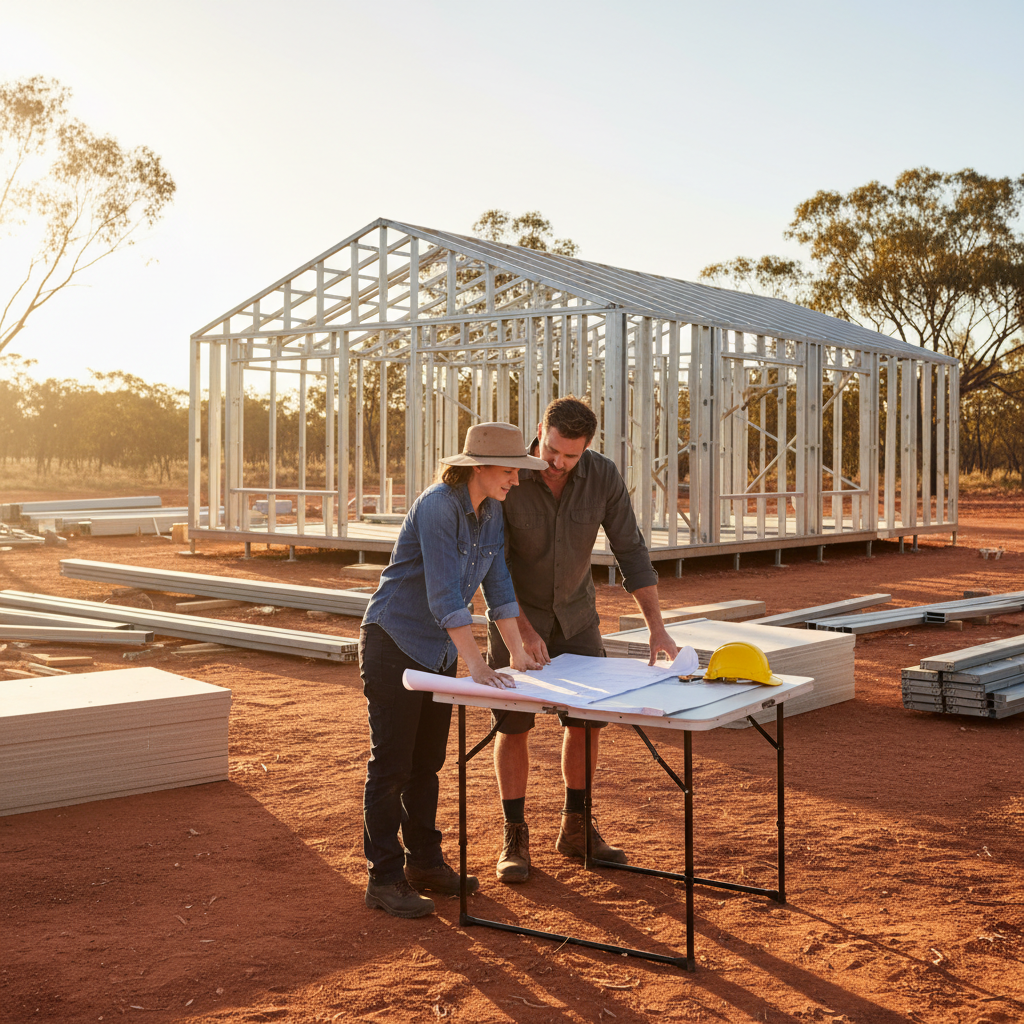
Now look at TRUECORE steel. It's made right here in Australia. It's 100 percent recyclable. Forever. You can melt a steel frame down and turn it into a car, a bridge, or another house frame without losing any of the metal's strength. Because of its weight-to-strength ratio, we're also using less material to get the job done. You aren't over-engineering with massive chunks of wood just to keep the roof up. The precision of the roll-forming process means waste is almost zero. When we pack a kit home, we aren't sending you a pile of raw materials to hack apart with a circular saw. The frames are pre-punched and cut to the millimetre. Whatever tiny bits are left over? They go straight in the scrap bin for recycling. No dramas.
Termites, Toxins, and the Soil
If you're building a kit home in Queensland or the Top End, you know the termite pressure is insane. Even in the southern states, they're a constant headache. Usually, that means pumping the soil under your slab full of chemicals or constantly spraying barriers. It's a nasty cycle. One of the best environmental perks of a steel frame kit home is what you don't have to do. Steel is 100 percent termite proof. They can't eat it. They don't like it. So, you can drastically reduce the chemical load on your piece of dirt. Not having to drench your home's footprint in poison every few years is a win for the local groundwater and your own peace of mind when the kids are playing in the dirt. Plus, steel frames don't outgas. There are no glues or resins like you find in some engineered wood products. The air inside your home stays cleaner. Simple as that.
Lightweight Footprints and Site Impact
Building a home usually involves heavy machinery tearing up the block. Because steel frames are incredibly light compared to traditional brick and mortar or heavy timber, the site impact is significantly lower. We see a lot of owner-builders working on tricky sloping blocks or sensitive bushland. You don't need a massive crew and a fleet of heavy trucks to get a steel kit home off the ground. Most of it can be handled by a couple of fit people without breaking their backs. This means less compaction of the soil and less destruction of the native scrub around your building envelope.
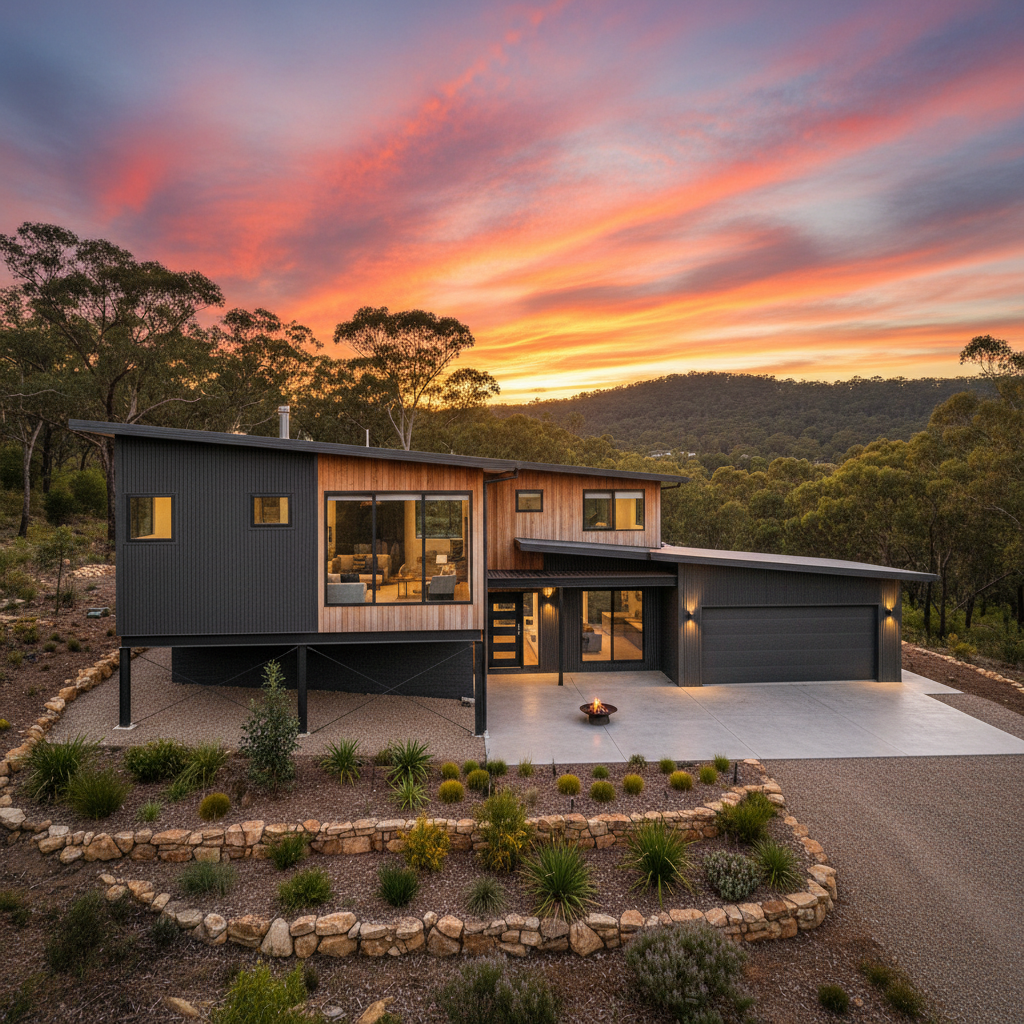
And let's talk about the NCC Volume 2 requirements for bushfire zones. If you're building a kit home in a BAL-29 or BAL-FZ area, steel is your best mate. It's non-combustible. While no house is "fireproof" if the front hits hard enough, a steel frame won't add fuel to the fire. It stays standing when other structures collapse. Saving a house from a bushfire isn't just about safety, it's about the environment too. Rebuilding a destroyed house from scratch has a massive carbon footprint. If the bones of the house survive, you're already miles ahead.
Practical Tips for the Green-Minded Owner Builder
If you're keen on making your kit home as sustainable as possible, don't stop at the frames. Here's a few things I've learned over the years:
- Orientation is King: Don't just plonk the house in the middle of the block. Point your biggest windows north. Use the sun to heat the house in winter and use eaves to block it in summer. Steel frames make it easy to design those long, clean spans for big north-facing glass.
- Insulation Matters: We include quality insulation in our kits, but don't get lazy with the install. Any gap in your batts is like a hole in a bucket. Make it airtight. Steel frames are perfectly straight, which actually makes fitting your insulation and wall wrap a hell of a lot easier than trying to wedge it into wonky timber studs.
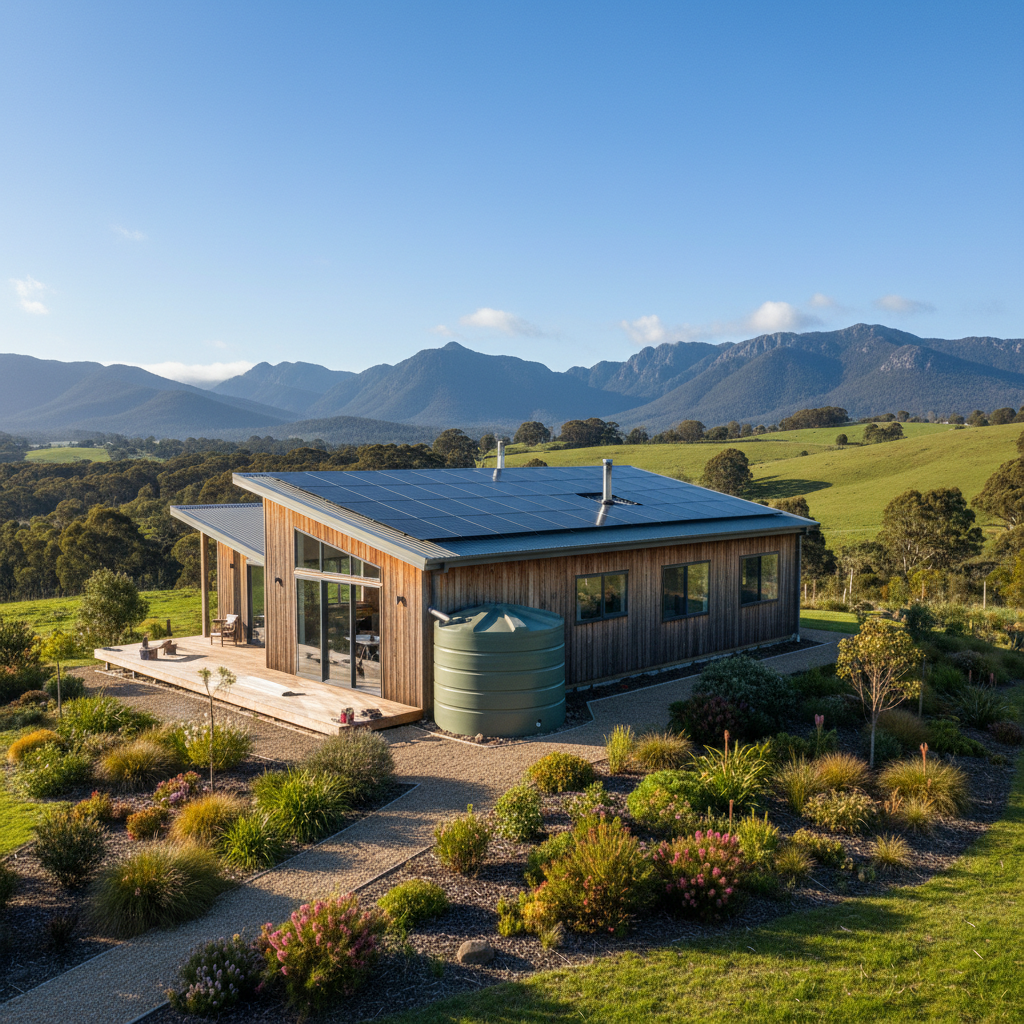
- Water Harvesting: Since your kit comes with a COLORBOND steel roof, you've got the perfect catchment for clean rainwater. Don't let it run off into the street. Get a big tank. It's better for your garden and the local drainage system.
The Long Game
We live in a throwaway society. Everything's made to last five minutes. But a house shouldn't be like that. A steel frame won't warp, twist, or shrink over time. Your doors won't start sticking because the timber moved with the seasons. This longevity is the ultimate environmental benefit. If a building lasts 100 years instead of 40, you've effectively halved its environmental impact. It's a basic fact that often gets ignored in fancy brochures.
Because these kits are designed for DIY and owner-builders, the pride of workmanship usually means the house is put together with real care. You're the one making sure every bolt is tight. That leads to a better finished product. We use BlueScope steel because it's built for the Aussie sun and the salt air. It doesn't flake out on you. You're building something for your grandkids, not just for next Christmas.
So, when you're sitting there at the kitchen table, looking at floor plans and wondering if you're doing the right thing, think about the legacy. Steel frames aren't just about speed or straight lines. They're about common sense. You're using a material that can be reborn, doesn't need poison to survive, and stands up to the harshest dirt on earth. It's the standard for a reason. And frankly, considering our climate, anything else is a bit of a gamble. Stick with the steel. It's better for the bush, and it's definitely better for your peace of mind when the wind starts howling and the termites start looking for a feed.