I was standing on a ridge near Marysville a few years back, looking at what was left of a property after a fast-moving front had gone through. The garden was ash. The plastic tanks had melted into grey puddles. But the skeleton of the shed, a cold-formed steel structure, was still standing straight. It didn't save the contents, but it didn't add fuel to the fire either. That's the first thing you need to grasp about building kit homes in Australia. We live in the most fire-prone continent on earth, and choosing a timber pine frame in a high BAL (Bushfire Attack Level) zone is like bringing a toothpick to a knife fight. It just doesn't make sense.
The Reality of BAL Ratings and Your Frame
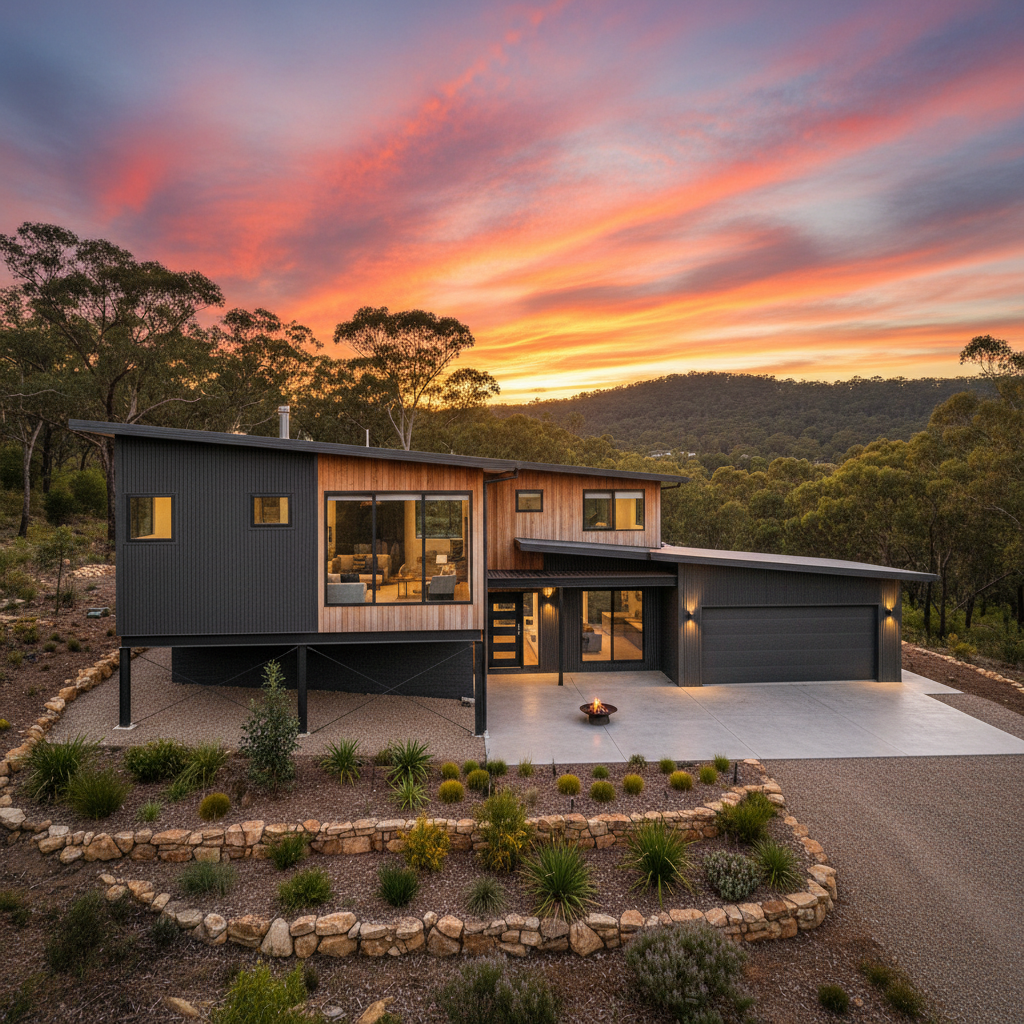
Most owner-builders get their first shock when the council DA comes back with a BAL-29 or BAL-40 rating. Suddenly, your dream of a wrap-around timber verandah is dead. You're looking at toughened glass, stainless steel mesh, and non-combustible cladding. But the frame is where the real battle is won. Steel is non-combustible. It stays true. When a fire hits, timber off-gases and adds to the fuel load of the house. Steel just sits there. It won't ignite. Because our kit homes use BlueScope TRUECORE steel, you're starting with a material that won't contribute to the fire spreading through the wall cavities. That's a massive win when the RFS is parked at the end of your driveway.
AS 3959 is the standard you'll get to know well. It covers the construction of buildings in bushfire-prone areas. If you're building in a BAL-40 or Flame Zone (BAL-FZ), the requirements for your external envelope are brutal. Using a steel frame simplifies things. It gives you a stable, straight substrate to fix your fire-rated CFC (Compressed Fibre Cement) sheets or corrugated steel cladding. If your frame won't burn, you've already cleared the biggest hurdle. Plus, you don't have to worry about the frame shrinking or warping while you're waiting for the sparky to show up. It's millimetre perfect every time.
Thermal Performance When Things Get Hot
There's a myth that steel houses are like ovens. It's rubbish. Physics tells us steel conducts heat, sure, but that's why we use thermal breaks. In a kit home setup, we include high-grade insulation and specific gaps that prevent heat from jumping from the hot outer cladding into the internal studs. During a bushfire, the radiant heat is what kills. If you've got a steel frame wrapped in Anticon or similar foil-faced blankets, you're creating a reflective shield. It's about layers. A TRUECORE frame won't twist or lose its structural integrity at the same temperatures where timber starts to char and fail. That's the difference between a roof staying up or coming down on your head.
Termites Don't Eat Steel
I know we're talking about fires, but in the Australian bush, if the fire doesn't get you, the white ants usually try. The beauty of a steel kit home is the peace of mind. You don't need to pump the ground full of nasty chemicals every five years. Termites can't chew through BlueScope steel. This is a huge benefit for owner-builders who might be building in remote spots where getting a pest inspector out twice a year is a massive headache. You've got enough on your plate managing the slab pour and the plumbing without worrying if the locals are eating your wall studs.
The Owner Builder Advantage with Steel Kits
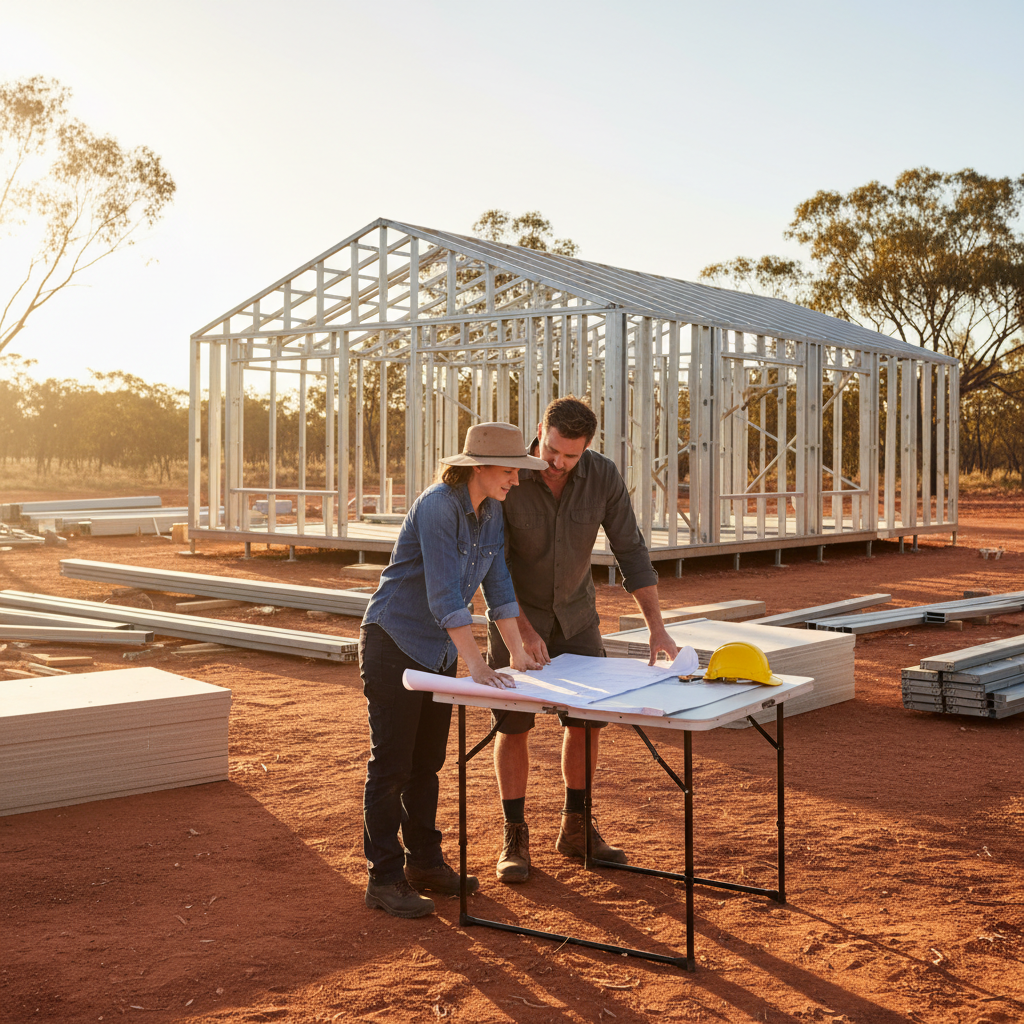
If you're doing this yourself, weight matters. Have you ever tried to lug a 6-metre treated pine 190x45 beam by yourself? It's a trip to the chiro waiting to happen. Steel frames are incredibly light because of the strength-to-weight ratio. You can move wall sections around with a mate, or even on your own if you're smart about it. The kits come pre-punched for your services too. The sparky and the plumber will love you because they aren't spending three days drilling holes through timber. They just pull their cables and pipes through the existing grommets in the steel. It saves time. And in building, time is the one thing you can't buy back.
But let's talk about the actual assembly. Precision is key. Timber moves. It bows. It has knots. You get a kit home delivered to site in Gippsland or the Blue Mountains, and it stays straight. Even if it sits on the slab for a few weeks while you wait for the windows to arrive, it won't warp in the sun. When you go to screw your plasterboard on, you won't be dealing with popped nails or wavy walls because the studs stayed exactly where they were supposed to be. It's a cleaner, more surgical way to build.
Design Flexibility in Rugged Terrain
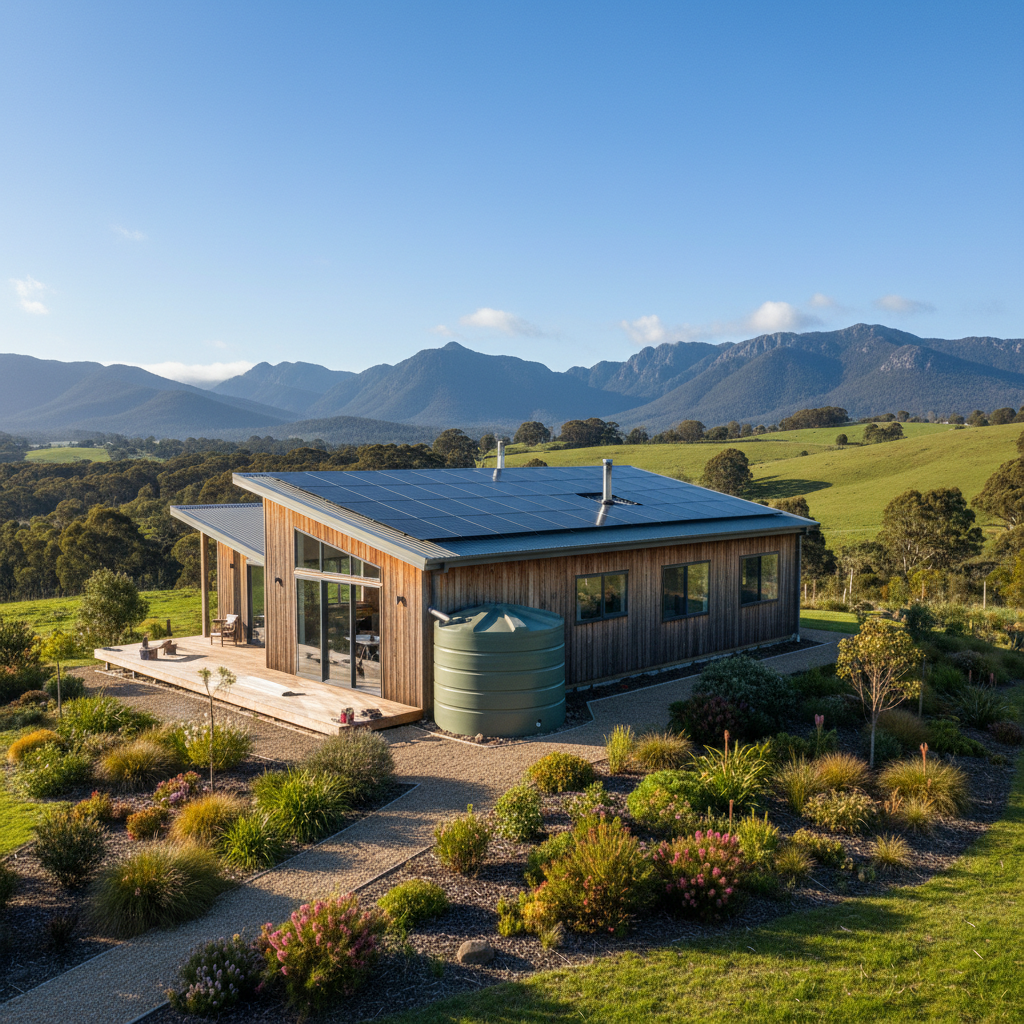
A lot of the blocks in bushfire zones aren't flat. They're steep, rocky, and awkward. Steel frames allow for wider spans without needing massive, heavy timber beams. If you want a big open-plan living area to soak in the views of the valley, steel makes that happen easily. You aren't boxed in by the structural limitations of wood. And because the kits are engineered to your specific site, including wind ratings that can go up to cyclonic levels (C4), you know the house isn't going anywhere. We've seen kits go up in some of the windiest spots in Tassie and the WA coast. They don't creak or groan. They're solid.
One thing to keep in mind is your fixings. When building in a high BAL zone, you'll be using a lot of steel cladding. Fixing Colorbond sheets to a steel frame is a dream. You're using the same material, so you don't have to worry about different expansion rates or the screws pulling out of soft timber over time. It's a cohesive system. Everything works together to create a non-combustible shell.
Common Pitfalls to Avoid
Don't skimp on your flashings. In a bushfire, embers are the real enemy. They find the tiniest gap under a ridge cap or around a window sill and they get inside. Once an ember hits the dust in your roof space, it's over. When you're putting together your kit, pay obsessive attention to the ember guarding. Use the steel mesh provided. Make sure your sarking is lapped correctly. A steel frame is the best starting point, but the finish needs to be tight. I always tell guys to treat it like they're building a boat. If water can get in, an ember definitely can.
Also, think about your sub-floor. If you're building on stumps rather than a slab, you need to enclose that sub-floor with non-combustible materials. Again, steel floor joists are the way to go here. Putting a beautiful steel house on top of a flammable timber sub-floor is just asking for trouble. Keep the system consistent from the ground up.
Why Australian Made Matters
We use BlueScope steel for a reason. It's made for our conditions. Cheap imported steel can be hit or miss with the galvanising or the thickness. When you're building a kit home that needs to last 50 years in the Aussie sun, you want the stuff that's been tested at the Port Kembla labs. TRUECORE has that distinctive blue finish, and it smells like quality when you open the pack. No, seriously. You'll know what I mean when the truck arrives. It's crisp, clean, and ready to bolt together.
Buying a kit home is a big move. It's a lot of work, and it'll probably take you longer than you think. You'll spend plenty of Saturdays covered in dust and swearing at a floor plan. But when you're sitting on the porch looking at the scrub, knowing that your home is built from non-combustible Australian steel, you'll sleep better. It's about being prepared. The bush will do what the bush does. It'll burn. It'll grow. It'll try to eat your house. With a steel frame, you're just giving yourself a massive head start in that fight. So, get your site sorted, check your BAL rating one more time, and start thinking about which Colorbond colour is going to look best against the gum trees. My pick? Deep Ocean. It never goes out of style.