Walk onto any building site in Queensland or WA and you'll see the same old battle playing out. Half the street is pouring huge concrete slabs while the other half is digging holes for steel stumps. There's no right answer, but there's definitely a wrong one for your specific block of land. I've seen owner-builders get five weeks into a project only to realize they've spent thirty grand on retaining walls that they could've avoided if they just went with an elevated design from the start.
The Slab Life: When Ground Level Makes Sense
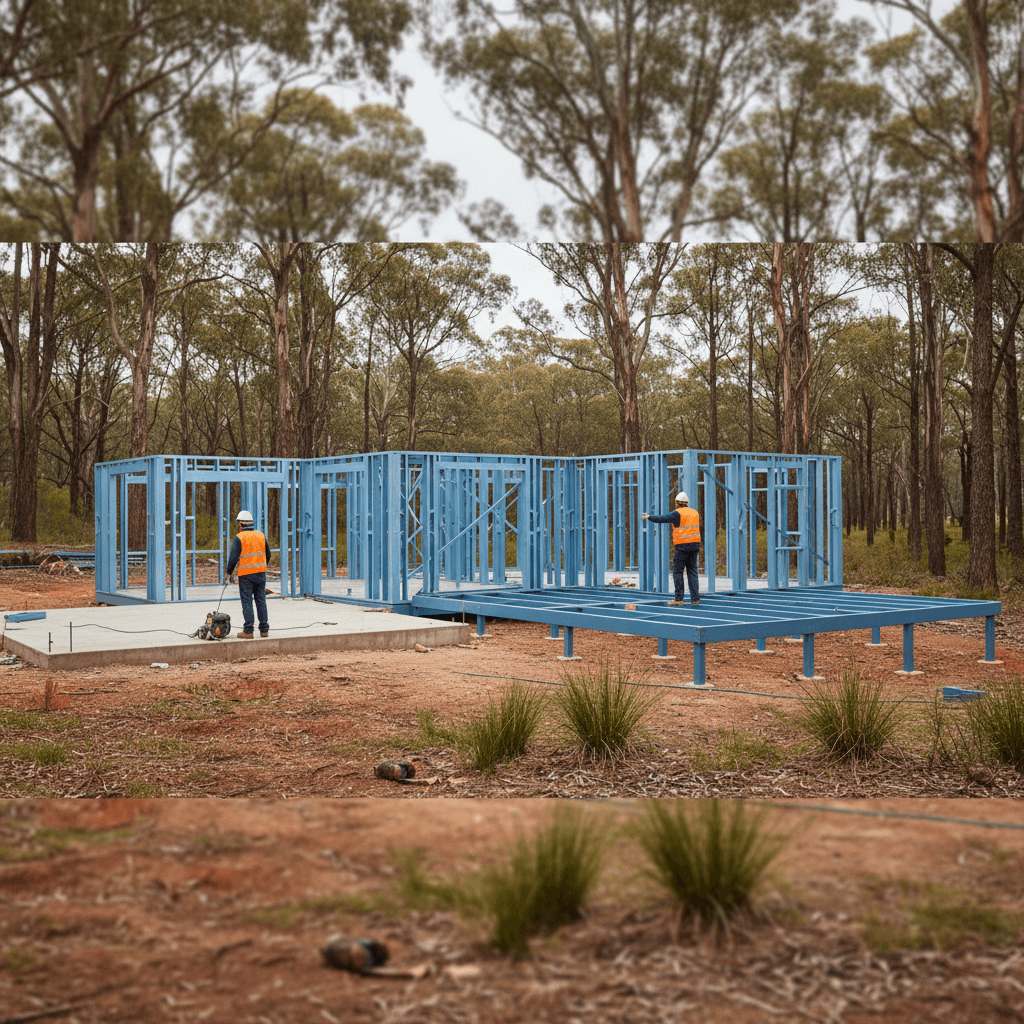
Most modern kit homes in the suburbs are designed for a slab on ground. It's the standard for a reason. It feels solid underfoot. There's no bounce when the kids run down the hallway, and it gives you that seamless transition from your living room to your outdoor alfresco area. But a slab is a permanent commitment to your site's topography. If your block has more than a half-metre fall across the building envelope, you're looking at a massive earthworks bill. You'll be hiring excavators to cut and fill the site, and that's before you even see a single stick of TRUECORE steel arrive on the truck.
Slabs also act like a giant heat sink. In places like Melbourne or the ACT, that's a win because the thermal mass keeps the place warmer in winter. But if you're building in Darwin or the Kimberleys? That concrete slab is going to hold onto the day's heat and radiate it back into your bedroom at 10pm. Not ideal. Plus, once those pipes are in the concrete, they're staying there. If you want to move a toilet three inches during the build, you're getting out the jackhammer. It's messy and it's expensive.
Going Up: Why Elevated Homes Win on Slopes
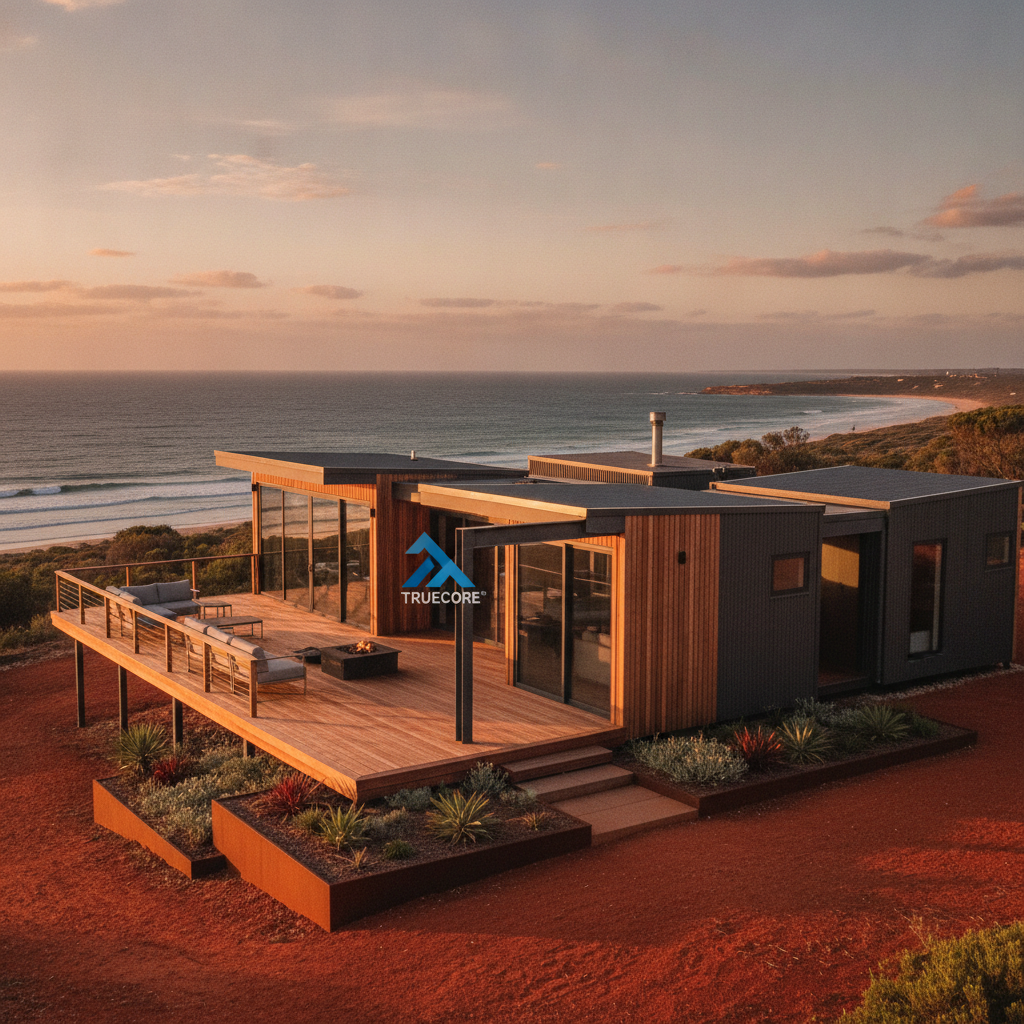
If you've bought a block with a view, chances are it's not flat. This is where elevated kit homes shine. Instead of fighting the land with a D9 bulldozer, you work with it. You dig your footings, set your heights, and bolt your steel floor chassis together. It's faster. It's cleaner. And honestly, it's better for the land. You aren't messing with natural drainage patterns as much, which means fewer headaches with council over stormwater runoff. Because the house sits up on stumps, you get natural airflow underneath the floorboards. On a 35-degree day with a bit of a breeze, an elevated home stays significantly cooler than one sitting on a hot slab of stone.
Access is the other big factor. I can't tell you how many times I've thanked my lucky stars for a crawl space. When you're an owner-builder, stuff happens. You might want to add a gas point for a heater later, or maybe the plumber needs to fish a new line through. If you're on stumps, you just crawl under there with a headlamp and get it done. No dramas. But keep in mind that you'll have stairs. If you're planning on this being your 'forever home' and the knees aren't what they used to be, those five or six steps up to the front door start to look like a mountain after a shopping run.
The Steel Frame Factor
Whether you're going low or high, the bones of the house matter. We use BlueScope steel because it doesn't give a toss about termites. In Australia, that's a massive deal. If you've got a timber floor frame on stumps, you're basically offering a buffet to the local white ants. Steel takes that risk off the table. It stays straight, too. Wood warps and twists as it seasons, especially in the humidity of the coast. Steel doesn't move. Your windows will actually open and close ten years from now, which is a nice change of pace for anyone who's lived in an old Queenslander. Because the frames are light, you can often manhandle them into place with a couple of mates without needing a crane for every single lift.
Maintenance Realities Nobody Tells You
Let's talk about the stuff that isn't in the brochure. An elevated home needs a sub-floor enclosure if you don't want the local wildlife moving in. I've seen plenty of kits finished beautifuly, only for the owner to leave the stumps exposed. Within six months, they've got every possum and stray cat in the district living under their lounge room. You'll need to budget for some battening or hardy-lattice to close that off. Also, check your BAL (Bushfire Attack Level) rating. If you're in a high-risk zone, an elevated floor needs specific protection. You can't just have exposed timber joists or open gaps. You might need to floor the underside with non-combustible material. It's not a dealbreaker, but it's an extra step in the process that catches people out during the council DA phase.
Termite Inspections and the NCC
Under the NCC Volume 2 (the building code for residential stuff), you've got to have clear inspection zones. If you're on a slab, that means your slab edge is usually visible so you can see if the little buggers are building mud tunnels up into your walls. If you're elevated, you need enough clearance for a person to get under there and check the ant caps. Don't skimp on the height. Digging out a trench just so an inspector can squeeze through is a miserable Saturday afternoon. Aim for at least 400mm to 600mm of clearance if the slope allows. Your back will thank you when you're under there dragging electrical cables later on.
Which One Suits Your Block?
Here is the quick and dirty checklist I use. If your block has more than a 1:10 fall, go elevated. If you're building on reactive clay soil that moves every time it rains, a slab might need to be so thick and reinforced that it'll cost you a kidney. In those cases, adjustable steel stumps are a godsend because you can relevel the house if the ground decides to take a walk in five years. But if you've got a dead-flat block in a windy area, a slab on ground acts as a great anchor and keeps the profile of the house low and protected.
Think about your trades, too. Plumbers generally prefer elevated homes because they aren't racing the concrete truck to get their pipes in. Concreters, obviously, prefer slabs. As an owner-builder, you're the project manager. You need to coordinate these blokes. If you're doing a lot of the work yourself, the steel floor systems that come with our kits are pretty intuitive. They bolt together like a giant Meccano set. You don't need a degree in engineering to suss it out, just a good level, a percussion drill, and a bit of patience.
Last tip: check your height bit. Councils have strict rules about how high your roofline can go. If you build an elevated home on a high part of your block, you might blow past the height limit and get a nasty letter from a guy in a suit. Always measure from the natural ground level, not where you think the floor will be. It's the small details that trip you up, but get the foundation right and the rest of the build actually becomes fun. Don't rush the decision. Go stand on your block at sunset, look at the slope, and imagine where your feet will be. That'll tell you more than any spreadsheet ever could.