The Floor Plan Trap
Most people start their kit home search by looking at pretty pictures of finished houses on a screen. You're probably sitting there right now, scrolling through designs, thinking about how nice that open-plan living area looks. But stop. Give it a rest for a second. A floor plan isn't a picture. It's a set of instructions for how your life is going to function for the next twenty years. If you get it wrong, you won't just be annoyed, you'll be living in a constant state of low-grade friction where everyone is tripping over each other's feet just to get to the fridge.
I've seen plenty of families pick a four-bedroom kit because they think they need the space, only to realise six months after moving in that the hallways are too narrow for two people to pass or that the master bedroom is so close to the living area they can hear every explosion in the latest Marvel movie while they're trying to sleep. Choosing a plan is about logic, not aesthetics. It's about sussing out the flow of your daily mess. Because your family is messy. Mine is too. We need houses that handle that reality.
Zoning: The Secret to Sanity
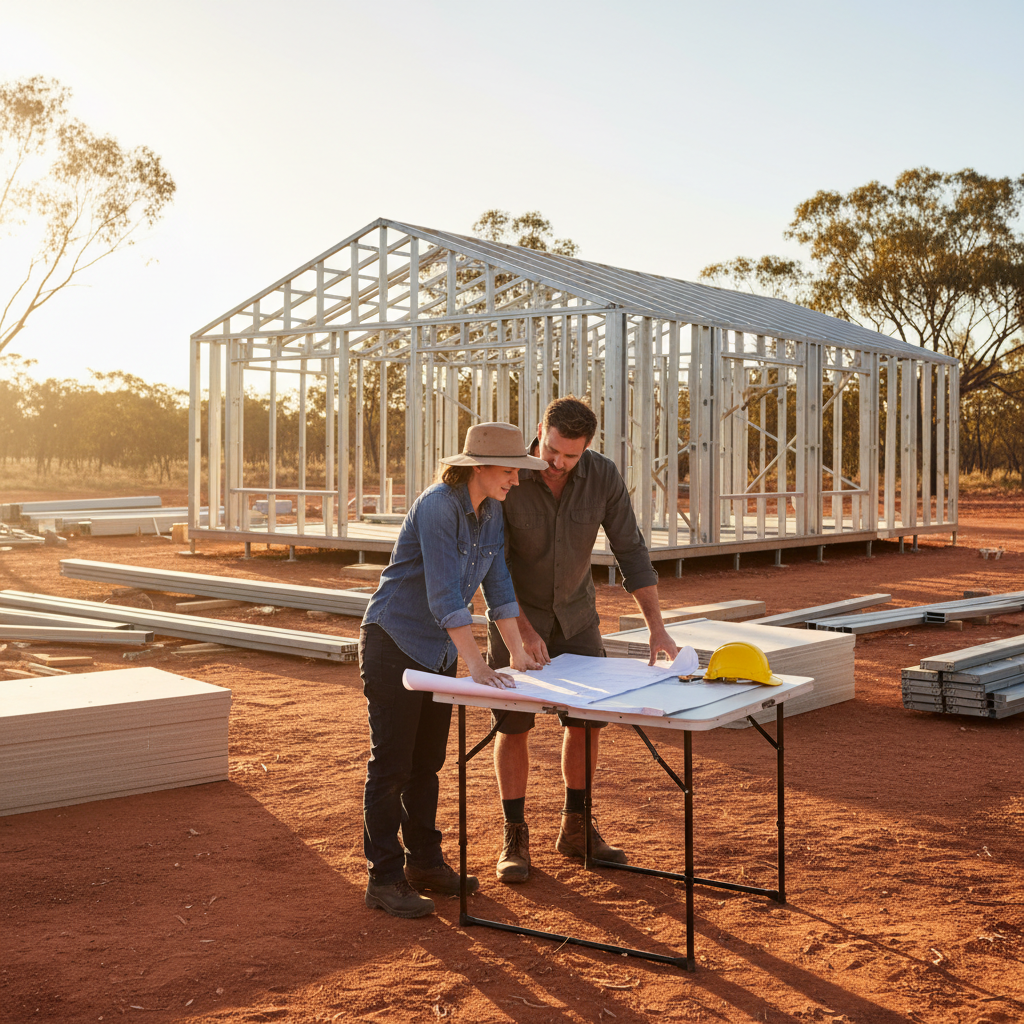
In Australia, we love our 'Great Rooms'. You know the ones. Huge open spaces where the kitchen, dining, and lounge all bleed into one. They look great in a TRUECORE steel frame before the plasterboard goes up, and they're even better for Christmas lunch. But they suck for privacy. If you have kids, or plan on having them, you need zones. No exceptions. Real zones mean physical separation. Think about putting the kids' bedrooms at one end of the house with their own bathroom and a small activity area. Put your bedroom at the other end. This isn't about being antisocial. It's about surviving the teenage years when the sound of gaming headsets and TikTok videos starts to grate on your soul. A simple L-shaped or U-shaped floor plan handles this beautifully, creating a central hub for eating together and separate wings for when you need to tap out.
Don't forget the 'buffer' zones. A walk-in robe or a bathroom placed between a bedroom and a living area acts as a fantastic acoustic insulator. It's much better than just a single sheet of Gyprock and some R2.0 batts. If you're looking at a plan where the headboard of your bed shares a wall with the TV, walk away. You'll thank me later when you're not awake at 11pm listening to the news.
The Mudroom and Laundry Reality Check
Most standard floor plans treat the laundry like an afterthought. It's usually a tiny cupboard or a narrow room tucked behind the kitchen. If you're building on an acreage block or even just a decent-sized suburban lot in a place like Gippsland or the Hunter Valley, you're going to get dirty. You'll have boots, wet jackets, and school bags. Small laundries are a nightmare. I always tell owner-builders to look for plans that allow for a 'wet entry'. This is a spot where you can come in from the garage or the back deck, kick off the muddy Blundstones, and chuck the dirty gear straight into a deep sink or the washer without dragging red dust across your nice new laminate floors. If the plan doesn't have it, see if you can tweak it. Kit homes usually give you a bit of wiggle room to move non-load-bearing internal walls before the frames are manufactured. Take that chance.
Storage Isn't Just for Boxes
You need more storage than you think. And I'm not talking about a couple of built-in robes. I'm talking about the stuff that actually clutters up an Australian home. Where does the vacuum go? Where do you put the ironing board? What about the 24-pack of Sorbent you bought on sale at Woolies? If your floor plan doesn't have a dedicated linen cupboard and a broom closet, you'll end up with a house that feels small no matter how many square metres it actually is. Look for 'dead space' in the plan. Underneath a returns air vent or at the end of a hallway. These are prime spots to stick a cupboard. Even a 600mm deep pantry can save your kitchen from becoming a cluttered mess of cereal boxes and air fryers.
Orientation and the Aussie Sun
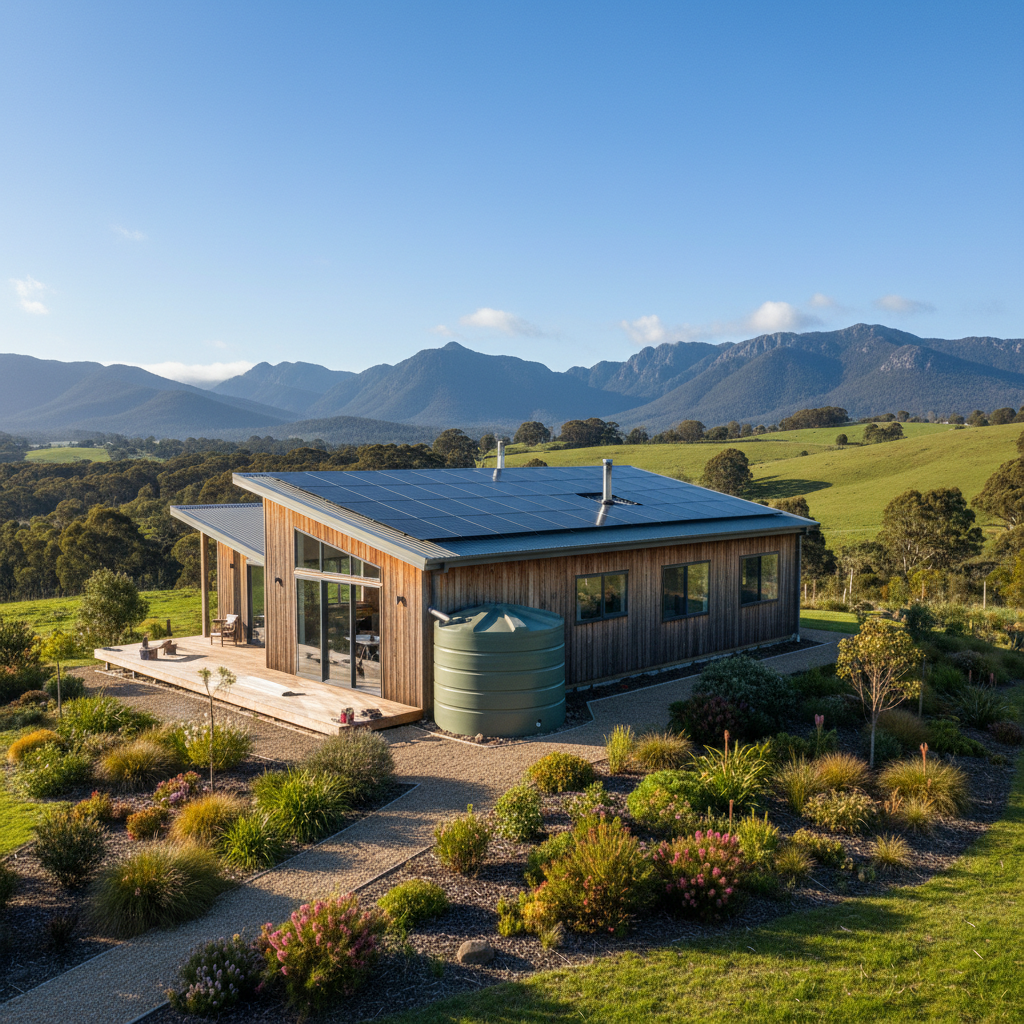
You can have the best floor plan in the world, but if you plonk it on your site facing the wrong way, it'll be a shed in summer and an icebox in winter. This is where site works and planning really matter. In the southern hemisphere, you want your main living areas and your big windows facing North. This lets the winter sun deep into the house to warm up the slab, while the high summer sun can be blocked by a decent eave or a verandah. Check your plan's window placements. Are you going to get hammered by the western sun in the afternoon? That's the sun that turns a beautiful lounge room into a sauna by 4pm. If the plan has massive glass sliders on the west, you'll need to think about external shading or high-performance glass. It's often easier to just flip the plan or mirror it to suit your specific block. Most kit providers can do a mirror-image of the design for no extra cost because the engineering for the steel frames is already done, just reversed.
The Kitchen Triangle and Then Some
We've all heard of the kitchen triangle—fridge, sink, stove. It's basic. But think about the 'traffic' through the kitchen. Is the main walk-way from the garage to the living room right through the middle of the cooking zone? That's a recipe for burnt fingers and angry parents. You want a kitchen that's a destination, not a thoroughfare. An island bench is great for kids to do homework or for a quick brekkie before school, but make sure there's at least 1200mm of space between the island and the back cabinets. Anything less and you'll be bumping hips every time someone tries to open the dishwasher. Also, think about the fridge. Modern fridges are huge. They stick out. If your plan only allows for a 600mm deep fridge recess, that stainless steel beast is going to poke out into the walkway like a sore thumb. Check the specs. Measure your actual fridge. Then add 50mm for ventilation.
Think About the Future (But Not Too Much)
It's easy to get caught up in 'resale value'. Should you add a fifth bedroom? A study? A formal dining room that you'll only use once a year for Auntie June's birthday? My advice? Build for the life you have now and the one you're certain about for the next five years. If you work from home, a dedicated office with a door that closes is better than a 'nook' in the hallway. If you have toddlers, a bath is essential. If you're retiring and downsizing, wider doorways (around 870mm or 920mm) and a walk-in shower without a hob are smart moves that you'll appreciate in a decade. These aren't just 'nice to haves'; they're practical choices that make the home liveable long-term. Even the NCC (National Construction Code) is leaning more towards these silver-level liveability standards because they just make sense.
The Reality of Site Works
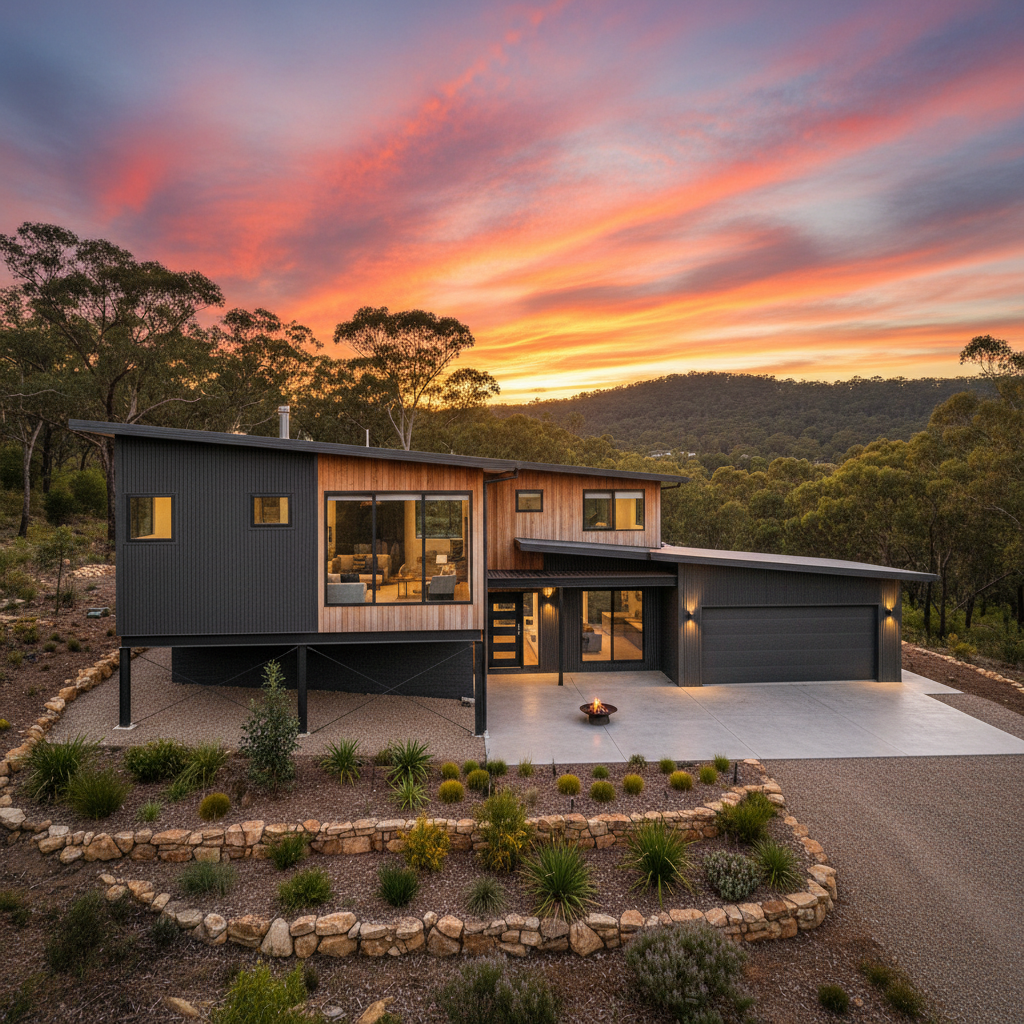
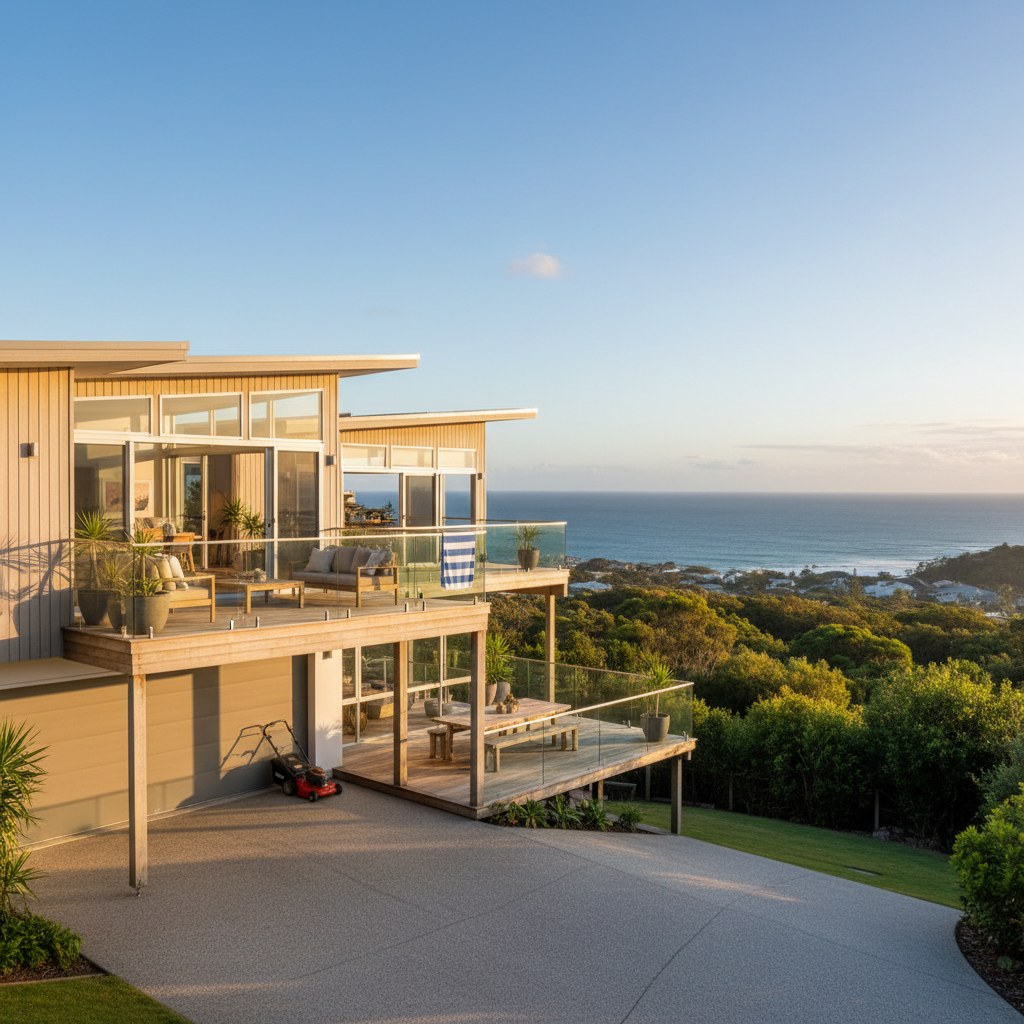
Before you fall in love with a massive, sprawling ranch-style floor plan, look at your block. Is it flat? If there's a slope, a long, wide house is going to cost you a fortune in site works, retaining walls, and extra concrete. Sometimes a more compact, square, or even two-storey design is the better move for your hip pocket. You're the owner-builder, so you're the one managing the excavator driver and the concreter. Talk to them. Show them the plan before you sign off on the kit. They'll tell you straight away if that design is going to be a nightmare to get out of the ground. No point having a perfect floor plan if you can't afford the slab to put it on.
Choosing a plan is a big job. It's exhausting. But take your time. Carry a tape measure around your current house. Measure the rooms. If your current bedroom feels cramped, find out why. Is it the size, or just the wardrobe placement? Apply those lessons to your new kit home layout. Because once those steel frames are bolted to the slab, there's no turning back. Get it right on paper first, and the rest of the build will feel a whole lot easier.