Building a kit home in Australia usually starts with two choices. You either go with the old school timber stick build or you step up to light gauge steel. People talk your ear off about termites and straight walls, which are great, but the conversation we really need to have is about what happens to your block of land and the environment after you finish the build. Steel is the only material that makes sense if you actually give a toss about sustainability.
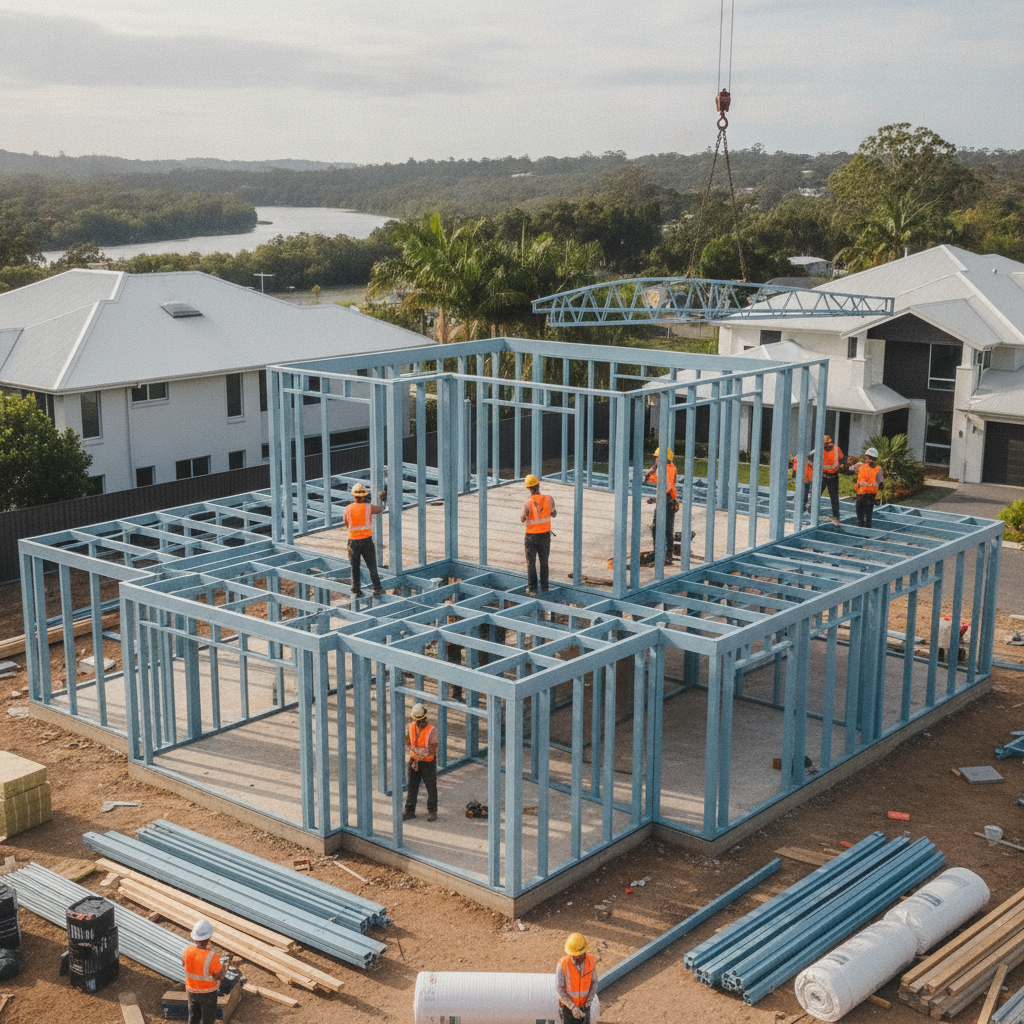
I have seen too many site skips filled to the brim with off-cuts from timber frames. It's a waste of money and a waste of resources. When you're building with TRUECORE steel, every single piece is cut to length in the factory. There is no pile of sawdust. No twisted off-cuts. Just a house that fits together like a giant Meccano set.
The Infinite Life Cycle of Your House Frame
Most building materials are a one-way street. You use them, they rot or crumble, and they end up in a hole in the ground. Steel is different. It is one of the most recycled materials on the planet. If 100 years from now someone decides to pull down your kit home, those frames don't go to landfill. They get melted down. They might become a new car, a bridge, or another house frame.
In Australia, we have a massive advantage using BlueScope steel because it's produced under strict environmental controls. Plus, it's light. Getting a steel kit out to a rural block in the Hunter Valley or up a winding track in the Dandenongs uses way less diesel than carting heavy loads of wet timber. It's simple physics. Less weight equals less fuel.
Why Construction Waste is a Silent Killer
Walk onto any standard residential building site and look in the bin. You'll see pieces of treated pine, OSB, and plywood everywhere. It's a mess. Because kit homes use precision engineering, the waste on site is practically zero. We're talking less than 1% waste in most cases.
And let's talk about those chemical treatments. To keep termites from eating a timber house, you've got to pump the ground full of barriers and use timber that's often treated with Copper Chrome Arsenate (CCA) or Light Organic Solvent Preservatives (LOSP). Steel doesn't need any of that. It's naturally termite-proof. You aren't leaching chemicals into your garden soil just to keep the roof over your head. That's a huge win for anyone planning to grow their own veggies or keep tanks for rainwater.
Thermal Performance and Energy Efficiency
A common myth I hear at the pub is that steel homes are cold. Total rubbish. If you're building a kit home in Australia, you have to meet the NCC Volume 2 requirements for thermal performance. We use high-quality insulation and thermal breaks to ensure that steel frame stays separated from the external cladding.
Because a steel frame won't shrink, warp, or twist over time, your window and door seals stay tight. No more drafts whistling through the gaps in the architraves five years down the line. A tightly sealed house is a house that's cheap to heat and cool. So, while the environmental benefit starts at the factory, it continues every time you don't have to crank the aircon during a 40-degree January arvo.
Protecting the Australian Bush
If you're building in a Bushfire Attack Level (BAL) rated zone, steel is your best mate. It's non-combustible. Simple as that. We've seen fires rip through rural areas where the only thing left standing is the steel skeleton of a shed or home. While no house is 100% fireproof, starting with a non-combustible frame gives you a massive leg up in protecting your family and your investment without relying on heavy chemical fire retardants.
Tips for the Eco-Conscious Owner Builder
If you're managing the site yourself, you've got a lot on your plate. Here is how to keep the environmental footprint small while you're putting your kit together:
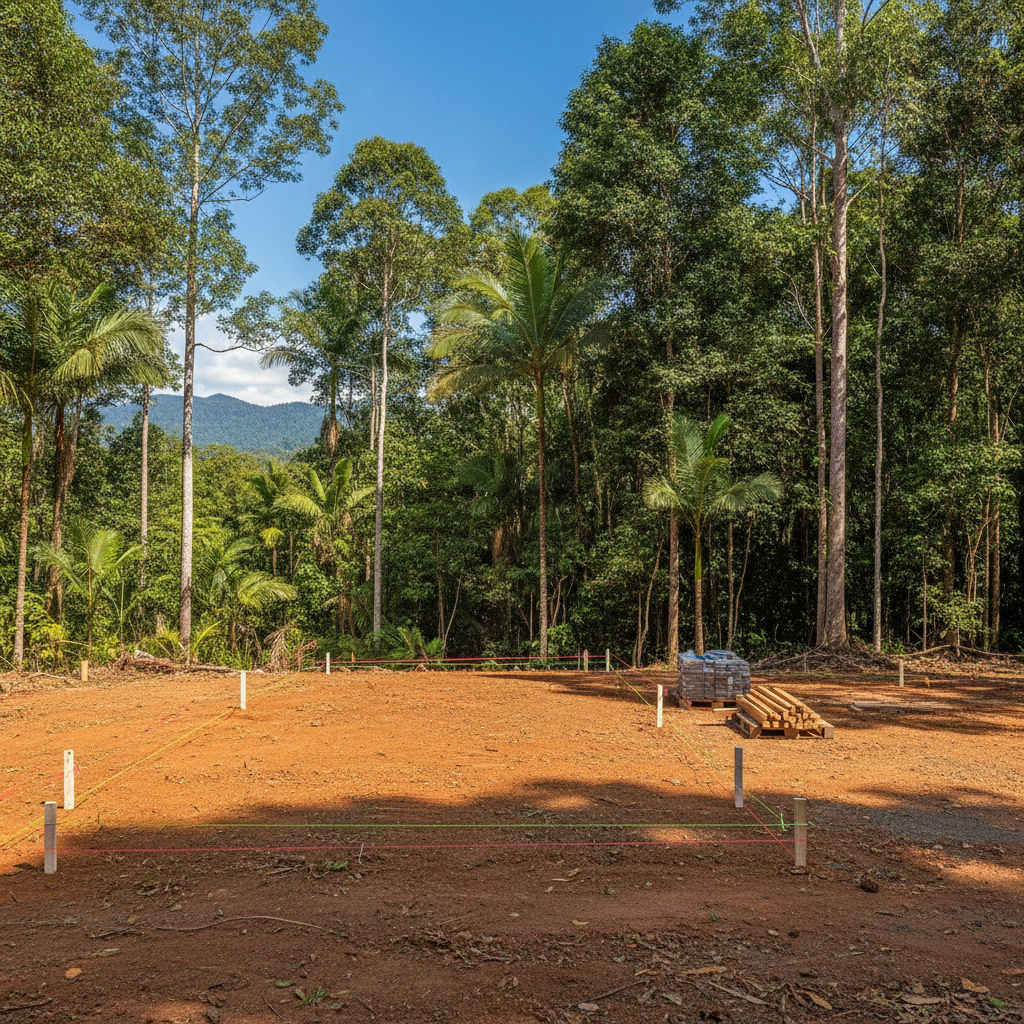
- Plan your site access early. Don't clear more bush than you have to. Steel kits can often be delivered on smaller trucks if you chat with the logistics team.
- Manage your runoff. Even if there's no wood waste, you'll still have dirt and dust. Get your silt fences up before the first delivery arrives.
- Look at your cladding. Pairing a steel frame with high-thermal-mass materials or sustainably sourced light-weight cladding makes a huge difference.
- Think about the slab. If you're using a concrete slab, ask your tradie about using recycled aggregate or fly-ash blends to reduce the carbon footprint of the pour.
Making the Choice for the Long Haul
Choosing a kit home is about more than just getting four walls and a roof. It's about how that building interacts with the Australian environment over the next fifty years. Steel frames don't rot. They don't support mould. They don't sag and cause structural stress on your roof tiles.
I've seen blokes try to save a few bucks by sourcing cheap timber, only to spend three weeks straight on site with a planer trying to fix bowed studs before the plasterboard can go up. That's wasted energy and wasted time. With a precision-cut steel kit, you're building something that is straight, true, and fundamentally better for the planet from the moment the coil is rolled at the mill. It’s a cleaner way to build. No dramas, no rot, and no heavy environmental price tag.