Steel Doesn't Burn
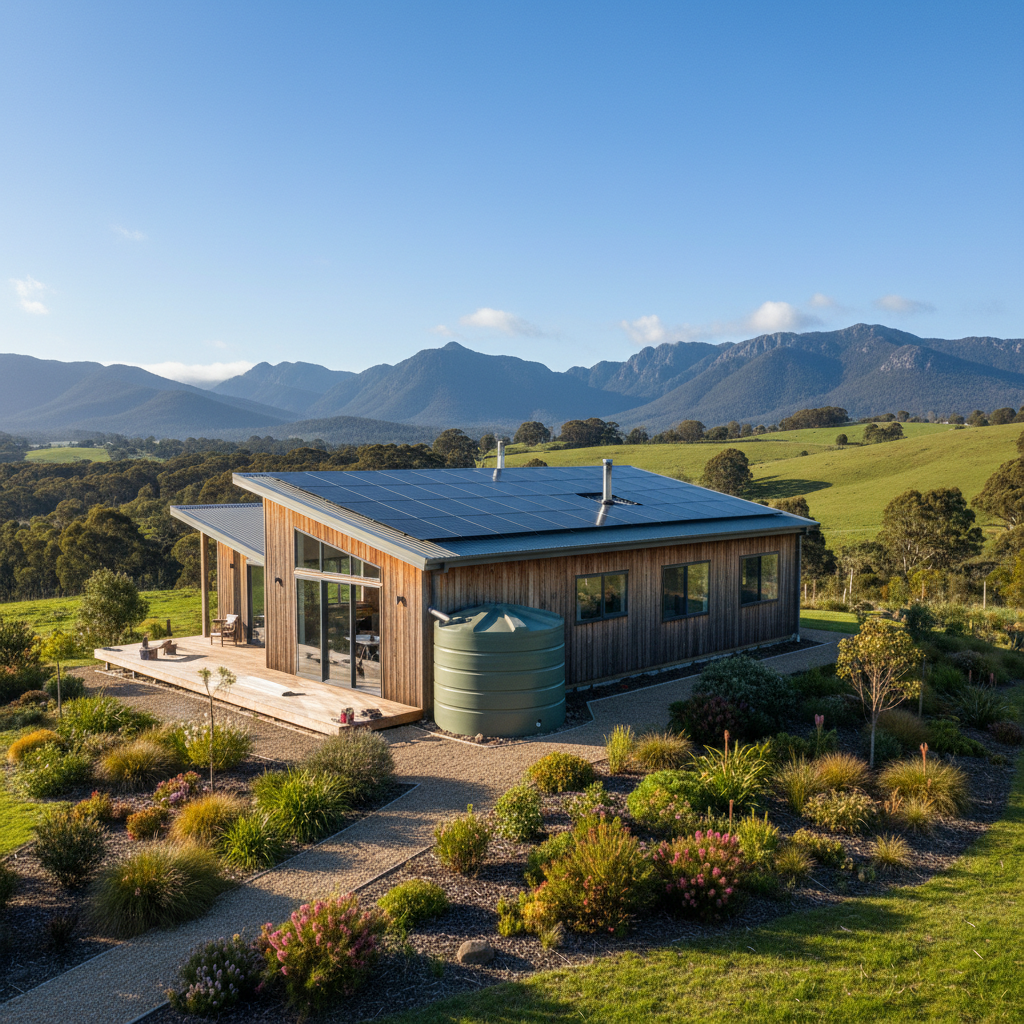
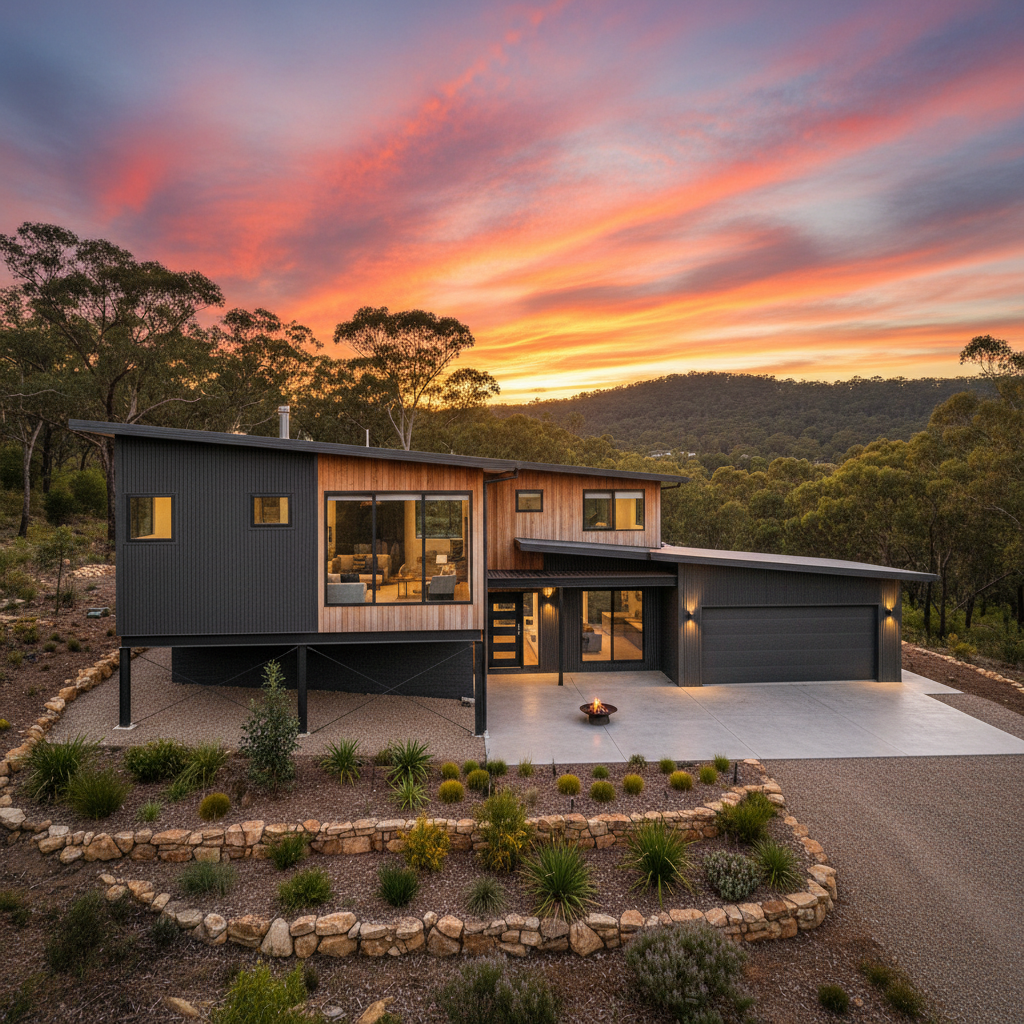
It sounds like a bit of a dry, obvious statement to start with. But when you're standing on a red-dirt block in the middle of January and the wind starts picking up from the north-west, that simple fact becomes the only thing that actually matters. I've spent fifteen years watching people pick out kitchen taps and floorboards while completely ignoring the structural bones of their home, and frankly, it's backwards. If you're building a kit home in Australia, especially if you're out past the suburban fringe, you aren't just building a house. You're building a shelter. Every summer we see the same headlines, and every year I see owner-builders surprised by the stringency of their BAL (Bushfire Attack Level) assessment.
Steel frames give you a massive head start. That's the truth of it. When we talk about kit homes using BlueScope TRUECORE steel, we're talking about a material that is non-combustible. It won't contribute fuel to a fire. It won't ignite. If an ember gets under your eaves or into your wall cavity, a timber stud becomes a matchstick. A steel stud stays a steel stud. It’s that simple. And in a country where the bush isn’t just a backdrop but a living, breathing threat for four months of the year, that choice should be the first one you make, not an afterthought you arrive at because the council knocked back your initial plans.
Understanding the BAL System
If you're new to the owner-builder game, you'll get used to the acronym BAL pretty fast. It ranges from BAL-Low up to BAL-FZ (Flame Zone). Most of you will fall somewhere in the middle, likely BAL-12.5 or BAL-29. This rating dictates everything. It tells you what kind of glass you need in your windows, how thick your insulation has to be, and what materials you can use for your cladding. Because our kits use steel frames and metal roofing like COLORBOND, you're already ticking boxes that make the certifier's life a lot easier. Plus, steel doesn't twist or warp when it gets hot in the way some people think. It holds its integrity long enough to give people a chance, which is the whole point of the Australian Standard AS 3959.
I remember a guy building up near the Blue Mountains a few years back. He was adamant about using a certain type of timber because his grandfather had built that way. Fair enough, tradition is great. But then the RFS site assessment came back. He was looking at a BAL-40 rating. The cost to protect that timber frame to meet the code was astronomical. He ended up switching to a steel kit because the frame itself gave him the fire resistance he needed without having to wrap the whole house in expensive, specialized fire-rated plasterboard just to keep the frame from becoming a hazard. He saved a fortune on secondary materials just by getting the primary material right.
The Gap Between the Walls
A lot of people think fire protection is just about the outside. Wrong. It’s about the cavity. When you're assembling your kit, you'll see how the steel studs create a clean, predictable space. We include insulation in our kits for a reason, and it’s not just to keep you warm in July. It’s about creating a thermal barrier. In a fire event, radiant heat is the silent killer. It builds up on the exterior cladding and transfers through the wall. If those walls are packed with the right glasswool batts and supported by a steel frame that won't slump or catch, you've created a far safer environment. So, when you're on-site and the sun is beating down, don't rush the sarking. That reflective foil layer is your best friend. It’s a fiddly job, and your fingers will get sliced if you aren't wearing gloves, but getting that seal tight against the steel frame is what stops embers from finding a way inside.
Termites and Toasts
Here’s a nuance people forget: fire isn’t the only thing that eats houses in Australia. Termites are like a slow-motion fire. They hollow out timber frames until there’s nothing left but the paint holding the room together. The irony? If you have to treat a timber frame with heavy chemicals to stop the bugs, those chemicals can sometimes change how the wood reacts to heat. With steel, the termites walk right past. They can't eat it. This means you aren't compromising the structural integrity of your home over twenty years, which in turn means the house remains as fire-resilient in two decades as it was the day you moved in. No rot, no pests, no fuss. It stays straight and true.
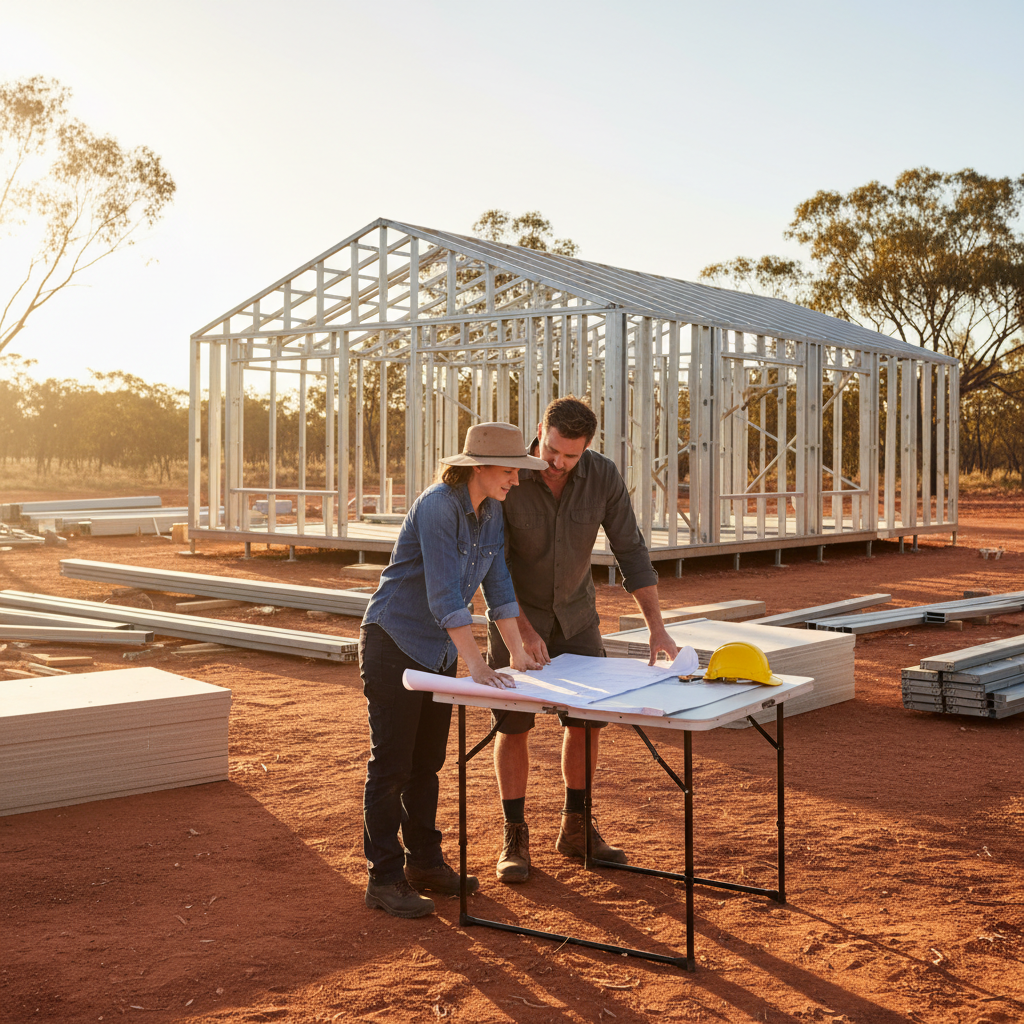
It's also about peace of mind for the owner-builder. When you're managing your own trades, you've got enough to worry about. You're dealing with plumbers who don't show up and sparkies who leave a mess. Knowing your frame is pinpoint accurate because it’s been pre-punched and engineered from BlueScope steel means you aren't on-site with a plane and a saw trying to fix wonky walls. Everything is square. This accuracy makes installing your windows and fire-rated doors much faster. And when those doors fit perfectly in a steel opening, you get a better seal. A better seal means fewer gaps for embers. It all connects.
Practical Tips for the Build Site
If you're taking delivery of your kit, have a plan. Don't just let the truckie drop the steel bundles in a heap on the grass. Get some dunnage, some scrap timber or pallets, and keep that steel off the ground. Even though it's galvanized and tougher than a Mallee bull, you don't want it sitting in the mud if a storm rolls through. Also, get yourself a good quality impact driver. You'll be driving thousands of tek screws. Don't buy the cheap knock-off brand from the middle aisle of the grocery store. Go to a proper tool shop. Your wrists will thank me by the time you're halfway through the roof trusses.
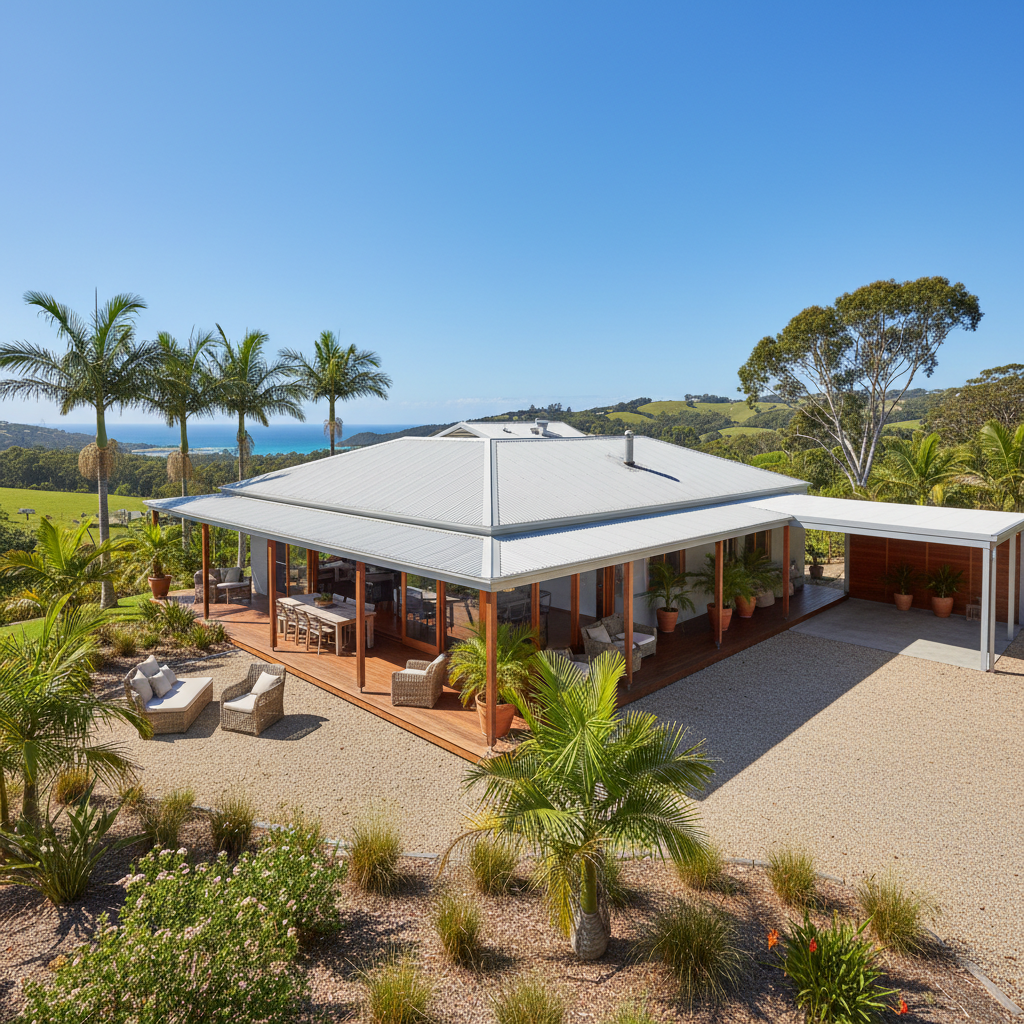
Another thing. When you're doing your site works, think about your defendable space. It doesn't matter if your kit home is made of steel, glass, and hope, if you plant highly flammable oily gums right up against the veranda. Use the steel frame as your foundation for a smart build, but back it up with good landscaping. Clear the leaf litter. Keep the woodpile away from the house. It's common sense, but you'd be surprised how often I see people spend $200k on a beautiful steel kit and then pile up old tractor tyres and dry mulch right against the cladding.
The Trade-Off: What to Watch Out For
Look, I'm a steel man, but I'll be honest with you. Working with steel has its quirks. If you want to hang a massive, heavy mirror or a flat-screen TV later on, you need to know where your studs are. You can't just drive a nail in anywhere like you did in your old rental. You'll need a stud finder that can pick up metal, and you'll need the right self-tapping screws. It's a different way of living. But for me, that's a tiny price to pay for knowing that if a bushfire comes through the gully, my walls aren't going to contribute to the problem. It's about security. It's about building something that'll still be standing for your grandkids, regardless of what the Australian climate throws at it. Steel is the backbone of the modern Australian kit home. It’s light, it’s incredibly strong, and most importantly, it’s not fuel. If you're building in this country, that’s the gold standard.