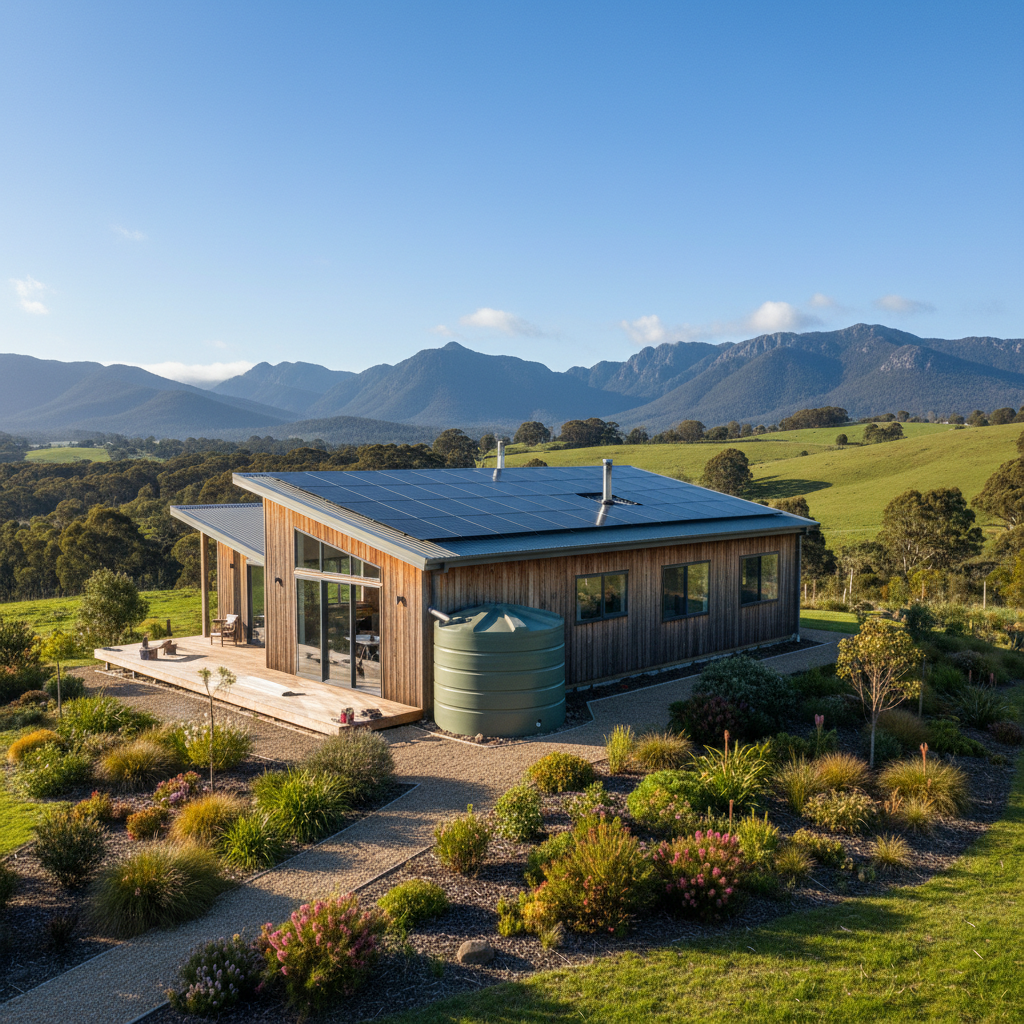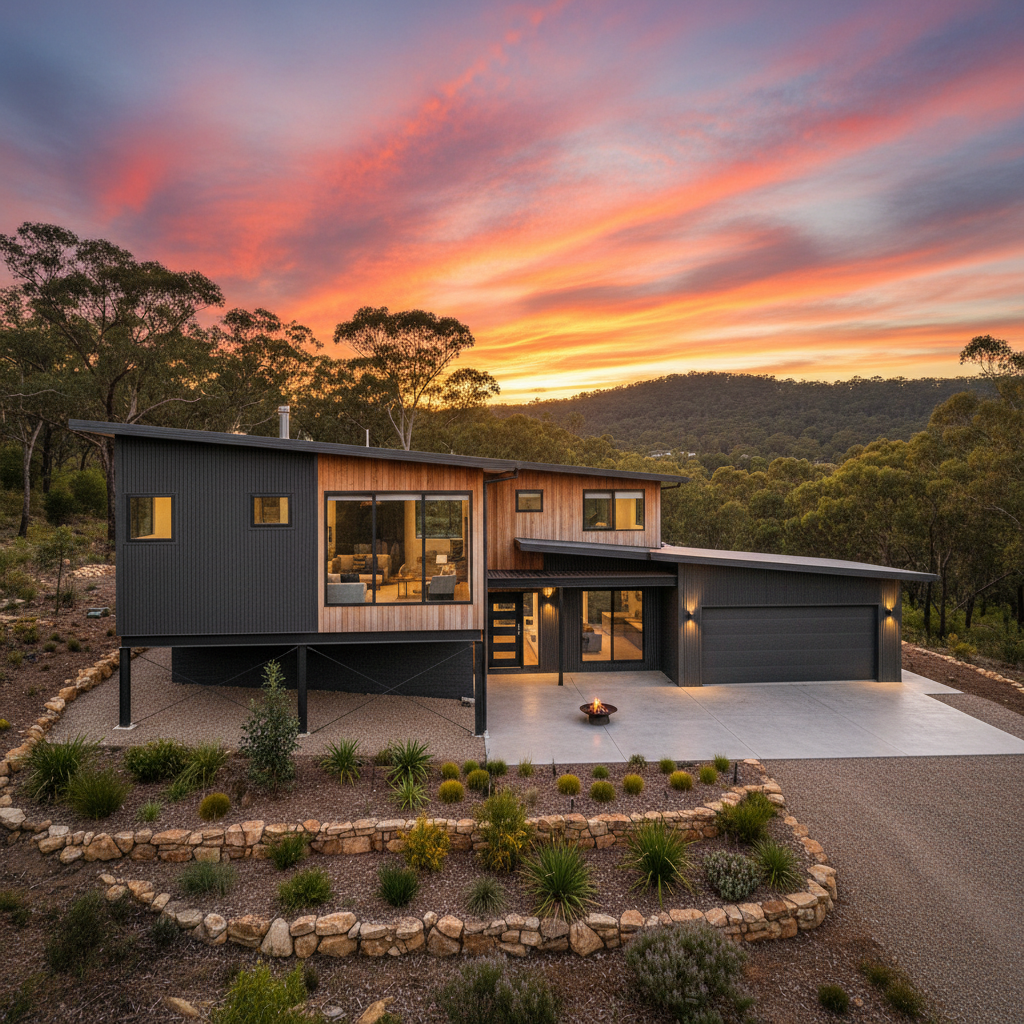
Twenty years ago, the dream was a five-bedroom double-storey in a new estate with a tiny backyard and a massive mortgage. Things have shifted. Walk through any regional town or a subdivision in the outer suburbs of Brisbane or Melbourne, and you'll see it. People are getting smarter about footprint. They want homes that don't cost the earth to run, literally. This shift toward sustainable living isn't just about solar panels on the roof anymore. It's about the bones of the house. We're seeing a massive spike in interest for kit homes because they offer a level of control you just don't get with high-volume builders who use cookie-cutter plans and plenty of off-cuts that end up in a skip bin.
The sustainability shift is real
Sustainability used to be a buzzword for hippies in the hills. Now, it's a survival tactic. Energy prices are through the roof. If your house is a drafty box with thermal bridges everywhere, you're going to pay for it every single quarter for the next thirty years. That's why the trend is moving toward materials with a better lifecycle. Steel frames, specifically TRUECORE steel, have become the backbone of this movement. It's 100% recyclable. Plus, it stays straight. You won't deal with warping or twisting that causes gaps in your insulation or cracks in your plasterboard five years down the track. When your frame stays true, your seals stay tight. That keeps the heat out in summer and the warmth in during those July nights in Goulburn or Ballarat.
And let's talk about waste. When you buy a kit home, everything is precision-cut. You aren't watching a heap of timber off-cuts and discarded plastic wrap fill up a six-cubic-metre bin on your front lawn. It's a cleaner way to build. It's more efficient. The engineering is done upfront, so you aren't guessing on site. This matters because the NCC (National Construction Code) has tightened up. Getting to a 7-star energy rating is the new benchmark, and it's a lot easier to hit those targets when your structural components are engineered to millimetre precision.
The rise of the owner-builder
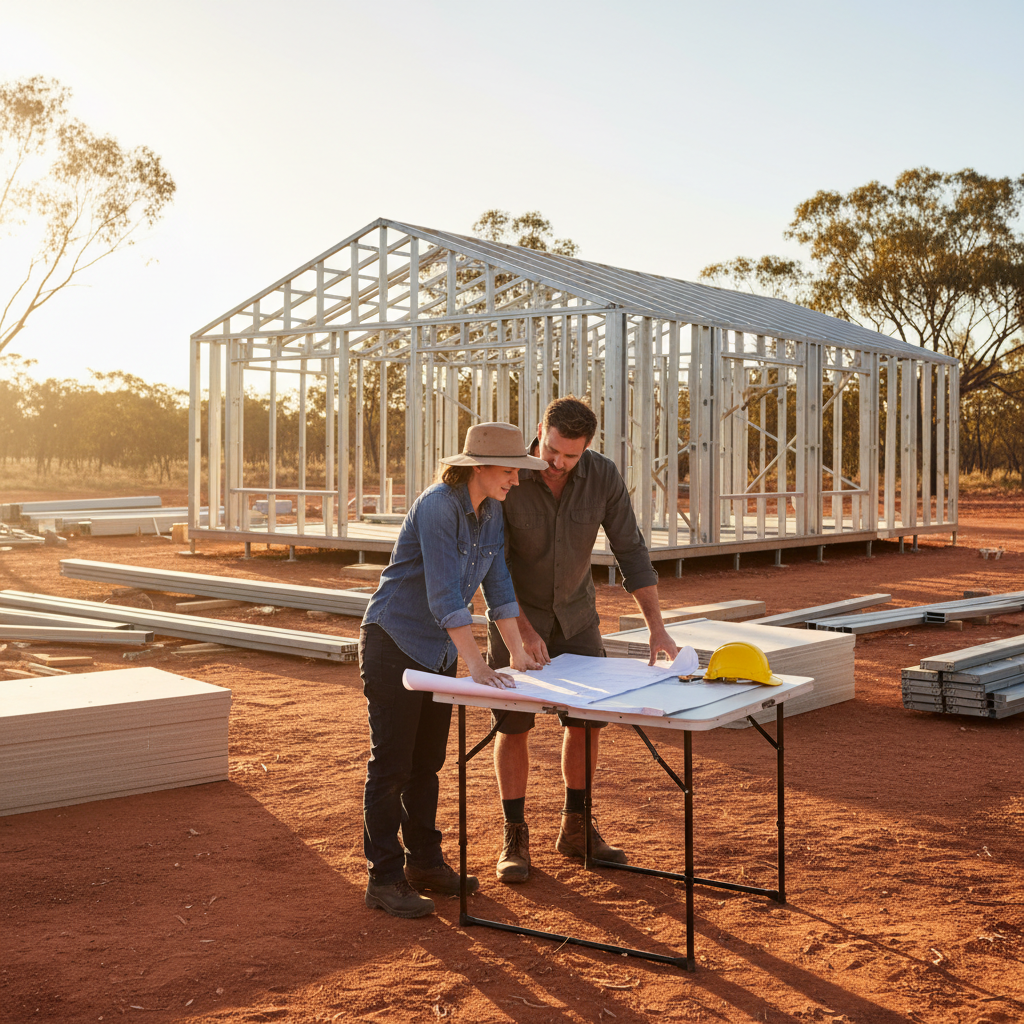
The traditional building model is broken for a lot of people. You sign a contract, wait eighteen months, and pray the builder doesn't go bust before the roof goes on. People have had enough. We're seeing more people take the reins as owner-builders. It's not just about saving a buck, although that's a big part of it. It's about knowing exactly what went into the walls. You're the one hiring the plumber. You're the one sussing out the best insulation batts. You're the one making sure the sarking is installed properly under the cladding.
But being an owner-builder isn't all beer and skittles. You've got to be organized. If you haven't booked your sparky three weeks before you need him, you'll be sitting on a stalled site while he's off doing another job. The beauty of a kit home is that the hardest part, the structural integrity and the shell, is sorted for you. You get the frames, the roof, the windows, and the doors delivered. It's a giant puzzle that actually fits together. This gives you a massive head start. You aren't starting from scratch with a pile of raw lumber and a circular saw.
Design trends that actually make sense
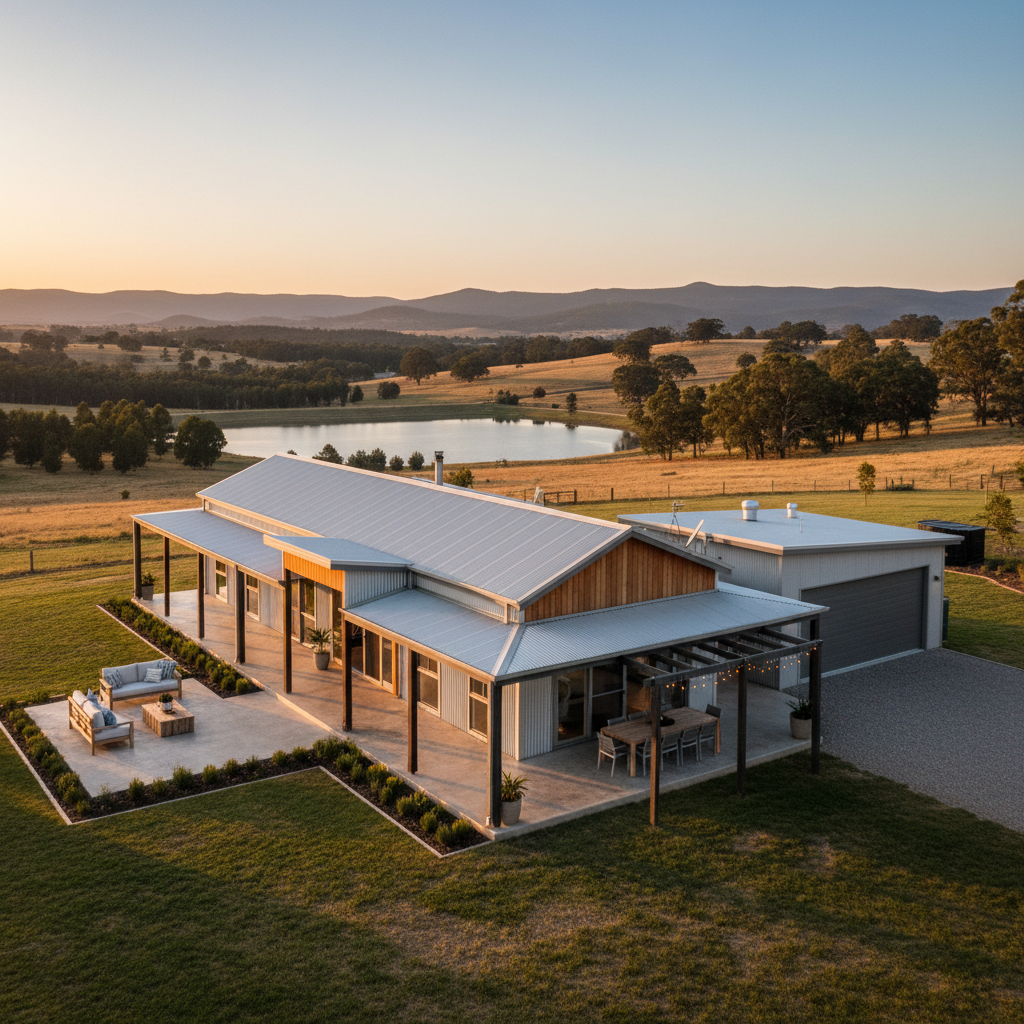
I reckon the biggest trend right now is the 'pavilion style' layout. Instead of one big blocky house, people are building smaller, connected pods. It's brilliant for airflow. It works exceptionally well with kit home designs because you can stage the build. Maybe you build the main living pod first, get your occupancy certificate, and then add the bedroom wing or the studio later. This approach fits the modern Australian lifestyle perfectly. We want indoor-outdoor flow. We want decks that are bigger than our lounge rooms.
Colorbond roofing is still king, obviously. But the color palettes are changing. We're moving away from the stark whites and beige toward deeper, earthier tones like Monument or Ironstone. These colors ground the house into the bush or the coastal scrub. Because kit homes allow for a lot of flexibility with cladding, we're seeing people mix textures. You might have horizontal steel cladding on one wall and then go for a vertical feature on the entry. It breaks up the visual bulk and makes a kit home look like a high-end architectural project without the fifty-thousand-dollar architect fee.
Practical tips for the site start
Before you even think about ordering a kit, you've got to deal with the dirt. I've seen too many people get excited about floor plans while their block is a mess of drainage issues. If you're building in a high BAL (Bushfire Attack Level) zone, you need to factor that in from day one. Steel frames are a no-brainer here because they don't burn. But you also need to think about your window specs and your mesh. Don't wait until you're at the council counter to find out you need BAL-40 rated glass.
- Get your soil test done early. Your slab design depends on it, and you don't want surprises once the excavator arrives.
- Check your access. A semi-trailer carrying your steel kit needs room to turn. If you're on a tight block in the Dandenongs, you'll need to coordinate smaller delivery loads.
- Talk to your local trades before you commit. Show them the plans. Most tradies love working with steel kits because it's clean work, but you want them on side early.
Living with steel
There is a lot of talk about how houses feel. A steel-framed kit home feels solid. No creaks when the wind picks up. No sticking doors because the header beam sagged. It’s quiet once the insulation and internal linings are in. People worry about it being a 'tin shed', but once the plasterboard is up and you've got your cabinetry in, it's just a high-quality, modern home. Except it won't get eaten by termites. In parts of Queensland and WA, that's not just a benefit, it's a necessity. You can spend your weekends at the beach instead of checking your subfloor for mud tunnels.
The trend is clear. We're moving toward smarter, faster, and more resilient ways of housing ourselves. Whether it's a granny flat for the parents or a four-bedroom family home on a few acres, the kit home model is filling the gap that big developers left behind. It puts the power back in the hands of the person who actually has to live there. And that's a good thing for the Australian housing market.
Building your own place is a massive undertaking. It's stressful. You'll probably have a few sleepless nights wondering if you ordered enough flashing. But when you stand back and look at a finished house that you managed yourself, it's the best feeling in the world. Just make sure you do your homework, pick a design that fits your block, and don't skimp on the site prep. The rest will fall into place.