Building for the Australian Elements: Why Wind Ratings Matter
When you start dreaming about building your own kit home, you probably spend a lot of time thinking about floor plans, kitchen islands, and the color of your cladding. However, before a single piece of steel is cut or a hole is dug, there is a technical hurdle every Australian owner-builder must clear: the wind rating. In Australia, our weather can range from a gentle summer breeze to the destructive force of a tropical cyclone. Because of this, our building codes are some of the strictest in the world regarding structural integrity.
In this guide, we are looking at the technical side of wind ratings through the lens of building techniques. Whether you are building in a sheltered suburban pocket or on a windswept coastal ridge, understanding the difference between N1 and C4 ratings is vital for your safety, your council approval, and the longevity of your home.
The Basics: What is a Wind Rating?
A wind rating (or wind classification) is a measure of the maximum wind speed a structure is expected to withstand in its specific location. This classification determines exactly how your kit home needs to be engineered. It affects everything from the thickness of the steel frames to the spacing of the roof screws and the type of windows you can install.
In Australia, wind ratings are governed by Australian Standard AS 4055 (Wind Loads for Housing). This standard ensures that homes are built to handle the unique pressure changes and debris impact risks associated with our climate. When you purchase a kit home, the engineering provided must match the specific wind rating of your site.
Decoding the Categories: Non-Cyclonic (N) vs. Cyclonic (C)
The Australian system is divided into two main regions: non-cyclonic and cyclonic. Within these regions, the ratings scale upward as the potential wind speed increases.
Non-Cyclonic Regions (N1 to N6)
Most Australian homes fall into the N category. These are regions where the primary risk comes from thunderstorms or standard weather fronts rather than tropical cyclones. These regions are generally located in the southern parts of the country and further inland.
- N1 and N2: These are the most common ratings for suburban areas. They apply to sheltered sites with lots of surrounding buildings or trees that break the wind.
- N3: This is moving into higher-pressure territory. You will often see N3 ratings in rural areas, hilly townships, or near the coast where there is less protection from the wind.
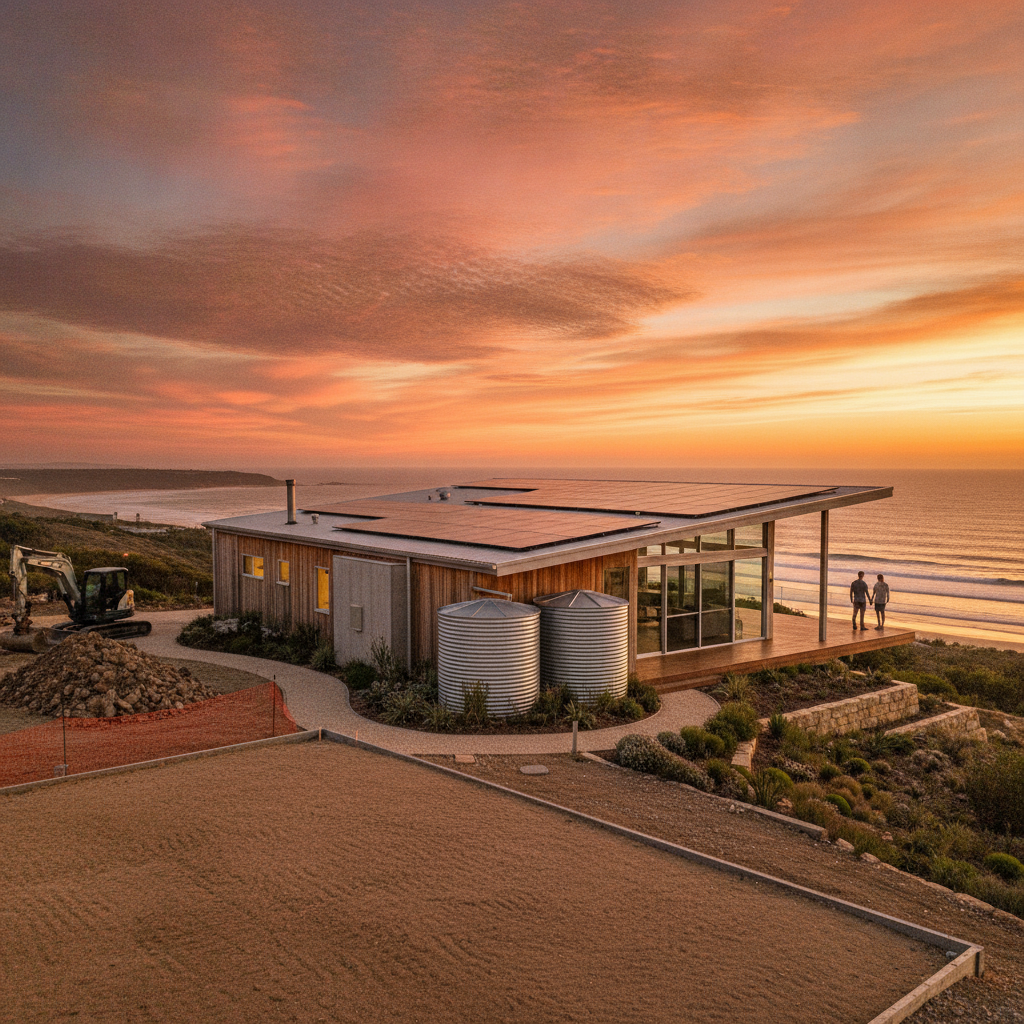
- N4, N5, and N6: These ratings are for very exposed sites, such as the top of a cliff or a mountain ridge. Building at these levels requires significantly reinforced framing and specialized fixing techniques.
Cyclonic Regions (C1 to C4)
If you are building in Northern Australia, from the mid-coast of Western Australia up around the Top End and down the Queensland coast, you are likely in a cyclonic region. These areas require a much higher level of engineering because wind speeds can exceed 250km/h during a severe cyclone.
- C1 and C2: These represent the standard cyclonic codes. Homes here feature heavy-duty tie-downs and reinforced window systems.
- C3 and C4: These are the highest ratings in Australia. C4 is typically reserved for the most extreme coastal locations in the north. If you are building here, every component of your kit home, from the steel trusses to the external doors, must be rated for extreme pressure and potential debris impact.
Factors That Determine Your Site Classification
You might wonder why your neighbor has an N2 rating while your block is rated N3. Several factors influence how the wind behaves on your specific piece of land:
1. Geographic Region: The general area of Australia where you live sets the baseline. For example, Brisbane is in Region B (Non-Cyclonic), while Darwin is in Region C (Cyclonic).
2. Terrain Category: Is your site surrounded by other houses (Terrain Category 3)? Or is it an open paddock with very few trees (Terrain Category 2)? The flatter and emptier the land, the more speed the wind can pick up before hitting your home.
3. Topography: Wind speeds up as it travels over hills and ridges. If your house is perched on the crest of a hill, it will face much higher wind pressures than a house at the bottom of the valley.
4. Shielding: Nearby structures or permanent vegetation can offer protection, effectively lowering your wind rating. However, as an owner-builder, you cannot rely on trees that might be cut down in the future, so shielding is often assessed conservatively.
The Role of Steel Frames in High Wind Areas
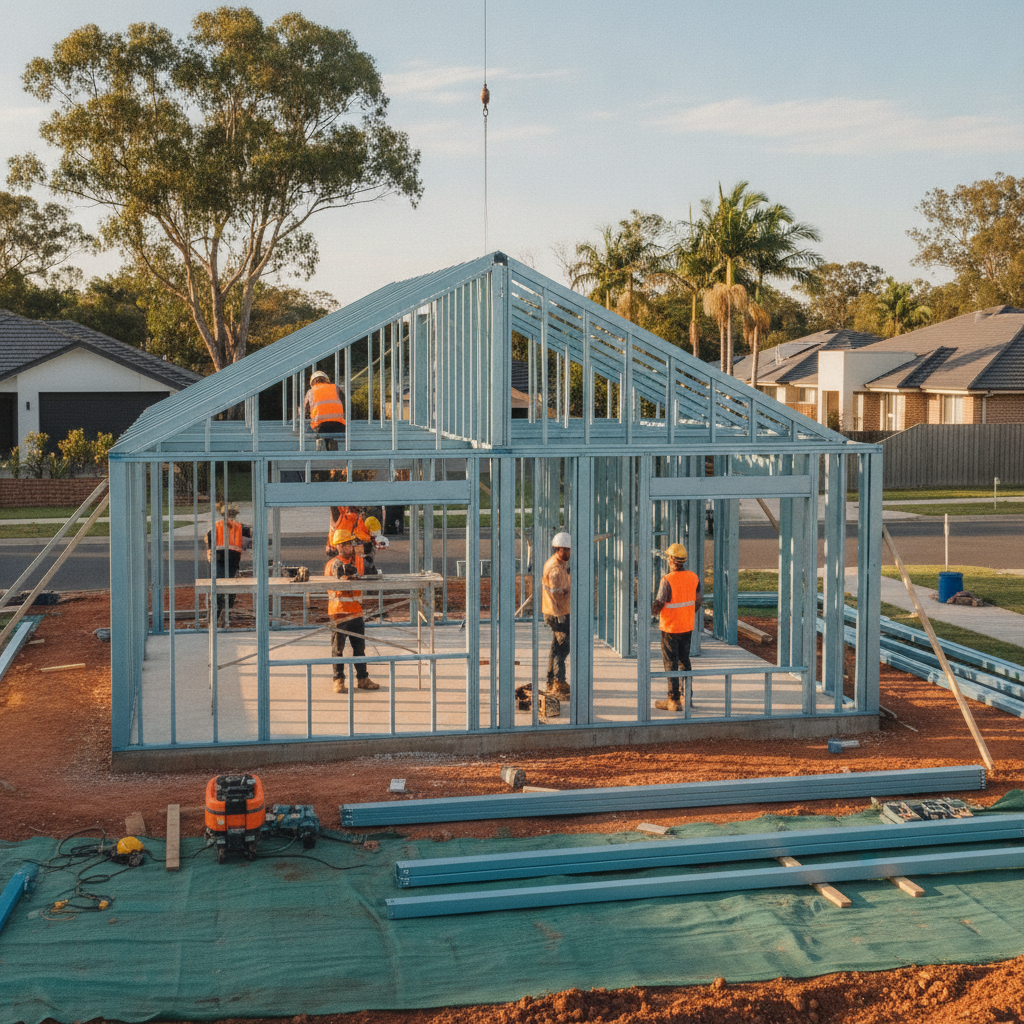
When dealing with high wind ratings, the material used for your home structure matters. Steel frames are a popular choice for Australian kit homes because of their exceptional strength-to-weight ratio. Using high-quality Australian steel, like BlueScope TRUECORE, provides a sense of security because the material is dimensionally accurate and won't warp or twist over time.
In high wind zones, the connections between the frames, the floor, and the roof are the most critical points. Steel frames allow for high-tensile bolting and specialized bracing that can be engineered precisely to meet N3 or even cyclonic requirements. Because steel is uniform, engineers can predict exactly how it will perform under stress, which is vital when you are building for safety.
Owner-Builder Tips: Navigating the Technical Requirements
If you are managing your own kit home project, the wind rating is not something you should guess. Here are some practical tips for handling this stage of the build:
- Get a Site Classification Report: Before you order your kit, hire a qualified engineer or a site classifier to visit your land. They will provide a formal report stating your wind rating. This document is essential for your kit provider to engineer your home correctly.
- Check Your Windows and Doors: It is not just the frames that need to be strong. Your windows and glass doors must also be rated for your specific wind zone. In cyclonic areas, you may even need debris-impact-resistant glass or shutters.
- Focus on the Tie-Downs: In high wind areas, the goal is to stop the wind from lifting the roof off the walls. This is achieved through a continuous load path of tie-downs from the roof cladding all the way down to the footings or slab. Follow the engineering drawings exactly.
- Don't Be Afraid of the Hardware: If your engineering calls for specific cyclone washings, straps, or high-tensile bolts, do not substitute them for cheaper hardware store alternatives. These components are the only thing keeping your home together during a storm.
The Importance of the Roof System
In any kit home, the roof is the most vulnerable part of the structure during a wind event. Wind flowing over a roof creates an uplift force, much like the wing of an airplane. For Australian kit homes, the use of high-quality roofing like COLORBOND steel is common because of its durability. However, the performance of the roof depends entirely on the installation technique. Screw patterns must be followed precisely, and the spacing of roof battens must match the engineering requirements for your wind zone. As a builder, paying attention to these small details will ensure your home remains watertight and secure.
Conclusion: Peace of Mind for Your Forever Home
Understanding wind ratings might seem like a complex jargon-filled exercise, but it is ultimately about one thing: peace of mind. Australia is a beautiful place to live, but our environment can be harsh. By ensuring your kit home is designed for the correct wind classification, you are protecting your investment and your family.
When you work with quality materials and follow professional engineering, you can build a home that stands strong against the elements. Whether you are aiming for a modest N2 cottage or a robust C2 coastal retreat, the key to success is in the planning. Respect the wind, follow the technical guidelines, and enjoy the process of bringing your Australian kit home to life.