The Importance of Fire Resilience in Australian Home Building
Living in Australia means embracing a landscape of incredible beauty, but it also means acknowledging the reality of our climate. For many owner-builders looking to create their dream home in regional or peri-urban areas, fire safety is not just a regulatory hurdle, it is a fundamental pillar of home design. When you are planning a kit home, the materials you choose for the primary structure will dictate how your home performs under pressure.
Steel frame kit homes have surged in popularity across the country, and for good reason. While the aesthetic flexibility and termite resistance are often highlighted, it is the fire resistance ratings of steel that provide the ultimate peace of mind. In this guide, we will explore why steel is the gold standard for fire protection and how choosing the right framing system can help you navigate the complexities of building in fire prone areas.
Understanding Steel as a Non-Combustible Material
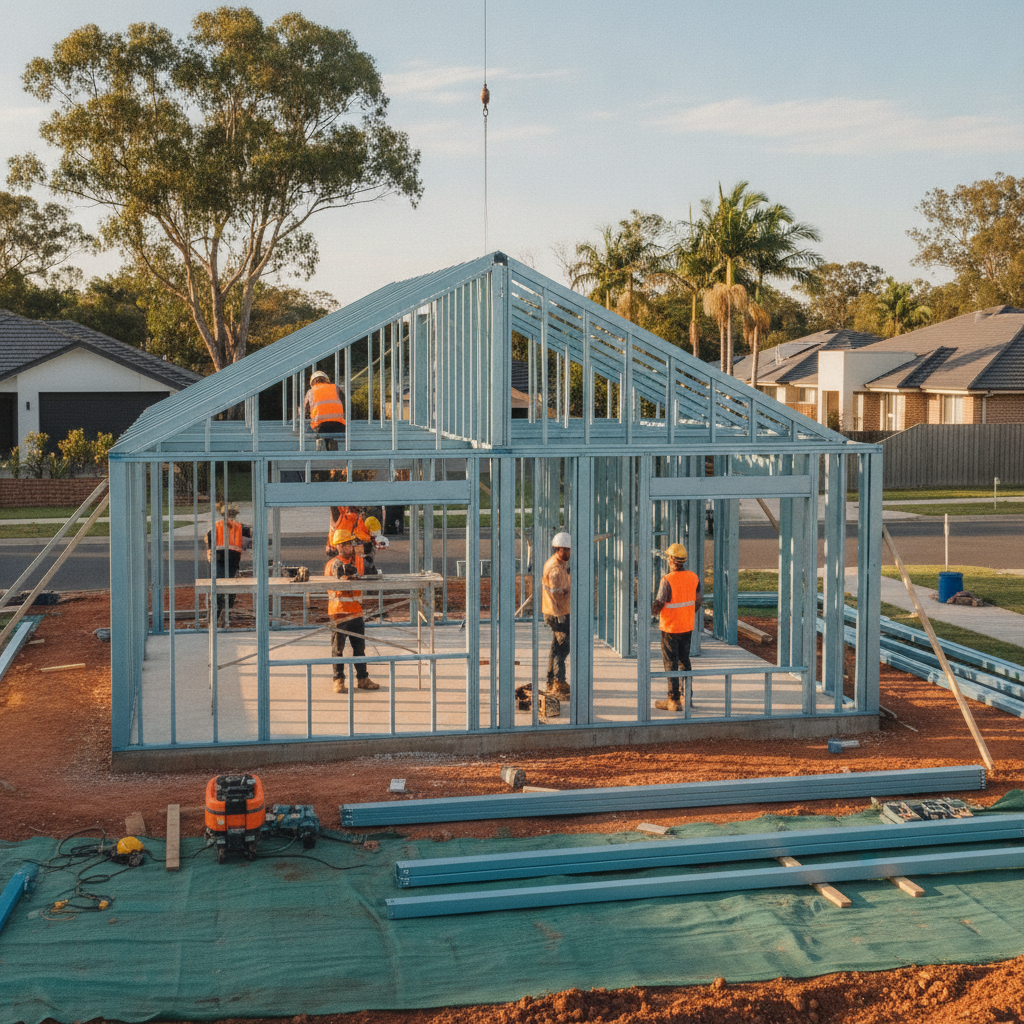
The most significant advantage of a steel frame kit home is simple: steel does not burn. Unlike traditional timber framing, which can act as fuel during a bushfire event, steel frames are inherently non-combustible. When you use high quality Australian products like TRUECORE steel by BlueScope, you are starting with a skeleton that will not contribute to the spread of a fire.
In a fire situation, the goal is to maintain the structural integrity of the building for as long as possible. Steel frames do not ignite, meaning they do not provide a path for fire to travel through wall cavities or roof spaces. This is a critical factor in protecting the overall envelope of the home. By using steel, you are significantly reducing the fuel load of your construction, which is a key consideration for any owner-builder working within a Bushfire Attack Level (BAL) rated zone.
Navigating BAL Ratings and Kit Home Design
If you are building in Australia, you will likely encounter the BAL system. This rating determines the type of construction required based on the potential exposure to ember attack, radiant heat, and direct flame contact. The levels range from BAL-Low to BAL-FZ (Flame Zone).
BAL-12.5 to BAL-40
For homes rated up to BAL-40, steel frames provide a robust foundation that easily integrates with fire-rated cladding and roofing materials. Because the frames are dimensionally stable, they provide a flush, secure surface for attaching fire-resistant external skins. Our kits include roofing, cladding, and insulation that are specifically chosen to satisfy the requirements of these zones when installed according to Australian Standards.
BAL-FZ (Flame Zone)
Building in a Flame Zone is the most stringent requirement in the Australian building code. Steel is often the preferred choice here because it can be integrated into specialized systems designed to withstand direct flame. While the owner-builder is responsible for the site specific engineering and local council approvals, starting with a steel frame makes achieving these high-level compliance markers much more straightforward.
The Role of the Building Envelope
While the steel frame is the backbone, fire resistance is a holistic effort. A kit home is a system of components working together. For an owner-builder, understanding how the frame interacts with the rest of the kit is vital.
1. Roofing and Cladding: Using non-combustible metal cladding and roofing (like those provided professionally in our kits) ensures that the exterior of the home is protected against ember attack, which is the cause of most home losses during fires.
2. Insulation: Proper insulation does more than regulate temperature. It acts as a secondary barrier. Kit homes that pair steel frames with high-quality, non-combustible insulation create a thermal break that helps protect the internal environment.
3. Sealing the Gaps: Steel frames are precision engineered using a CAD-driven process. This level of accuracy means that joints are tight and gaps are minimized. For an owner-builder, this makes it easier to install sarking and fire-grade sealants, ensuring there are no entry points for wind-borne embers.
Practical Tips for Owner-Builders Focusing on Fire Safety
Taking on the role of an owner-builder is an empowering journey, but it requires a keen eye for detail, especially regarding safety standards. Here are some actionable tips for managing your fire-resistant build:
Choose the Right System Early
Don't leave fire considerations for the end of the project. Selecting a steel frame kit home at the start means you are building fire resilience into the very blueprint of the house. Inform your kit provider about your BAL rating so the provided cladding and windows can be matched to your specific site requirements.
Focus on Ember Protection
Most homes lost in bushfires are not taken by the front of the fire, but by ember attack hours after the fire has passed. Use the precision of your steel frames to ensure your external seals are perfect. Ensure that your weep holes are screened with metal mesh and that your roof valley gutters are kept clear of debris.
Landscaping and Asset Protection Zones
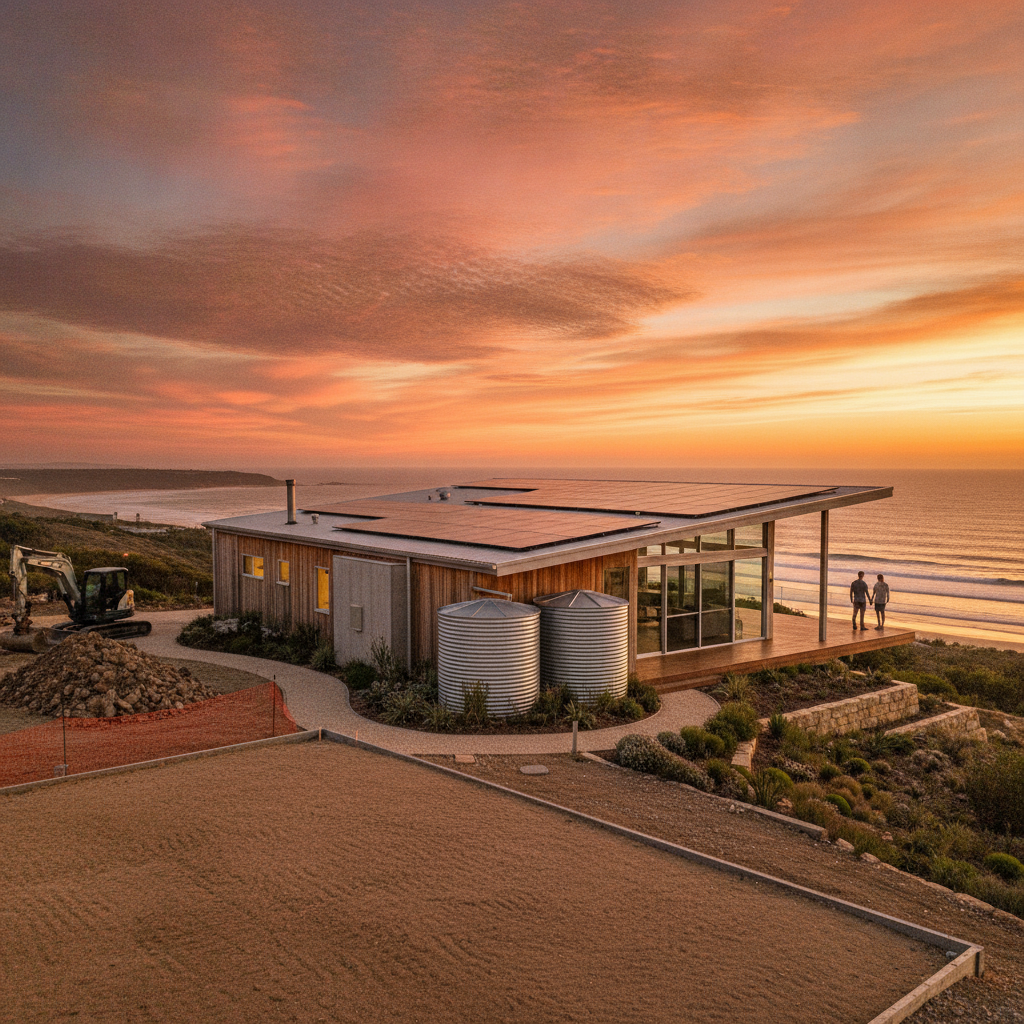
The home itself is only part of the equation. As an owner-builder, you have control over the site works. Create a 'defensible space' around your steel frame home. Use gravel paths, non-combustible retaining walls, and fire-resistant plant species. The combination of a steel-framed house and a well-managed landscape is a powerful defense.
Why Australian Steel Matters
When we talk about steel frame benefits, the quality of the steel is paramount. Australian-made TRUECORE steel is specifically designed for our harsh environment. It features a thin, protective coating of an aluminum, zinc, and magnesium alloy which provides long-term corrosion resistance.
From a fire perspective, Australian steel is manufactured to strict tolerances. This means that in the event of extreme heat, the performance of the steel is predictable. This predictability is what engineers and fire safety experts look for when certifying a home. By choosing a kit that utilizes local steel, you are supporting Australian industry while ensuring your home meets the highest safety benchmarks.
Design Flexibility Meets Safety
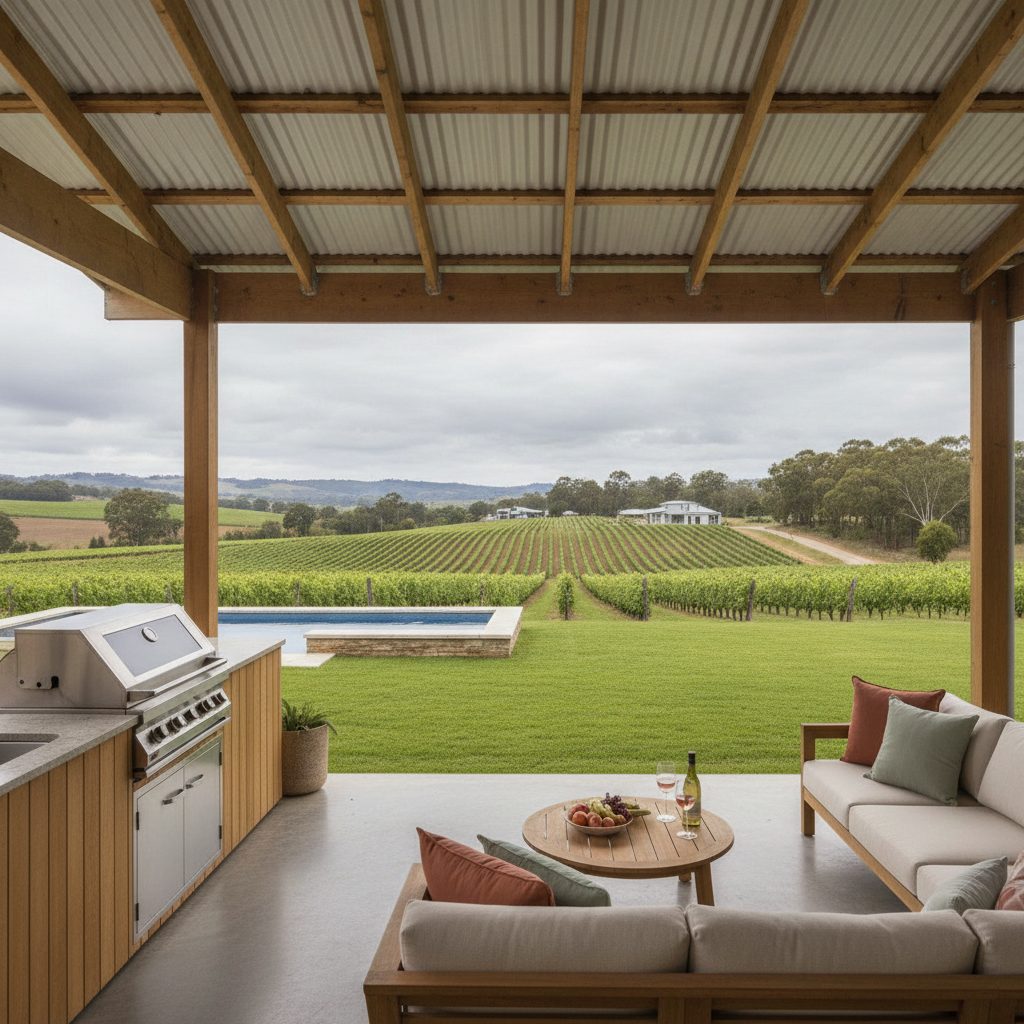
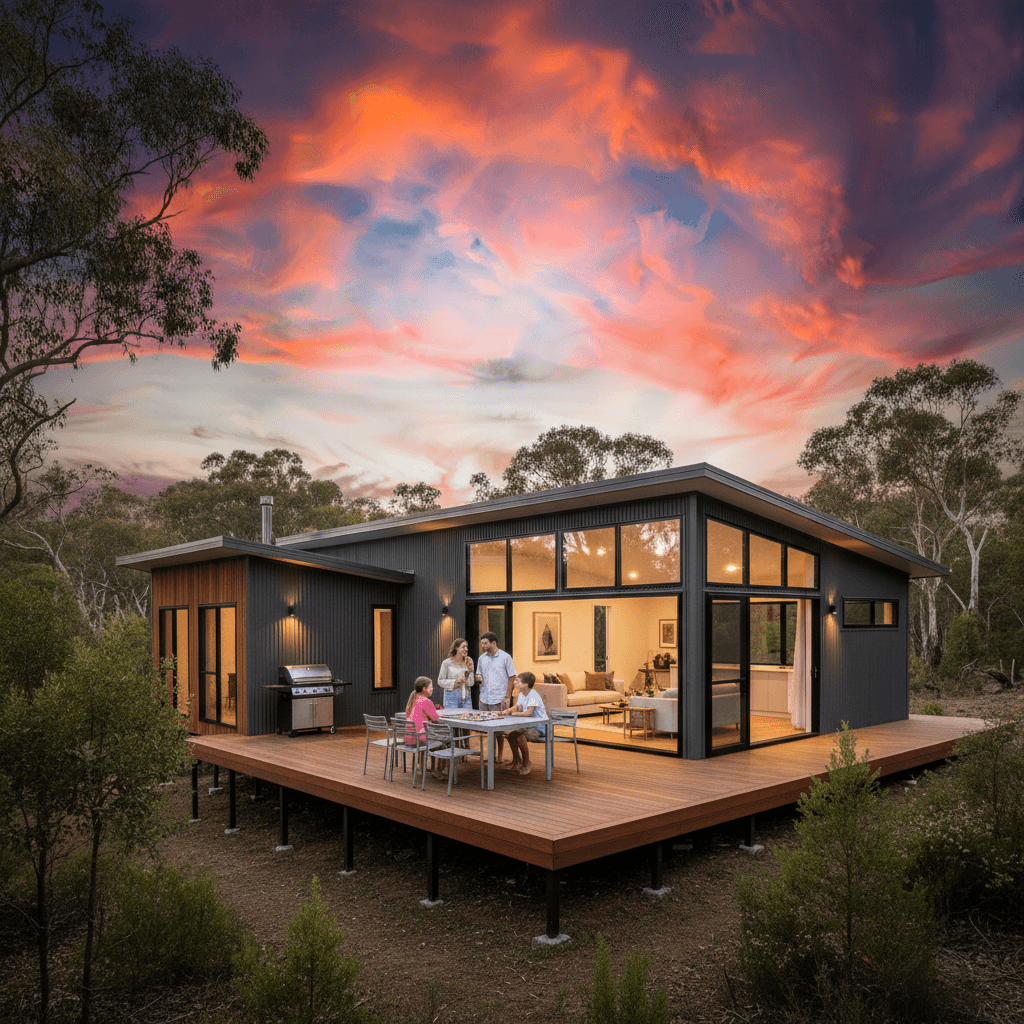
A common misconception is that fire-rated homes have to look like bunkers. This is simply not true. Steel framing allows for wide spans, open-plan living, and modern architectural lines. Because steel is so strong relative to its weight, you can have large windows (fire-rated, of course) and expansive living areas while still maintaining a high fire resistance rating. You don't have to sacrifice your lifestyle or your aesthetic vision to be safe.
Conclusion
Building a home in Australia is a dream for many, and doing it as an owner-builder adds a layer of personal pride and connection to the project. However, with that responsibility comes the need to make informed, safe choices. Steel frame kit homes offer a superior solution for those concerned about fire resistance. By choosing a non-combustible core, utilizing precision engineering to block ember entry, and following the BAL guidelines, you can build a home that is as resilient as the Australian landscape itself.
Safe, durable, and stylish, the modern steel frame home is a testament to how smart material choices can provide security for your family and your future. If you are ready to start your journey, focus on the structural integrity that only steel can provide, and enjoy the peace of mind that comes with a fire-resistant build.