Why Fire Resistance is a Priority for Every Australian Homeowner
Australia is a land of breathtaking landscapes, from the rugged bush to the rolling hinterland and the sweeping coast. But as any local knows, living in this beautiful country comes with a unique set of challenges, particularly the seasons that bring high fire risks. For those planning their dream home through the kit home path, safety and resilience are often at the top of the priority list. This is where the choice of structural material becomes one of the most important decisions you will ever make.
Choosing a steel frame kit home is not just about structural integrity or speed of assembly, it is about peace of mind. In regions prone to bushfires, building a home that can withstand the heat and resist ignition is vital. In this guide, we will explore the technical benefits of steel frames, specifically focusing on fire resistance ratings and how they integrate with Australian building standards to keep your family and your investment safe.
The Science of Non-Combustibility
The most fundamental advantage of a steel frame is simple: steel does not burn. Unlike traditional timber frames, which can act as fuel for a fire once it penetrates the exterior cladding, steel is non-combustible. When you use high quality Australian steel, such as TRUECORE steel, you are installing a frame that will not contribute to the fire load of the building.
In a bushfire scenario, radiant heat and flying embers are the primary threats. If embers find their way into a wall cavity or roof space, they can ignite timber studs and trusses, often leading to total structural failure before the fire front even reaches the house. Steel frames eliminate this specific risk. Because the frame itself cannot catch fire, the internal structure of the home remains stable, providing a critical line of defense during an emergency.
Navigating the Bushfire Attack Level (BAL) System
If you are planning to build a kit home in Australia, you have likely come across the term BAL, or Bushfire Attack Level. This is a ranking system used to determine the severity of a building's potential exposure to ember attack, radiant heat, and direct flame contact. The levels range from BAL-LOW to BAL-FZ (Flame Zone).
Understanding your site's BAL rating is a crucial step for any owner builder. Your local council or a private fire consultant will assess factors like the vegetation surrounding your site, the slope of the land, and the proximity of other structures. Once you have this rating, it dictates the materials and construction methods you must use.
Steel Frames and Higher BAL Ratings
For homes rated BAL-12.5 through to BAL-40, steel frames provide a significant advantage in meeting compliance. Because steel is non-combustible, it simplifies the engineering required to meet Australian Standard AS 3959. In many cases, using steel frames can reduce the need for expensive additional fire protection measures that would be mandatory for timber structures. It provides a robust skeleton that forms the foundation of a fire-resistant building envelope.
The Importance of the Building Envelope
While the frame is the backbone, a truly fire-resistant kit home relies on the entire building envelope working together. This is why many kit home packages include specific components designed to complement the steel frame. When we talk about fire resistance, we have to look at the cladding, the roofing, and the gaps where embers could enter.
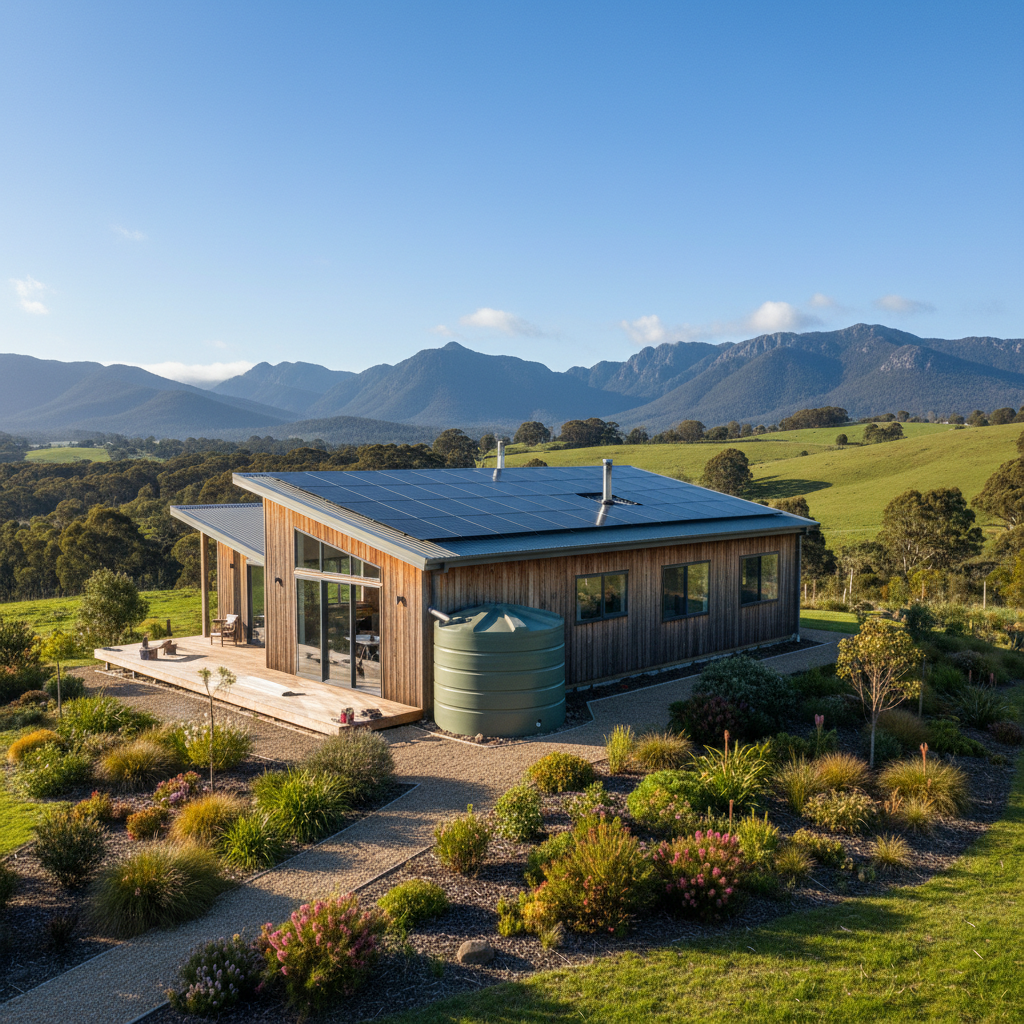
Most steel frame kits come with non-combustible external cladding and metal roofing (like COLORBOND steel). This combination creates a shield. To maximize safety, owner builders should pay close attention to sealing gaps. Using metal mesh screens over vents and ensuring that the roof is tightly sealed against the fascia are small steps that make a massive difference. Embers are tiny but destructive, and a steel-framed home is only as strong as its weakest opening.
Steel vs. The Elements: Beyond Fire
The benefits of choosing a steel frame for your kit home extend beyond fire resistance. In Australia, we also deal with high humidity, tropical storms, and the ever-present threat of termites. Steel frames address these issues head-on.
- Termite Proof: Termites can cause devastating structural damage to timber homes, often undetected for years. Steel frames are 100 percent termite proof. This means you do not need to worry about chemical treatments for the frame, which is better for the environment and your health.
- Precision and Straightness: Australian steel frames are manufactured to millimetre precision. They do not warp, twist, or shrink over time. This means your walls stay straight, your doors don't stick, and the finish of your home remains high quality for decades.
- Durability in Harsh Climates: High quality Australian steel is designed for our unique climate. Whether you are building in the dry outback or the salty air of the coast, the protective coatings on modern steel ensure longevity.
Practical Tips for Owner Builders Prioritizing Fire Safety
If you are managing your own kit home project, here are some actionable tips to ensure your home is as resilient as possible:
1. Get Your BAL Assessment Early
Do not wait until you have chosen a floor plan to get your fire rating. The BAL rating may influence the design of your home, including the type of windows you need and even the orientation of the building. Knowing this early allows you to select a kit that is fit for purpose.
2. Choose Fire-Rated Insulation
While the steel frame won't burn, you want to ensure the materials inside the wall cavities don't contribute to heat transfer. Use high quality, non-combustible insulation batts. This not only helps with fire resistance but also makes your home more energy-efficient and comfortable year-round.
3. Maintain a Defendable Space
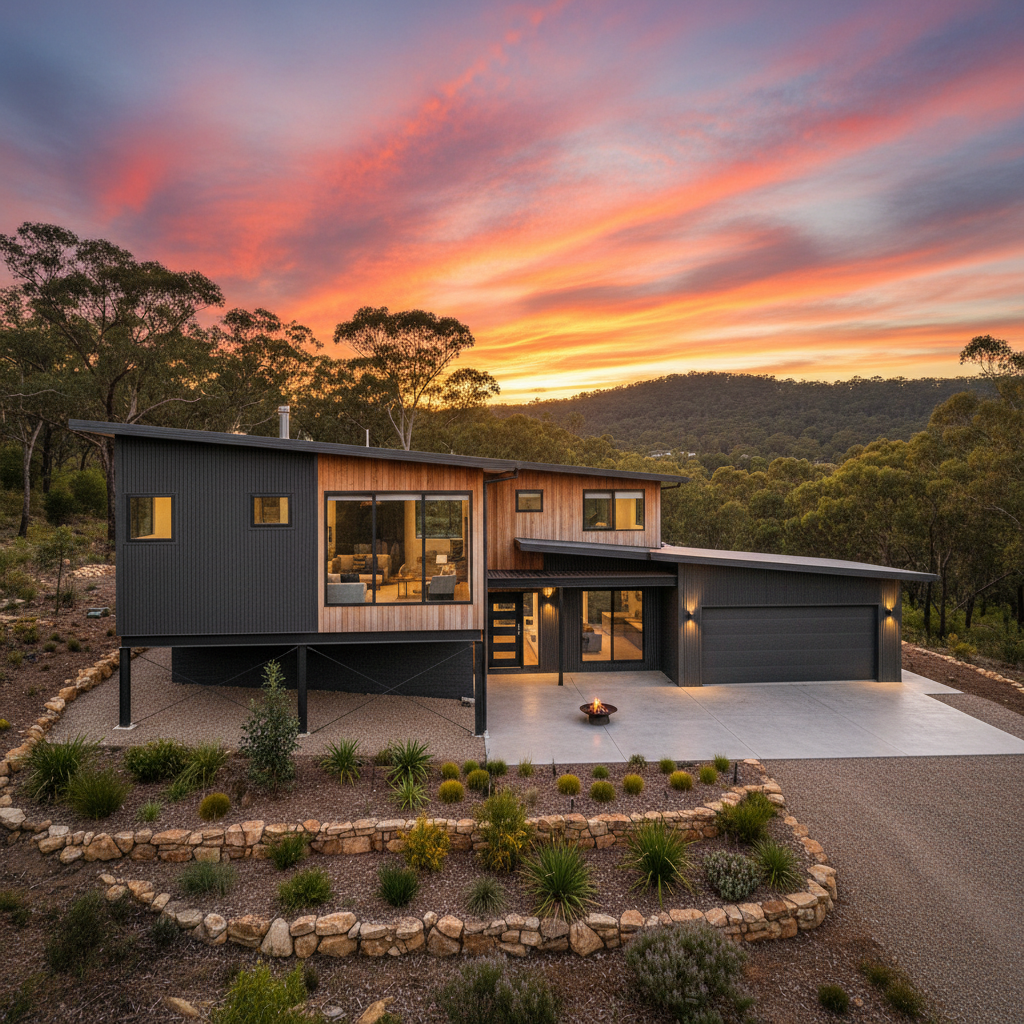
Even the most fire-resistant steel home needs a helping hand from its surroundings. Landscaping plays a huge role in fire safety. Avoid planting high-oil content trees (like eucalyptus) too close to the house and keep your lawn and gutters clear of dry debris.
4. Invest in Quality Glazing
Windows are often the vulnerable point in a house during a fire. Radiant heat can crack standard glass, allowing embers into the home. For higher BAL ratings, ensure you are using toughened glass or shutters that meet the required standards for your zone.
The Role of Precision Engineering
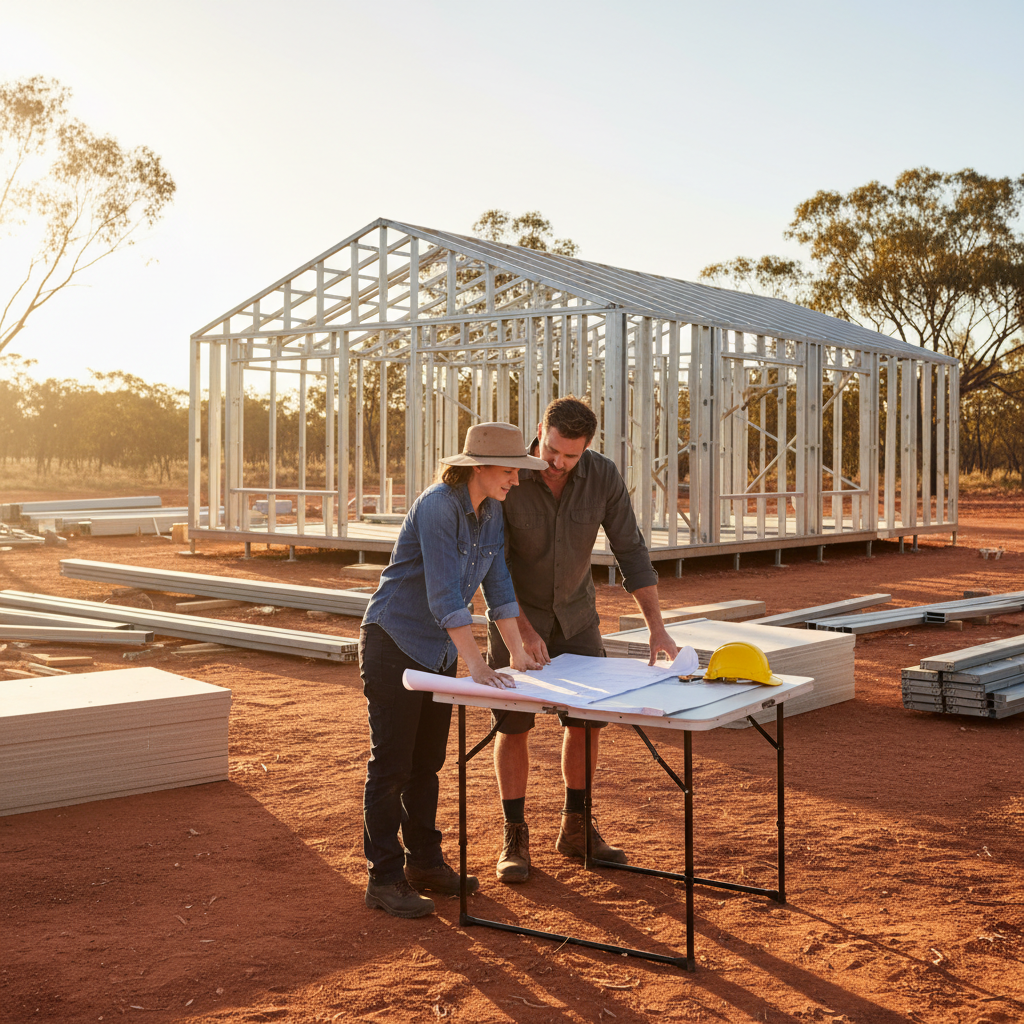
One of the reasons steel-framed kit homes are so popular among Australian DIY builders is the ease of assembly. Because the frames are engineered to strict tolerances, every piece fits together perfectly. This precision is also a safety feature. In a fire, a structure is only as strong as its connections. Steel frames are bolted and screwed together, often with high-tensile fasteners, creating a rigid structure that maintains its shape far better than nailed timber when under stress.
Environmental Considerations
Building with steel is also a responsible choice. Steel is one of the most recycled materials on the planet. By choosing a steel-framed kit, you are opting for a product that can be recycled at the end of its long life. Furthermore, because the frames are pre-engineered to specific lengths, there is virtually zero waste on your building site, unlike timber construction where offcuts often end up in landfill.
Conclusion: Peace of Mind for Your Future Home
Building a home is one of the most significant milestones in life. In the Australian context, that dream needs to be built on a foundation of safety and resilience. The fire resistance ratings of steel frame kit homes offer a level of protection that is hard to beat. By choosing a non-combustible material like TRUECORE steel, you are not just building a house, you are creating a sanctuary that is better prepared for whatever the Australian climate throws its way.
Whether you are an experienced owner builder or a first-timer taking the DIY plunge, the structural benefits, termite resistance, and fire safety of steel make it the ideal choice for a modern Australian home. Take the time to understand your site, choose quality materials, and enjoy the process of creating a home that is built to last for generations.