The Great Australian Dream vs. The Great Australian Pest
For many Australians, the dream of building a home is tied closely to the land. Whether it is a coastal retreat or a rural sanctuary, the desire to act as an owner-builder and create something with your own hands is a powerful motivator. However, the Australian landscape comes with its own unique set of challenges, and right at the top of that list is the subterranean termite.
Statistical data from across the country suggests that roughly one in four Australian homes will be affected by termites at some stage. These silent destroyers can cause tens of thousands of dollars in structural damage before a homeowner even notices they are there. This is why, when planning a kit home, the choice of structural material is the most critical decision you will make. In the battle of steel versus timber, steel frame benefits are not just about modern aesthetics, they are about long-term peace of mind and structural integrity.
The Steel Advantage: Why Termites Simply Can't Compete
The primary reason savvy owner-builders are turning to steel frame kit homes is simple: steel is 100 percent termite-proof. Unlike timber, which provides a source of cellulose and nutrients for these pests, BlueScope TRUECORE steel is an inorganic material. Termites cannot eat it, they cannot nest inside it, and they certainly cannot compromise its structural strength.
When you choose a steel frame kit home, you are effectively removing the primary food source from your building's skeleton. This bypasses the need for the aggressive chemical soil treatments and ongoing poisonous barriers that are often required for timber-framed houses. For the environmentally conscious owner-builder, this is a significant win, as it reduces the chemical footprint of the home on the surrounding land.
Precision Engineering with BlueScope TRUECORE Steel
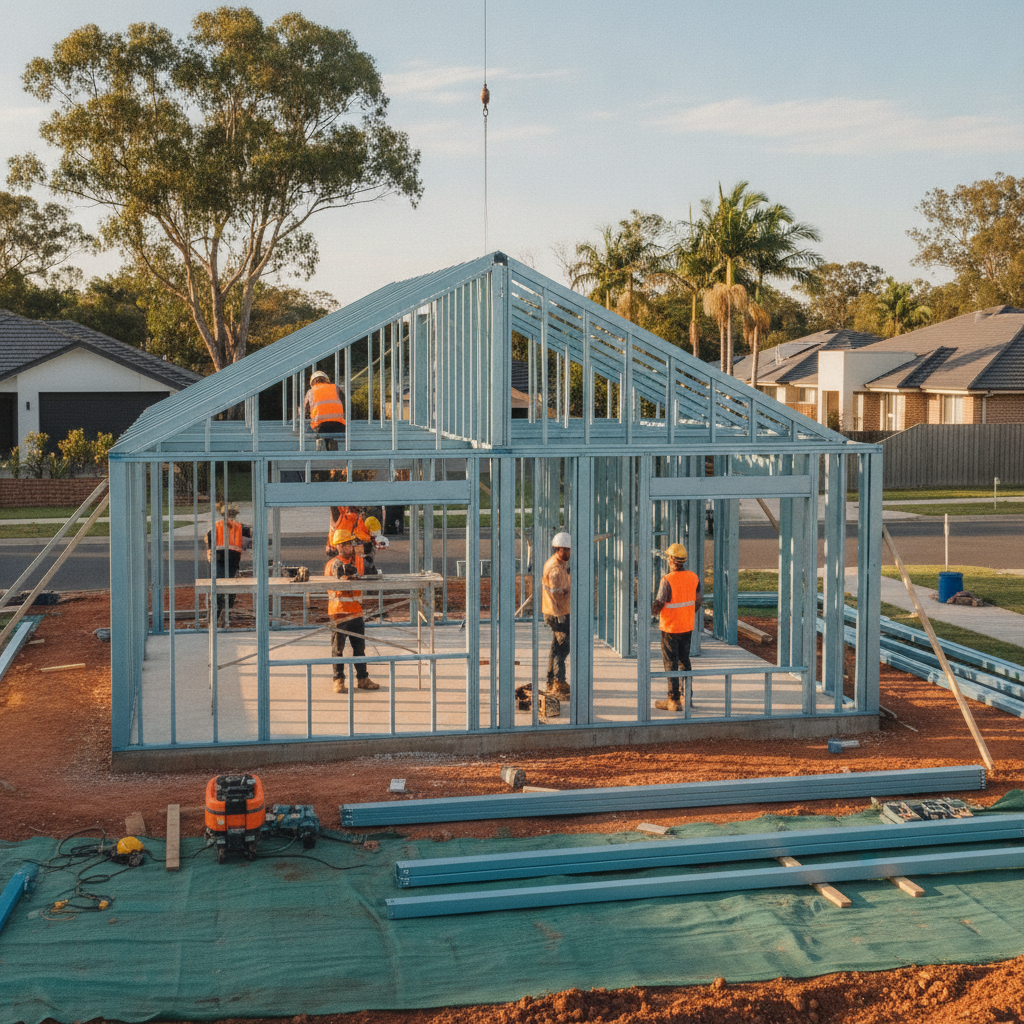
In Australia, the gold standard for residential framing is BlueScope TRUECORE steel. This material is specifically designed to withstand our harsh conditions. It is not just about being pest-proof, it is about precision. Every piece of a steel kit home is manufactured to exact specifications, meaning the walls are straight, the corners are square, and the frame will not warp, twist, or shrink over time.
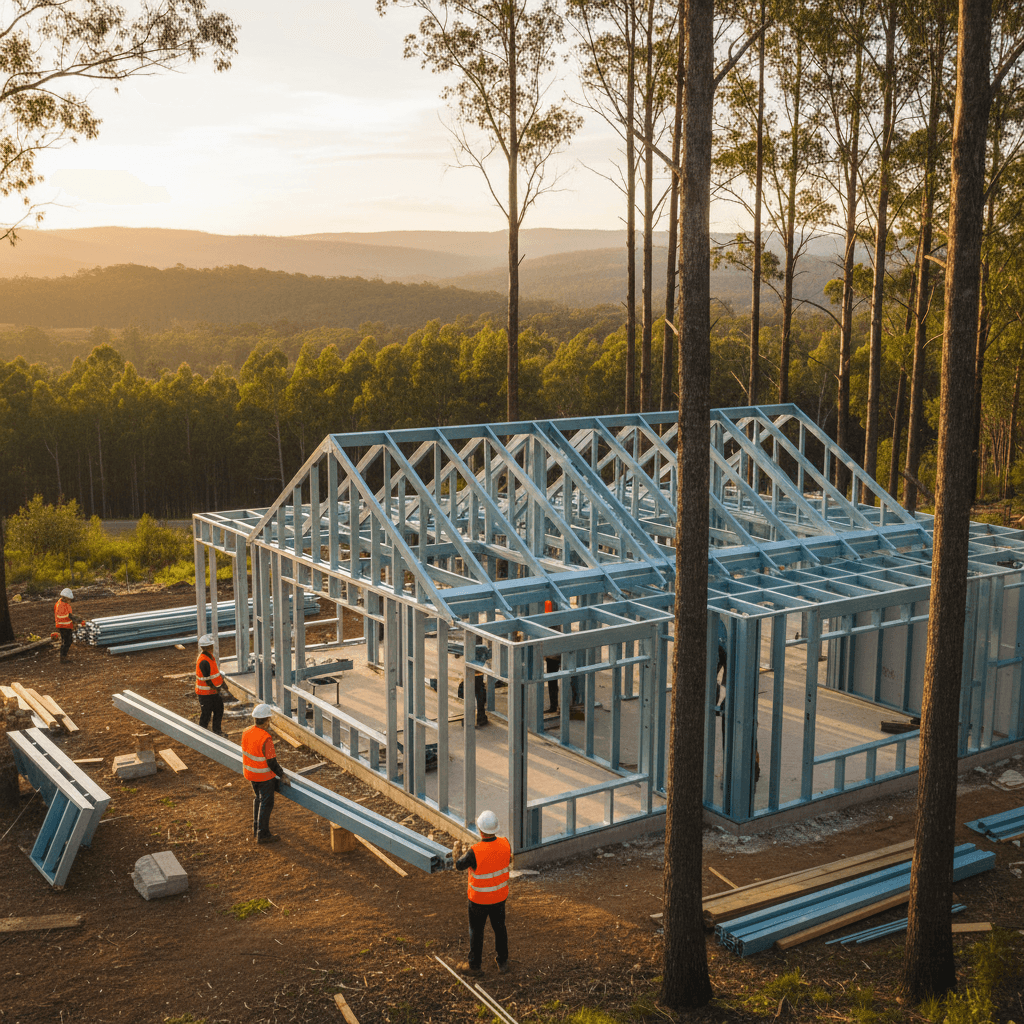
For an owner-builder, this precision is a massive advantage during the assembly phase. Unlike timber, which can arrive at a site bowed or damp, steel frames arrive ready to be bolted together. This accuracy flows through the rest of the build. When your frames are perfectly straight, installing windows, doors, and internal plasterboard becomes a much smoother process.
The Owner-Builder's Guide to Termite Protection
Even though a steel frame cannot be eaten by termites, Australian building regulations still require certain precautions to ensure pests do not enter the home and damage non-structural elements like joinery, skirting boards, or furniture. Here is how you can manage your site like a pro.
1. The Foundation is Your First Line of Defence
Most kit homes are built on a concrete slab or a raised floor system. If you are using a concrete slab, ensure it is designed and poured according to Australian Standards. Termites can crawl through cracks as thin as a fingernail, so a high-quality, vibration-compacted slab is essential. For owner-builders, managing the slab pour is one of the most important site works you will coordinate.
2. Physical Barriers and Visual Inspection Zones
One of the best steel frame benefits is that it allows for easier visual inspections. By maintaining a clear inspection zone around the perimeter of your home (usually about 75mm of exposed slab edge), you can easily spot the mud tunnels that termites build to travel from the ground into a structure. Regular walks around your property are the simplest and most effective way to keep your home safe.
3. Keep the Site Clean
During the construction of your kit home, it is tempting to leave offcuts of wood or cardboard lying around. For termites, this is an invitation to a buffet. Make it a habit to keep your site clear of debris. Once your steel frame is up and the cladding is on, ensure that landscaping, such as garden beds or mulch, does not bridge the gap between the ground and your wall cladding.
Beyond Pests: The Broader Benefits of Steel
While termites are a major concern, the benefits of choosing a steel kit home extend into almost every facet of Australian living. From fire safety to durability, steel is a high-performance material that suits our lifestyle perfectly.
Bushfire Resilience
Many Australians are building kit homes in regional areas where bushfire risk is a reality. Steel is non-combustible. In the event of a fire, a steel frame will not contribute fuel to the flames. This doesn't just provide physical safety, it can also simplify the building approval process in areas with high Bushfire Attack Level (BAL) ratings. Combining a steel frame with appropriate non-combustible cladding and roofing adds a significant layer of protection to your investment.
Strength Without the Weight
Despite its incredible strength, steel is remarkably lightweight. This makes it much easier to handle on-site for those who are managing the build themselves. You don't need heavy lifting machinery for every stage of the frame assembly, which can be a huge cost-saver for owner-builders. The strength-to-weight ratio of steel also allows for modern, open-plan designs with larger spans that would be difficult or expensive to achieve with traditional timber.
Owner-Builder Tips for a Smooth Project
Taking on the role of an owner-builder is an empowering experience, but it requires organization. Here are some practical tips for those ready to start their journey with a steel frame kit home:
- Understand Your Local Council: Before you order your kit, talk to your local council about their requirements. Steel frame kit homes are excellent for meeting modern energy efficiency and safety standards, but you still need to ensure your site works and plumbing plans are approved.
- Work with Your Trades: When hiring electricians and plumbers, let them know from the start that the home is steel-framed. This allows them to bring the right tools and grommets to protect cabling and pipes as they pass through the steel studs.
- Document Everything: Keep a site diary and take photos of every stage, especially before the insulation and cladding go on. This is helpful for future maintenance and for showing potential buyers later on that the home is built with a high-quality steel frame.
Conclusion: A Future-Proof Investment
Choosing to build a kit home is a significant life event. It is an investment in your lifestyle and your financial future. By prioritizing steel frame construction, you are choosing a path that leads to reduced maintenance, higher durability, and total protection against one of the biggest threats to Australian property: the termite.
The peace of mind that comes from knowing your home's skeleton is impervious to pests is invaluable. When you combine that with the precision of BlueScope TRUECORE steel and the flexibility of the kit home model, you have a winning combination. Whether you are building a small weekend getaway or a large family residence, the steel frame advantage provides a foundation of strength that will last for generations to come. Start your owner-builder journey with the right materials, and you will reap the rewards for years to face.