Finding Your Sweet Spot in the Australian Kit Home Market
Dreaming of building your own home is a quintessentially Australian pursuit. Whether it is a coastal retreat, a rural homestead, or a secondary dwelling in the suburbs, the journey starts with one critical decision: how big should it be? Choosing the right size for your kit home is not just about counting bedrooms. It is a delicate balance between the physical dimensions of your land, your daily lifestyle requirements, and your long term plans.
In the world of kit homes Australia wide, we see owner-builders often swinging between two extremes. Some aim too small to save on maintenance, only to feel cramped a year later. Others go as large as the block allows, only to realize they have more space than they can effectively manage or furnish. This guide is designed to help you find that 'Goldilocks' zone, where your home feels spacious yet intimate, and perfectly suited to the Australian landscape.
Assessing Your Lifestyle Needs
The Reality of Daily Life
Before looking at floor plans, take a moment to audit how you actually live. Do you work from home? If so, a dedicated office space is a non-negotiable for productivity. Are you frequent entertainers? An open-plan living area that flows into an outdoor deck might be more important than an extra guest room. For many Australian families, the kitchen is the heart of the home, requiring ample circulation space and storage.
Zones and Privacy
Size is not just about total square metres, it is about how those metres are distributed. A well-designed 120 square metre kit home can feel more functional than a poorly planned 180 square metre house. Consider 'zoning' your home. Keep the noisy social areas separate from the quiet sleeping quarters. This is particularly important for those building on smaller regional blocks where the peace and quiet of the surroundings are a major drawcard.
Future Proving Your Design
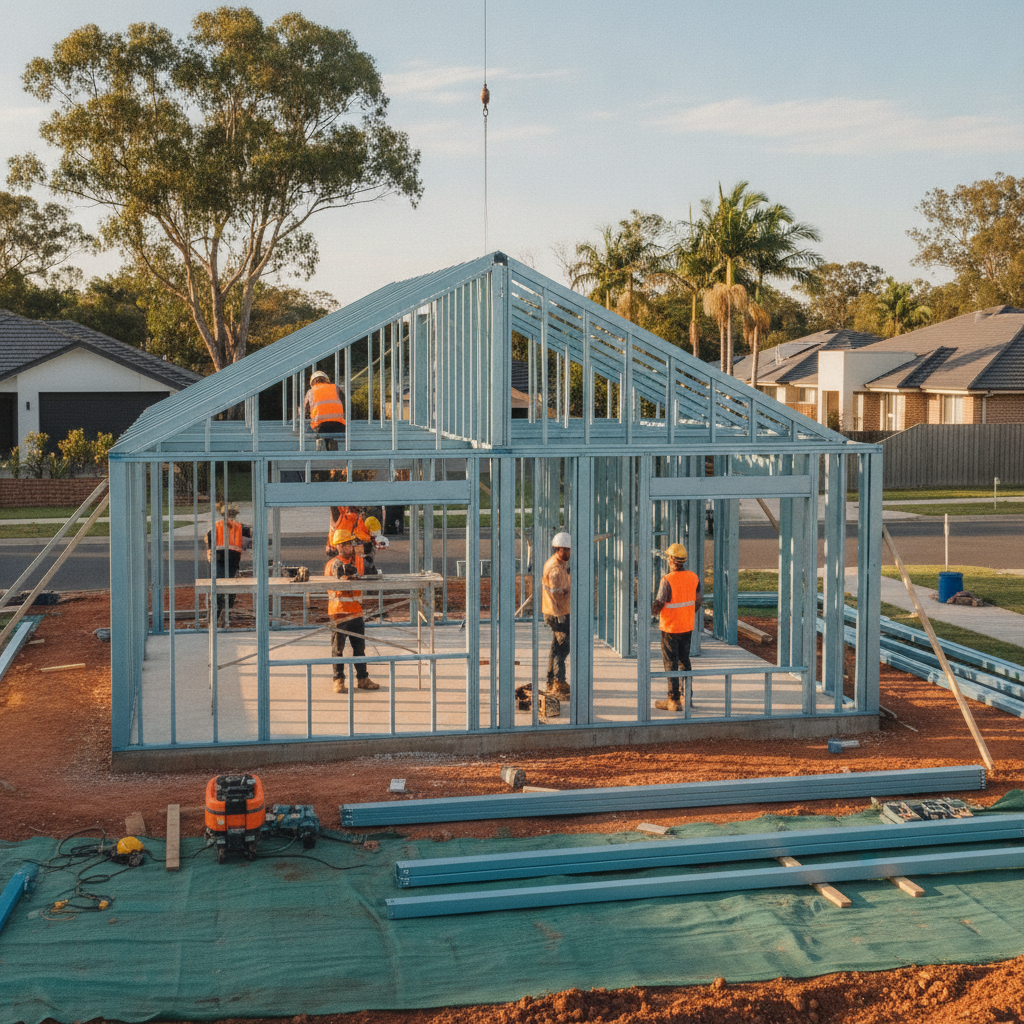
Think five to ten years ahead. Is your family likely to grow, or are you looking toward a lifestyle of downsizing once the kids move out? One of the benefits of steel frame kit homes is the durability of the structure, meaning your home will be standing strong for decades. It is worth choosing a size that can adapt. A room that serves as a nursery today could become a hobby room or a home gym in the future.
Understanding Your Land Constraints
The Building Envelope
Your land will largely dictate the maximum footprint of your kit home. Every local council in Australia has specific regulations regarding setbacks, site coverage ratios, and easements. Before you fall in love with a massive four bedroom design, check your property's 10.7 certificate (in NSW) or equivalent planning documents in your state. You need to know exactly where you can and cannot build.
Topography and Site Works
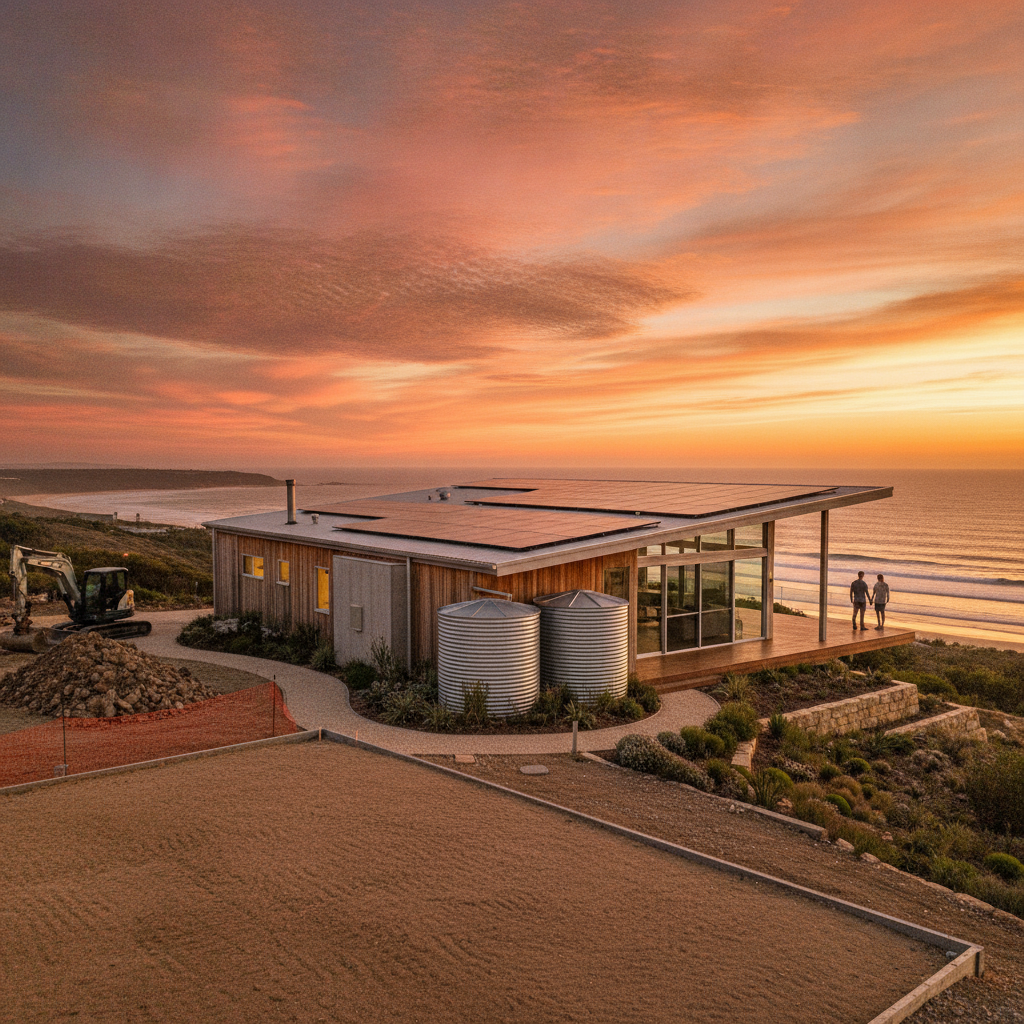
The slope of your land plays a massive role in choosing a size. A larger footprint on a steeply sloping block generally means more expensive excavations, retaining walls, or complex sub-floor requirements. Sometimes, choosing a narrower or more compact kit home design can save significant time and effort during the site preparation phase. If you have a flat, sprawling acreage, you have more freedom, but you still need to consider how the home sits within the natural environment.
Orientation for Solar Gain
In Australia, the sun is both our best friend and our biggest challenge. When choosing a size and shape for your kit home, consider the northern aspect. A long, thin design facing north can maximize natural light and winter warmth, potentially reducing your heating and cooling requirements. A large, square block-style home might result in internal rooms that feel dark or require constant artificial lighting.
Practical Tips for Owner-Builders
As an owner-builder, you are the project manager. This means you need to be realistic about the scale of the task you are taking on. Here are some practical tips to help you choose the right size for your project:
- Walk the Floor Plan: Use stakes and string to mark out the dimensions of a potential kit home on your actual site. This gives you a physical sense of the scale and how much backyard will remain.
- Consider the 'Wet Areas': Bathrooms and laundries are the most complex parts of any build regarding plumbing and tiling. A larger home with four bathrooms adds significant management time to your project compared to a smart two bathroom layout.
- Think About Maintenance: A bigger home means more exterior cladding to maintain, more roofing to inspect, and more floor space to clean. Choose a size that matches the amount of time you want to spend on home upkeep.
- Storage is Key: In smaller kit homes, clever storage is vital. Instead of adding another room, look for designs that utilize hallways or high ceilings for built-in storage solutions.
The Role of High Quality Materials
When you choose a kit home in Australia, the materials used in the frame are the skeleton of your project. Utilizing high quality BlueScope Steel, specifically TRUECORE steel, ensures that regardless of the size you choose, the structure is straight, true, and termite-proof. Steel frames allow for wider spans in living areas, which can make a smaller footprint feel much larger and more open than traditional timber framing might allow. Because steel frames are precision-engineered, the windows and doors included in your kit will fit perfectly, ensuring a tight building envelope that is essential for the Australian climate.
The Balance Between Indoor and Outdoor Living
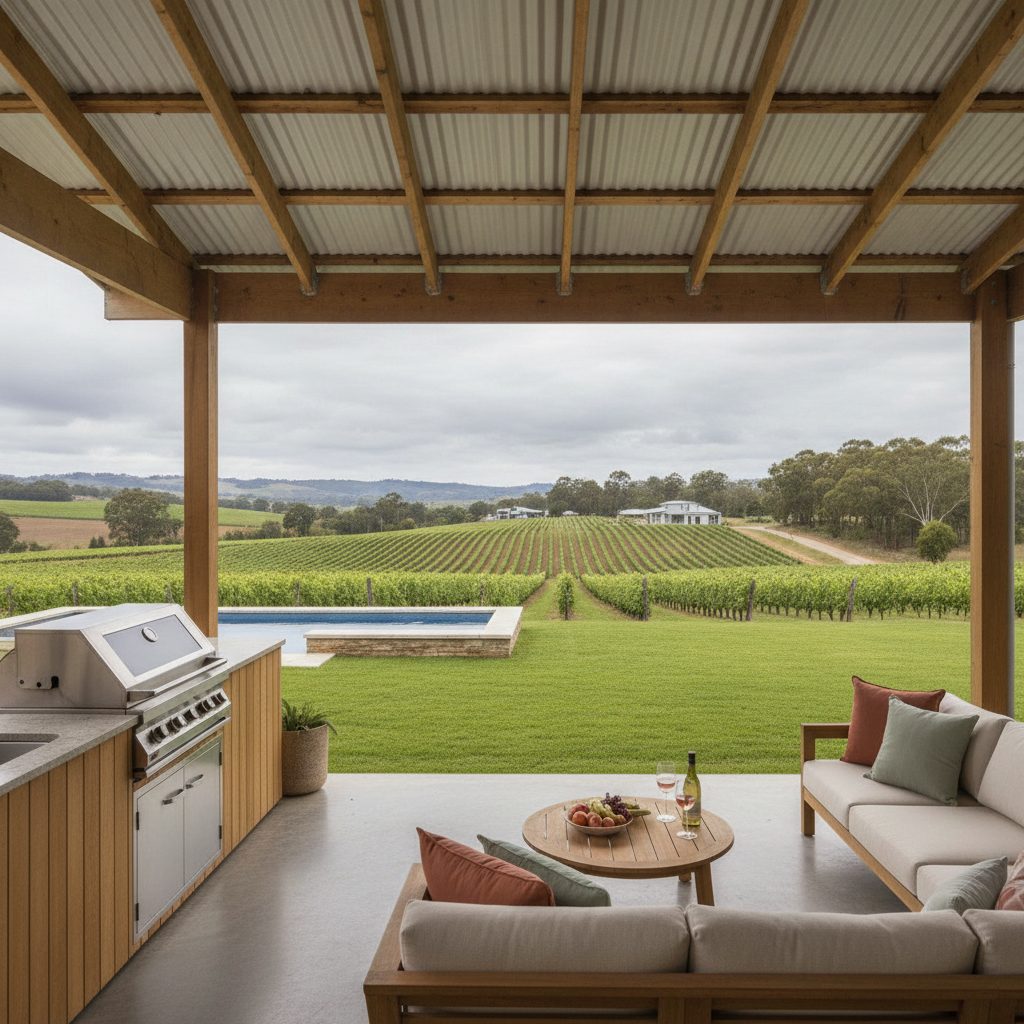
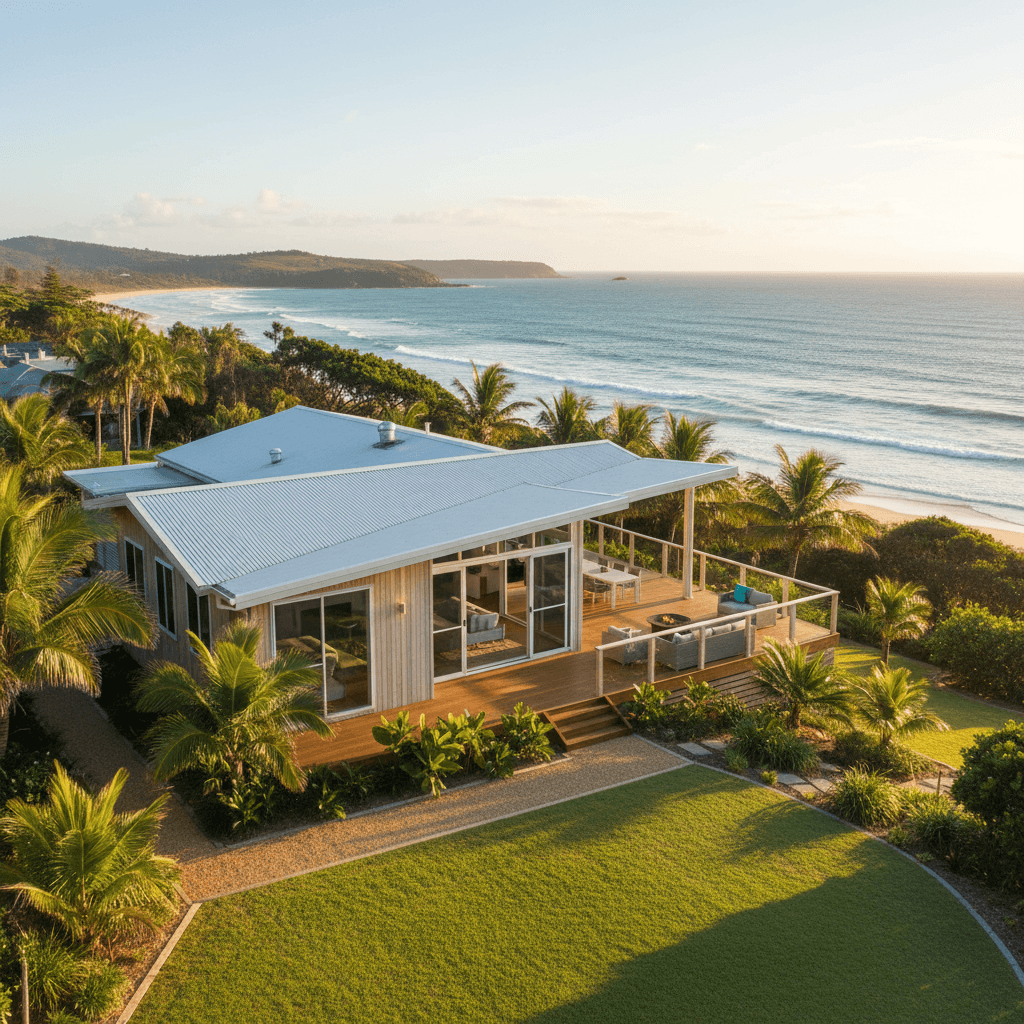
One of the best ways to 'increase' the size of your kit home without actually adding to the internal floor area is to focus on the transition between indoors and outdoors. In the Australian climate, a generous verandah or a covered deck can function as a second living room for eight months of the year. When browsing kit home designs, look for those that facilitate this flow. Large sliding doors and windows not only provide views but also make the interior feel less confined, allowing you to opt for a more modest and manageable internal size while still enjoying a spacious lifestyle.
Making the Final Decision
Choosing your kit home size is a personal journey. There is no 'right' answer, only what is right for you and your piece of Australia. Take your time to research, talk to other owner-builders, and reflect on what truly matters to your daily happiness. Whether it is a compact granny flat or a sprawling family residence, the key is to prioritize functionality, site suitability, and quality of life over sheer square footage.
By starting with a clear understanding of your land's limitations and your family's needs, you can select a kit home that will be a joy to build and a sanctuary to live in for years to come. Remember, the best homes are those that are lived in fully, where every room has a purpose and every window captures a piece of the beautiful Australian landscape.
Conclusion
Navigating the world of kit homes Australia wide offers an exciting opportunity to create a bespoke living space tailored to your unique requirements. By focusing on smart design, site orientation, and the reality of your daily routine, you can ensure that the size of your new home is a perfect fit. Choosing a kit that utilizes durable steel frames and high quality components gives you the peace of mind that your investment is built to last. Now that you have the tools to assess size and lifestyle, you are one step closer to making your dream of homeownership a reality.