I recently spent three days on a site near Rockhampton where the sun was literally melting the adhesive off the guys' tradie boots. When we started talking about the roof for their new kit home, the owner wanted a dark, charcoal finish because it looked 'slick' on Pinterest. I told him straight: you do that, and you'll be paying more in air con bills than you will on your mortgage. Choosing a roof isn't about browsing a color chart while you're waiting for your morning flat white. It's about how much heat gets trapped in your ceiling, how the rain sounds at 2am, and whether the thing stays attached when a cyclone decides to pay a visit.
The Myth of the Standard Roof
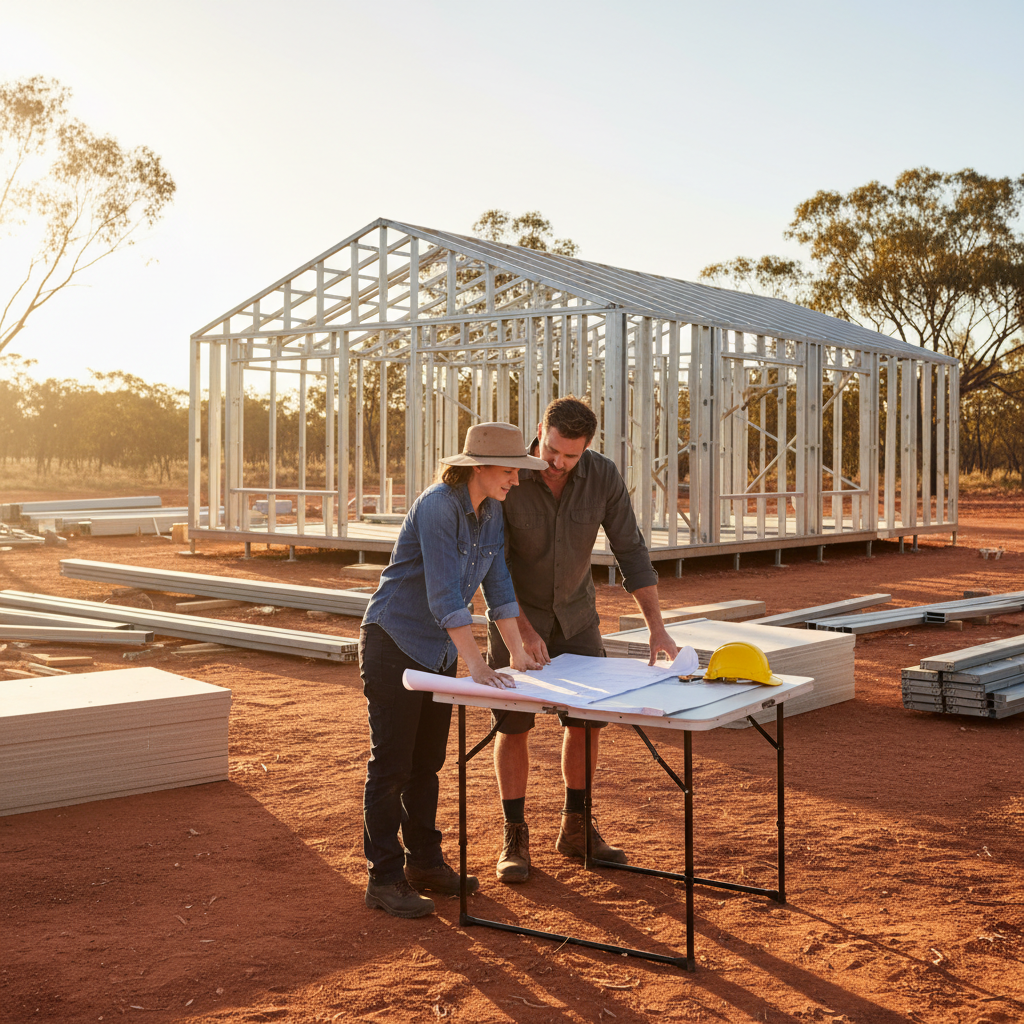
Most people think a roof is just a lid. Wrong. In the kit home world, your roof is a complex system that works with your wall cladding and your steel frames to keep the house from warping or sweating. If you're building in the humid tropics of North Queensland, you're dealing with a totally different set of physics than someone putting up a weekend cottage in the Snowy Mountains. We use TRUECORE steel frames for a reason. They stay dead straight, which is great, but that means your roofing needs to be installed with precision. If your frame is perfect and your roofing is slapped on by someone who doesn't understand thermal expansion, you're going to hear pops and bangs every time the sun goes down and the metal cools.
Corrugated vs. Monoclad: More Than Just Lines
You've got your classic Custom Orb, or what most of us just call 'corro'. It's the quintessential Aussie look. It's great for shedding water on steep pitches and it's easy to handle on site. But if you're building a kit home with a low roof pitch, maybe something modern with a 5-degree slope, corro might not cut it. You'll end up with water tracking back under the laps because it doesn't have the rib height to deal with heavy volume. That's where you move to something like Trimdek or Monoclad. These profiles have deeper channels and broader pans. They can move a massive amount of water off a flat roof quickly. If you're in a high-rainfall area like the Northern Rivers, don't mess around with corro on low pitches. You'll regret it the first time a summer storm dumps 50mm in twenty minutes.
Thermal Performance and the Color Trap
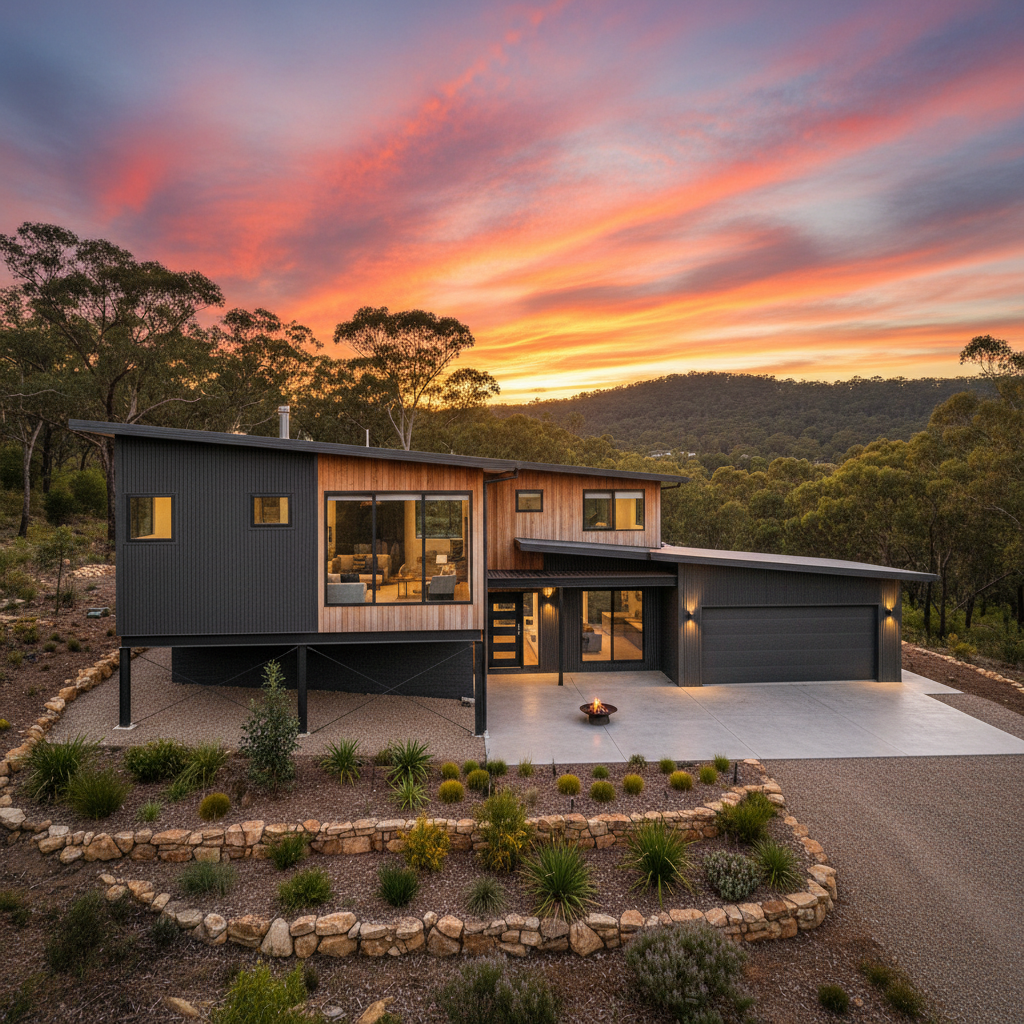
Colorbond is the gold standard for a reason, but the tech inside the paint matters more than the name on the swatch. We always recommend colors with Thermatech technology. It reflects more heat, period. I've seen kit homes in the Alice Springs area where the difference between a dark 'Monument' roof and a light 'Surfmist' roof was nearly 10 degrees inside the roof cavity. That's the difference between your fridge working normally and your compressor burning out because the kitchen is a furnace. If you're dead set on a dark roof, you better be prepared to spend up big on high-R-value insulation and proper ventilation. I'm talking whirlybirds, ridge vents, or even powered extraction fans. Don't cheap out here. You're building a kit home to save money on the build, not to give it all back to the power company later.
Actually, let's talk about insulation while we're at it. Most kit homes come with basic sarking or a thin blanket. That's just the start. Because we use steel frames, we have to be mindful of thermal bridging. Steel is a conductor. If you don't have a thermal break between your roof sheets and your steel rafters, heat will dump right into the frame of the house. We use a high-quality glasswool blanket with a foil face. It acts as an acoustic barrier too. Ever been stuck in a tin shed during a hailstorm? It's deafening. A good 55mm or 75mm Anticon blanket muffled that sound and stops condensation from dripping onto your ceiling plasterboard.
Bushfire Zones and BAL Ratings
If you're building in the hills of WA or the Victorian bush, your roof choice is dictated by the RFS or CFA. Your BAL (Bushfire Attack Level) rating will tell you what you can and can't do. For kit homes in BAL-29 or BAL-40 zones, your roofing needs to be tight. No gaps larger than 3mm. This means scribing your ridge caps and using metal bird proofing or foam fillers at the eaves. Embers are tiny, and they'll find any way into your roof space. Once they get in there and hit your stored Christmas decorations or loose-fill insulation, it's game over. Steel frames are a massive advantage here because they won't add fuel to the fire, but the roof is your first line of defense. Make sure your kit supplier knows your BAL rating before they pack the delivery truck.
Coastal Living: The Salt Problem
Living by the ocean is the dream until you see your roof rusting out after five years. If you're within 200 to 500 meters of breaking surf, standard Colorbond isn't enough. You need the Ultra grade. It has a thicker metallic coating and a specialized paint system designed for salt spray. I've seen blokes try to save a few grand by using standard grade in coastal spots like the Sunshine Coast, and by the time they've finished the fit-out, the screw heads are already showing signs of tea-staining. It's a disaster. Check your distance to the water. Be honest about it. The salt in the air doesn't care about your budget constraints.
The Installation Reality Check
Being an owner-builder is hard work. When the kit arrives, you'll be tempted to jump on the roof and start screwing down sheets yourself. But roofing isn't just about the sheets. It's the flashings. The valleys. The barges. Getting a watertight seal on a complex roof junction is an art form. Plus, walking on a steel frame takes a bit of getting used to. There's no 'give' like timber, so you need to be sure-footed. If you're doing it yourself, invest in a good pair of soft-soled roofing boots. And never, ever work on the roof when there's even a hint of moisture. Steel is like an ice rink when it's wet. I've seen more than one DIYer end up in the bushes because they tried to finish the last three sheets while a drizzle was starting.
Practical Tips for Kit Home Builders
- Order extra screws. You'll drop twenty of them in the dirt on the first day and you'll never find them again.
- Check your gutter fall. Don't just trust the brackets. Get a laser level out and make sure that water is actually heading toward the downpipes. Water sitting in gutters leads to premature rust, even on high-end steel.
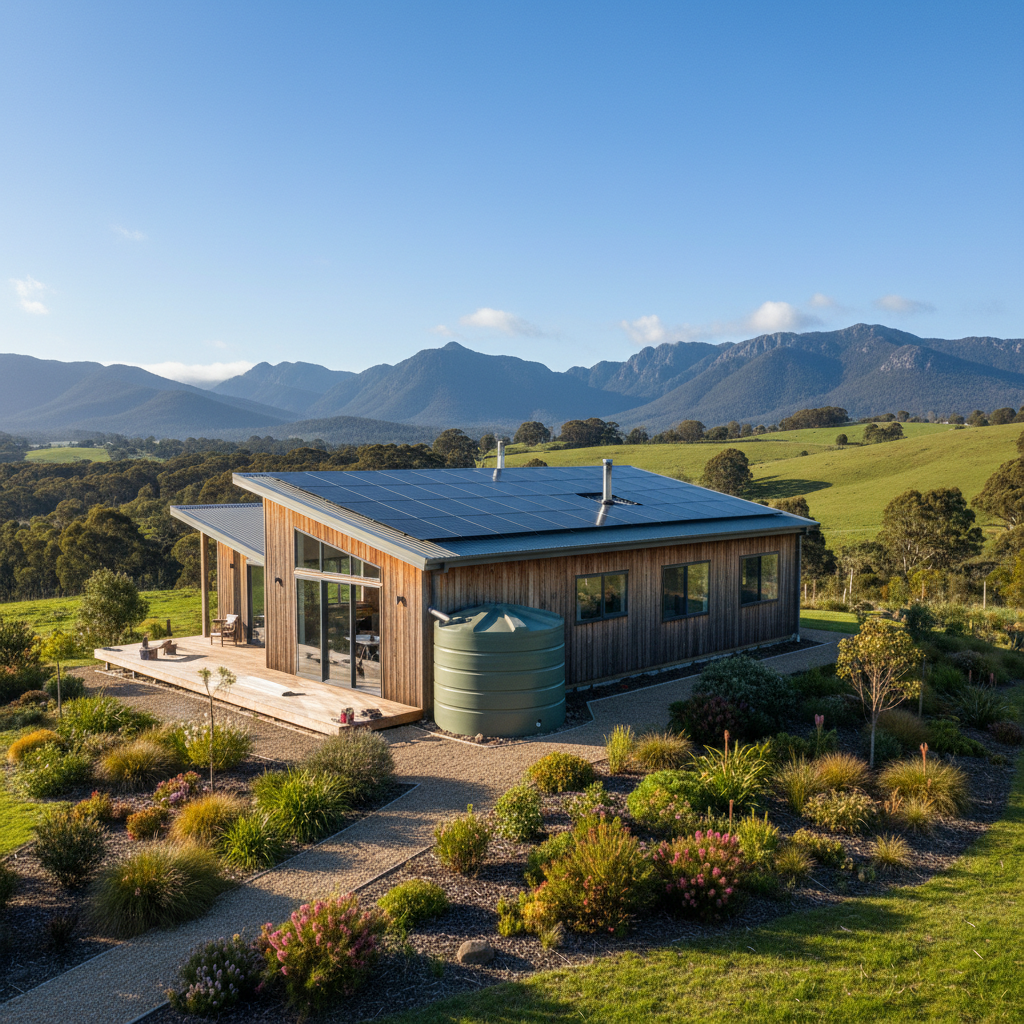
- Don't forget the solar. If you're planning on a big solar array, tell your kit provider. We can sometimes space the battens or beef up the rafters locally to handle the extra weight and wind load.
- Scribe your ridge caps. It takes longer, but it looks a hundred times better and keeps the mice out of your ceiling.
The Final Word on Steel Frames and Roofs
The beauty of the TRUECORE steel we use in our frames is that it doesn't move. In a timber house, the wood shrinks and swells, which pulls on the roof screws and eventually causes leaks. With steel, once that roof is on, it stays put. It's a solid, stable system. But that stability relies on you picking the right materials for your specific patch of dirt. Don't just follow the trends. Look at the weather patterns. Look at how far you are from the ocean. Talk to the locals who have lived there for twenty years. They'll tell you what works better than any glossy brochure ever will. Your roof is the most important investment you'll make in your kit home build. Get it right, and you'll be dry and cool for decades. Get it wrong, and you'll be staring at water stains on your ceiling before the first year is out.