The Art and Science of Cladding Your Kit Home
When you start the journey of building a kit home in Australia, the structural integrity provided by a steel frame is your foundation. But once that skeleton is standing tall on your block, the next big decision is how you are going to dress it. Cladding is more than just an aesthetic choice, it is a technical decision that impacts your home's thermal performance, maintenance requirements, and overall durability against the harsh Australian elements.
For the owner builder, choosing the right exterior finish is one of the most rewarding parts of the process. It is where your vision truly takes shape. However, in a market flooded with options, it can be difficult to decide which material best suits a modern steel frame system. This guide dives deep into the technical side of cladding, comparing popular Australian styles from traditional weatherboards to the ruggedness of brick veneer.
The Backbone: Why Steel Frames Change the Game
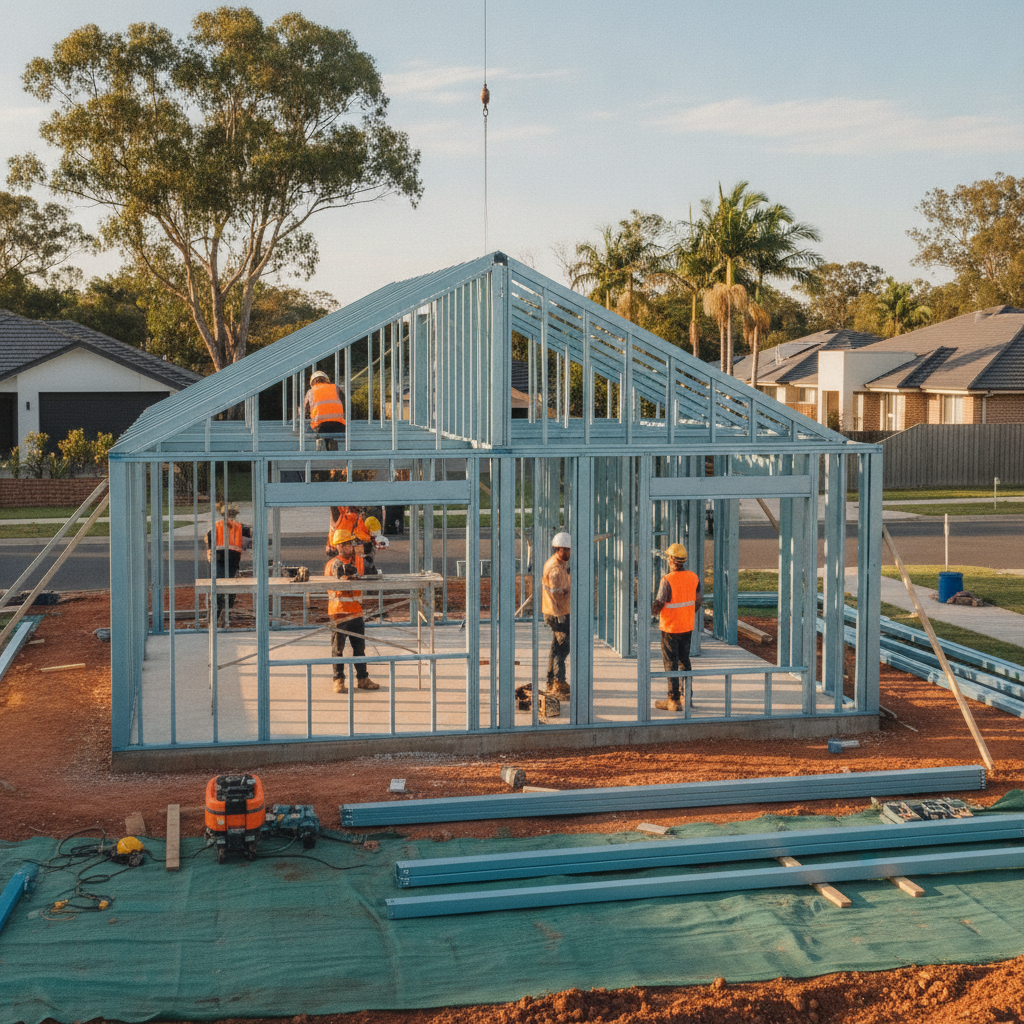
Before we look at the 'skin', it is important to understand the 'bone'. Using BlueScope steel for your internal frames provides a level of precision that traditional timber simply cannot match. Steel frames are 100 percent termite proof and won't warp, twist, or shrink over time. From a cladding perspective, this is a massive advantage. Because the frame stays perfectly straight and true, your external cladding is less likely to experience cracking or bowing over the years.
When attaching cladding to a steel frame, the technique involves using specific self-drilling screws designed for steel. This creates a secure, long lasting bond that keeps your exterior looking sharp regardless of the season. Whether you are in a coastal environment or the dry outback, the synergy between a steel frame and high quality cladding is what ensures your home stands the test of time.
1. The Classic Weatherboard Look
Nothing says 'Australian country charm' or 'coastal cottage' quite like weatherboards. Traditionally made from timber, modern kit homes often utilize high performance alternatives like fibre cement or steel profiles that mimic the look of wood without the high maintenance.
Fibre Cement Scyon Walls
Fibre cement is a favourite among Australian owner-builders. It is incredibly durable, resistant to rot, and holds paint beautifully. In terms of building techniques, fibre cement boards are relatively easy to handle. They can be nailed or screwed directly to the steel studs (with a thermal break in between). This material offers excellent fire resistance, which is a critical consideration if you are building in a bushfire-prone area.
Steel Cladding (Colorbond)
For a sleeker, more contemporary industrial look, many Australians are opting for vertical or horizontal steel cladding. Because your kit home already utilizes a steel frame, using steel for the exterior ensures the entire structure expands and contracts at similar rates. This reduces stress on the fixings. Steel cladding is virtually maintenance free, it doesn't need painting, and it comes in a range of iconic Australian colours that blend perfectly with the landscape.
2. The Durability of Brick Veneer
Brick veneer remains a staple in Australian suburbs for a reason. In this construction method, the steel frame provides the structural support, while a single outer layer of brick provides the facade. There is a common misconception that you need a timber frame for brick, but that is simply not true. Steel frames are perfectly suited for brick veneer construction.
From a building technique standpoint, the brick is not actually 'connected' to the frame in a load-bearing sense. Instead, it is secured using metal brick ties that are screwed into the steel studs. This creates a cavity between the frame and the brick. This cavity is essential for moisture management and provides an extra layer of insulation.
Owner Builder Tip: If you choose brick veneer, ensure your slab has been designed with a 'brick ledge' or 'rebate'. This is a lower section around the perimeter of the concrete that allows the brickwork to sit flush with the ground level while the steel frame sits slightly higher on the main slab.
3. Rendered Finishes and Autoclaved Aerated Concrete (AAC)
If you prefer a smooth, Mediterranean or high end modern finish, rendering is the way to go. Instead of traditional wet plastering over bricks, many kit home builders use AAC panels. These are lightweight, large format panels that are fixed to the steel frame and then finished with a textured render.
AAC panels offer superior acoustic and thermal properties. Because they are lightweight, they are much faster to install than individual bricks, making them a popular choice for owner builders who want to speed up the lock-up phase of the build. The thermal mass of these panels, combined with the insulation tucked into your steel frames, creates a very energy efficient home.
Practical Tips for Cladding Installation
When you are managing the build yourself, the details matter. Here are some technical points to keep in mind during the cladding phase:
- The Thermal Break: In Australia, building regulations require a thermal break between the steel frame and the external cladding. This is usually a thin strip of high density foam or specialized building wrap. It prevents 'thermal bridging', where heat or cold is transferred through the steel to the exterior skin, keeping your home cooler in summer and warmer in winter.
- Sarking and Vapour Barriers: Before the cladding goes on, you must wrap your steel frame in a high quality building sarking. This acts as a second skin, protecting the frame from moisture while allowing the house to 'breathe'.
- Flashings: Never underestimate the importance of flashings around windows and doors. Most kit homes come with these components, but ensuring they are installed with the correct overlap is vital for waterproofing.
- Fixing Types: Always use galvanized or stainless steel screws when fixing cladding to a steel frame. Standard screws may react with certain cladding materials or corrode over time, especially in coastal zones.
Choosing the Right Look for Your Location
Your choice of cladding should be influenced by your geographical location. If you are building in a tropical area like North Queensland, lightweight cladding like fibre cement or steel is often preferred because it doesn't hold heat as long as brick does, allowing the home to cool down quickly at night. In cooler climates like Tasmania or the Victorian Highlands, the thermal mass of brick veneer or thick AAC panels can help regulate internal temperatures by absorbing daytime sun and releasing it slowly.
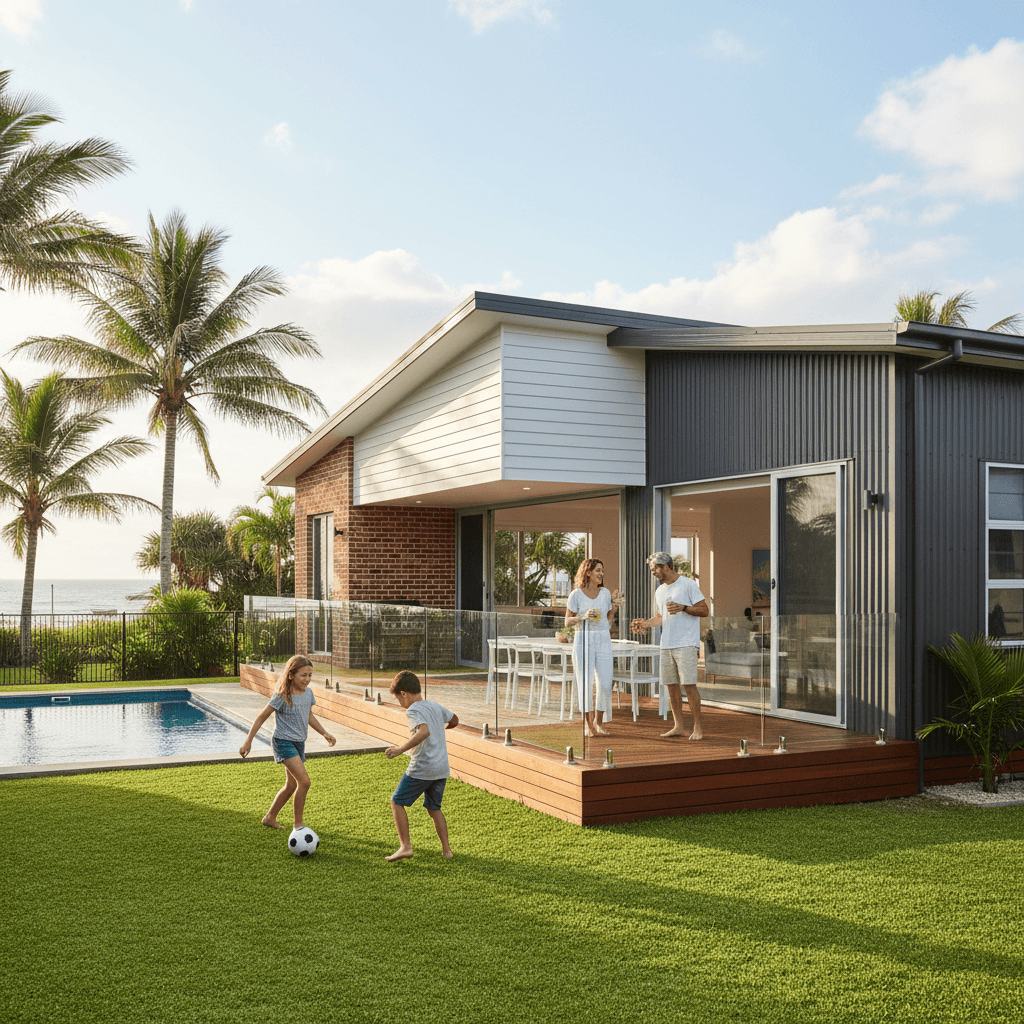
Aesthetics also play a role. A rural bush block often looks best with earthy tones and horizontal weatherboards, while an urban infill might call for a mix of textures, such as combining steel vertical cladding with rendered feature walls. This 'mixed media' approach is a big trend in Australian housing right now, and because kit homes are versatile, you can easily mix and match materials to create a unique look.
Conclusion
The cladding you choose for your kit home is the final signature on your project. By understanding the building techniques required for different materials, from the traditional charm of weatherboards to the solid reliability of brick veneer, you can ensure your home is as functional as it is beautiful.
By starting with a precision engineered steel frame, you are giving your cladding the best possible foundation. Whether you are doing the work yourself or managing trades, focusing on quality installation, correct thermal breaks, and the right aesthetic for your environment will result in a home that stands proud against the Australian landscape for decades to come. Building a kit home is a journey of choices, and selecting your cladding is where your dream house finally feels like a home.