Navigating the World of Kit Home Designs in Australia
There is something undeniably exciting about the moment you decide to build your own home. For many Australians, kit homes represent the ultimate path to home ownership, offering a blend of flexibility, high quality materials, and the immense satisfaction of being an owner-builder. However, before the first steel frame arrives on your site and the first bolt is tightened, there is a crucial phase that will define your living experience for decades to come: choosing the right design.
Designing a home is not just about how many bedrooms you can fit into a floorplan. It is about how you move through the space, how the light hits your kitchen in the morning, and how the house handles the unique Australian climate. Because kit homes are often geared toward the DIY enthusiast, it is easy to get caught up in the technical assembly and forget to scrutinize the lifestyle functionality of the design.
To help you move from the dreaming phase to the doing phase, we have compiled the essential questions you need to ask yourself, and your provider, before committing to a kit home design. Grab a cuppa, sit down with your site plan, and let's dive into the details.
1. How Does the Design Respond to the Orientation of My Block?
In Australia, the sun is both our best friend and our biggest challenge. An off-the-shelf kit home design might look stunning on paper, but if the main living areas are facing west without adequate protection, you will be sweltering through summer. Conversely, a south-facing living room might feel dark and cold during the winter months.
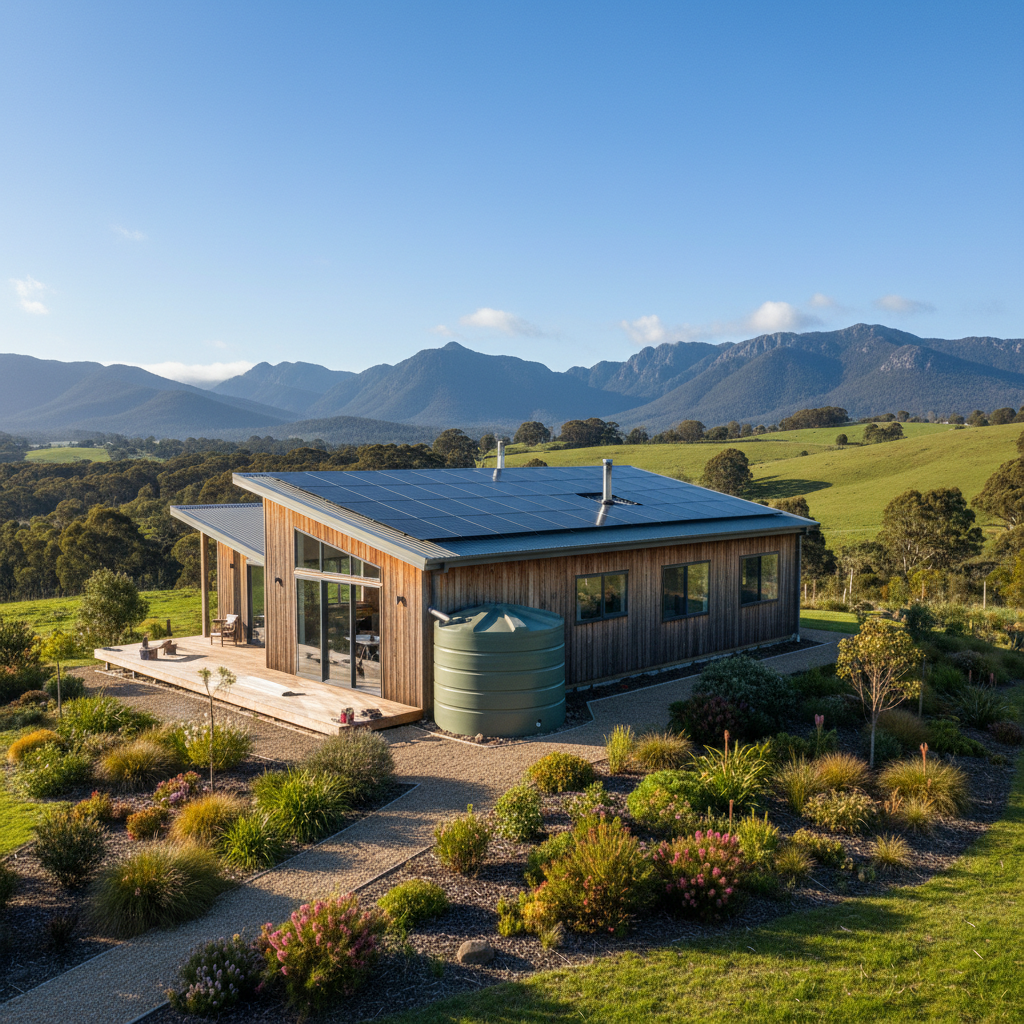
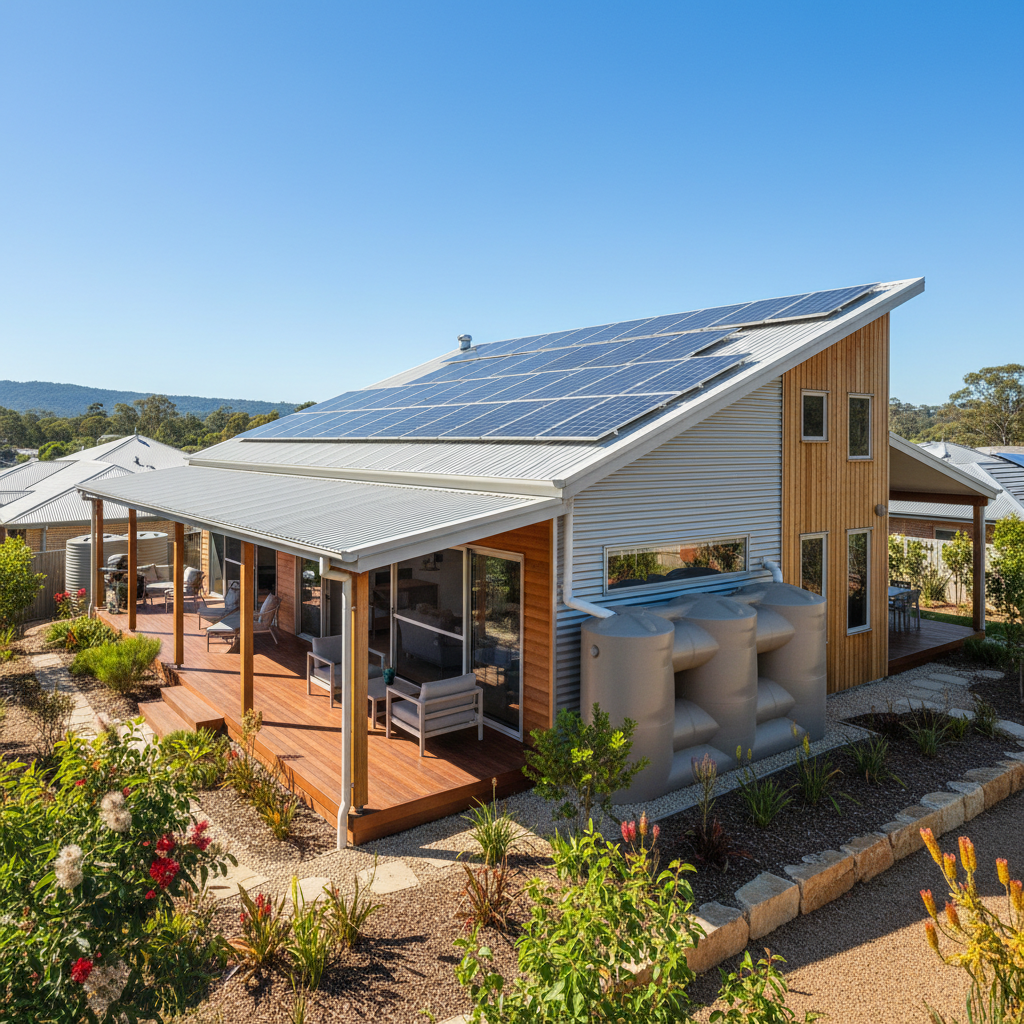
Ask yourself: Can this design be mirrored or rotated to maximize northern sun? Ideally, you want your living areas and large windows facing north to capture the winter sun, while using eaves and verandas to block the high summer sun. A well-oriented home reduces your reliance on artificial heating and cooling, making it more comfortable and sustainable.
2. Is the Floorplan Truly Functional for My Daily Routine?
It is easy to fall in love with a render of a wide-open living space. But when you look at the floorplan, imagine walking through your day. Where do you put the groceries when you come in from the car? Is the laundry conveniently located, or will you be lugging baskets across the entire house?
Consider the "zoning" of the home. If you have children, is there a clear separation between the noisy living areas and the quiet bedrooms? If you work from home, is the study tucked away from the distraction of the kitchen? Small adjustments at the design stage can prevent major frustrations once you move in.
3. Does the Design Allow for Future Lifestyle Changes?
Building a kit home is a long term investment. While a two-bedroom cottage might suit you now, will it suit you in five or ten years? Consider the concept of "future-proofing." This might mean ensuring hallways are wide enough for accessibility later in life, or choosing a design that allows for an easy extension down the track.
Some kit home designs are modular in nature, meaning they are composed of sections that can be arranged in various configurations. Even if you aren't building a transportable style home, thinking about how your kit can grow with you is a smart move for any owner-builder.
4. What is Included in the Physical Kit?
This is a technical question but a vital one. When you commit to a kit home design, you need to be crystal clear on what is arriving on the truck. Typically, high quality kits in Australia include the TRUECORE steel frames and trusses, roofing iron, external cladding, windows, and external doors.
However, you need to ask about the specifics. Are the windows double-glazed? Is the insulation included for both the walls and the ceiling? Knowing exactly what is in the package allows you to accurately plan your side of the project, such as sourcing internal linings, kitchens, and bathrooms from local suppliers.
5. Can the Design be Modified to Suit My Specific Site Needs?
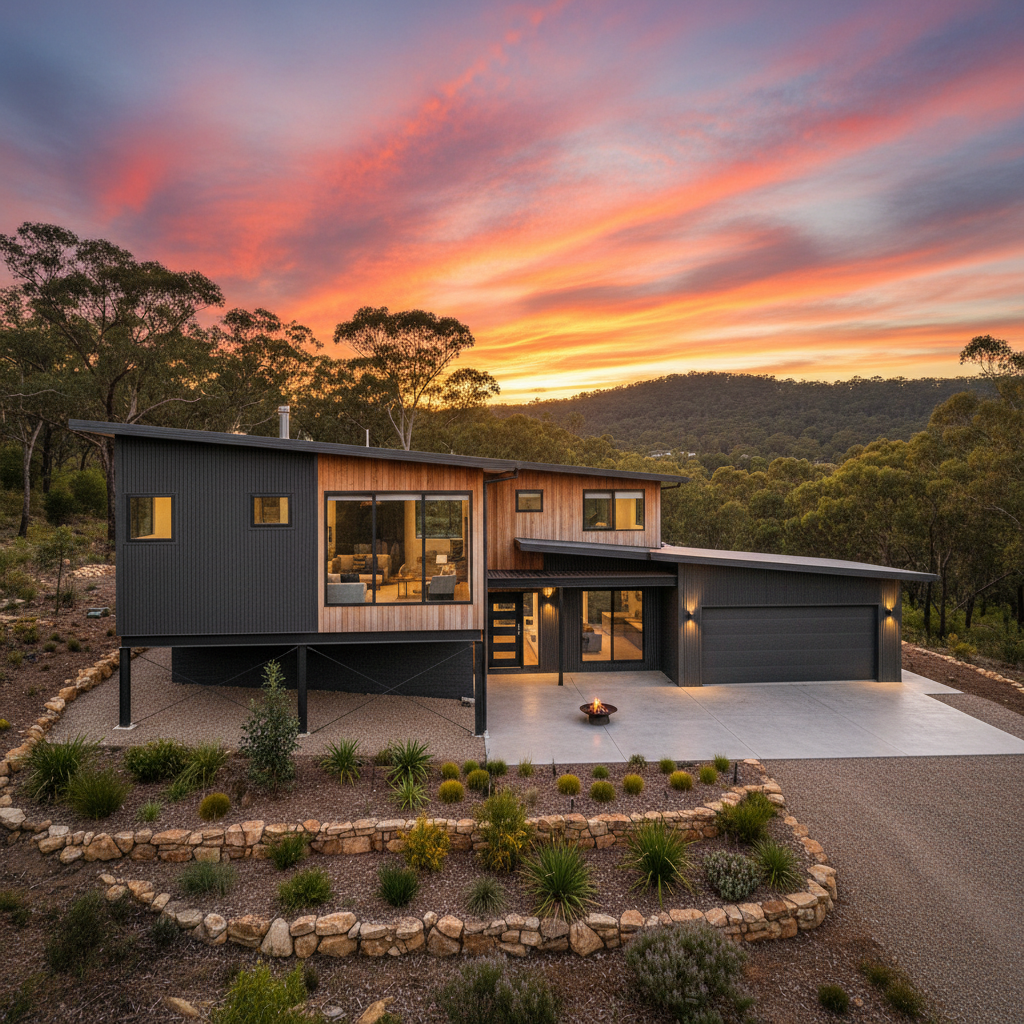
Not every block of land is a flat, empty canvas. If you are building on a sloping site or a narrow block, many standard designs will need adjustment. Ask your kit provider if they can modify the floorplan or if the structural system allows for variations like sub-floor changes or altered roof pitches.
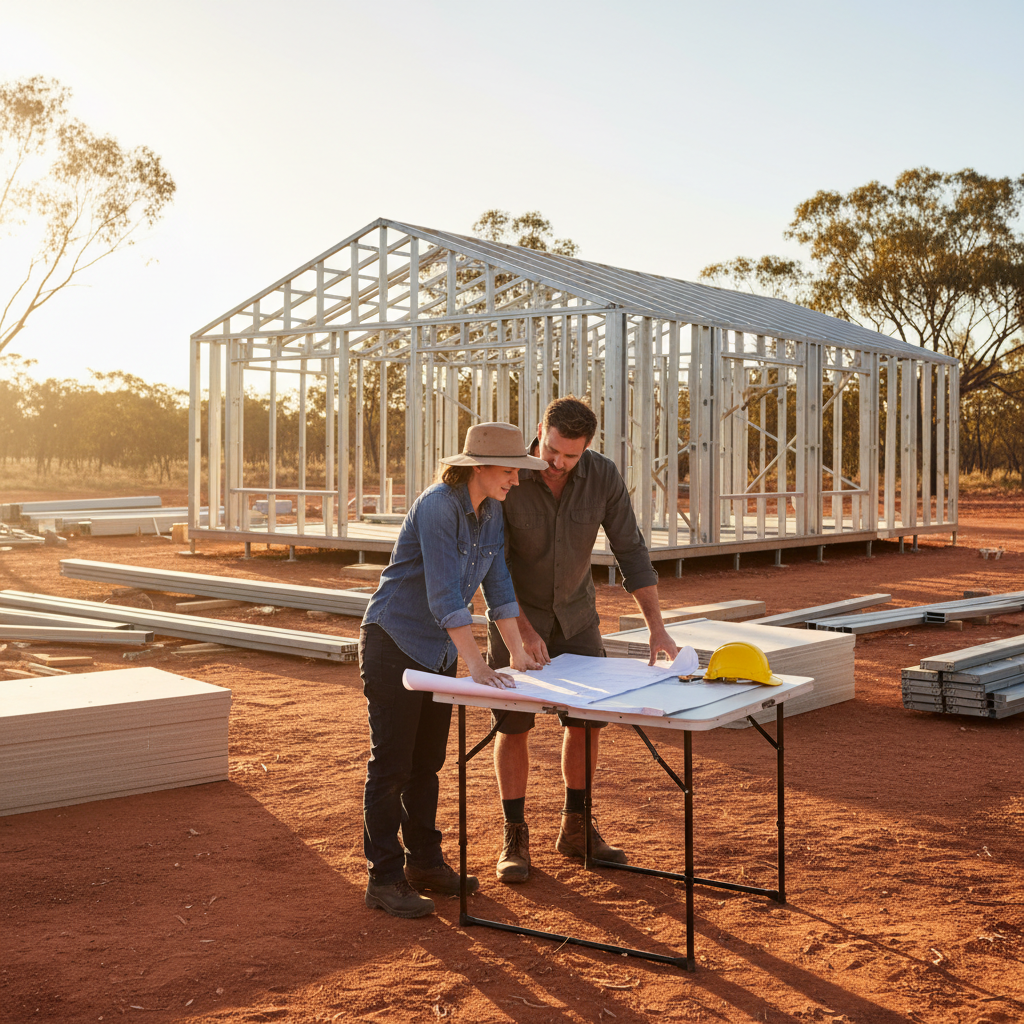
Steel frame kits are incredibly versatile because steel has a high strength-to-weight ratio, allowing for larger spans and more open internal spaces without the need for load-bearing internal walls. This flexibility is a huge advantage for owner-builders looking to customize a standard layout.
6. How Does the Design Handle Local Council Requirements?
Every local council in Australia has its own set of rules regarding setbacks, building heights, and even the appearance of external materials. Before you fall in love with a design, check the Bushfire Attack Level (BAL) rating of your land. If you are in a high BAL zone, your design will need to incorporate specific materials, such as non-combustible cladding and specialized window screens.
Ask if the kit home design can be easily adapted to meet these local requirements. Using steel frames and non-combustible cladding is often an excellent head start for building in fire-prone areas, but the overall design must still comply with your local Development Application (DA) or Complying Development Certificate (CDC) rules.
7. Is the Internal Storage Sufficient?
One of the most common complaints after a new build is a lack of storage. When looking at a floorplan, look closely at the cupboards. Is there a linen closet? Is there enough space in the bedrooms for built-in wardrobes? Does the kitchen have a pantry that actually fits your needs?
When you manage your own kit home project, you have the freedom to choose your own internal fit-out. This is the perfect time to plan for custom cabinetry or clever storage solutions that utilize every square inch of your steel-framed structure.
8. What Kind of Maintenance Will the Exterior Require?
Australian conditions can be harsh, from the salty air of the coast to the intense UV of the outback. Ask about the materials specified in the design. High quality kit homes often use BlueScope steel products like COLORBOND for roofing and cladding. These materials are popular for a reason: they are designed for the Australian climate and require very little maintenance compared to traditional timber or rendered brick.
Think about how often you want to be painting or treating the exterior of your home. If you want a "set and forget" lifestyle, prioritize durable, pre-finished materials in your design choice.
9. How Easy is the Design to Assemble for an Owner-Builder?
If you are planning to handle much of the construction yourself, the complexity of the design matters. A simple, rectangular footprint with a gable roof is much easier and faster to assemble than a complex, multi-level design with intricate roof lines.
Ask for a sample of the assembly manuals or plans. Are they clear? Is the steel frame system logically numbered? A good kit home design should empower the owner-builder, not overwhelm them with unnecessarily complex engineering.
10. Does the Design Capture the Lifestyle I Want?
Finally, move beyond the technical and look at the soul of the home. Does it have the big veranda you have always wanted for afternoon drinks? Does the kitchen island bench allow you to talk to your guests while you cook? Does the master bedroom feel like a sanctuary?
A kit home is more than just a building project; it is the backdrop for your future memories. Ensure the design reflects the way you want to live, whether that is a minimalist, modern aesthetic or a traditional Australian farmhouse feel.
Wrapping Up Your Design Journey
Taking the time to ask these ten questions before you sign on the dotted line will save you time, stress, and potential heartache. The beauty of the Australian kit home industry is the diversity of designs available, especially those utilizing the strength and precision of steel frames.
By focusing on orientation, functionality, and site-specific needs, you can ensure that your kit home isn't just a house, but a perfectly tailored home that stands the test of time. Being an owner-builder is a rewarding challenge, and it all starts with a design that you can be 100% confident in. Happy planning!