Planning Your Kit Home Journey in Australia
There is something uniquely Australian about the dream of building your own home. Whether it is a coastal retreat in New South Wales, a bush getaway in Victoria, or a practical family residence in the suburbs of Queensland, the owner builder journey offers a level of satisfaction that simply cannot be matched by buying off the plan. However, before you pick up a hammer or even sign a contract, there is a vital phase of investigation that needs to occur.
Choosing a kit home design is about more than just finding a floor plan that looks good on a brochure. It is about understanding how that structure will sit on your land, how it will perform in the harsh Australian climate, and how it will meet the strict requirements of your local council. As experts in the kit home industry, we have seen where people succeed and where they stumble. To help you get it right from the start, we have compiled the ultimate list of questions to ask before you commit to a design.
1. Does the Design Suit My Specific Site Topography?
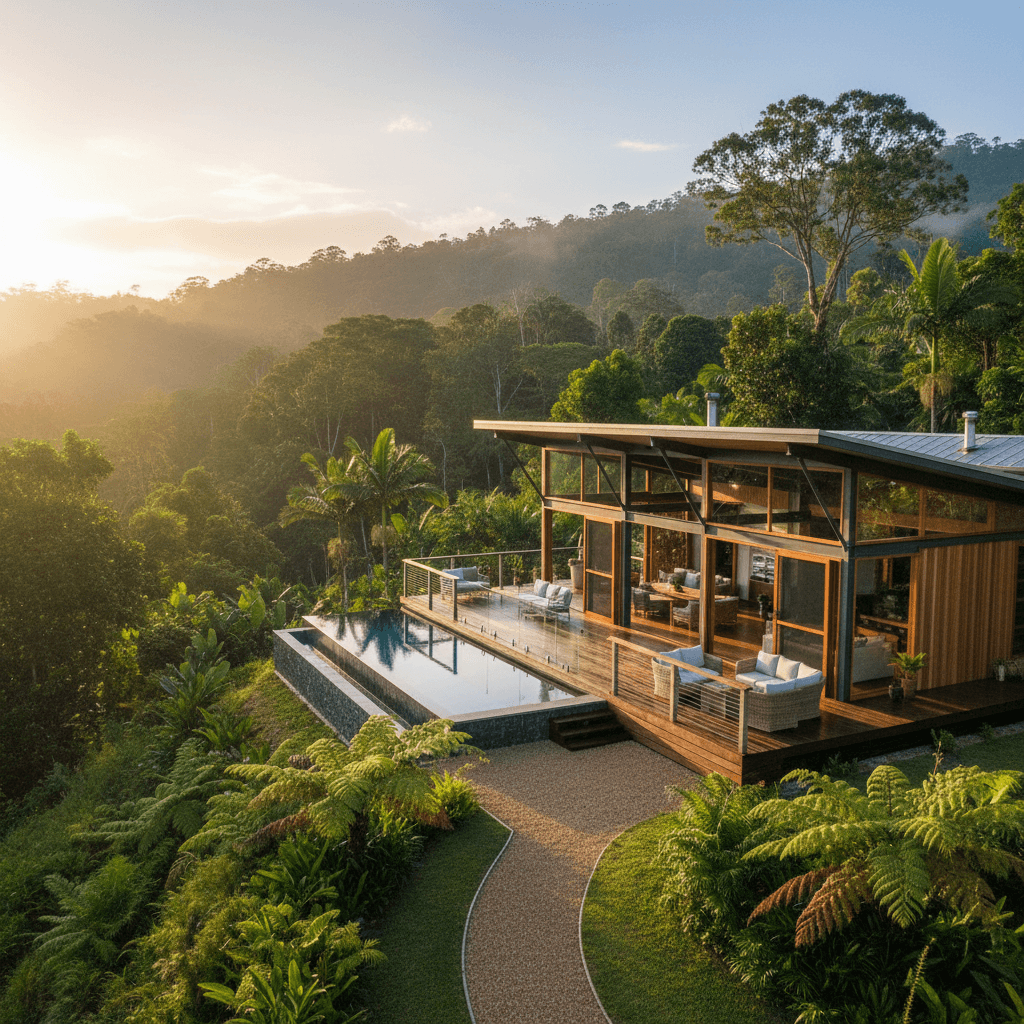
Australia is not a flat country. From the rolling hills of the hinterlands to sloping seaside lots, your land dictates what you can build. Before falling in love with a sprawling bungalow design, ask yourself if your site can actually accommodate it. A design intended for a flat concrete slab might require significant and expensive earthworks if your block has a steep incline. Alternatively, you might need to consider a design that works with a raised floor system on stumps. Understanding your site contours early prevents heartaches later when the site prepares for the build.
2. How Will the Home Handle Solar Orientation?
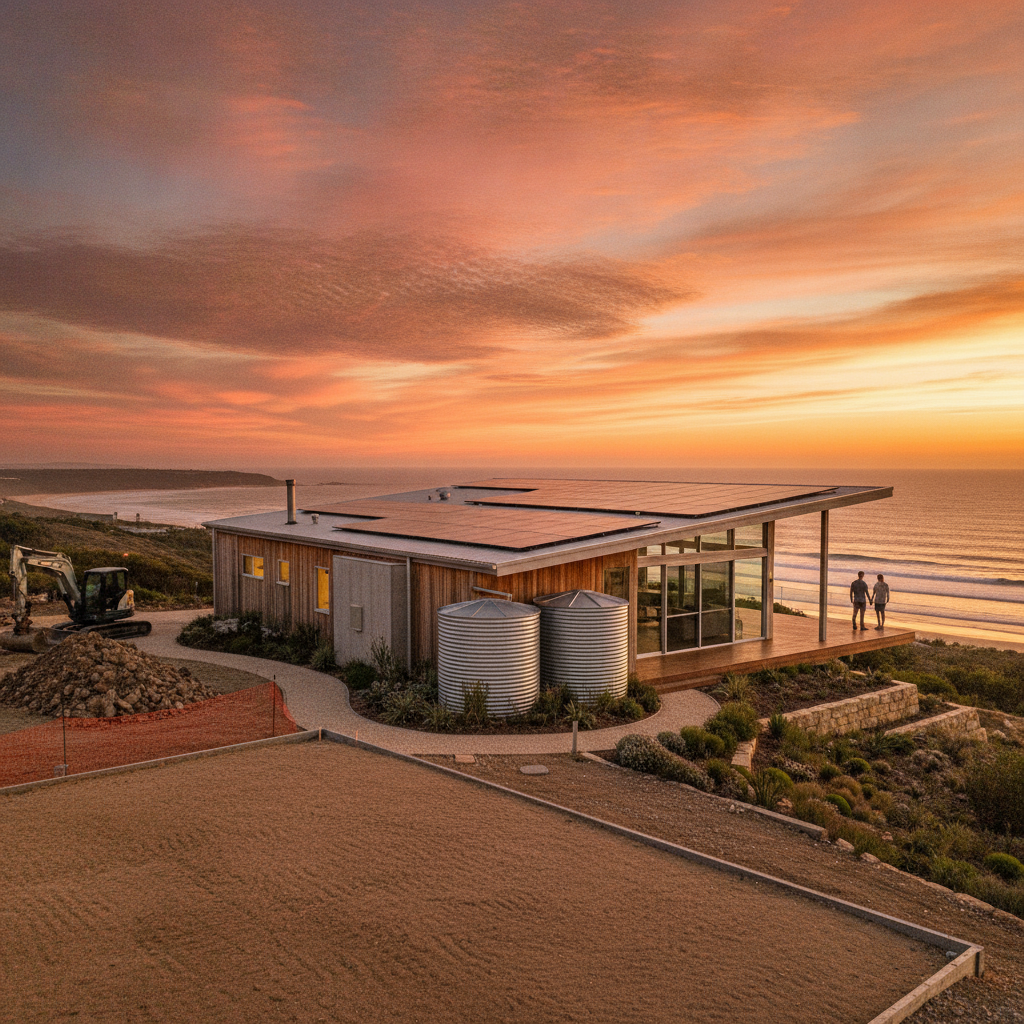
In the southern hemisphere, savvy builders prioritize northern exposure. A well designed kit home should allow winter sun to penetrate your living areas while shielding you from the harsh western sun in summer. Ask your provider if the design can be mirrored or flipped to better suit your block. Good passive solar design reduces your reliance on artificial heating and cooling, making your home more comfortable and sustainable in the long run. High quality insulation, which is usually included in premium kits, works much harder for you when the house is oriented correctly.
3. What is Included in the Physical Kit Package?
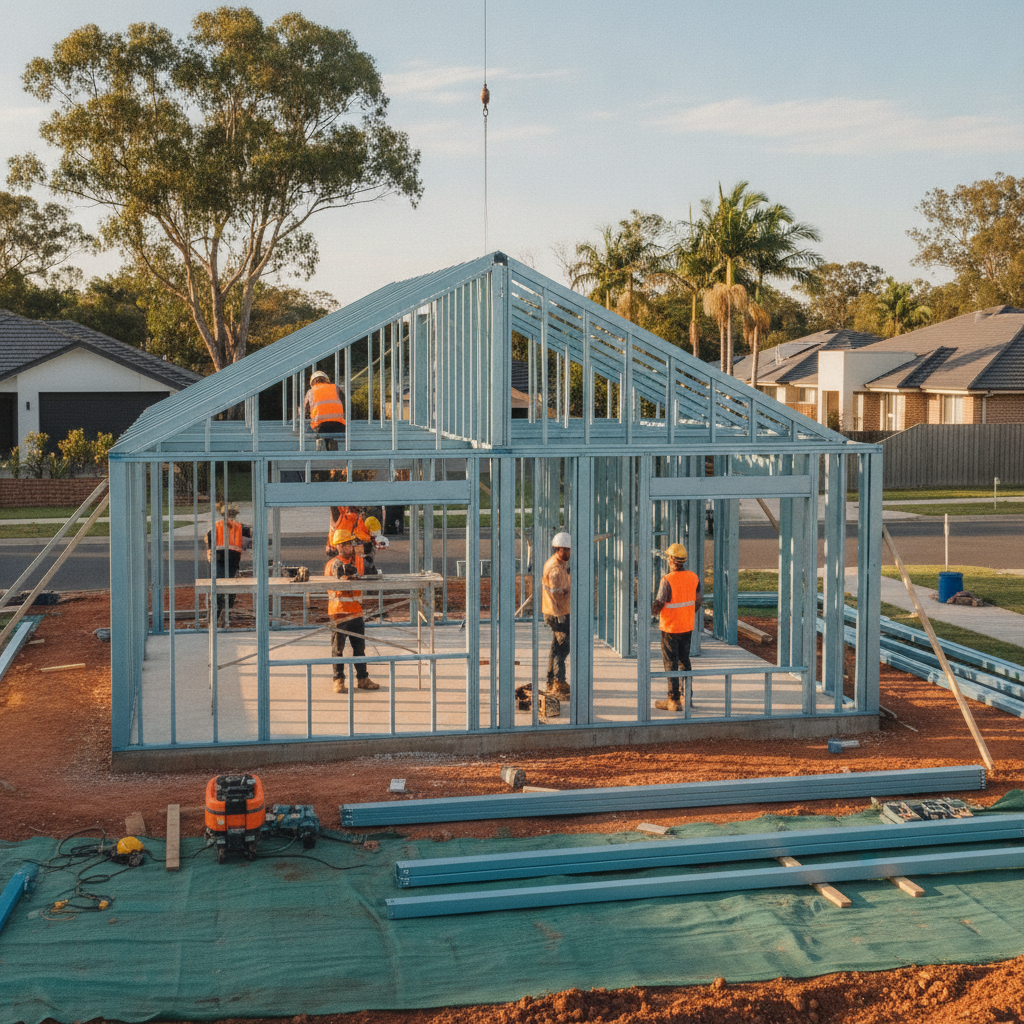
This is where many first time owner builders get confused. Not all kit homes are created equal. You need to be crystal clear on what is arriving on the truck. A standard high quality kit in Australia typically includes the structural frames, often made from durable BlueScope TRUECORE steel, along with the roofing, external cladding, windows, external doors, and insulation. However, you must confirm the specifics. Does it include the internal plasterboard? The skirting boards? The fixings? Knowing exactly what is in the package allows you to accurately coordinate your secondary suppliers for the fit out phase.
4. Is the Design Compliant with Local BAL Ratings?
Bushfire Attack Level (BAL) ratings are a critical part of building in Australia. If your land is in a bushfire prone area, your kit home must meet specific construction standards. This might influence the type of windows you use, the gap sealing requirements, and the materials used for cladding. Ask the designer if the kit can be upgraded to meet BAL-29 or BAL-40 requirements if necessary. Using non combustible materials like steel frames and specific metal cladding can be a significant advantage in these regions.
5. Can the Layout Be Customized for My Lifestyle?
A floor plan that works for a retired couple might not work for a young family with three kids. Ask how flexible the design is. Can you move an internal non load bearing wall to create a larger pantry? Can you swap a window for a sliding door to gain better deck access? Since many modern kits use steel roof trusses that span large distances, you often have more freedom with internal layouts because fewer internal load bearing walls are required. Discuss these tweaks before the engineering plans are finalized.
6. What Technical Support is Provided During the Build?
As an owner builder, you are the project manager. Even if you are hiring trades to do the heavy lifting, you need to understand how the system goes together. Ask your provider about the documentation. Do they provide detailed construction manuals? Are the steel frames clearly labeled for easy assembly? Knowing that you have a comprehensive set of plans and a point of contact for technical questions can be the difference between a smooth weekend of framing and a month of frustration.
7. How Does the Design Stand Up to Local Wind Loads?
From the cyclonic regions of the north to the high wind areas of the southern coast, Australia has diverse structural requirements. Any kit home you consider must be engineered for your specific wind classification (such as N2, N3, or C2). Before committing, ensure the provider can supply the necessary engineering certificates for your local council permit application. A design that is perfectly safe in suburban Melbourne might need structural reinforcement to be compliant in North Queensland.
8. What Maintenance is Required Long Term?
Building a home is an investment of time and energy, so you want to ensure it stays in top condition. Ask about the lifespan of the materials. Using high quality Australian steel for the frame and roofing is a popular choice because it is resistant to termites and does not warp or twist over time. Similarly, consider the exterior cladding. Do you want something that needs painting every five years, or a pre finished metal or composite material that just needs a occasional wash down? Your future self will thank you for choosing low maintenance options now.
9. Is the Home Designed for Energy Efficiency?
With rising energy awareness in Australia, the thermal performance of your home is paramount. Ask about the glazing options included in the kit. Are the windows double glazed? Does the insulation package meet or exceed the current National Construction Code (NCC) requirements? A kit home that incorporates bulk insulation and reflective foil lamination will provide a much more stable internal temperature, which is essential for our scorching summers and chilly winters.
10. How Does the Delivery Logistics Work?
It sounds like a minor detail, but delivery is a major event in the kit home process. Ask how the components are packed and delivered. Do you need a wide access path for a large semi trailer? Will you need a crane or a forklift on site to unload the steel frames and roofing packs? Understanding the logistics ensures that when the truck arrives, you are prepared and the site remains organized. A cluttered site is a dangerous site, so plan your drop zones well in advance.
Final Thoughts for Australian Owner Builders
Building a kit home is a rewarding way to create a space that is truly yours. By asking these questions early, you move from a place of uncertainty to a place of confidence. Remember, the best kit home providers are the ones who are happy to answer these questions in detail. They understand that a well informed customer is a successful builder.
Take your time with the design phase. Walk your land at different times of the day, visualize where the sun falls, and think about how you will move through the rooms. When you combine local knowledge with a high quality Australian made kit, you are well on your way to building a home that will stand the test of time and provide a wonderful lifestyle for years to come. Happy building!