The Foundation of Your Dream: Why It Matters
When you embark on the journey of building your own home, it is easy to get caught up in the aesthetics of open plan living or the sleek look of modern cladding. However, before a single steel frame is bolted into place, you have to make the most important technical decision of the construction process: what will the house sit on? In the world of Australian kit homes, your foundation choice dictates your site costs, your long term maintenance, and even how the home feels to walk through.
For an owner builder, understanding the mechanics of foundations is essential. You are the project manager, and while you might hire a concreter or a fencer to do the heavy lifting, you need to understand which system suits your block of land and your lifestyle. In Australia, we primarily look at three options: the concrete slab, timber or steel stumps, and screw or concrete piers.
The Concrete Slab: The Modern Standard
The concrete slab on ground is perhaps the most common sight in Australian suburbs today. It offers a solid, permanent feel that many homeowners prefer. For a kit home featuring a TRUECORE steel frame, a slab provides a perfectly level, rigid base that makes the assembly of wall frames and roof trusses straightforward and fast.
Benefits of a Slab
One of the primary advantages of a slab is its thermal mass. When designed correctly with passive solar principles in mind, a slab can help regulate the internal temperature of your home, keeping it cooler in summer and warmer in winter. Because there is no space underneath the house, you also eliminate the risk of draughts whistling through floorboards or local wildlife making a home under your living room.
Considerations for Owner Builders
Slabs are best suited to flat or gently sloping blocks. If your land has a significant fall, the cost of leveling the site (cut and fill) and building retaining walls can escalate quickly. Additionally, once a slab is poured, your plumbing and electrical points are set in stone, literally. You must be 100 percent certain of your kitchen and bathroom layouts before the concrete truck arrives.
Stumps and Bearers: Elevated Living
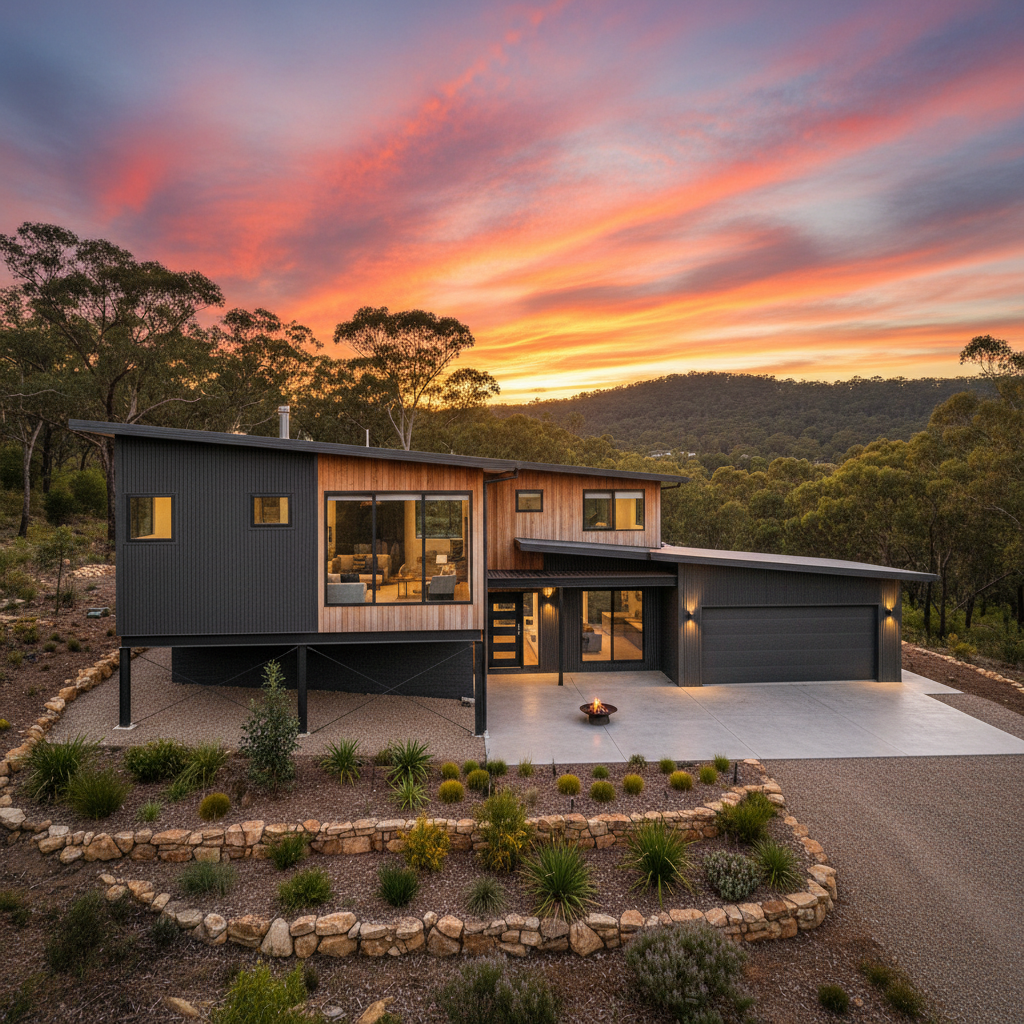
If you are building on a sloping site, or perhaps in a coastal area prone to dampness, an elevated flooring system using stumps (also known as posts) and bearers is a traditional Australian technique that remains highly effective. This method involves digging holes, setting vertical stumps in concrete, and then running a sub floor frame across them.
Why Choose Stumps?
The biggest technical benefit of a stump foundation is site adaptability. On a steep block, you can have short stumps at the top and long stumps at the bottom, avoiding the need for massive earthworks. This preserves the natural drainage of the land and is often much kinder to the environment. Furthermore, an elevated home allows for easy access to plumbing and electrical wiring for the life of the building. If you decide to renovate or move a sink ten years down the track, you just crawl underneath and reroute the pipes.
Steel Stumps and Kit Homes
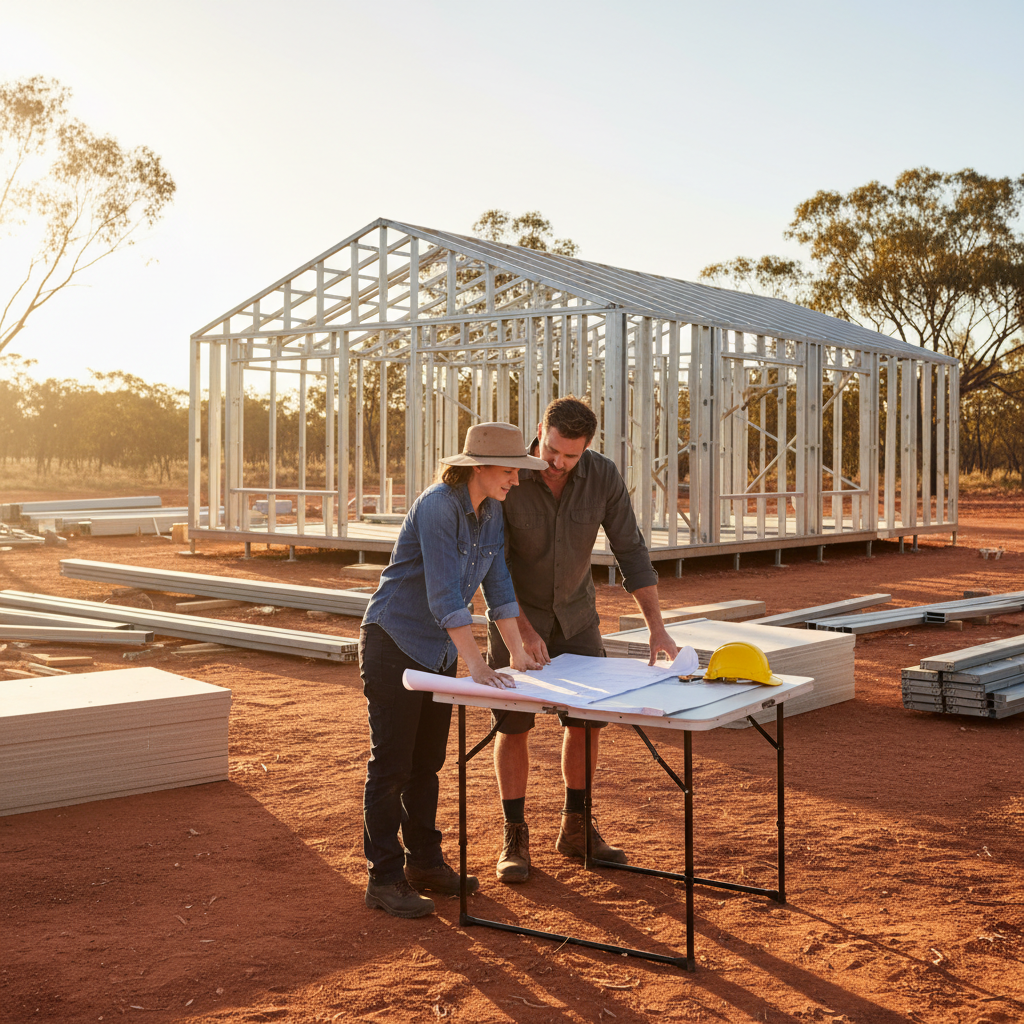
For those using steel frame kits, using steel stumps and sub floor systems is a natural fit. Using BlueScope steel for your floor joists ensures that your entire structural skeleton is resistant to termites and won't warp or shrink over time. This creates a high performance floor that feels just as solid as a slab but offers the benefits of elevation.
Piers: The Hybrid Solution
Piers are often confused with stumps, but in a construction context, they usually refer to deep vertical supports that reach down to stable rock or high density clay. You might use concrete bored piers or innovative screw piers, which are essentially giant steel screws driven into the ground by a machine.
When to Use Piers
Piers are the technical answer to "reactive soil." If your soil report comes back as Class H (Highly Reactive) or E (Extremely Reactive), it means the ground moves significantly when wet or dry. A standard slab might crack under this pressure. By using piers, you anchor the home to a stable layer deep underground. You can then either pour a "suspended slab" on top of the piers or build a traditional floor frame.
Screw Piers for DIY Builds
Screw piers are becoming a favorite for owner builders because they are incredibly fast to install and require zero digging or soil removal. A contractor can often install the entire pier system for a kit home in a single day, allowing you to start bolting your steel floor frames down immediately without waiting for concrete to cure.
Owner Builder Tips: Making the Right Choice
As you plan your build, here are some practical tips to ensure your foundation is a success:
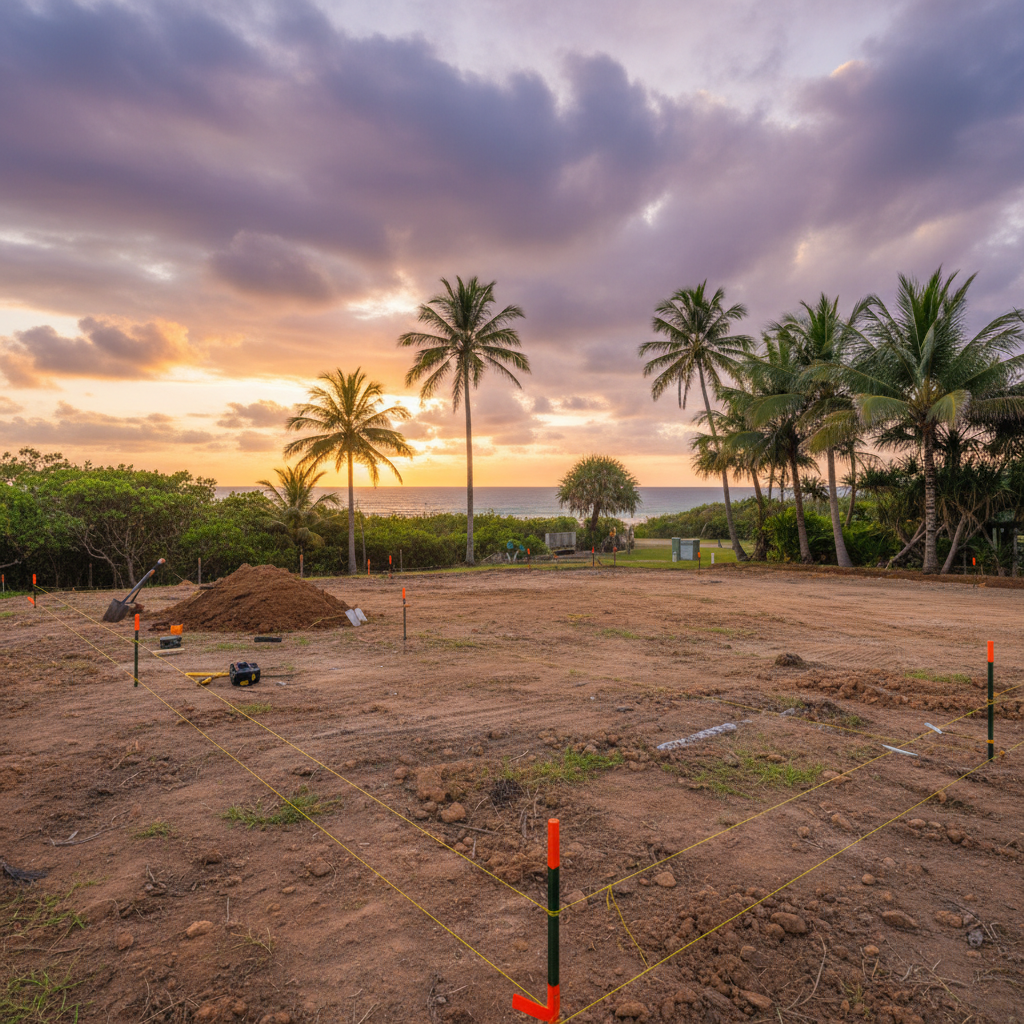
- Get a Soil Test First: Never guess what is under the grass. A geotechnical engineer will provide a soil report that tells you exactly what kind of foundation your land can support. This report is the first thing your structural engineer will ask for.
- Think About Termites: While steel frames are termite proof, your floor coverings and furniture are not. A slab needs physical barriers at pipe penetrations, while an elevated floor allows for clear visual inspections.
- Contour Surveys Are Crucial: If your block looks even slightly sloped, get a contour survey. A 500mm fall over the width of a house is often invisible to the naked eye but can make a slab significantly more expensive than stumps.
- Climate Context: If you are in the humid tropics, an elevated floor on stumps allows for cross ventilation under the house, which helps keep the home cool and dry. In the snowy highlands, a thick, insulated slab might be better for holding heat.
The Role of Steel in Your Foundation
Regardless of whether you choose a slab or stumps, the structural integrity of your kit home depends on the quality of the materials used. Opting for a steel frame kit, particularly one using TRUECORE steel, offers a major advantage during the foundation phase. Steel is lightweight compared to heavy timber beams, meaning there is less dead weight pressing down on your foundations. This can sometimes result in smaller, more cost effective footing requirements in your engineering specifications.
Additionally, steel is manufactured to millimetre precision. When you are bolting your frames to a slab or a sub floor, you know every piece will be square and true. This is a lifesaver for the owner builder, as it eliminates the need to shave down wonky timber or compensate for bows and twists in the frame.
Conclusion: Start on Solid Ground
Deciding between a slab, stumps, or piers is not just about cost, but about how your home interacts with the Australian landscape. A slab offers a permanent, thermal mass solution for flat blocks, while stumps provide flexibility and airflow for slopes and varied climates. Piers offer the ultimate stability for tricky soil conditions.
As an owner builder, taking the time to research these building techniques ensures that your kit home will stand the test of time. By combining a well chosen foundation with a high quality steel frame, you are setting yourself up for a successful build and a beautiful, durable home for years to come. Remember, the best house in the world is only as good as the ground it stands on, so invest the time early to get your footings right.