So, you've decided to take the plunge into the world of kit homes. It's an exciting time. You've probably spent hours scrolling through floor plans, imagining where the couch will go and where the natural light will hit your morning coffee. But let's take a step back for a second. Picking a design isn't just about how many bedrooms you can squeeze in or whether you want a butler's pantry. It's about how that structure actually works on your specific patch of Aussie dirt.
Most owner-builders start with a dream. They want a home that reflects their lifestyle without the massive price tag of a traditional bespoke builder. It's a cracker of a way to get into the market or build that dream getaway. But a design that looks great on a flat suburban lot might be a total nightmare on a sloping block in the bush. You need to be thorough. You need to be a bit of a detective before you commit to those final drawings.
How does the house actually sit on my land?
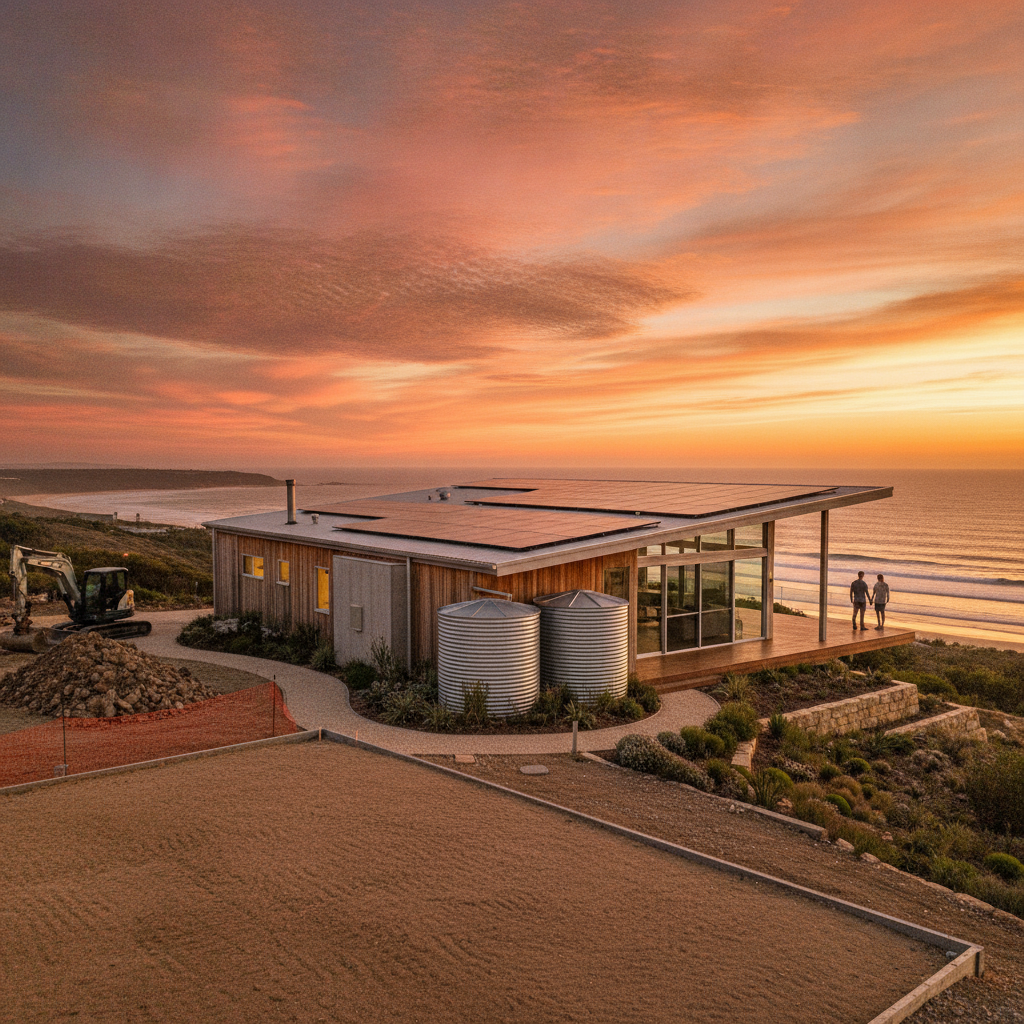
This is the big one. We've seen plenty of people fall in love with a wide, sprawling homestead only to realize their building envelope is narrow and restrictive. You need to ask yourself if the design works with the natural fall of your land. Are you going to be spending a fortune on earthworks just to make a specific kit fit? Check your contours. If you're building on a slope, you might need to consider a raised floor system rather than a standard slab. It's often easier and saves you moving mountains of dirt.
Think about the sun too. In Australia, orientation is everything. Does the main living area face north? If it doesn't, you'll be freezing in winter and roasting in the arvo heat. A good kit design should be adaptable. You want to be able to flip or mirror the floor plan so the windows catch the breeze and the eaves block the harsh sun. Ask if the design allows for easy orientation changes without a total redraw.
Is the floor plan actually livable for my family?
It's easy to get distracted by fancy renders. But have you really walked through the floor plan in your head? Imagine coming home after work with a boot full of groceries. Is the kitchen miles away from where you park the ute? If you've got kids, are the bedrooms far enough away from the living area so you can watch a movie without waking them up? These little daily Flow-of-life things matter more than a flashy facade.
Don't be afraid to question the room sizes. Get a tape measure out in your current house. If the kit home bedroom is 3m x 3m, is that actually enough space for a queen bed and a wardrobe? Sometimes it's worth sacrificing a bit of hallway space to make a bedroom more comfortable. Ask if the internal non-load-bearing walls can be shifted slightly. A bit of flexibility here goes a long way.
What exactly is included in the kit?
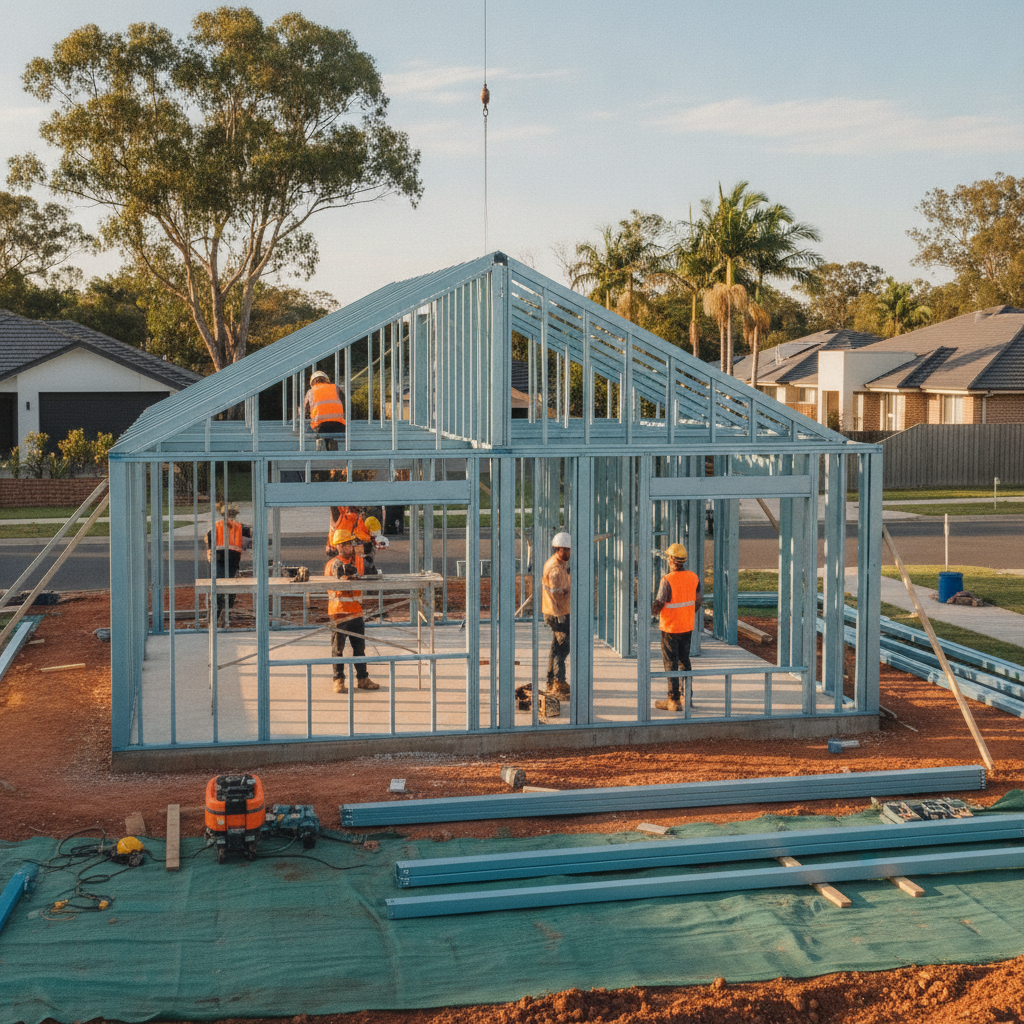
This is where things can get a bit suss if you aren't careful. You need to know exactly what arrives on the truck. With our steel frame kits, we focus on the core structure. We're talking the TRUECORE steel frames, the trusses, the roofing, cladding, and the external windows and doors. But what about the rest? You'll need to arrange your own trades for the plumbing, electrical, and internal fit-out.
Ask for a detailed inclusions list. Does it include the insulation? Is the cladding pre-painted or do you need to do that on-site? Knowing these details helps you plan your owner-builder schedule. You don't want to be halfway through the build and realize you forgot to order the internal doors because you thought they were part of the package. Clarity is your best friend during this phase. Write a list. Check it twice. Then check it again.
Will my local council actually let me build this?
Every council in Australia has its own quirks. Some are easy-going, and others... well, others like to make life interesting. Before you commit to a design, you should have a chat with a private certifier or your local planning department. Are there height restrictions? What about setbacks from the boundary? If you're in a bushfire-prone area, you'll need to know your Bushfire Attack Level (BAL) rating.
Your kit design needs to meet these specific requirements. For instance, if you're in a high BAL zone, your choice of windows and cladding will be restricted. Steel frames are a great choice here because they aren't combustible, but you'll still need to ensure the rest of the materials play ball with the regulations. Don't leave this until the last minute. Get your site reports done early so you aren't trying to fix design flaws after you've already paid for the engineering.
How hard is this specific design to put together?
If you're planning on doing a lot of the work yourself, you need to be honest about your skill level. Some designs are straightforward rectangles that go up in a breeze. Others have complex rooflines with multiple gables and tricky intersections. The more complex the design, the more time it takes to assemble. And as any owner-builder will tell you, time is your most precious resource.
Ask to see the assembly instructions or a sample of the plans. Are the frames clearly labeled? Do they come pre-punched for your electrical and plumbing lines? Using BlueScope steel frames usually makes this part a lot easier because they are dimensionally accurate. They don't warp or twist like timber might, meaning your walls are straight and your corners are square. That saves heaps of frustration when you get to the gyprock stage later on.
Can the design handle future changes?
Life changes. You might be a couple now, but what happens if a few rugrats come along in five years? Or maybe you're planning on retiring and want a space for the grandkids to stay. Ask yourself if the design is adaptable. Is there a way to add a deck or an extra room later without compromising the structural integrity of the home?
Think about the internal layout too. Open-plan living is great, but sometimes you need a quiet spot for a home office. Can one of the bedrooms be easily converted? We reckon it's always better to have a bit of extra space than to find yourself outgrowing the house before the paint is even dry. Planning for the future now saves you the headache of a massive renovation down the track. She'll be right isn't exactly a great strategy for long-term lifestyle planning.
What's the wait time on delivery?
Construction cycles in Australia can be a bit of a rollercoaster. You might have your slab poured and your trades lined up, but if the kit is three months away, you're stuck in limbo. Ask about real lead times. Not the "best-case scenario" version, but the actual time it takes from when you sign off on the final engineering to when the truck pulls up to your site.
Being an owner-builder is all about coordination. You're the conductor of the orchestra. If one section is late, the whole song falls apart. Make sure the timing works for your schedule. And remember, don't book your frames to arrive on a day when the site is still a muddy mess from the plumber digging trenches. You need a clean, flat area to store the delivery so nothing gets damaged or lost in the grass.
Choosing a kit home is a massive step toward independence and homeownership. It's about taking control of the process and building something you can be proud of. But don't rush the design phase. Take your time. Ask the awkward questions. Challenge the floor plan. Once you've sussed out the details and checked off the council requirements, you'll be in a much better position to start the build with confidence. Building your own home is a marathon, not a sprint. Pace yourself, do your homework, and you'll end up with a cracker of a home that serves you and your family for decades to come.