Getting the Floor Plan Right the First Time
Picking a house design feels like a massive decision. Because it is. When you're looking through pages of kit home floor plans, it is easy to get distracted by flashy renders or high ceilings. But at the end of the day, you've got to live in those spaces. You've got to clean them, heat them, and find a place for the vacuum cleaner. Have you ever walked into a house and thought something felt just... off? Usually, it is a floor plan issue.
For Australian families, our homes are more than just shelter. They're where we host the Christmas barbie, where the kids track in sand after a trip to the beach, and where we escape the summer heat. Getting the layout right means thinking about how you actually spend your time. Do you really need a formal dining room? Or would you rather have a massive deck for outdoor living? We reckon the best floor plan is the one that makes your daily life easier, not harder.
Think About Your Family Life Cycles
Families change. That's a fact of life. The floor plan that works for a couple with a newborn will feel very different when that kid is a six foot tall teenager with a drum kit and a dirty ute in the driveway. One thing that catches people off guard is failing to plan for the future. You aren't just building for today. You're building for five, ten, or twenty years down the track.
Consider the 'zoning' of the house. Putting the master bedroom right next to the nursery seems like a cracker of a move when you're doing 2 AM feeds. But fast forward ten years. Do you really want to share a wall with a teenager who stays up late gaming? Probably not. If you have the space, try to create separate 'wings'. Place the kids' bedrooms and a secondary living space at one end of the house and the master suite at the other. This gives everyone a bit of breathing room. It's about privacy. Simple as that.
The Great Australian Indoor-Outdoor Flow
In Australia, the line between inside and outside is pretty thin. Most of us spend heaps of time outdoors, so your kit home floor plan needs to reflect that. It's not just about chucking a sliding door onto the back wall. You need to consider the orientation and how the house interacts with your specific block of land.
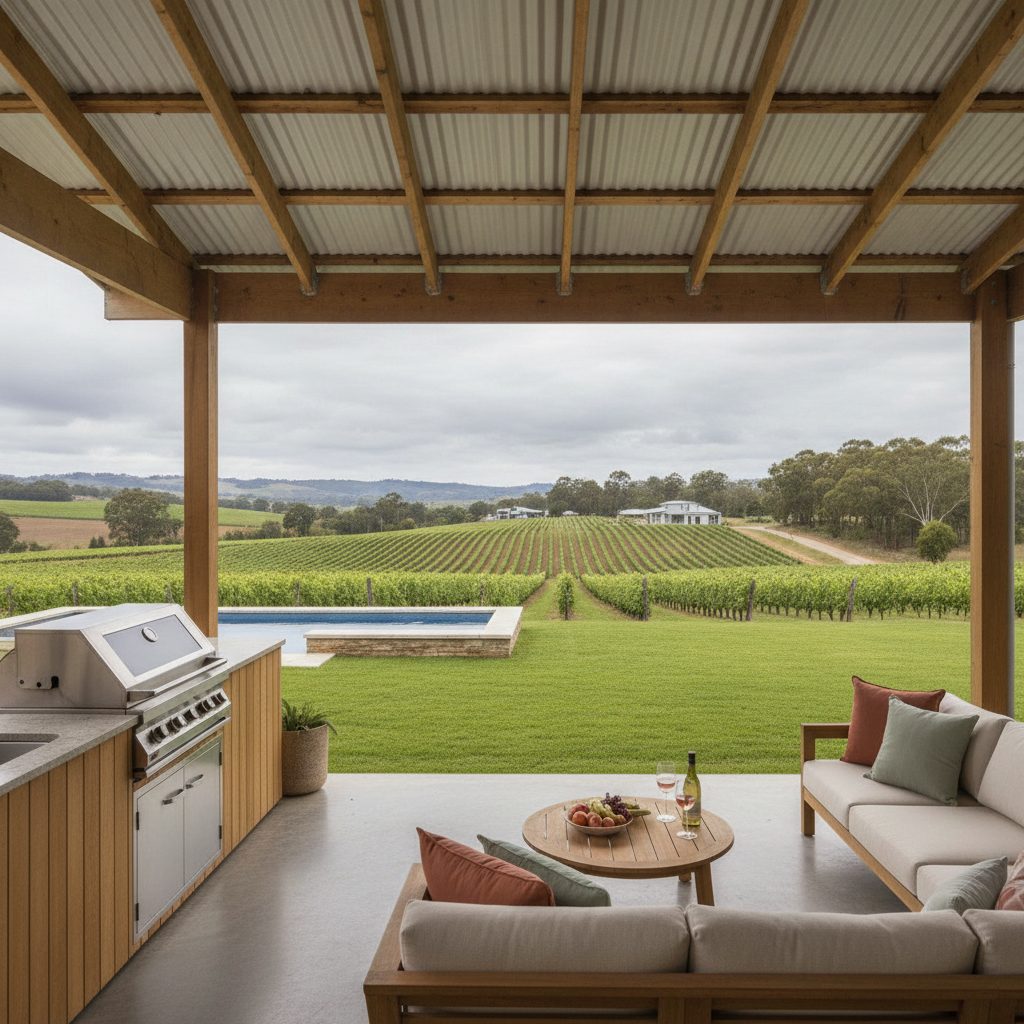
Look at where the sun hits at different times of the arvo. You want your main living areas to capture that lovely winter sun while being protected from the harsh summer glare. If your floor plan places the kitchen and lounge right next to an alfresco area, your home will feel much bigger than its actual footprint. It creates a sense of space that a closed-off house just can't match. Plus, it makes it way easier to keep an eye on the kids while they're playing in the yard.
Sussing Out the Services and Storage
Let's talk about the boring stuff. Storage. You can never have enough of it. Ever. Most standard plans have a linen cupboard and some wardrobes, but is that really enough for your camping gear, the Christmas decorations, and the winter coats? When you're looking at kit home layouts, check for opportunities to add extra storage. Can you spare a bit of room in the laundry? Could the hallway accommodate a deep cupboard?
Speaking of the laundry, don't treat it as an afterthought. Australian households generate heaps of washing. A laundry that has direct access to the outside is a lifesaver. No one wants to drag a heavy basket of wet clothes through the lounge room. A 'mudroom' style entrance near the laundry or garage is also a smart move. It's a place to drop the boots and the school bags before they make it into the rest of the house. Trust us, your floors will thank you.
The Tech Specs: Why Steel Frames Matter for Layouts
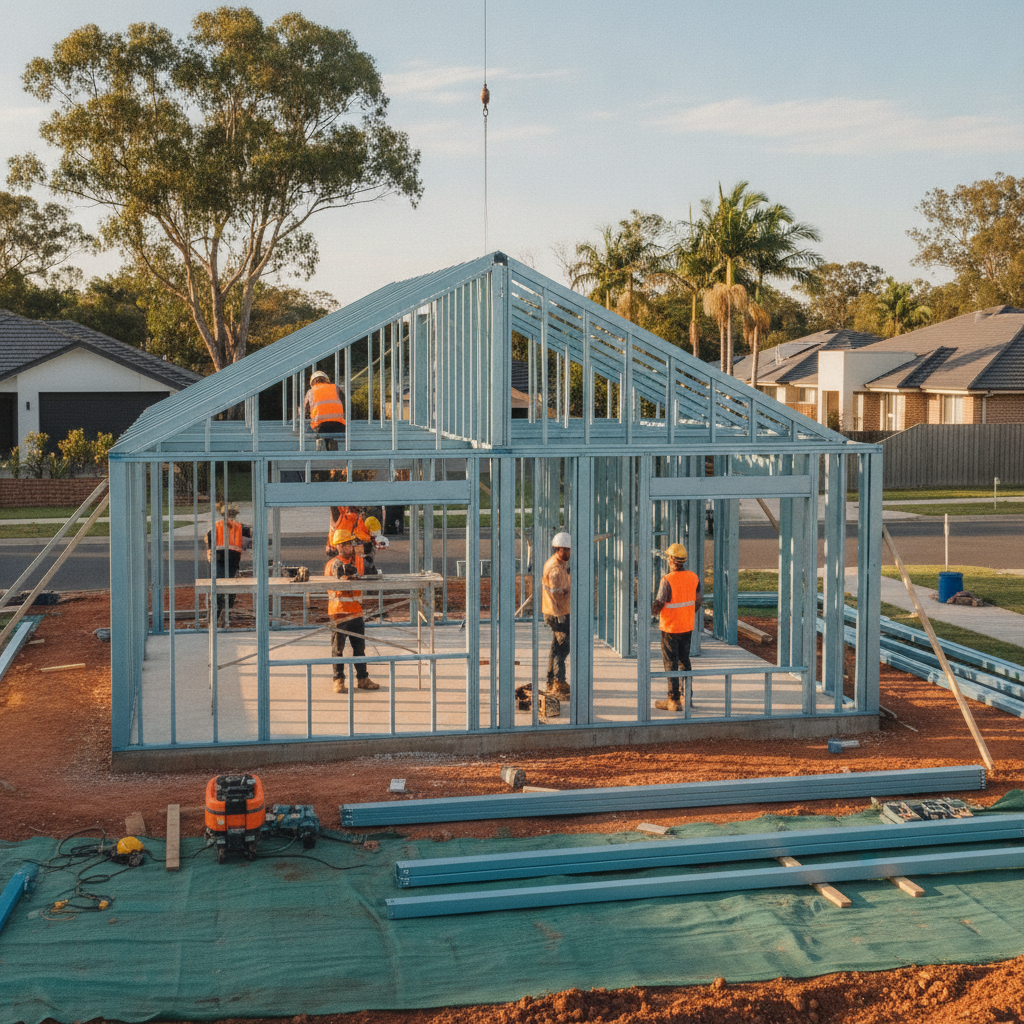
While we're talking design, it's worth mentioning what's holding the whole thing up. Most modern kit homes use steel frames, often made from high quality TRUECORE steel. Why does this matter for your floor plan? Well, steel is incredibly strong. This strength allows for longer spans without needing as many internal load-bearing walls.
This is a big win for open plan living. If you want a wide, expansive kitchen and dining area without a random pillar in the middle of the room, steel frames make that much easier to achieve. It gives you more flexibility to tweak the internal layout to suit your family's needs. Plus, because steel is dimensionally stable, your walls stay straight and true. No worries about warping or twisting over time, which means your beautiful new kitchen cabinets will actually fit properly against the walls.
Kitchens are the Heart (and the High Traffic Zone)
The kitchen is always the busiest spot in the house. It's where the coffee gets made, where homework happens, and where everyone congregates during a party. When you're looking at a floor plan, imagine yourself cooking a meal. Is the fridge in a spot where people can grab a drink without getting in your way? Is there enough bench space near the oven?
The 'working triangle' between the sink, fridge, and stove is a classic design rule for a reason. It works. But in a modern family home, you might also want to consider a butler's pantry. It's a great way to hide the toaster and the messy dishes when you've got guests over. Even a small walk-in pantry can make a massive difference to how organized your kitchen feels.
The Reality Check: Can You Actually Build It?
As an owner-builder, you're the one steering the ship. You'll be arranging the trades and managing the site works. This means you need to be realistic about the floor plan you choose. A super complex design with fifty different angles might look cool on paper, but it's going to be a headache to build and finish.
Classic rectangular or L-shaped designs are popular for a reason. They're efficient to manufacture and straightforward to put together on site. This doesn't mean they have to be boring. You can add plenty of character with your choice of cladding, windows, and interior finishes. Sometimes, simplicity is the smartest choice you can make. It keeps the project moving and reduces the chance of things going pear-shaped during the construction phase.
Don't Forget the Office
The way we work has changed. A few years ago, a study was a 'nice to have'. Now, for many of us, it's essential. Even if you don't work from home full time, having a dedicated space for a computer or for the kids to do their schoolwork is vital. If the floor plan doesn't have a specific room for an office, look for 'nooks' or corners that could be converted. A quiet spot away from the main living area is usually best. No one wants to be on a Zoom call while the kettle is boiling and the dog is barking at the postie.
A Final Piece of Advice
Take your time. Don't rush into a floor plan because you're keen to get started. Print out the plans. Draw your furniture on them. Walk through a similar sized space if you can. Think about the morning rush and the evening wind down. Does the layout flow? Or does it feel like you'll be tripping over each other? If you get the floor plan right, the rest of the building process feels a lot more rewarding. You aren't just building a house, you're building the backdrop for your family's life. Make it a good one. She'll be right if you do the groundwork now.