Taking the Mystery Out of Your Kit Home Plans
So, you have decided to take the plunge into the world of owner building. You have been browsing designs, imagining your new life on a quiet block of land, and now you are staring at a thick stack of technical drawings and specification sheets. For many Australians, this is the moment where the dream starts to feel like a serious technical challenge.
Understanding your kit home plans is about more than just knowing where the kitchen sink goes. It is about understanding the structural integrity of your future home, the materials that will protect you from the elements, and how every component fits together like a giant, high stakes puzzle. Whether you are building a weekend getaway in the bush or a family home in the suburbs, being able to speak the language of blueprints is your first step toward a successful build.
The Anatomy of a Kit Home Plan Set
When you receive your documentation, it won't just be one single page. A comprehensive set of plans for an Australian kit home usually includes several key components. Each serves a specific purpose for both the council approval process and the actual construction phase.
The Floor Plan: Your Daily Life on Paper
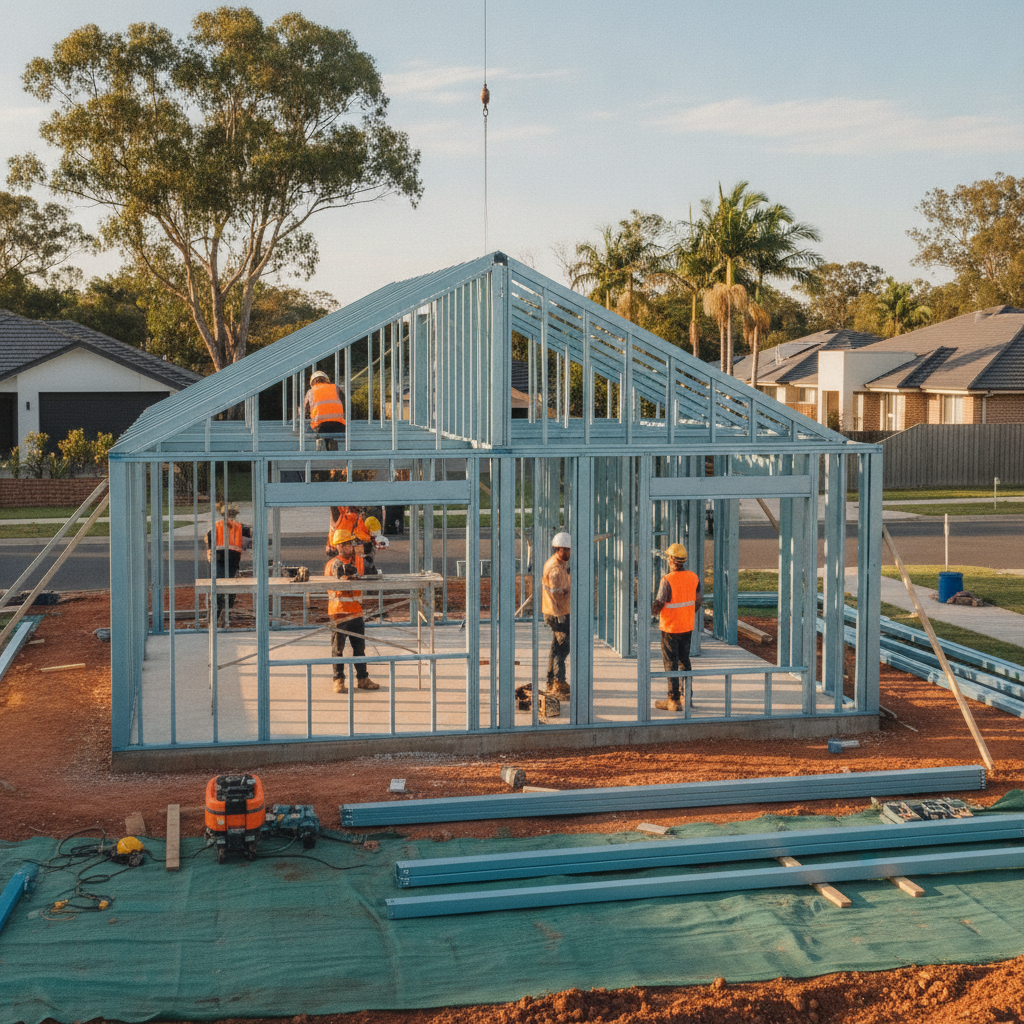
The floor plan is the bird's eye view of your home. While it looks simple, there is a lot of data packed into these lines. Look for room dimensions, window placements, and door swings. In a kit home context, these plans also indicate where internal load bearing walls are located. Because many modern kits utilize high strength steel frames made from BlueScope TRUECORE steel, you might notice that internal spans can be quite generous, allowing for that open plan Australian lifestyle we all love.
Elevations: Looking at the Faces of Your Home
Elevation drawings show you what the house looks like from the outside, standing on the ground. You will have North, South, East, and West elevations. These are crucial for understanding the heights of your walls, the pitch of your roof, and how the cladding will look once installed. They also show the placement of windows and doors in relation to the ground level, which is vital for planning your decks or landscaping later on.
Sectional Drawings: Cutting the House in Half
Imagine taking a giant saw and cutting your house down the middle. That is a sectional drawing. These are arguably the most important for an owner builder because they show the 'sandwich' of materials. You will see how the floor meets the wall, how the wall meets the roof, and where the insulation sits. It reveals the hidden details that keep the home sturdy and weatherproof.
Understanding the Specification Sheet
If the plans are the 'where,' the specifications (or 'specs') are the 'what.' The spec sheet is a detailed list of every component included in your kit. As an owner builder, this is your master checklist.
In a standard Australian kit, the specs will usually cover:
- The Substructure or Frame: Often featuring precision engineered steel frames and trusses.
- Roofing and Rainwater Goods: Details on the profile of the metal roofing, gutters, and downpipes.
- The External Shell: Types of cladding, such as fiber cement or steel wall sheets, and the specific fixings required.
- Windows and External Doors: Sizes, glazing types (important for energy ratings), and frame colors.
- Insulation: The R-values of the batts or blankets included to keep the home comfortable in the Australian climate.
It is just as important to note what is NOT in the specs. Usually, kit homes do not include the concrete slab, internal fit out items like kitchens and bathrooms, or electrical and plumbing 'rough-in' materials. Knowing this boundary helps you plan your secondary purchases and trade hittings early.
Pro Tips for Interpreting Technical Symbols
Don't let the symbols scare you. Most plans include a 'Legend' on the first or second page. However, some common ones in the Australian building industry include:
- RL (Relative Level): This refers to the height of a specific point relative to a fixed datum point, essential for ensuring your site works are accurate.
- N-Rating (Wind Rating): You might see 'N2' or 'N3' on your plans. This indicates the wind speed the home is designed to withstand. This is critical for council compliance, especially in coastal or hilly regions.
- AS (Australian Standards): You will see references to codes like AS 1170 (Structural design) or AS 4055 (Wind loads). This ensures your kit is engineered for Aussie conditions.
The Importance of the Engineering Certificate
While the plans show you the design, the engineering certification (often called a Form 15 in some states) proves the design is safe. Since kit homes are often lightweight and high strength, using materials like BlueScope steel allows for precise engineering. Ensure your plans match the engineering documents exactly. If you decide to move a window or change a wall during construction without consulting the engineer, you could compromise the structural integrity and your council certification.
How to Use Your Plans During the Build
Once you are on site, your plans become your bible. Here are a few practical tips for managing them:
1. The Scale Check
Never assume the plans you printed at the local shop are exactly to scale. Always use the written dimensions on the plan rather than measuring the paper with a ruler. If a dimension is missing, contact your kit provider rather than guessing.
2. Sequencing the Kit Arrival
Your specifications will tell you the order of delivery. Usually, the steel frames arrive first, followed by the roof and then the windows and cladding. Cross reference your delivery dockets with your spec sheet immediately upon arrival. If you are missing a box of specialized screws for your steel trusses, you want to know before the crane arrives.
3. Communicating with Trades
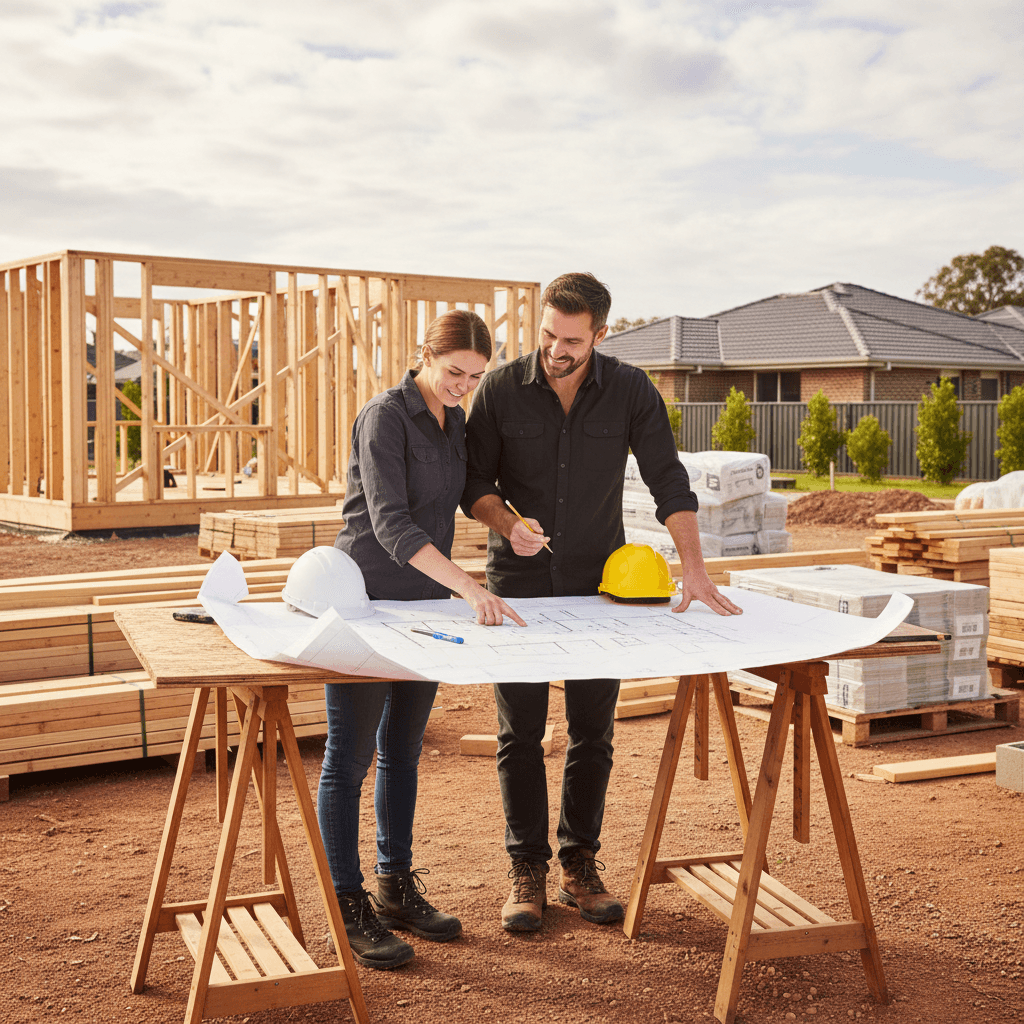
As an owner builder, you are the project manager. When your plumber or electrician arrives, have a clean, laminated set of floor plans ready for them. Markings for 'wet areas' and kitchen layouts on the plan will help them provide accurate quotes and avoid mistakes during the slab pour or wall rough-in.
Common Pitfalls to Avoid
One common mistake is ignoring the 'Notes' section. Engineers and designers often hide crucial information in the fine print on the side of the drawing. These notes might specify the exact type of sealant needed for a window flashings or the specific spacing required for roof batten screws. Small details like these are the difference between a house that is 'finished' and a house that is built to last.
Another pitfall is not accounting for the thickness of materials. A floor plan shows the frame dimensions, but you need to remember that once you add plasterboard internally and cladding externally, your walls will be thicker. This matters when you are measuring for tight spaces like hallways or small ensuites.
Final Thoughts: Knowledge is Power
Building your own kit home is one of the most rewarding projects a person can undertake. It provides a sense of connection to your dwelling that you simply don't get when buying an existing house. By taking the time to truly understand your plans and specifications, you are removing the guesswork and replacing it with confidence.
Remember, the goal of these documents is to provide a clear roadmap. If you find a part of the plan confusing, don't hesitate to reach out to your kit provider. They are experts in their specific systems and can often explain a complex drawing in simple terms. With your plans in hand and a clear understanding of your specs, you are well on your way to turning those lines on paper into a beautiful Australian home.