Finding the Heart of Your Home: The Art of Floor Plan Selection
Starting the journey as an owner builder is an exciting milestone. You have decided to take control of your housing future by choosing a kit home, but before you pick up a single tool or pour a slab, there is one decision that will dictate your daily happiness for years to come: the floor plan. In the world of kit homes, the floor plan is more than just a drawing on a piece of paper. It is the architectural DNA of your lifestyle.
Choosing a layout isn't just about how many bedrooms you can fit into a tertentu square meterage. It is about understanding how your family moves, where you gather, and how you find quiet time. Whether you are building a coastal retreat or a rural homestead, the right design ensures that your home feels spacious, functional, and uniquely yours. Let's dive into the essential tips for selecting a kit home floor plan that works for the Australian lifestyle.
1. Start with the Site, Not the Catalog
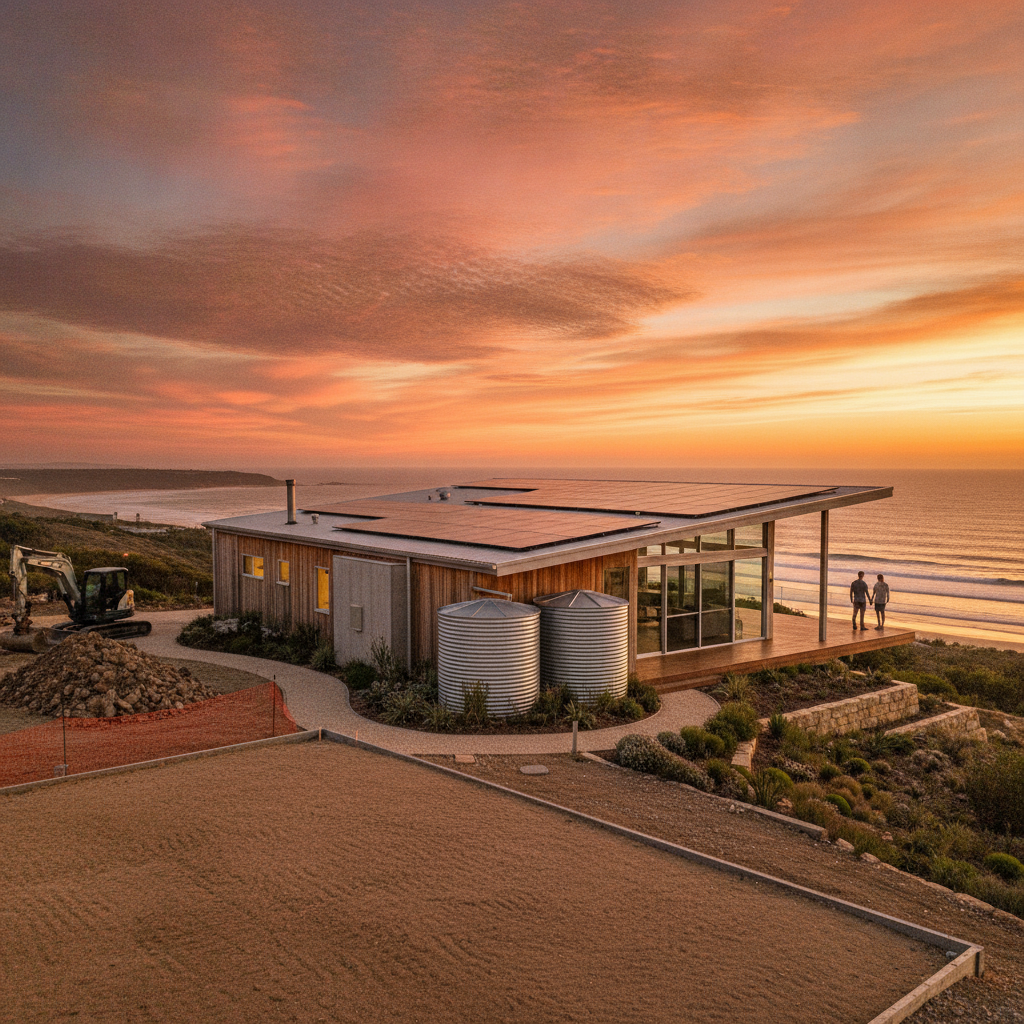
It is tempting to scroll through dozens of beautiful designs and pick the one that looks the best on screen. However, a great floor plan starts with your block of land. Australian conditions are diverse, and your layout needs to respond to your specific environment. Consider the natural slope of your land, the direction of the afternoon sun, and the prevailing breezes.
If you have a north facing aspect, you want your main living areas to be situated there to capture the winter sun. This is a hallmark of good solar-passive design. A well placed floor plan reduces your reliance on artificial heating and cooling, making your home more comfortable year round. When looking at kit home options, check if the design can be mirrored or flipped to better suit your site's orientation.
2. Zoning for Sanity: Separating Living and Sleeping
One of the most common mistakes in floor plan selection is ignoring the flow of noise. In a busy family home, some people will be watching a movie or cooking up a storm while others are trying to sleep or study. Modern kit home designs often use "zoning" to solve this problem.
Look for plans that group bedrooms together in a quiet wing, away from the kitchen and living areas. If you have teenagers or frequently host guests, a floor plan that places the master suite at one end of the house and the additional bedrooms at the other can provide a much-needed sense of privacy. Transition spaces, like hallways or internal laundries, can act as acoustic buffers between these zones.
3. The Kitchen as the Command Centre
In most Australian homes, the kitchen is the hub. When reviewing floor plans, pay close attention to the relationship between the kitchen, the dining area, and the outdoor space. Open plan living is popular for a reason, it allows the person cooking to remain part of the conversation.
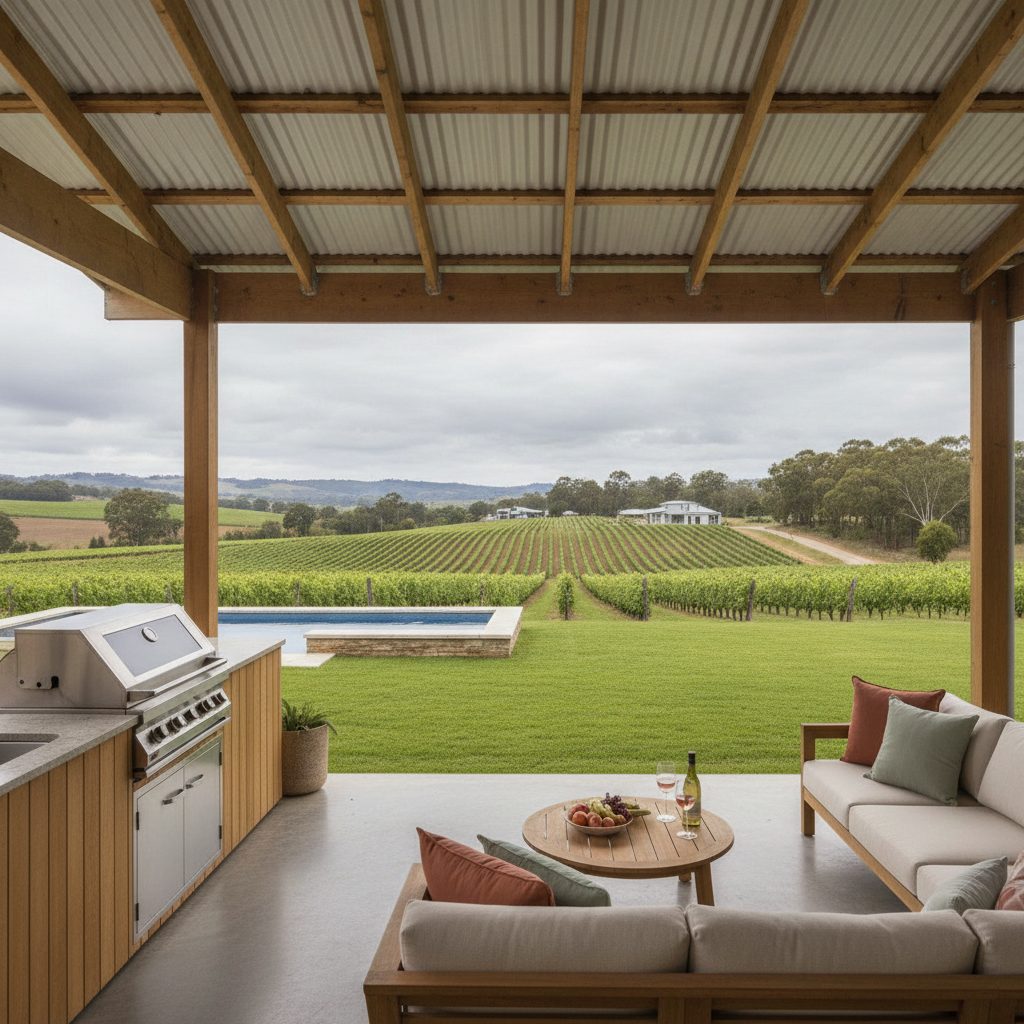
Think about the "working triangle" (the distance between your fridge, sink, and stove) but also think about the view. Can you see the kids playing in the backyard while you prepare dinner? Is there an easy path to the alfresco area for outdoor dining? A kit home that features a seamless flow from the kitchen to the deck is perfect for the Aussie tradition of weekend barbeques.
4. Future-Proofing for Growing Families
A home is a long term investment, so the plan you choose today needs to work for you in five or ten years. If you have young children, you might want their bedrooms close to yours. But as they grow into teenagers, that proximity might feel a bit crowded.
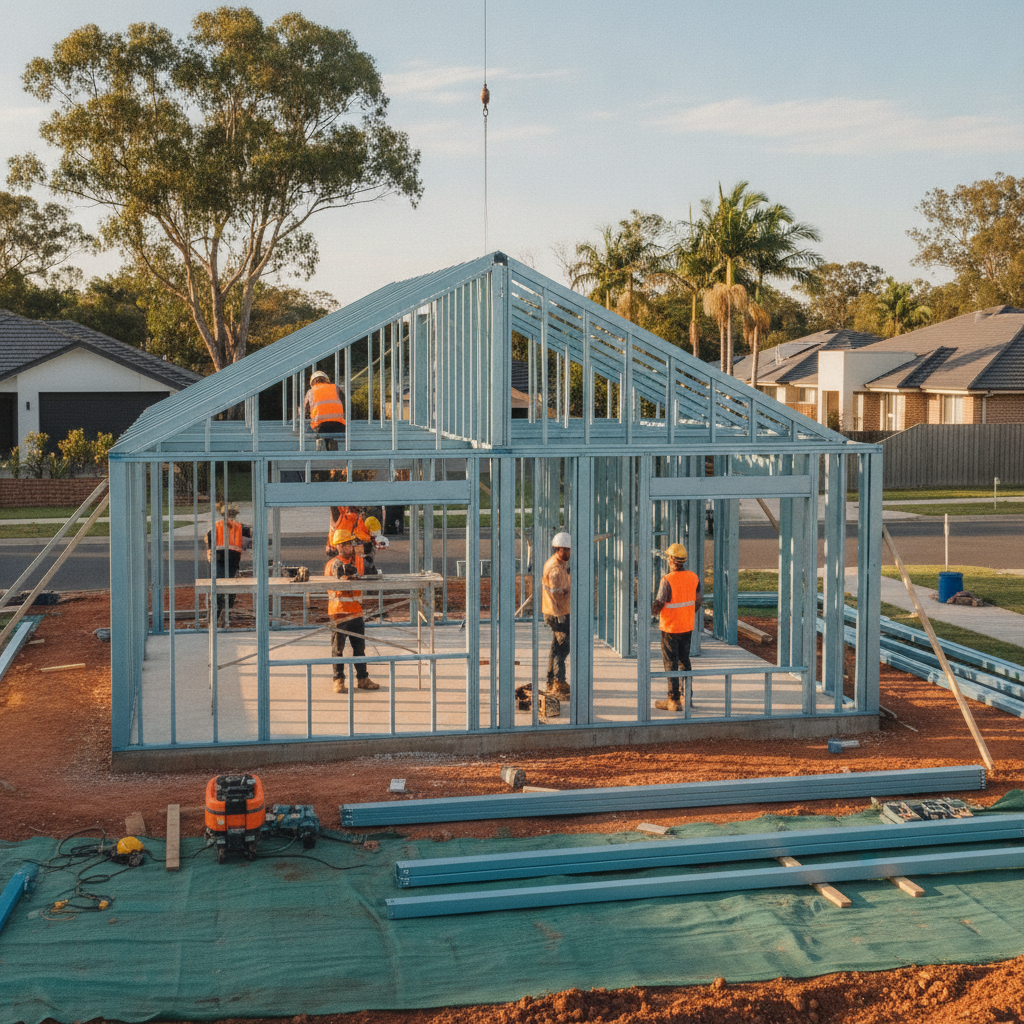
Look for "flex rooms" in your kit home design. A small fourth bedroom could start its life as a nursery, transition into a home office, and eventually become a secondary TV room or a hobby space. Choosing a floor plan with versatile spaces ensures your home remains functional as your family dynamics shift. Using durable materials like steel frames made from BlueScope TRUECORE steel ensures the structural integrity of these spaces remains rock solid for decades, giving you peace of mind that your investment will last.
5. Storage: The Secret to a Stress-Free Home
You can never have too much storage, yet it is often the first thing sacrificed in smaller floor plans. When evaluating kit home layouts, look for clever storage solutions. Does the hallway have room for a linen cupboard? Are the bedroom robes large enough?
For many owner builders, the garage or a mudroom is a high priority. In rural areas especially, having a dedicated space to drop muddy boots and wet coats before entering the main living area is a game changer. If a plan ticks every box except storage, speak to your provider about how internal walls might be adjusted to squeeze in a walk-in pantry or a larger laundry.
6. Seamless Indoor-Outdoor Flow
We are blessed with a climate that encourages outdoor living. Your floor plan should reflect this. Look for designs that feature large sliding doors or bi-folds that open onto a veranda or deck. This doesn't just improve your lifestyle; it also makes a smaller floor plan feel much larger by extending the visual sightlines to the horizon.
Consider the placement of windows to frame your best views. A well placed window in a kit home can turn a simple bedroom into a sanctuary. When you are the owner builder, you have the unique opportunity to stand on your site and imagine exactly where those views will be, allowing you to choose a plan that maximises your connection to the landscape.
7. Entryways and First Impressions
The way you enter a home sets the tone for the entire interior. A cramped entry that opens directly into the back of a sofa can feel cluttered. Seek out floor plans that offer a defined entryway or a small foyer. This creates a transition zone from the outside world and provides a spot for keys, bags, and shoes. Even in compact kit homes, a clear sense of arrival makes the home feel more professional and well-considered.
8. The Owner Builder Advantage: Customisation
The beauty of choosing a kit home is the balance between a proven design and the ability to make it your own. While the structural kits come with the frames, roofing, and cladding ready to go, the internal fit-out is where your personality shines. Use the floor plan as your skeleton, but don't be afraid to think outside the box with your interior finishes. Since you are managing the trades and the fit-out, you can choose the fixtures that match your family's needs perfectly.
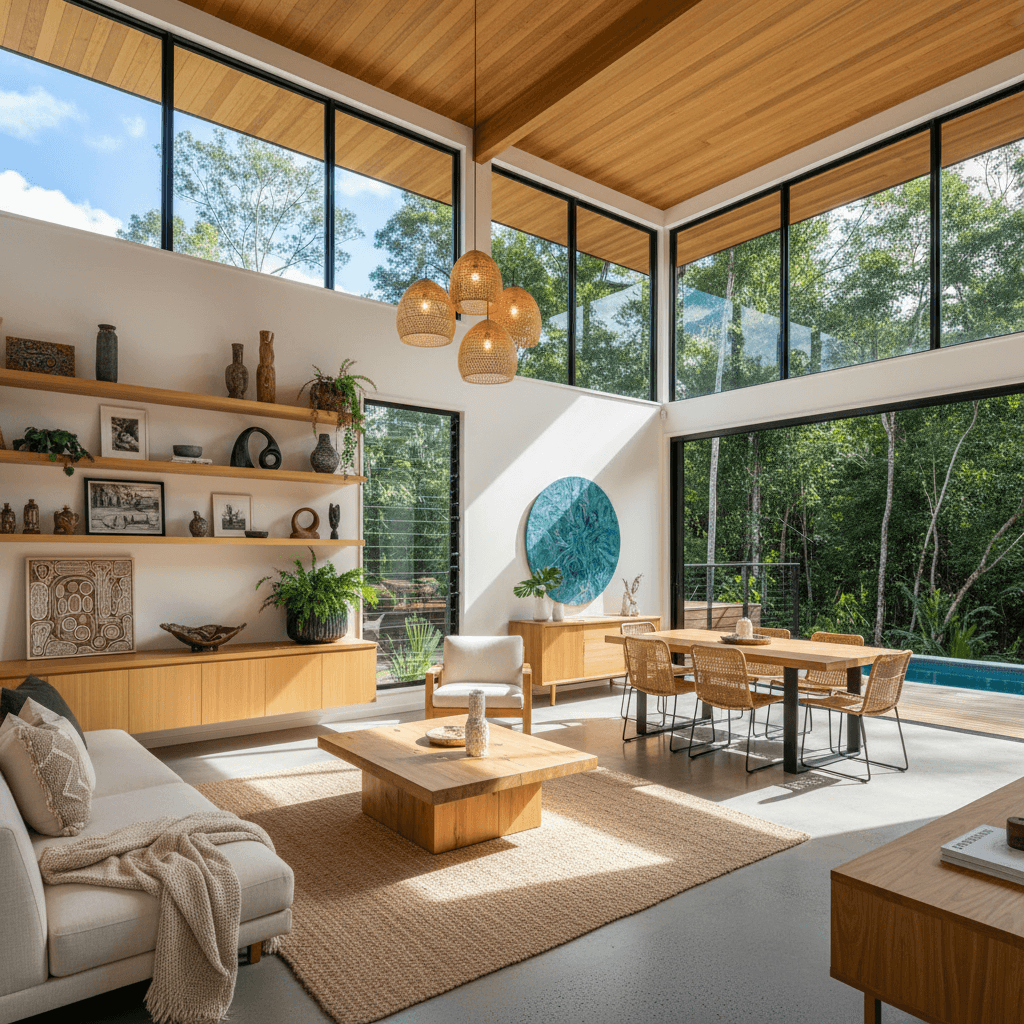
High ceilings are another way to enhance a floor plan. Many steel frame kit homes offer options for raised ceilings, which can make even a modest footprint feel palatial. Steel frames provide the strength needed for wide spans and open areas, allowing for those beautiful, airy living spaces that modern families crave.
Conclusion: Visualising Your New Life
Choosing the right kit home floor plan is a blend of practical logic and emotional connection. It is about measuring space, but it is also about imagining future memories. Spend time walking through your current home and noting what works and what doesn't. Carry those lessons into your search for the perfect kit.
Remember, a great layout is the foundation of a great build. By focusing on site orientation, zoning, storage, and flexibility, you are setting yourself up for success as an owner builder. Your kit home will be more than just a house, it will be a custom-tailored environment that supports your family's unique rhythm of life. Take your time, do your research, and trust your instincts. The perfect plan is out there, waiting to become your new home.