The Great Australian Shed-Down
Walk through any new estate on the fringes of Sydney or Melbourne and you'll see the same thing. Huge, five-bedroom monsters pushed right to the fence line with barely enough spit for a Hills Hoist in the back. But lately, something has shifted. People are getting sick of cleaning rooms they don't use. We are seeing a massive surge in folks headed the other way, looking at kit homes that prioritise floor-plan logic over raw square footage. It is about building something you can actually manage, rather than being a slave to a mortgage for a hallway that just collects dust and dead flies.
Small is not just about being cheap. I reckon it's about being clever. When you decrease the footprint, you suddenly have the cash to do the fun stuff properly. You can afford the better cladding, the double-glazed windows, or that massive deck that actually gets used on a Saturday arvo. We calls this the 'Small Home, Big Life' movement, and it's taking off across rural blocks and suburban backyards alike.
The Steel Frame Edge in Modern Design
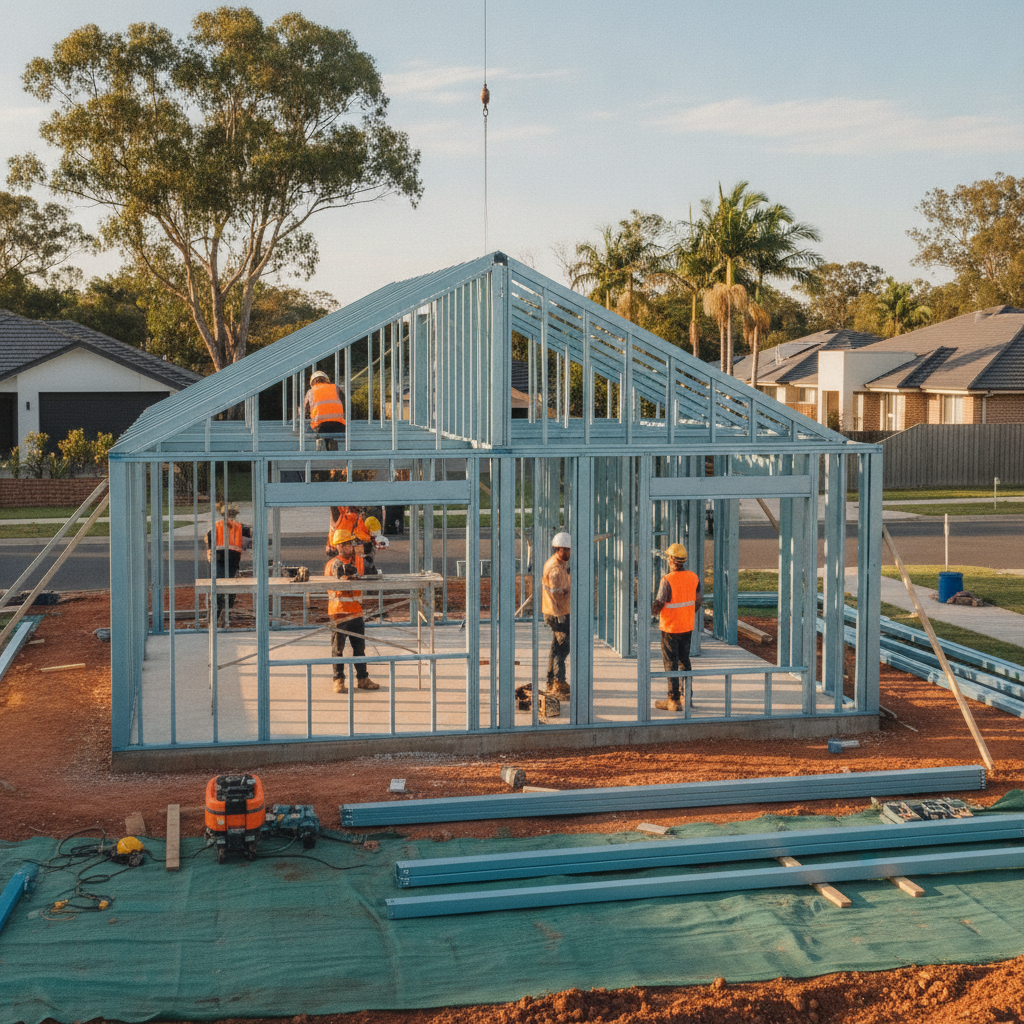
If you are going smaller, you want thin walls that do a lot of heavy lifting. This is where kit homes using BlueScope TRUECORE steel come into their own. Unlike timber, which can be chunky and sometimes unpredictable if the humidity spikes, steel is straight. Always. Every millimetre counts when you are working with a 60 or 90 square metre footprint. Because these frames are engineered to the millimetre, you don't find yourself shimming out woncky studs when you're trying to hang your plasterboard. It's precise. If you're an owner-builder doing this for the first time, that precision is your best mate because it stops the 'knock-on effect' of errors. You start straight, you finish straight.
Why the 2-Bedroom Kit is the New Standard
Ten years ago, a kit home was often just a basic shack for the farm. Not anymore. The current trend is the high-spec two-bedroom design. It's the perfect middle ground. You get a master suite that feels like a hotel and a second room that works as an office until the grandkids show up. Plus, in many council areas, keeping the footprint under a certain size can simplify your DA (Development Application) or even fall under Complying Development (CDC) rules in NSW, though you always need to check your local LEP first.
Practical Tips for Potential Kit Home Buyers
Before you get too deep into the floor plans, you need to look at your site. I've seen blokes buy a kit and then realise they've got a Category 3 termite risk or they are in a high BAL (Bushfire Attack Level) zone. Steel frames are naturally termite-proof, which is one less thing to worry about, but you still need to think about your footings. Are you going on a slab or piers? A slab gives you great thermal mass, but piers are heaps easier on a sloping block and save you a fortune in earthworks.
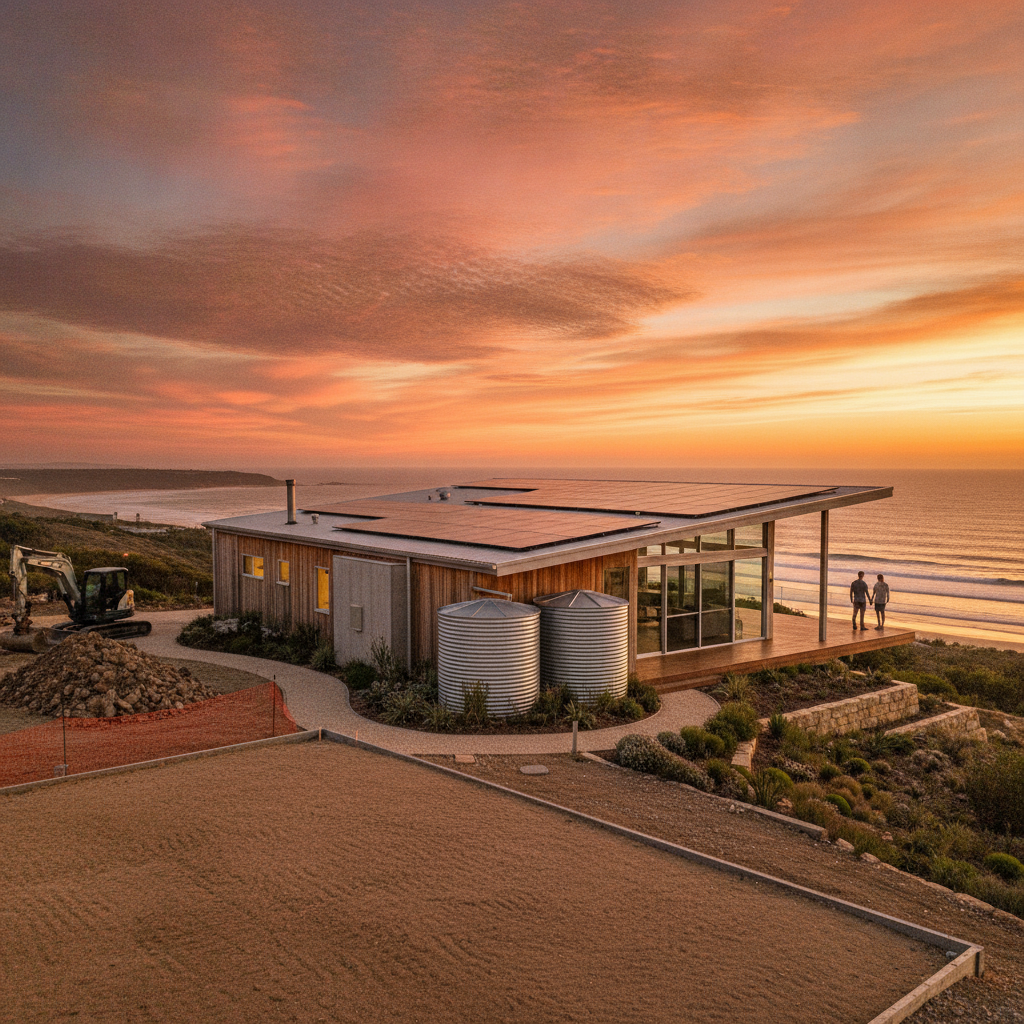
Think about your orientation. It sounds basic, but so many people just plonk the house down facing the road. No. Point those big windows North. Soak up that winter sun. Because kit homes come as a set of parts, you have the flexibility to think about how it sits on the land before the first truck arrives. Also, don't skimp on the insulation. We include it in the kits for a reason. An uninsulated steel building is a pizza oven in January and an icebox in July. Do it right the first time.
Owner-Builder Realities: It's Not All Beer and Skittles
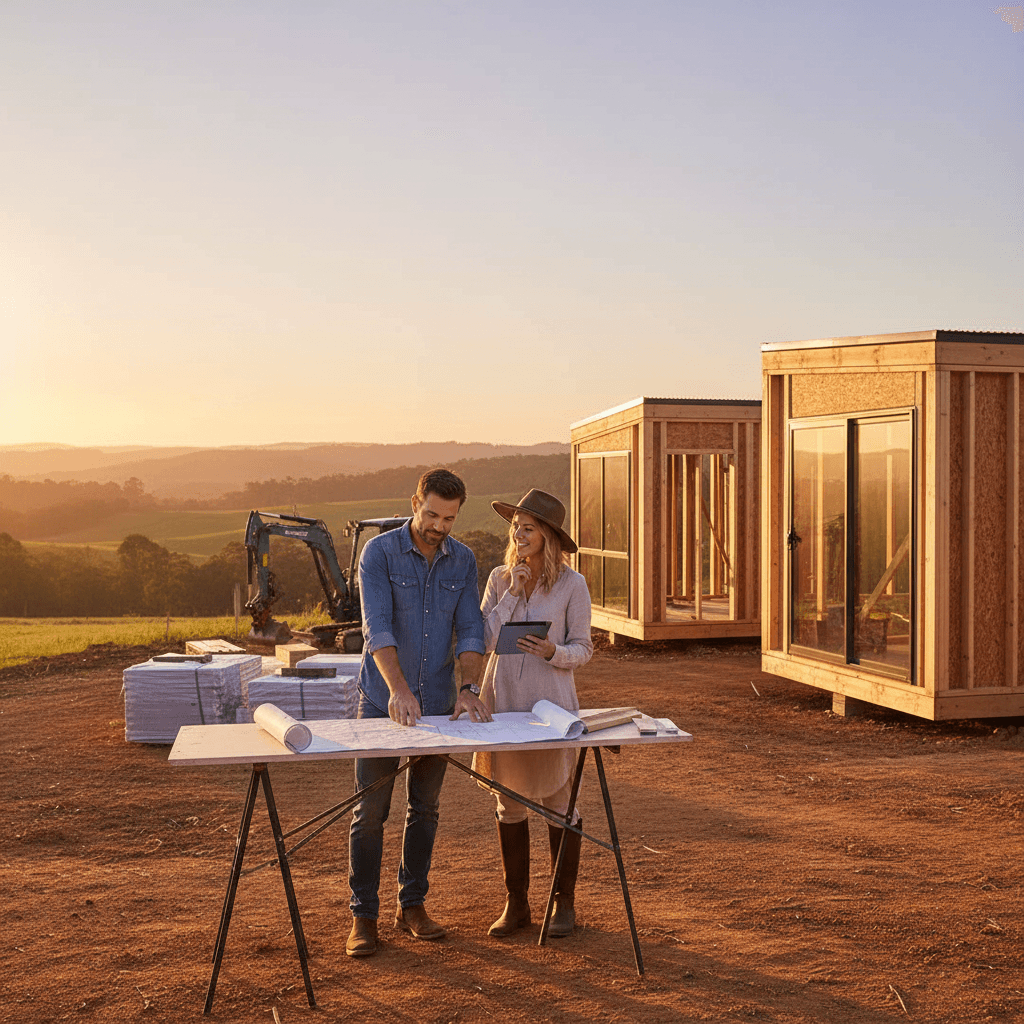
Let's be real for a second. Being an owner-builder is hard work. You aren't just swinging a hammer; you are a project manager. You'll be chasing sparkies who don't show up and trying to coordinate the plumber before the slab pour. But the payoff is huge. You aren't paying a developer's 20 percent margin. You're putting that equity straight into your own pocket.
One tip from the trenches: get your site access sorted early. I once saw a delivery truck get bogged to the axles because the owner thought a bit of gravel would suffice for a 10-tonne crane. It didn't. Make sure there is clear, hard stand access to where the frames are being dropped. It'll save you a world of pain and some spicy language from the delivery driver.
The Lifestyle Shift
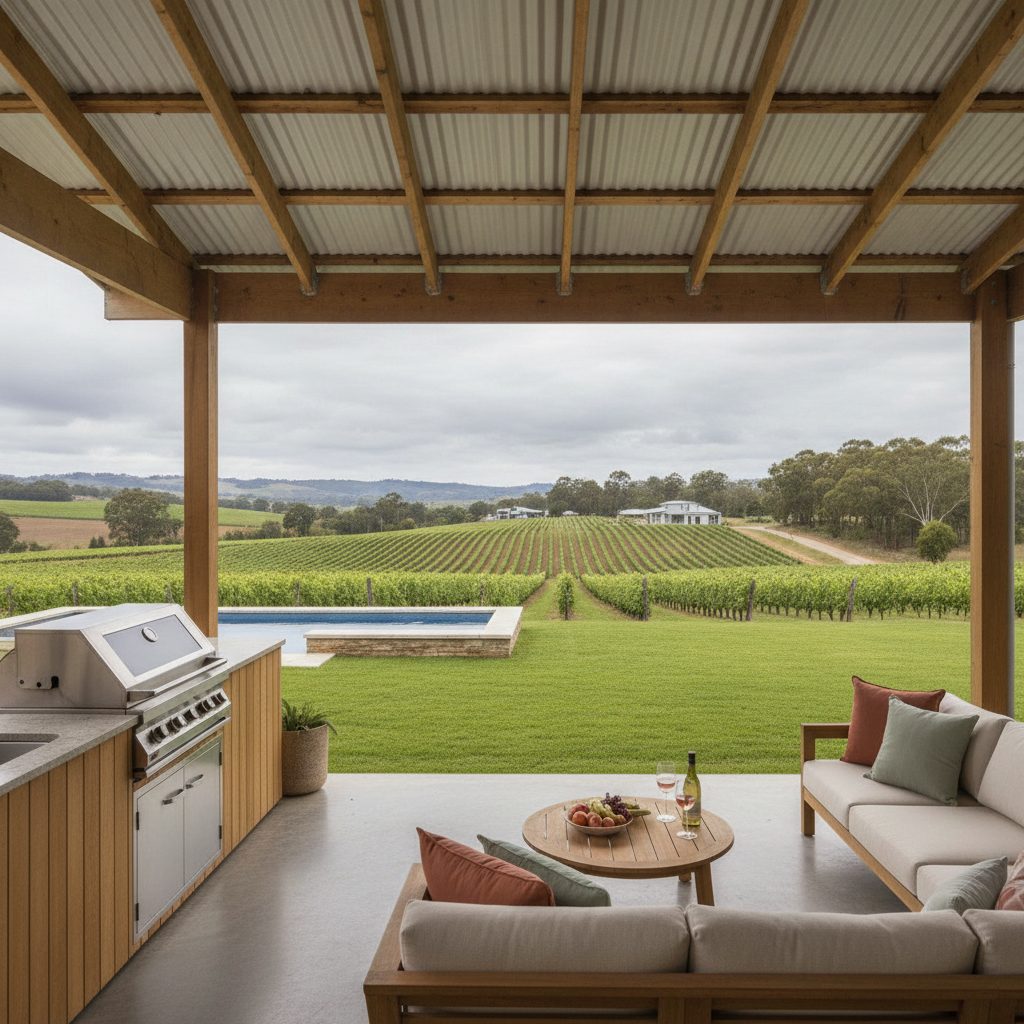
The move towards smaller kit homes highlights a change in how Australians want to live. We want more time outdoors. Larger decks, big sliding doors, and open-plan kitchen-living areas are what people are asking for. They want the 'inside-outside' flow. By using a kit, especially one with a steel roof and quality cladding (like Colorbond), you're building something that's low maintenance. You don't want to spend your retirement painting weatherboards or worrying about dry rot. You want to be out in the garden or down at the beach.
Technical Bits You Need to Know
- AS 4100 is the standard for steel structures, but for most residential kit homes, you'll be looking at NASH standards (National Home Builders and All Steel Homes). It ensures the wind loading is correct for your specific site.
- Check your BAL rating. If you are in a BAL-29 or BAL-40 zone, kit homes are a great choice because steel doesn't burn, but you'll need specific glass and seals to pass inspection.
- Don't forget the 'White Card'. Even as an owner-builder, you need your basic safety induction before you start mucking around on site.
At the end of the day, the trend towards smarter, smaller homes isn't going anywhere. It makes sense. It's sustainable, it's efficient, and it lets you actually own your home rather than the bank owning you. Just make sure you do your homework, pick a kit that uses quality Aussie steel, and don't be afraid to get your hands a bit dirty. It's the only way to build a house that actually has some soul in it.