Navigating the Owner Builder Journey: Balancing DIY Spirit with Professional Skill
Stepping into the world of owner building is an exhilarating adventure. There is a unique sense of pride that comes with standing on a patch of Australian dirt and watching a house rise from the ground through your own management and hard work. Kit homes have become a go-to solution for many Australians looking to create their dream lifestyle, offering a structured path to homeownership that blends the efficiency of a supplied system with the flexibility of custom management.
The core of the owner builder experience is the decision-making process. One of the most significant questions you will face is: "What should I do myself, and when do I call in the experts?" While the kit home model provides you with the essential skeleton of the house, including the durable steel frames, roofing, and cladding, the way you assemble the pieces of the puzzle is entirely up to you. Striking the right balance between DIY sweat equity and professional trade expertise is the secret to a high-quality finish and a stress-free build.
The Role of the Owner Builder
In Australia, being an owner builder is less about swinging a hammer every single day and more about being a project manager. You are the conductor of the orchestra. Your role involves scheduling deliveries, coordinating sub-contractors, ensuring site safety, and maintaining the quality of the build. Before you pick up a tool, your primary job is to understand the sequence of construction. Understanding how the kit components, like the TRUECORE steel frames and external windows, integrate with the foundation and services is vital.
Tasks You Can Confidently Tackle Yourself
For those with a bit of handy experience or simply a lot of determination, there are several stages of a kit home build where DIY work can be highly rewarding. These tasks often require more time and precision than specialized licenses.
1. Site Preparation and Management
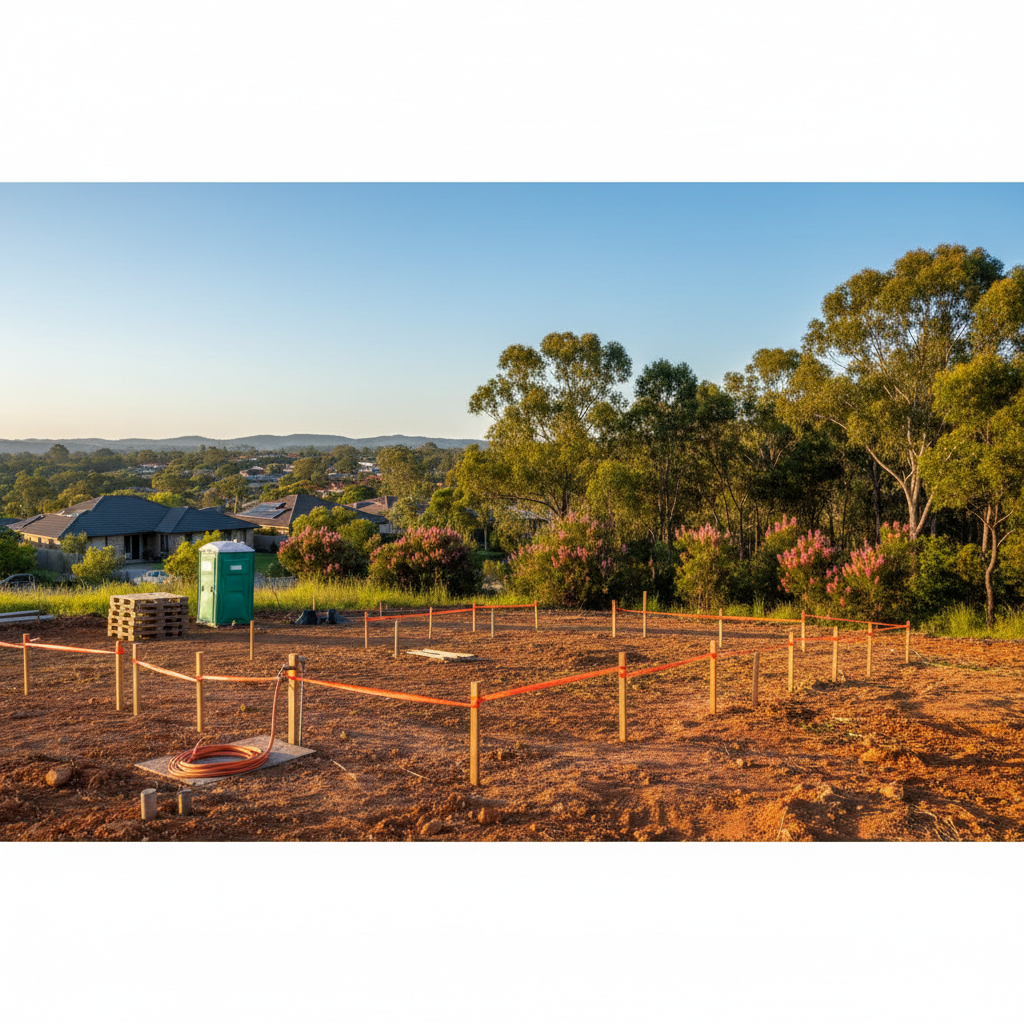
While you might hire an excavator for the heavy lifting, the owner builder can take charge of site clean-up, silt fence installation, and general site organization. Keeping a tidy site is not just about aesthetics; it is a critical safety requirement. You can also handle the installation of temporary fencing and site signage required by your local council.
2. The Frame Assembly and Standing
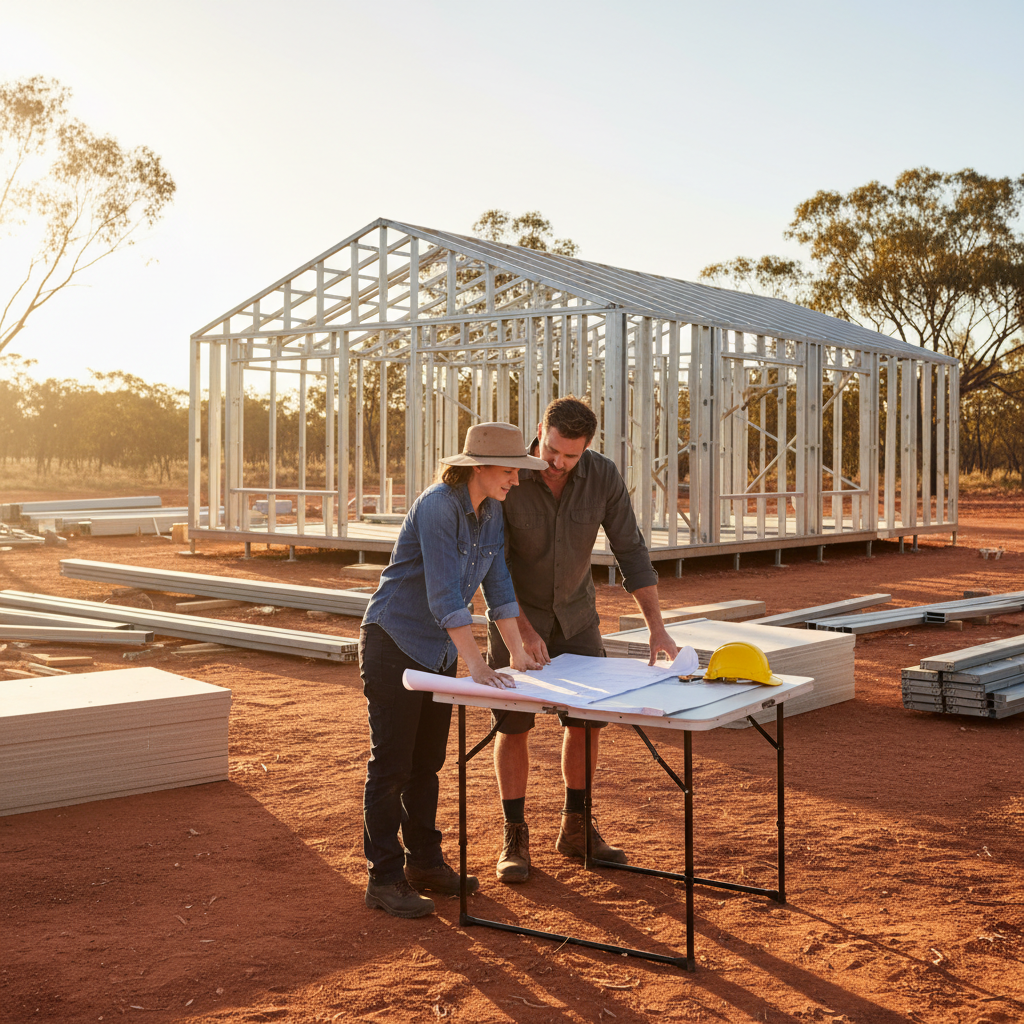
Modern kit homes often utilize steel frames because they are lightweight and precision-engineered. Because these frames are pre-punched and manufactured to exact specifications, many owner builders find they can assist in or lead the assembly process. If you can follow a technical drawing and use a cordless drill, you can participate in standing the walls and securing the trusses. It is a bit like a giant, life-sized assembly project that gives you an intimate understanding of your home's structure.
3. Insulation and Internal Batts
Installing wall and ceiling insulation is a classic DIY task. It does not require a license, just a bit of patience and protective gear. Ensuring your insulation is fitted snugly without gaps is one of the best ways to ensure your home remains energy efficient in the harsh Australian climate. This is a task where taking your time actually leads to a better result than a rushed professional job.
4. Painting and Internal Finishes
Once the plaster is up and sanded, the internal finishing is where your creativity can shine. Painting is a high-impact task that most people can handle. Similarly, installing skirting boards, architraves, and even some cabinetry can be done by a confident DIYer. These are the details you will see every day, so performing them yourself allows for a high level of quality control over the final look.
When to Call in the Licensed Professionals
In Australia, legislation is quite specific about what tasks must be performed by licensed tradespeople. Attempting these yourself is not just risky for the quality of the build, but it can also lead to legal issues and insurance complications.
1. Electrical and Plumbing
This is non-negotiable. Any work involving the mains power or water and sewage systems must be completed by a licensed professional who can provide a certificate of compliance. As an owner builder, you can assist by "chasing" or planning where outlets and taps will go, but the actual connections must be handled by the pros.
2. Concrete Slab and Foundations
The slab is the most important part of your house. If it is not level or if the dimensions are off by even a few millimeters, it will cause huge headaches when you try to install your steel frames and roofing. Unless you are a professional concretor, this is a task best left to a specialist crew who can ensure the pad is perfectly flat and structurally sound.
3. Waterproofing
Modern Australian building standards are very strict regarding waterproofing in wet areas like bathrooms and laundries. Faulty waterproofing is one of the leading causes of building disputes and structural damage in Australia. Hiring a certified waterproofer gives you a warranty and peace of mind that your home will stay dry for decades.
4. Plasterboard Finishing
While you might be able to hang the sheets of plasterboard, "stopping" or flushing the joins is an art form. A poor plastering job will be visible every time the sun hits the wall. Professional plasterers have the muscle memory and tools to create a seamless, glass-smooth finish that most DIYers struggle to replicate.
Tips for Managing Your Trades
When you do hire help, communication is your most valuable tool. Here are a few tips for the kit home owner builder:
- Be Prepared: Have your kit home plans and technical drawings ready for your trades to see before they start.
- Check References: Ask for photos of previous work or talk to other owner builders in your local area.
- Define the Scope: Be very clear about what parts of the kit you are providing (like the cladding or windows) and what materials the trade needs to supply.
- Respect Their Expertise: Listen to their advice on local conditions or installation techniques. A good tradie can often spot a potential issue before it becomes a problem.
The Hybrid Approach: The Sweet Spot
Many successful owner builders find success in a hybrid approach. For example, you might hire a carpenter to help you stand the steel frames for the first few days to ensure everything is plumb and square, and then finish the remaining wall framing yourself. Or, you might hire a roofer to install the safety battons and first few sheets of Colorbond, then assist them as a laborer to speed up the process. This allows you to learn on the job while ensuring the critical structural elements are overseen by experience.
Safety First on the Home Front
Whether you are painting a wall or helping to lift a truss, safety must be your priority. As an owner builder, you are responsible for the safety of everyone on site. Ensure you have your White Card (general construction induction), use appropriate PPE, and never work at heights without proper scaffolding or fall protection. A kit home project should be a series of wins, not a series of injuries.
Conclusion
Building a kit home as an owner builder is one of the most rewarding ways to create a home in Australia. By understanding your own strengths and recognizing when a professional's touch is required, you can manage a project that is built to a high standard. Focus on the tasks that allow you to add value and personal touch, and delegate the high-risk or highly regulated tasks to the professionals. With the right kit, a solid plan, and a realistic approach to DIY, you will be moving into your new home with the satisfaction of knowing exactly how every bolt was tightened and every wall was painted.