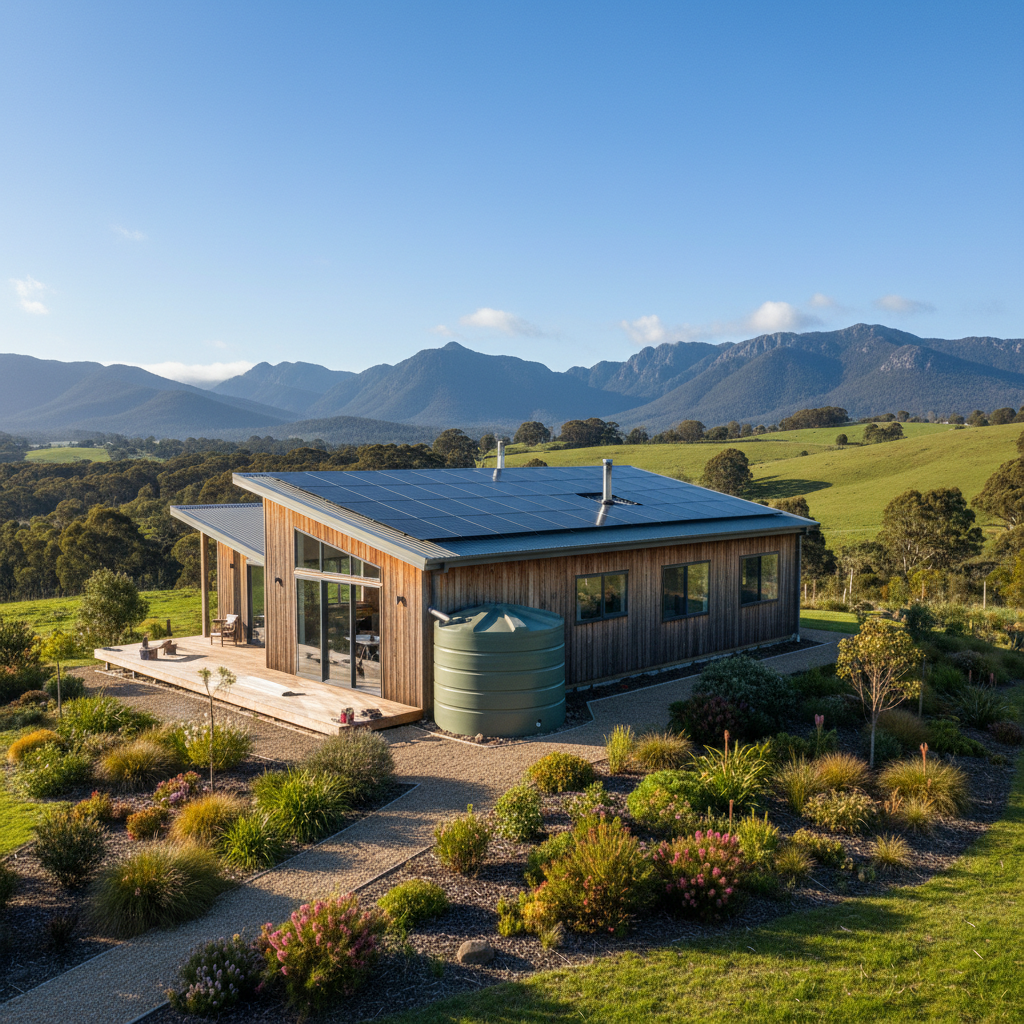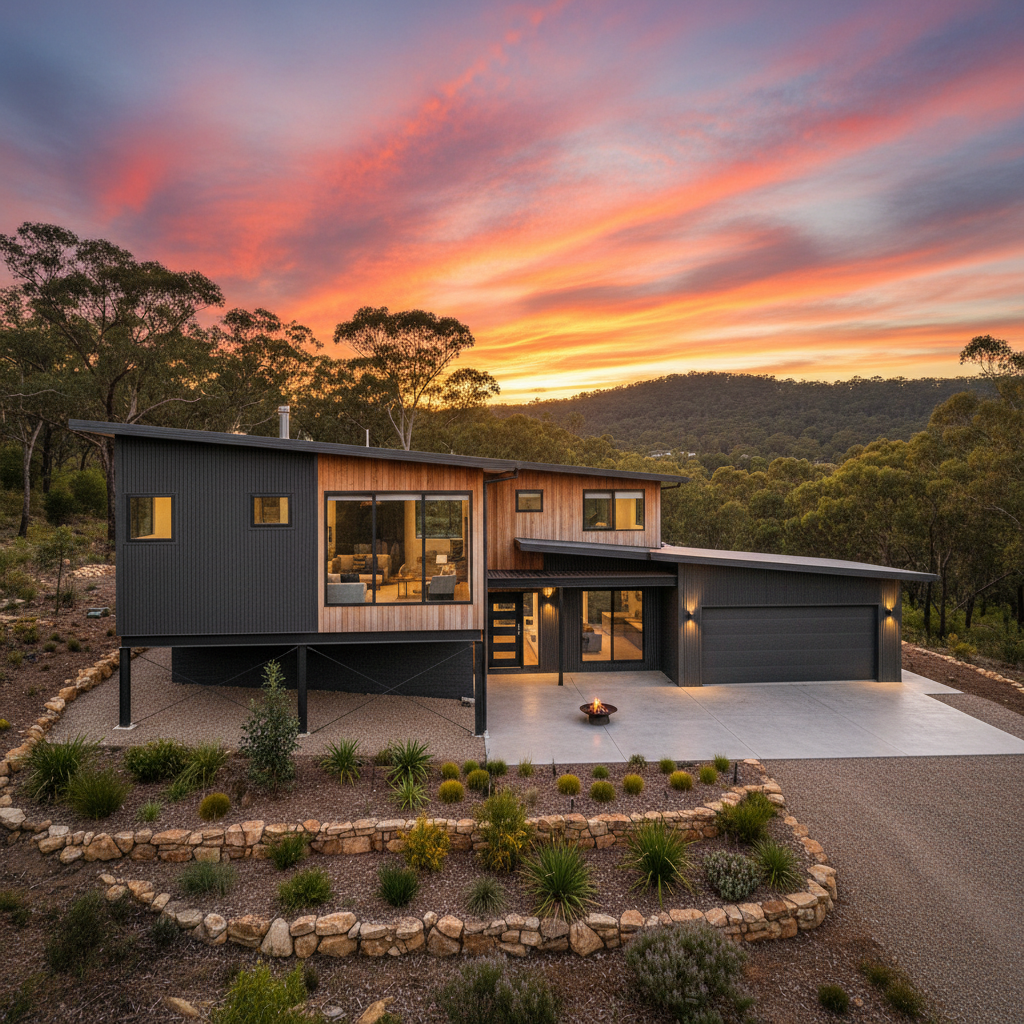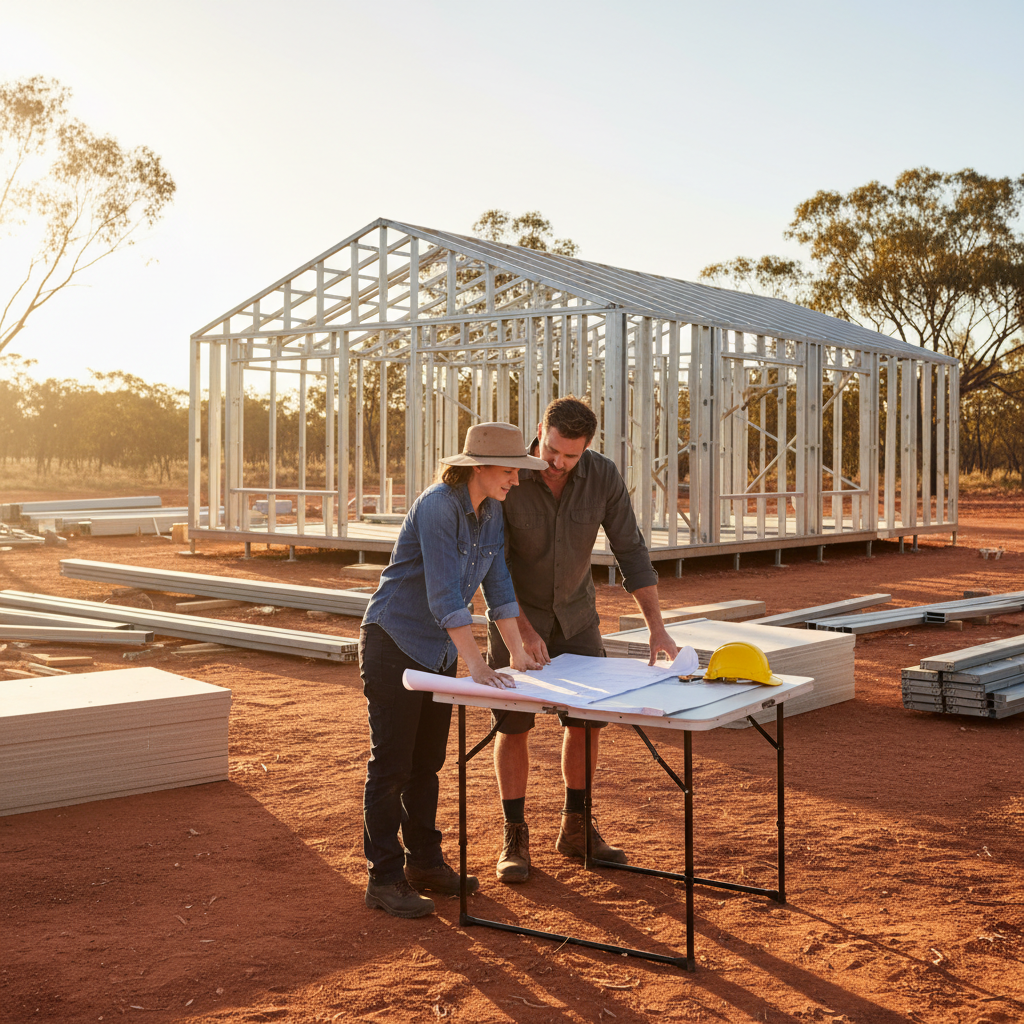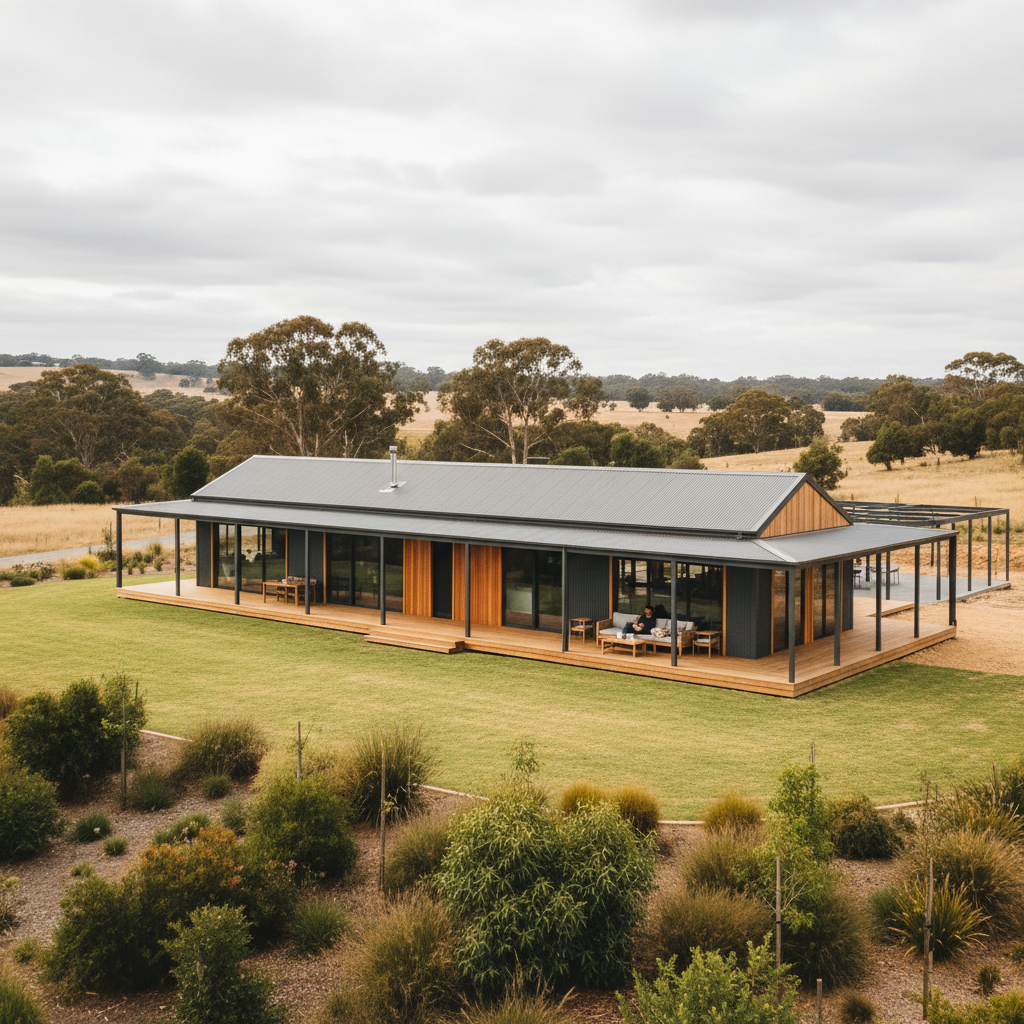
Stop looking at the floor plan and start looking at the dirt
Most blokes walk onto a vacant block of land and immediately start imagining a four-bedroom sprawler with a double garage and a wrap-around bush verandah. It's a classic mistake. I've spent fifteen years watching owner builders buy a kit that's way too big for their site, only to realize they've left themselves with a two-metre strip of dead grass for a backyard and a massive headache with council setbacks. Choosing the size of your kit home isn't about what you want. It's about what the land allows and how you actually live when the tools are put away.
Your block has a personality. If it's a steep site in the Dandenongs, a massive single-storey slab is going to cost you a fortune in retaining walls and earthworks before you even see a stick of steel. If you're on a narrow suburban lot in Western Sydney, you've got to think about overshadowing your neighbors. You need to grab a tape measure, some stakes, and some string. Mark out the corners of that 150 square metre design you've been eyeing off. Walk around it. If you can't open your car door without hitting the boundary fence, the house is too big. Simple as that.
The trap of the 'Just in Case' bedroom
We see it all the time. A couple moving toward retirement decides they need a four-bedroom home because the grandkids might stay over once a year at Christmas. So, they pay for the extra steel, the extra roofing, more cladding, and four more windows. They spend their weekends painting a room that stays shut for 360 days a year. It's a waste of resources. Plus, bigger isn't always better for your lifestyle. Think about the cleaning. Think about the heating and cooling costs in a massive open-plan space with five-metre ceilings. If you only need two bedrooms, build two bedrooms. Use the money you saved to upgrade to a better kitchen or a thicker grade of insulation. Your back and your wallet will thank you when it's 40 degrees in January.
Understanding Site Coverage and Setbacks
Every council in Australia has its own set of rules, usually tucked away in a DCP (Development Control Plan). They don't care if you've found the perfect home design. If your site coverage exceeds 50 percent or whatever their limit is, they'll knock your DA back faster than a cold water on a hot day. You need to suss out your building envelope. This is the actual space on your land where you're legally allowed to stick a structure.
Don't forget the eaves. A lot of people measure the wall-to-wall distance but forget that the gutters stick out another 450mm or 600mm. That counts. And if you're in a bushfire-prone area with a high BAL rating, your house size affects your defendable space. If you build right to the edge of your envelope, you might find you've got no room left for the static water supply tank required by the RFS or CFA. It's a balancing act. You've got to leave room for the things that make a house a home, like the clothesline, the rainwater tank, and maybe a spot for the dog to have a dig.
Steel Frames and the Flexibility of Small Footprints
One of the beauties of using TRUECORE steel for your kit is the strength-to-weight ratio. Because steel is so strong, you can often get away with longer spans and fewer internal load-bearing walls compared to traditional timber. This means a smaller footprint can feel much bigger. You can have a massive, open living area without a forest of posts in the middle of the room. If you're working with a tight site, this is your secret weapon. You can go for a smaller overall square meterage but keep the ceiling heights high and the windows large. It tricks the brain into thinking the place is a mansion. Plus, steel doesn't warp or twist. When you're building on a small footprint where every millimetre counts for your cabinetry and tiling, having dead-straight walls is a massive win for an owner builder. No packing out crooked studs when you're trying to hang your overhead cupboards on a Sunday afternoon.
The 'Flow' Test
How do you actually move through a house? Most people look at a 2D floor plan and think it looks great. But imagine you've just come home from the shops with six bags of groceries. Do you have to walk through the laundry, past the bathroom, and around a corner to get to the kitchen? That's a bad design. A smaller, well-thought-out kit home will always outperform a massive, poorly designed one. Look for 'dead space'. Hallways are the biggest culprit. They're just expensive tunnels that you can't put furniture in. If your chosen kit has more than three or four metres of hallway, see if there's a different configuration that opens that space up into the living area. Every square metre you pay for should be usable.
Practical Tips for Sizing Success
- Check your Title: Look for easements. You can't build your kit home over a sewer main or a drainage pipe. This can drastically reduce your building area.
- Think about the Sun: A huge house that blocks all the northern light to its own backyard is a misery to live in. Size the house so you keep some sun on your outdoor living areas.
- Zoning counts: Are you living in a heritage area or a special character zone? Some councils will limit your floor area to keep the neighborhood 'feel'.
- Future proofing: If you're planning on staying for twenty years, think about wider doorways and no-step entries. A smaller kit is easier to modify for accessibility later on.
- The Garage Trap: Often, people spend $40k on a massive internal garage that just collects junk. Consider a smaller kit home footprint and a separate, cheaper steel shed later on for the toys and tools.
At the end of the day, you're the one who has to live there. You're the one who has to manage the trades and walk the floorboards. Don't let a glossy brochure talk you into a massive floor plan that doesn't fit your life or your land. Get out there with the string line and see what actually fits. Because once that slab is poured, there's no turning back. You want to make sure you've left enough room for the BBQ, the hills hoist, and a bit of breathing room. Building a kit home is about freedom, not about being a slave to a house that's too big for its boots. Focus on the quality of the space, get your steel frames sorted, and build something that actually makes sense for the dirt it's sitting on.