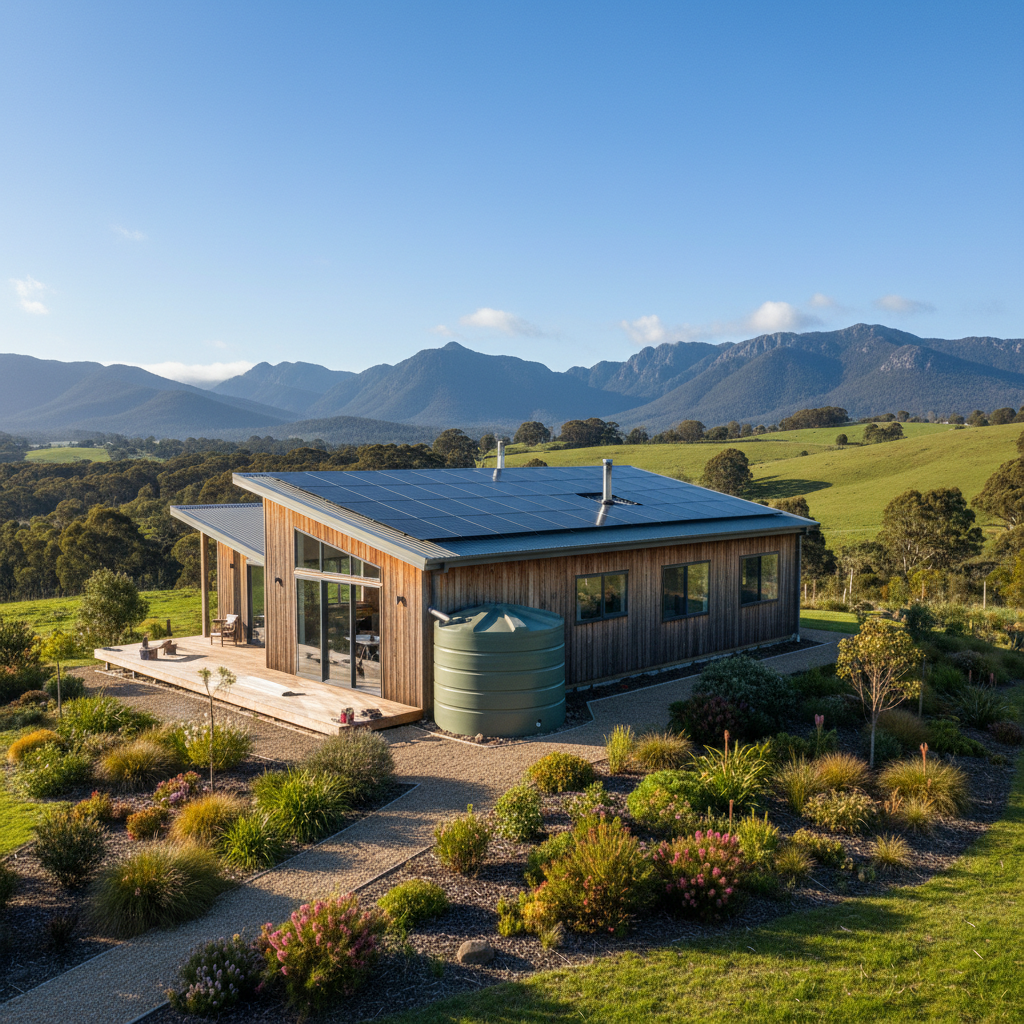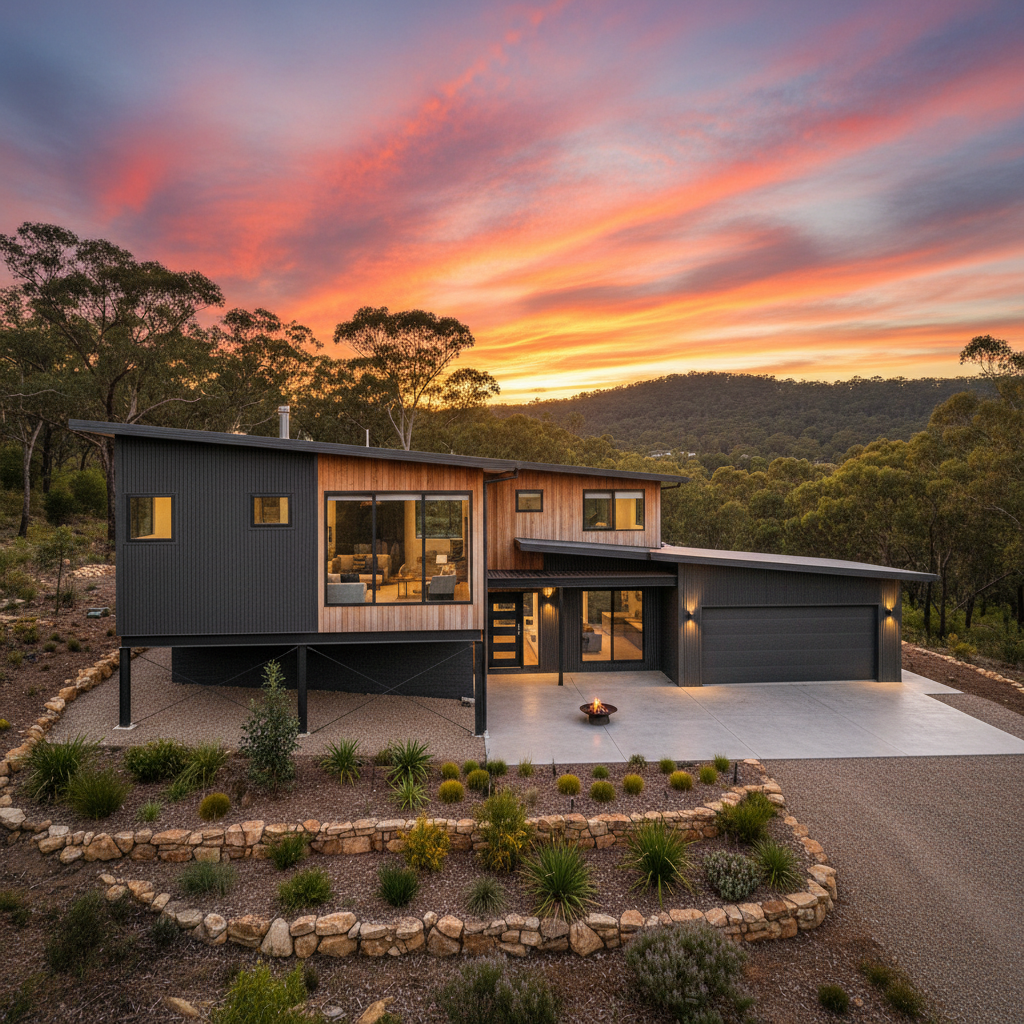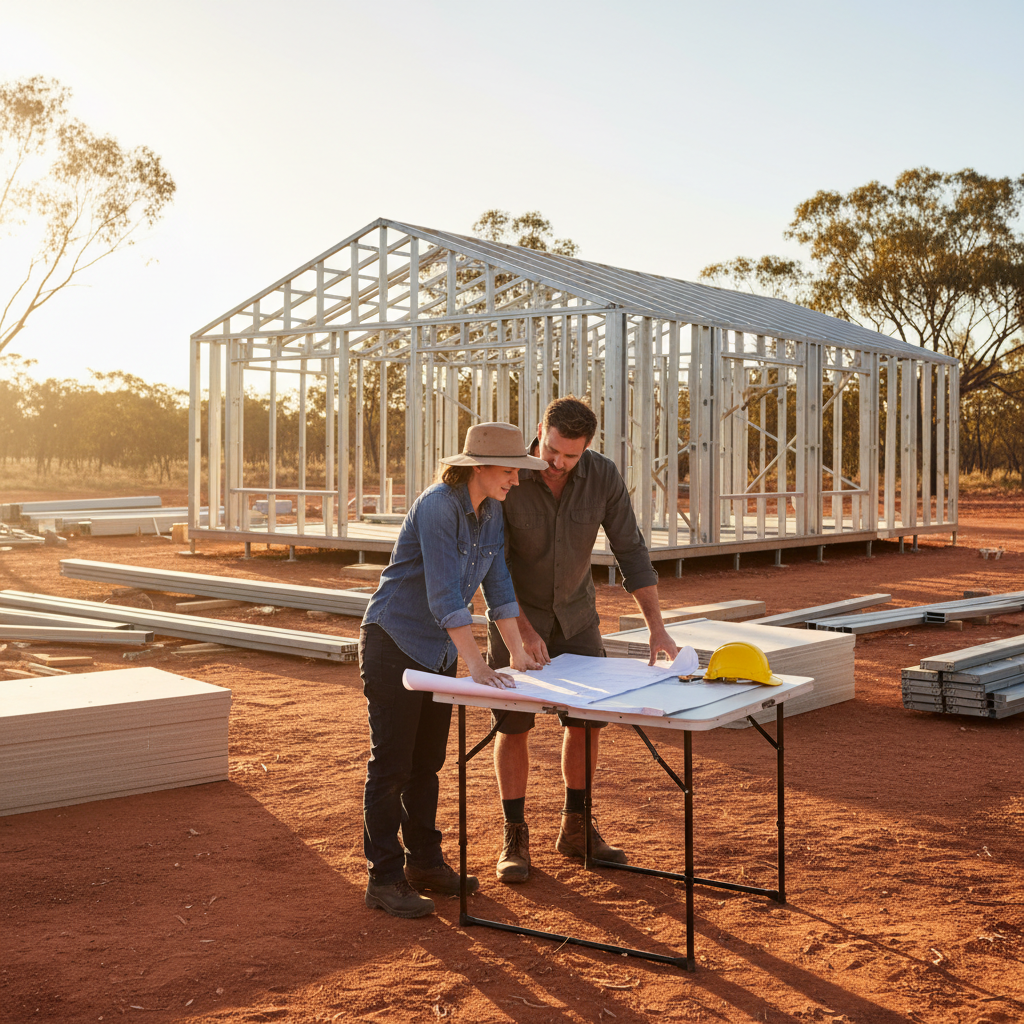
Walk onto any building site in Western Sydney during mid-January and you'll feel it. The sun hits that roof sheeting and the temperature inside the frame jumps ten degrees in as many minutes. If you are building a kit home, you've got a massive advantage because you're starting with a clean slate, but if you muck up the insulation strategy, you're just building a very expensive oven. I've seen too many owner-builders spend a fortune on fancy kitchen stone and then go cheap on the stuff behind the walls. That's a mistake you'll regret the first time the mercury hits forty.
The NCC and Your Climate Zone
Australia is big. Obvious, right? But people still try to use the same insulation specs for a build in Hobart as they do for a place in Port Hedland. The National Construction Code (NCC) breaks the country into eight climate zones. You need to know yours before you order a single roll of glasswool. If you're in Zone 2 like Brisbane, you're fighting humidity and heat. Down in Zone 7 like the Victorian Alps, you're trying to stop heat from escaping through the floorboards while the wind's howling outside. Your R-value is the measure of thermal resistance. Higher is better. But it's not just about stuffing as much bulk insulation as possible into the wall cavity. It's about how that insulation plays with the rest of the house.
Building with a steel frame, like the BlueScope TRUECORE stuff we use, means you have to be smarter about thermal bridging. Steel is a conductor. It's strong and straight, but it carries heat differently than timber. Because of this, you've got to use thermal breaks. This is usually a 12mm strip of high-density foam that sits between the frame and the external cladding. Don't skip these. Without them, the heat travels right through the steel stud, bypassing your batts and heating up the plasterboard inside. It's like wearing a thick puffer jacket but leaving it unzipped in the snow.
Bulk vs Reflective: The Great Australian Debate
Most people think insulation is just the fluff you throw in the ceiling. That's bulk insulation. It works like a sponge, trapping air in tiny pockets to slow down heat transfer. Then you've got reflective insulation, or sarking. This is that silver wrap you see on houses under construction. It doesn't soak up heat; it reflects radiant heat back where it came from. In a hot climate like the Top End, that silver layer is your best friend. In a kit home, we provide the insulation as part of the package, but how you install it matters as much as what it's made of.
We see a lot of DIYers squashing batts to make them fit into tight corners. Stop doing that. If you compress a 90mm batt down to 50mm to fit it behind a pipe, you've just killed its R-value. It needs that loft to work. Also, gaps are the enemy. A 5% gap in your ceiling insulation can lead to a 50% drop in overall thermal performance. It sounds crazy but the physics don't lie. Air is lazy. It'll find the easiest path through your ceiling, and if there's a gap near a downlight or an exhaust fan, that's where your expensive air conditioning is going to escape.
Windows: The Hole in Your Bucket
You can have the best R-6.0 batts in the world, but if you've got massive segments of single-glazed glass facing west, you're stuffed. Windows are basically holes in your insulation net. For most Australian kit homes, double glazing should be the standard, not an upgrade. It creates a sealed air gap between two panes of glass. It's quiet, too. If you're building near a busy road or even just a noisy neighbor with a barking kelpie, you'll appreciate the acoustic benefits as much as the thermal ones.
Pay attention to the U-Value and the Solar Heat Gain Coefficient (SHGC) on the window stickers. A low U-Value means the window is good at keeping the heat in or out. In the southern states, you want a higher SHGC to let the winter sun warm up your slab. Up north, you want that number as low as possible. I remember a bloke building a kit home in Alice Springs who insisted on huge floor-to-ceiling glass without any eaves. The house was beautiful, but he couldn't sit in his living room after 2pm because the radiant heat was like standing next to a campfire.
The Slab and the Ground Connections
People forget about the floor. If you're on a concrete slab, that thermal mass is a battery. In winter, if the sun hits the slab, it'll hold that heat all night. But if the edge of your slab is exposed to the freezing air, it'll suck the warmth out of the house. Slab edge insulation is a bit of a fiddle to install during the pour, but it's worth it for the energy bills. If you're building on piers with a sub-floor, you absolutely must insulate under the floorboards. We usually suggest a rigid foam board or a specialised under-floor batt with a mesh support. Walking on cold floors in June is a miserable way to start the day.
A Note for the Owner Builder
If you're managing the trades yourself, you're the one who has to check the quality of the insulation install. Most sparkies will move your batts to get to their wiring and then forget to put them back. Plumbers do the same. Before the plasterboard goes up, grab a torch and walk through every room. Look for gaps. Look for squashed batts. Look for anywhere the silver wrap has been slashed and not taped back up. Use high-quality reinforced foil tape, not the cheap stuff that peels off the moment the humidity hits 80%.
Also, don't forget the internal walls. While the NCC doesn't always require internal wall insulation for thermal reasons, it makes a massive difference for sound. If you've got a media room next to a bedroom, or even just a bathroom wall, shove some acoustic batts in there. It's a cheap way to make a kit home feel like a high-end custom build. Plus, it helps with zoned heating and cooling. You can shut the door to the spare room and not waste money heating a space nobody's using.
Living in an Australian kit home shouldn't mean fighting the weather every time the seasons shift. It's about being smart with the layers. Think of your home like a thermos. You want a continuous seal from the roof to the walls down to the floor. Use the TRUECORE steel frames for the straight lines and the termite protection, but use your head when it comes to the thermal envelope. Get it right during the build phase, because trying to fix it after the house is finished is an expensive nightmare that usually involves crawling through a dusty ceiling space in the dark. Nobody wants that.