The Great Australian Shift to the Scrub
City life isn't what it used to be. Not so long ago, if you wanted a decent job in tech, finance, or admin, you had to park your backside in a CBD office five days a week. That's dead. Now, if you've got a decent NBN connection or a Starlink dish bolted to a fence post, your office is wherever you want it to be. We're seeing a massive spike in people ditching the $1.2 million mortgage for a fibro shack in Sydney or Melbourne and heading for places like the Huon Valley, the Sunshine Coast hinterland, or the rolling hills behind Mudgee. But here's the kicker. Buying an existing house in these regional hotspots has become a nightmare. Stocks are low and the quality is often rubbish. That's why the kit home has moved from a fringe DIY project to a mainstream housing strategy.
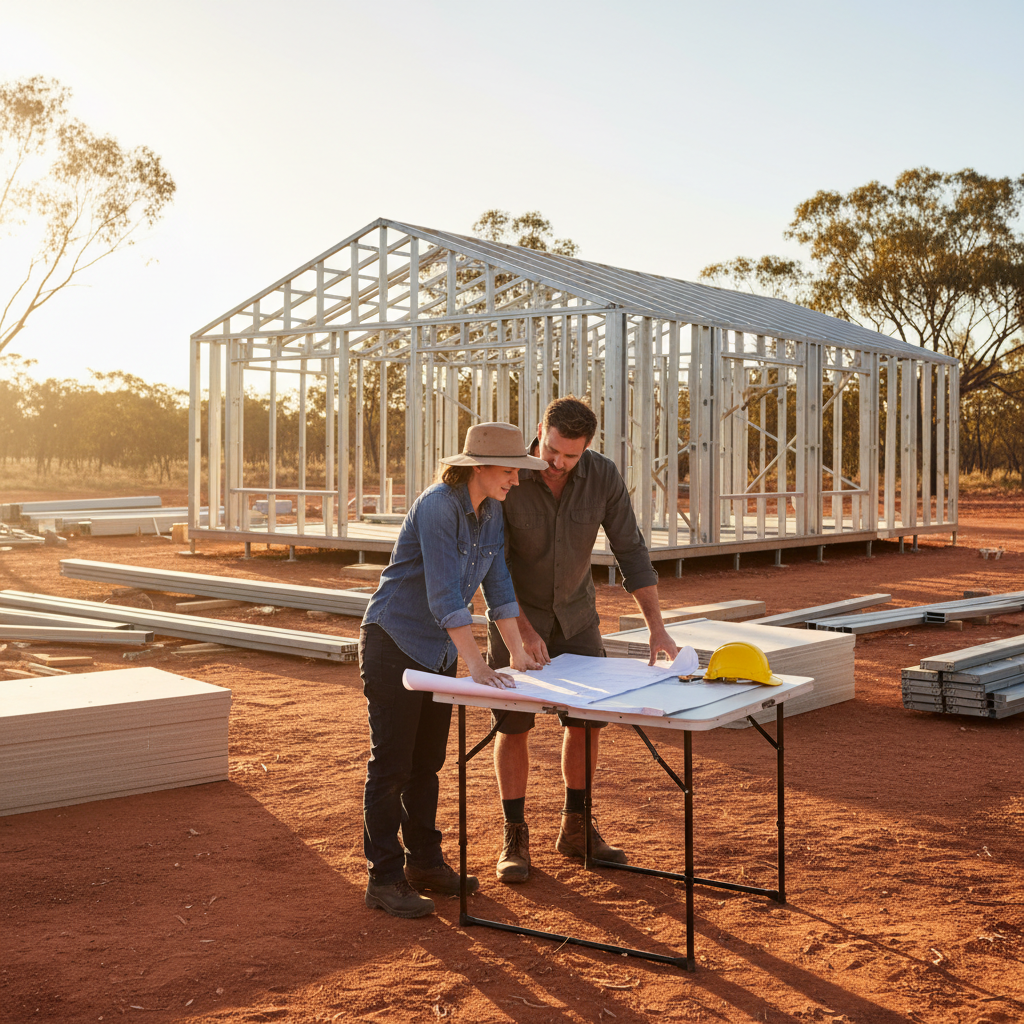
It makes sense. You buy the dirt, you get your council approvals sorted, and you get a flat-pack delivery of high-quality steel frames and materials. It's about control. When you're building out in the sticks, finding a builder who isn't booked out until 2027 is like finding a needle in a haystack. By taking the owner-builder route with a kit, you're the boss. You manage the sparkies, the chippies, and the plumbers. It's hard work, sure. You'll spend plenty of Saturday mornings on the phone hunting for a concrete pump, but the end result is a house that actually fits your life, not a cookie-cutter box in a suburban sprawl.
The Lifestyle Design: Home Offices that Actually Work
The old way of designing a house involved a tiny 'study' tucked away near the laundry. It was an afterthought. A place to store the vacuum cleaner and occasionally pay a bill. Not anymore. In the rural kit homes we're seeing go up lately, the home office is the crown jewel. People are choosing designs with huge windows that look out over their back paddock or a stand of gums. Because if you're going to be on Zoom calls all Tuesday, you might as well have a view that doesn't involve your neighbour's brick wall.
Open-plan living is still king, but there's a shift toward 'zoning'. When you live and work in the same four walls, you need a mental break. We're seeing owners modify their kit layouts to put a distinct physical gap between the workspace and the lounge. Long hallways or a breezy dog-trot style connection can make a world of difference. It's about staying sane. Plus, with the Australian climate, you've got to think about orientation. Stick your office on the western side without decent shading and you'll bake like a potato by 3pm. Most of our savvy owner-builders are mirroring their plans to ensure the workspace gets that soft southern light or morning sun from the east.
Technical Reality: Why Steel is Winning in the Bush
Let's talk about the bones of the house. In Australia, we have two massive enemies: termites and fire. If you're building in a rural zone, you're likely dealing with a Bushfire Attack Level (BAL) rating. Steel frames, specifically the BlueScope TRUECORE stuff, are non-combustible. They don't add fuel to the fire. And termites? They'll chew through a timber stump in a weekend if they're hungry enough, but they've got no interest in steel. This isn't just about peace of mind. It's about structural integrity over thirty or fifty years.
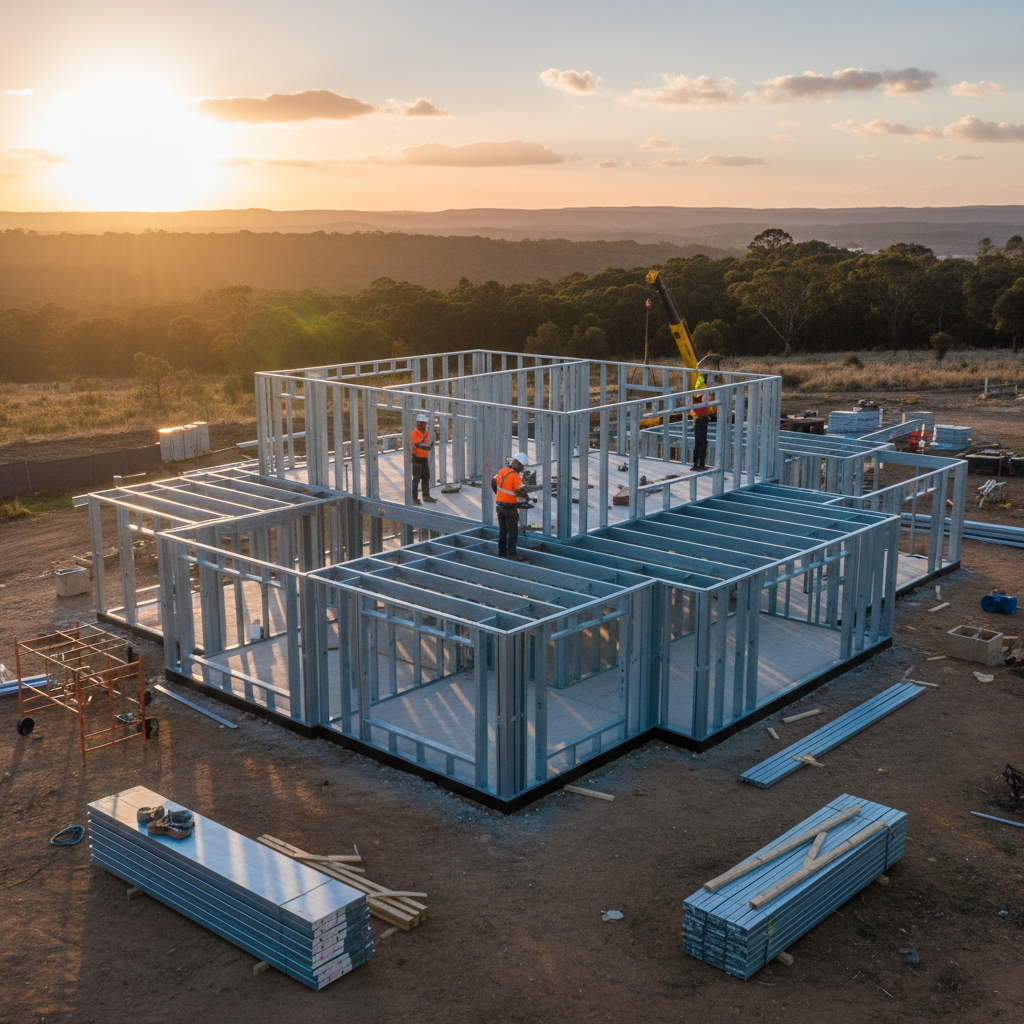
When the truck arrives at your site with the kit, everything is pre-punched and ready to go. For a DIYer, this is the difference between a project that gets finished and one that sits half-done for three years. You aren't out there with a hand saw trying to figure out compound mitres. You're following a set of plans, screwing together frames that are straight and stays straight. Timber moves. It warps. It twists when the humidity hits 90% in North Queensland. Steel stays true. This makes hanging your internal linings (like Gyprock) heaps easier because you aren't fighting a wonky wall.
Tips for the Savvy Owner Builder
1. Don't skip the site prep. You might be tempted to start bolting frames together the second they arrive, but if your slab isn't 100% level and square, you're in for a world of pain. Spend the extra time with the laser level. It'll save you a week of headache later on.
2. Get your trades lined up early. Just because you're an owner-builder doesn't mean you're doing the lot. You still need a licensed plumber and sparky for the legal bits. Talk to the locals in town. Buy them a coffee. Get on their schedule before the kit even leaves the warehouse.
3. Manage your delivery. Rural blocks can be tricky. If the semi-trailer can't get up your driveway because of a low branch or a tight turn, you'll be hand-carrying steel for three days. Check your access. Then check it again.
Sustainable Living and the Rural Aesthetic
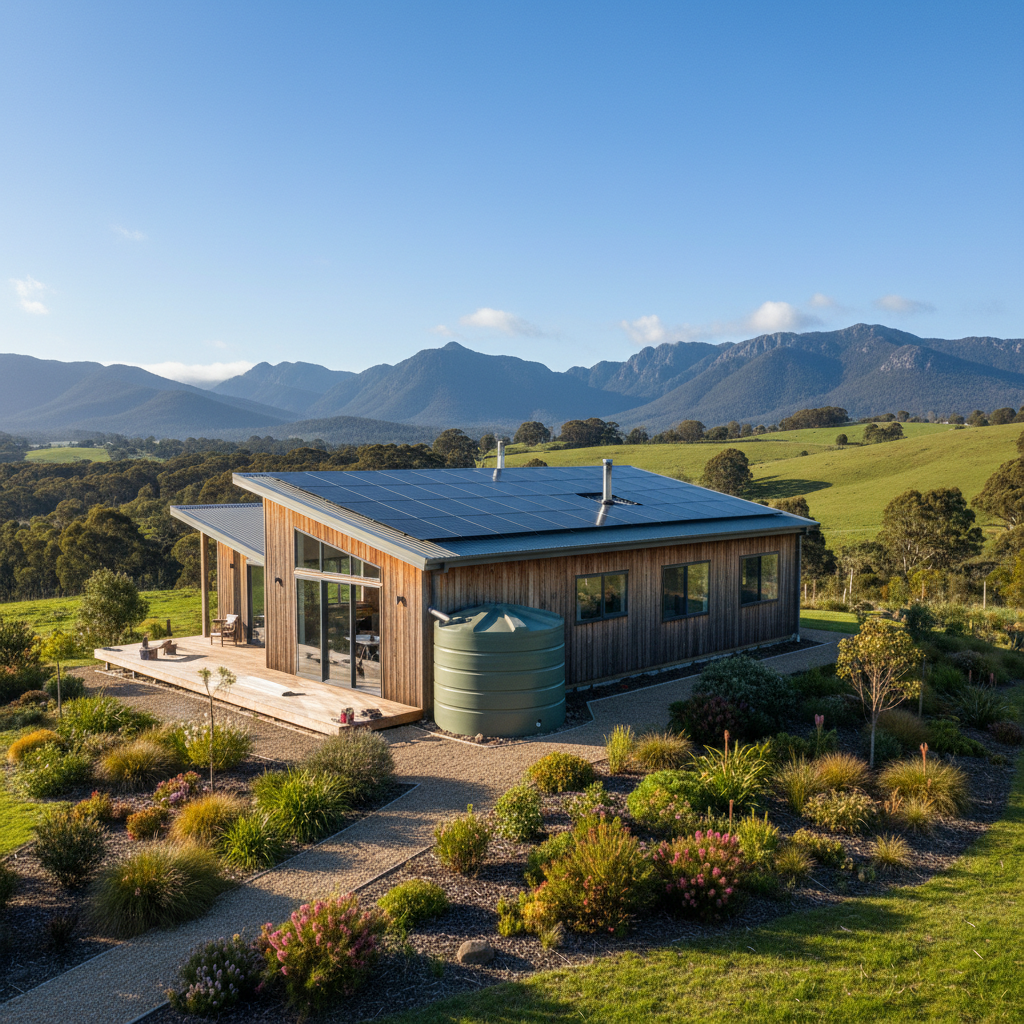
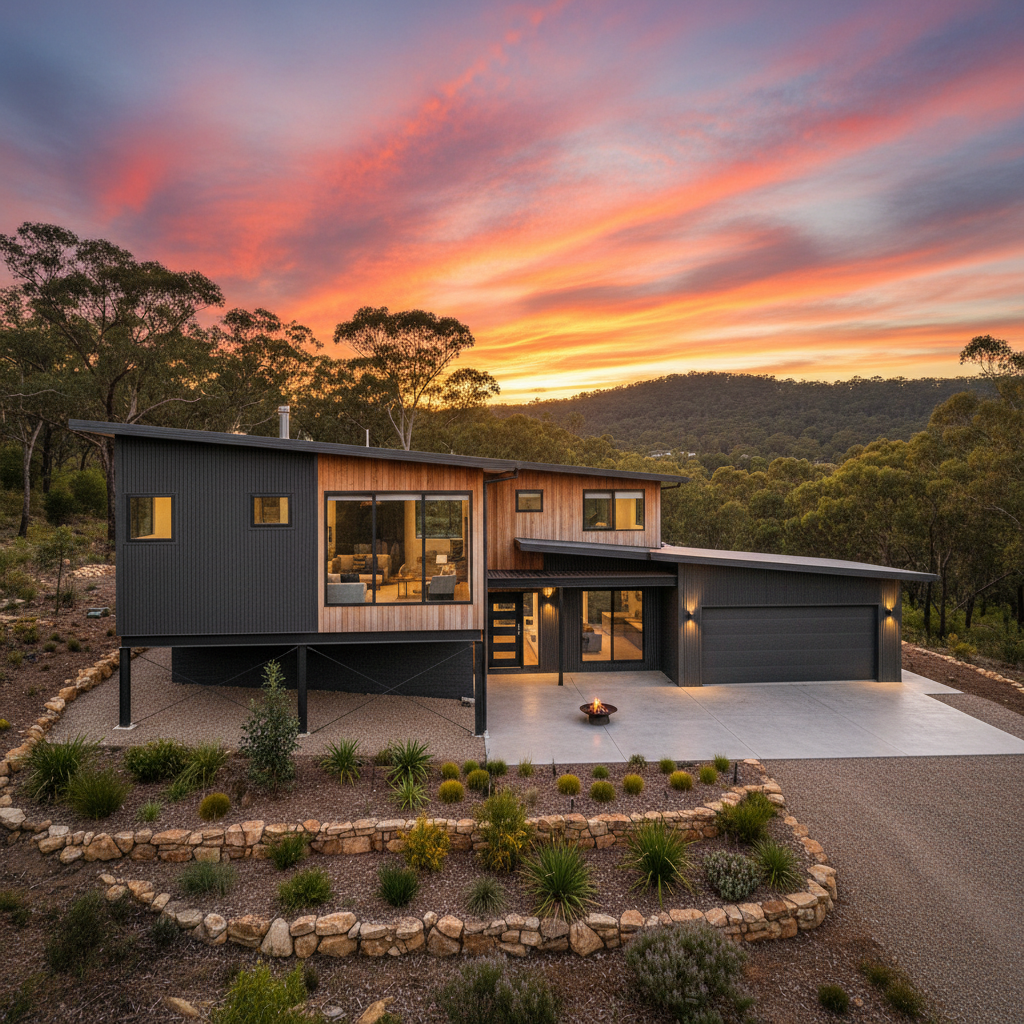
There's a specific look that's taking over the regional market. It's that modern barn or shed-house vibe. Darker cladding, like Colorbond Monument or Night Sky, paired with some timber accents around the porch. It looks incredible against the Aussie bush. But it's not just about looks. Sustainable living is a huge driver. When you aren't tied to city infrastructure, you start thinking about water tanks and septic systems. Most rural kit builds we see are going 100% off-grid or at least heavily solar-reliant.
Insulation is where people usually cheap out, and it's the biggest mistake you can make. The NCC Volume 2 sets out the minimum requirements, but if you're out in the elements, go above and beyond. We provide quality insulation in our kits because we know what a Victorian winter or a Western Australian summer feels like. You want to be comfortable without having the aircon screaming 24/7. It's about building a house that works with the environment, not against it.
Building a home yourself in a remote corner of this country is a massive undertaking. It's not for the faint of heart. There will be days when it's raining, the mud is up to your shins, and you can't find your favourite 12mm socket. But then the sun comes out, you look at those steel frames you put up with your own two hands, and you realise you don't have to sit in traffic for two hours tomorrow morning. That's why the trend isn't slowing down. People want their time back. They want a home that belongs to them, built by them, in a place they actually want to be. And a kit home is the most logical way to make that happen without losing your shirt in the process.
So, if you've been staring at an empty block of land on Realestate.com.au for the last six months, maybe it's time to stop looking and start planning. The tech is there, the materials are better than ever, and the bush is waiting. Just make sure you bring a good pair of boots and a lot of patience. You're going to need both.