The Great Australian Dream, Reimagined
There is something uniquely satisfying about standing on a piece of Australian dirt and envisioning the home you are going to build there. For many owner-builders, kit homes represent the ultimate path to homeownership, offering a blend of flexibility, high quality materials, and the pride of being involved in the process. However, before the first steel frame arrives on site, one of the most critical decisions you will make is determining the right size for your new home.
Choosing a kit home size is not just about square meterage. It is about understanding the relationship between your lifestyle, your land, and your long term goals. Get it right, and you have a home that feels spacious and functional. Get it wrong, and you might find yourself with a house that feels cramped or, conversely, one that is a burden to maintain. In this guide, we will walk through the practicalities of sizing your kit home to ensure it perfectly fits your Australian lifestyle.
Understanding Your Land Constraints
Before you fall in love with a sprawling five bedroom floor plan, you need to have a heart to heart with your block of land. Australian councils have strict residential codes, often referred to as ResCode or similar regional variations, which dictate how much of your land can be covered by a building.
Setbacks and Easements
Every property has setbacks, which are the minimum distances your home must be from the front, side, and rear boundaries. You may also have easements, such as sewerage or water pipes, that you cannot build over. These restrictions immediately define the 'building envelope'. A large kit home might physically fit on your site, but once you factor in these legal boundaries, your options might narrow. Always start by getting a professional survey and checking with your local council.
Slope and Orientation
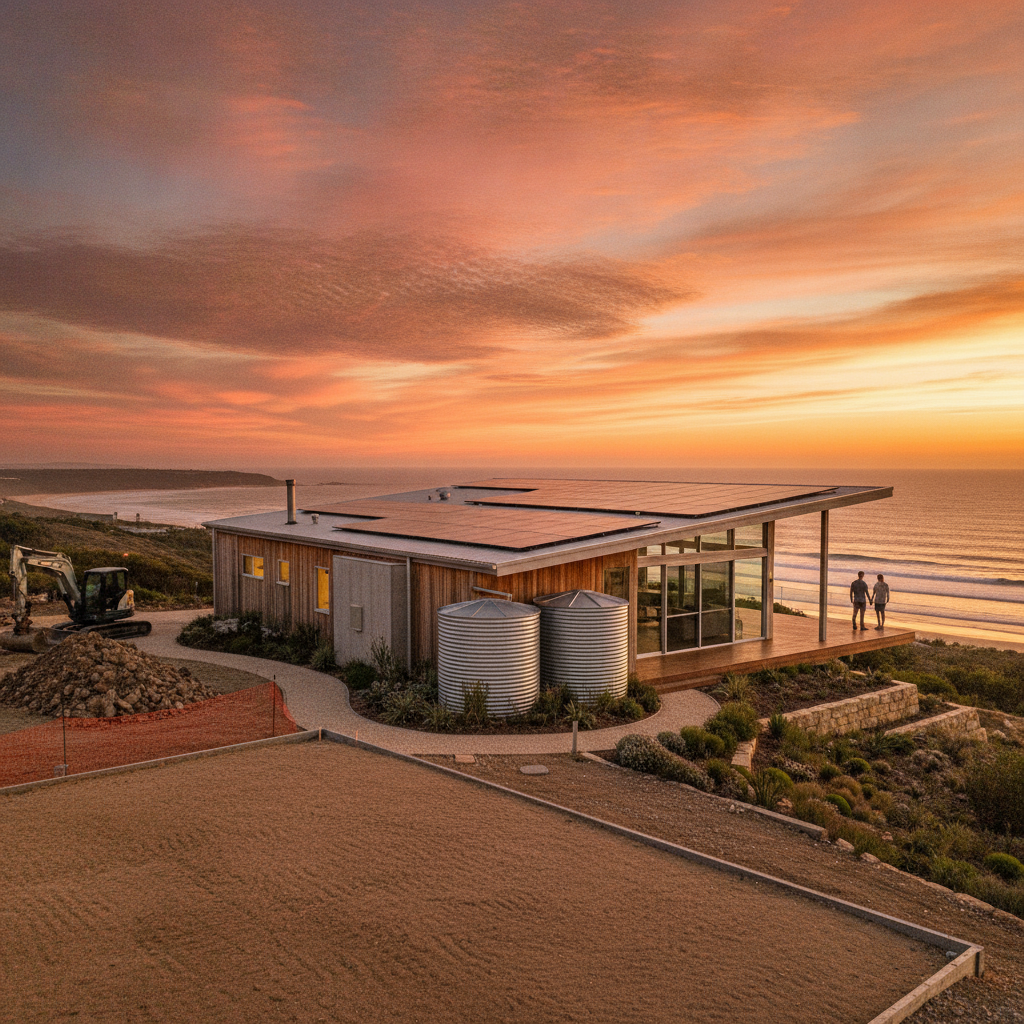
The topography of your land plays a massive role in sizing. Building a very large footprint on a steeply sloping block can lead to significant extra costs in earthworks and retaining walls. Sometimes, opting for a smaller footprint or a clever multi-level design is the smarter way to use the land. Additionally, consider how the home will sit in relation to the sun. A well sized home that is oriented to capture the northern sun will feel much more spacious and comfortable than a larger, poorly oriented house.
Mapping Your Lifestyle Needs
How do you actually live? This sounds like a simple question, but it is one that requires honest reflection. When choosing a kit home size, think about your daily routines rather than those 'once a year' events like hosting Christmas dinner for twenty people.
The 'Must-Haves' vs. the 'Nice-to-Haves'
Start by listing your non-negotiables. If you work from home, a dedicated office space is likely a must-have. If you have children, a second living area or a 'kids retreat' might be essential for your sanity. However, do you really need a formal dining room if you usually eat at the kitchen island or outside on the deck? By focusing on the rooms you use every day, you can allocate your square meterage more effectively.
Future-Proofing Your Design
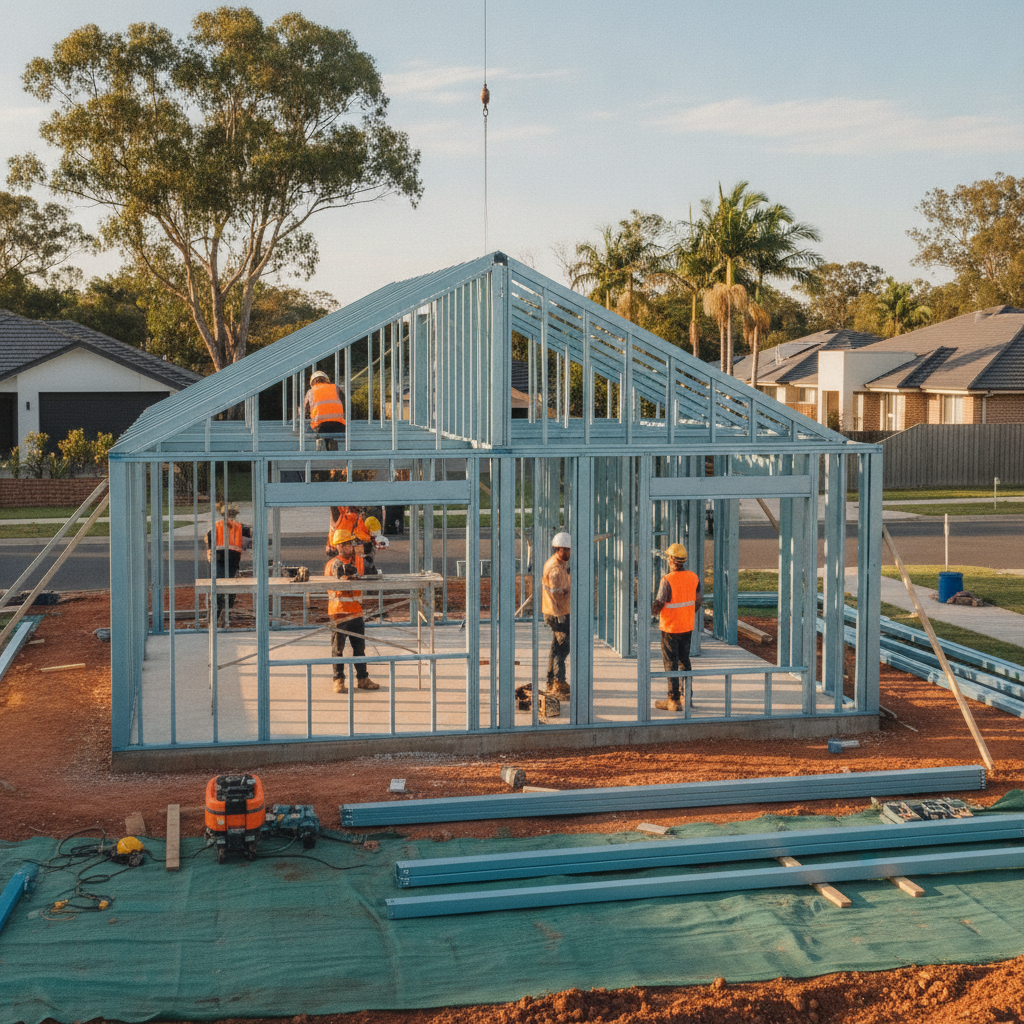
Kit homes are a long term investment. Think about where you will be in five or ten years. Are you planning to grow your family? Or are you entering a phase where the kids will be moving out, and you will be looking to downsize? A kit home using a durable steel frame construction is built to last decades, so ensure the size you choose today will still work for you in the following decade. Many owner-builders choose a mid-sized 'Goldilocks' plan that offers enough room for guests but isn't so large that it becomes a chore to clean when the nest is empty.
The Importance of Floor Plan Flow
A smaller, well-designed kit home will often feel bigger than a large, poorly planned one. This comes down to 'flow' and 'zoning'. When looking at different sizes, pay attention to the transition between spaces.
Open Plan Living
The modern Australian lifestyle revolves around open plan kitchen, dining, and living areas. This design choice maximizes light and gives a sense of airiness. If you are restricted by land size, an open plan layout allows you to shave off total square meterage without sacrificing the feeling of space.
Indoor-Outdoor Integration
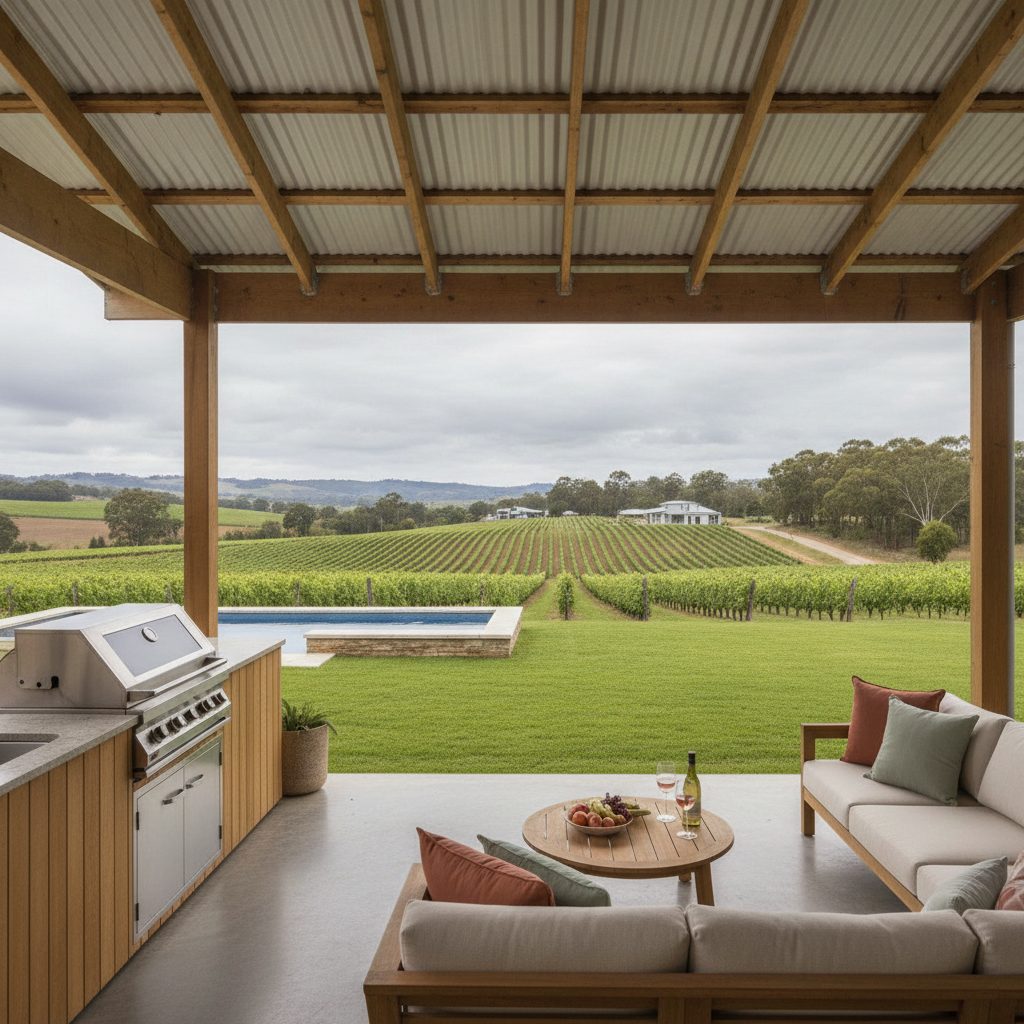
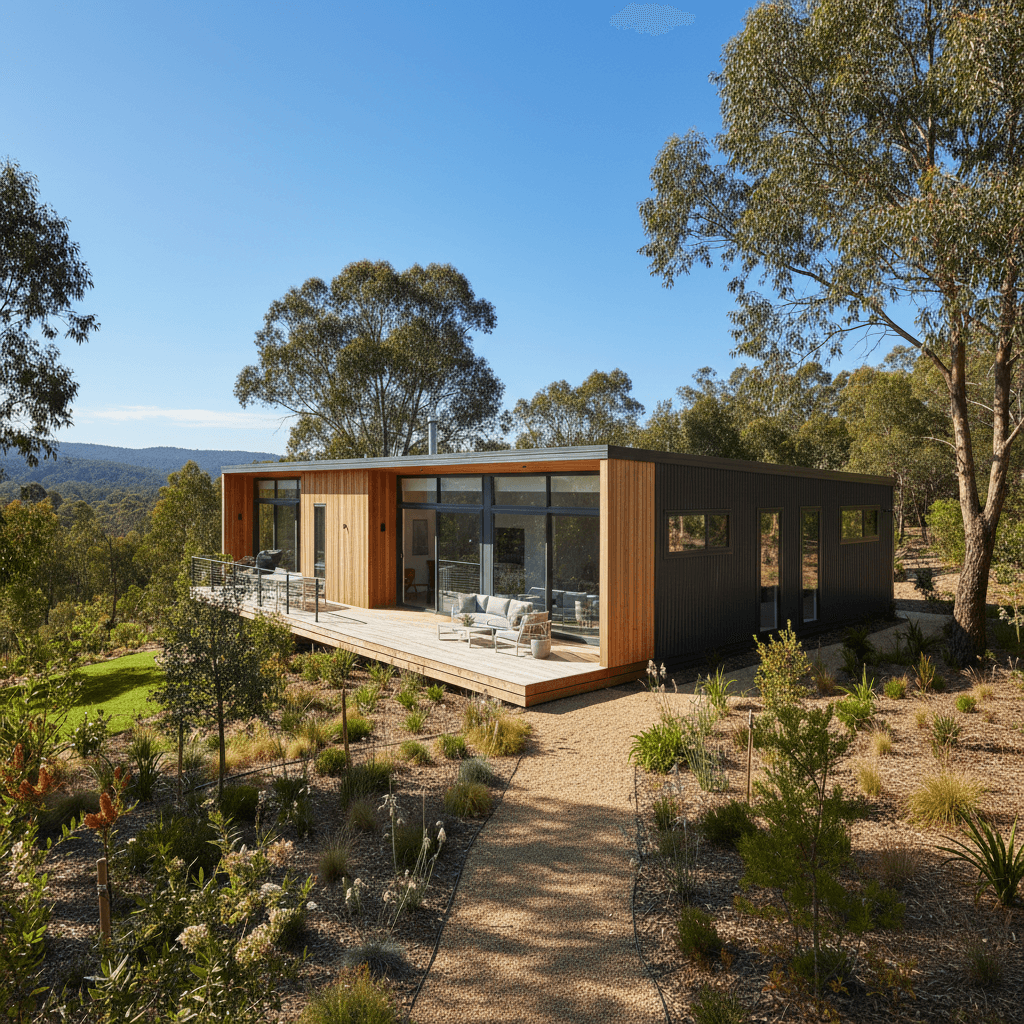
In Australia, our 'living room' often extends to the backyard. When calculating the size of your kit home, consider how the internal spaces connect to outdoor decks or alfresco areas. Large sliding doors can make a modest living area feel twice as big by blurring the lines between inside and out. This is a clever way to keep your kit home footprint smaller (and easier to manage) while still enjoying a spacious lifestyle.
Practical Tips for Owner-Builders
As an owner-builder, you are in the driver's seat. Here are some actionable tips to help you nail the sizing phase:
- Walk the Floor: Use marking paint or pegs to outline the dimensions of your potential kit home on your actual block. This gives you a physical sense of the scale and how much yard space you will have left.
- Measure Your Current Spaces: If you love your current kitchen size but wish your bedroom was bigger, measure them! Having real world benchmarks makes it much easier to read a floor plan and understand if the rooms are sized to your liking.
- Consider Ceiling Height: High ceilings can make a smaller room feel grand. If you are opting for a more compact kit home size to save on site works, consider increasing the ceiling height to maintain a premium feel.
- The Steel Advantage: When choosing your kit, remember that steel frames, like those made from BlueScope TRUECORE steel, allow for impressive spans without the need for bulky load-bearing internal walls. This means you can often achieve a more spacious, open interior than with traditional timber framing, regardless of the total house size.
Balancing Size and Maintenance
One often overlooked aspect of choosing a kit home size is the long term maintenance. Every extra bedroom is an extra room to vacuum, paint, and heat. In the Australian climate, cooling a massive home in summer can be a significant task. Choosing a 'right-sized' home ensures that you spend less time cleaning and maintaining your house and more time enjoying the lifestyle that led you to build a kit home in the first place.
Kit homes offer a fantastic opportunity to customise your living environment. Whether you are looking for a compact secondary dwelling or a substantial family residence, the key is to be intentional. By respecting your land's limits and being honest about your lifestyle, you will find a kit home size that feels like it was designed specifically for you.
Conclusion
Selecting the right size for your kit home is a balancing act between your dreams and the reality of your building site. It requires a forward-thinking approach, a clear understanding of your daily habits, and a bit of practical research into local regulations. Remember, the 'perfect' size isn't the biggest one you can afford, it is the one that best facilitates the way you want to live. With a focus on smart design, open flow, and quality materials like BlueScope steel frames, your kit home will be a comfortable, functional sanctuary for years to come. Happy planning!