Measuring Up: The Art of Choosing Your Kit Home Size
So, you have secured a beautiful patch of Australian dirt and you are ready to make your mark. One of the most common questions we hear from aspiring owner-builders is: "How big should my kit home be?" It sounds like a simple enough question, but the answer is a unique mix of your current daily routine, your future goals, and the physical characteristics of your land.
Choosing a kit home size is not just about the number of bedrooms or the total square meterage. It is about how the house sits on the site, how the light moves through the rooms, and how the floor plan supports the way you live. In this guide, we will break down the essential factors for choosing a kit home that feels just right, ensuring you do not end up with a house that is too cramped or a sprawling mansion that exceeds your maintenance capabilities.
Assessing Your Land: The Site Dictates the Scale
Before you fall in love with a specific floor plan, you need to have a deep understanding of your block. In Australia, our diverse climate and terrain mean that the land itself often dictates the footprint of the home.
Building Envelopes and Setbacks
Every local council in Australia has specific regulations regarding setbacks. This is the distance your home must be from the front, side, and rear boundaries. Before getting too deep into design, check your Section 10.7 certificate (formerly 149) or consult your local planning department. These setbacks create a "building envelope" that tells you exactly how much space you have to work with. If you have a narrow block, a long, slim design will be your best friend. For larger rural acreages, you have more freedom, but you still need to consider utility connections and access tracks.
The Power of Solar Orientation
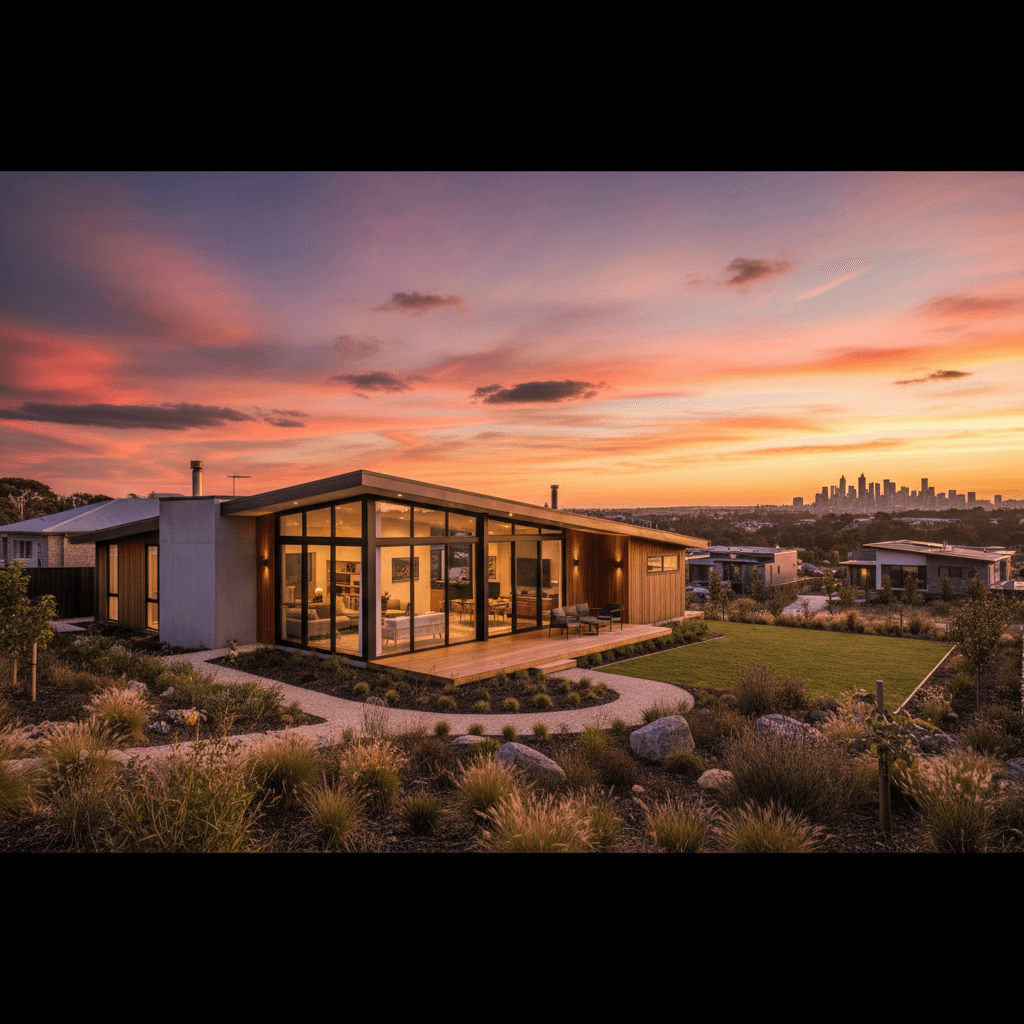
A smaller, well-oriented home will often feel more comfortable and spacious than a large home that is poorly positioned. In the southern hemisphere, your living areas should ideally face north. This allows the winter sun to penetrate deep into the home while blocking the harsh summer heat. When choosing a kit size, consider if the footprint allows for a north-facing orientation on your specific block. If a massive house consumes the entire width of your land and blocks out all the natural light, it might be worth scaling back to a more efficient design that prioritizes light over extra floor space.
Defining Your Lifestyle Needs
When you are an owner-builder, you have the unique opportunity to tailor your space to your life. Take a week to observe how you actually use your current home. Do you spend all your time in the kitchen and living room? Does that formal dining room only get used once a year for Christmas? This self-reflection is the key to choosing the right size.
The "Zones" Approach
Instead of thinking about total size, think about zones. Most modern Australian kit homes are split into three main areas: the social zone (kitchen, dining, living), the private zone (bedrooms and bathrooms), and the functional zone (laundry and garage). If you love entertaining, you might prioritize a larger social zone with an expansive deck. If you work from home, a dedicated office space might be more important than a fourth bedroom.
Future-Proofing Without Overbuilding
It is tempting to build extra rooms "just in case" family comes to stay or your family grows. However, remember that every extra square meter is space you need to clean, heat, and cool. Consider versatile spaces instead. A large second bedroom can double as a hobby room and a guest suite. Designing for flexibility often allows you to keep the overall footprint smaller while still meeting all your long-term needs.
The Practicalities of Building Material Selection
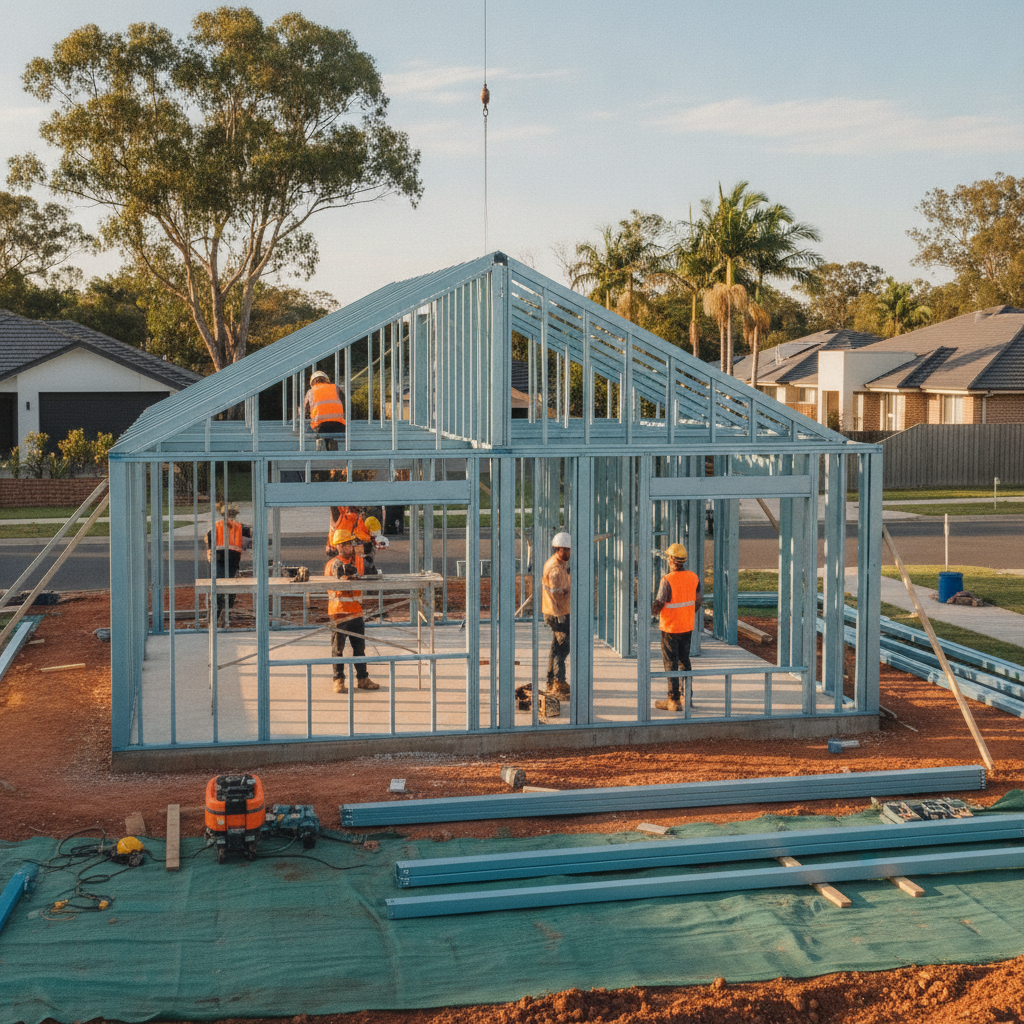
While you are pondering the size of your rooms, it is worth considering the backbone of the structure. Many Australian owner-builders opt for steel frames for their durability and ease of assembly. High-quality frames, such as those made from TRUECORE steel, are precision-engineered to the millimeter. This accuracy is a massive benefit when you are working on a tight site where every centimeter counts. Steel frames do not warp or twist, which means your walls stay straight and your windows and doors fit perfectly, regardless of whether you are building a compact granny flat or a large family residence.
The strength-to-weight ratio of steel also allows for larger open-plan spans without the need for bulky support pillars. This is a game-changer if you want to create a sense of space in a smaller floor plan, allowing for that seamless indoor-outdoor flow that is so iconic in Australian design.
Maximizing Visual Space in Smaller Footprints
If your land or budget suggests a smaller kit home, don't worry. You can make a 100-square-meter home feel like a 150-square-meter one with clever design choices.
Ceiling Height and Natural Light
High ceilings are one of the most effective ways to make a room feel larger. When selecting your kit, ask about options for higher wall heights or raked ceilings. Coupling high ceilings with large windows or stacking glass doors pulls the eye outward toward the landscape, effectively making your yard part of your living room.
Smart Storage Solutions
Clutter is the enemy of small spaces. When reviewing kit home plans, look for built-in storage opportunities. Can you add a walk-in pantry? Is there space for a laundry cupboard? By integrating storage into the frame of the house, you avoid the need for extra furniture that eats up floor space later on.
Tips for the Australian Owner-Builder
- Walk the site: Before you commit to a size, take some stakes and string out to your land. Mark out the footprint of the home. Stand where the kitchen would be. This physical experience is often very different from looking at a 2D drawing.
- Consider the slope: If your land is sloped, a larger footprint usually means more expensive site works and more complex foundation requirements. A smaller, multi-level design might be more cost-effective.
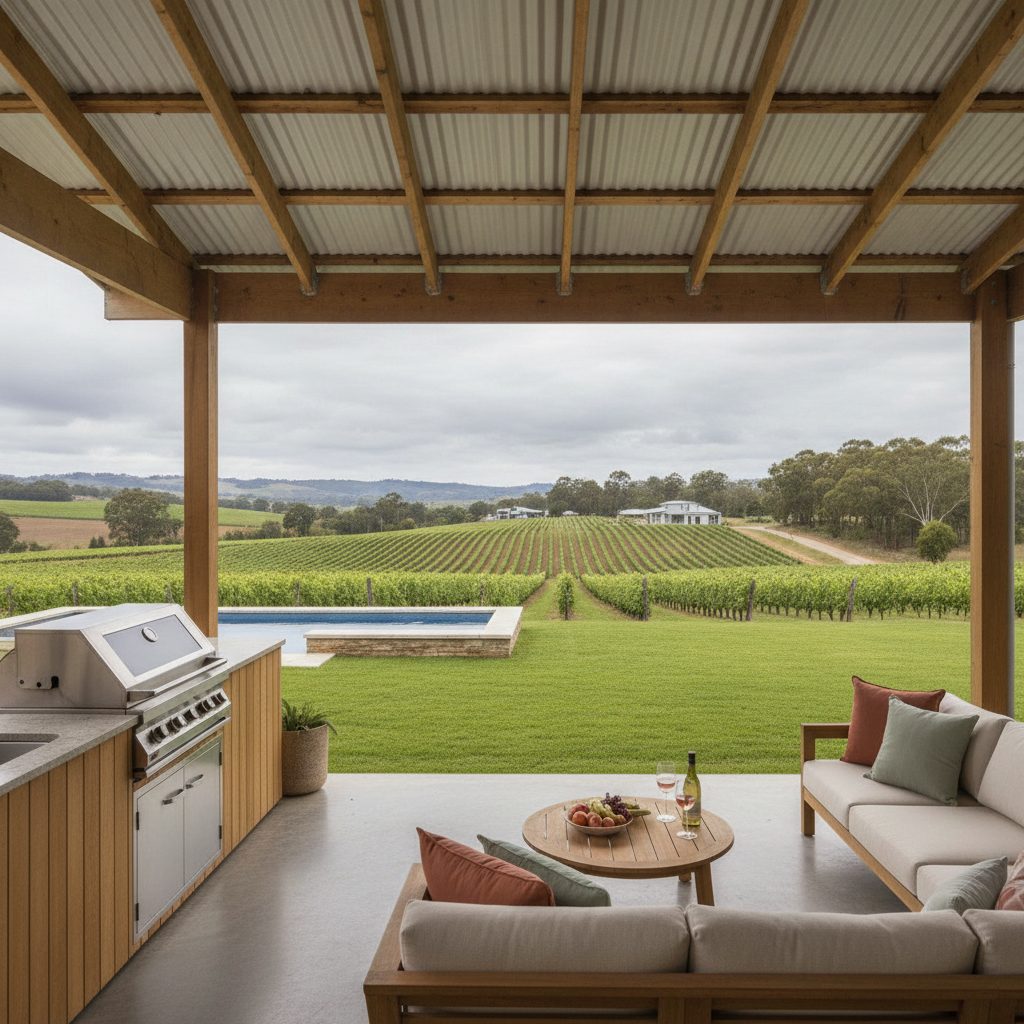
- Account for outdoor living: In Australia, our decks and verandas are often our most-used rooms. If your indoor living space is smaller, make sure your kit includes a generous outdoor area to balance it out.
- Check your bushfire rating: If you are in a BAL-rated area (Bushfire Attack Level), the materials and window sizes required for your home's exterior may influence your design choices. Steel frames and metal cladding are excellent choices for these regions due to their non-combustible nature.
Conclusion: Balance is Key
Choosing the right kit home size is a balancing act between your dreams and the reality of your land. By focusing on smart zoning, solar orientation, and the use of modern materials like steel frames, you can create a home that feels spacious and functional without being excessive. Remember, the best home is not the one with the most rooms, but the one where every corner is used and enjoyed.
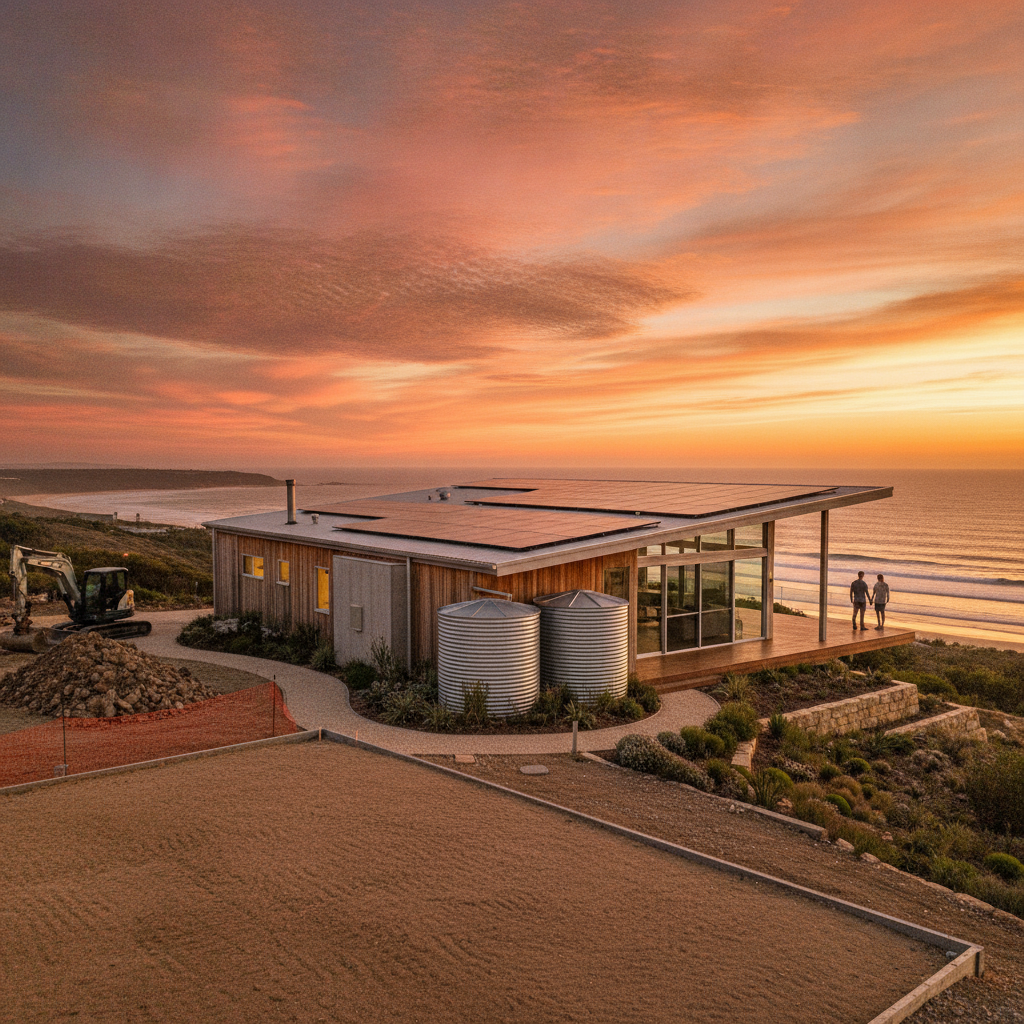
As an owner-builder, you have the driver's seat. Take the time to research, measure twice, and choose a kit that truly fits your lifestyle today and into the future. Whether it is a cozy coastal retreat or a sprawling rural homestead, the perfect size is the one that lets you live your best Australian life.