The Great Site Debate: Ground Level vs Stumps
Walk onto any vacant lot in Australia and the first thing you'll feel is the dirt under your boots. That dirt dictates almost everything about your build. If you're looking at kit homes, you've likely hit the fork in the road where you have to decide: are we pouring a big slab of concrete or are we going up on stumps? It's not just about what looks better in a brochure. It's about your bank account, your back, and how much topsoil you want to shift with an excavator. I've seen blokes try to force a slab onto a 15-degree slope because they liked the look of a flat house, only to spend fifty grand on retaining walls before the first brick was even laid. That's a mistake you can't afford to make.
Single storey homes on a concrete slab are the standard across most Aussie suburbs. They're solid. They feel permanent. But they require a flat piece of land. If your block has more than a meter of fall across the building envelope, that slab starts getting very expensive very quickly. This is where elevated kits come into play. Using a sub-floor system means you're perched above the mess. You're working with the land, not fighting it. It's a choice between brute force and smart design.
When the Slab is King
Slab-on-ground construction is the bread and butter of the Australian building industry. There's a reason for it. It provides excellent thermal mass. If you're building out in a place like Wagga or Dubbo where the sun bites hard in summer but the nights get icy, a well-insulated slab can keep your house temp stable. You've got that direct connection to the earth. Plus, there's no bounce. You walk across a slab and it feels like a mountain. For people with mobility issues or those planning to age in place, not having a single step from the driveway to the kitchen is a massive win.
But here is the catch. Slabs hate reactive clay. If you're in an area with 'H' or 'E' class soil, your engineer is going to specify a slab thick enough to support a skyscraper. You'll be pouring thousands of dollars into steel reinforcement and concrete that nobody will ever see. And drainage. Don't get me started on drainage. If your slab isn't set up right, every time a summer storm hits, you'll be out there with a shovel trying to keep the water from pooling against your footings. It’s a lot of work before the steel frames even arrive on the truck.
The Case for Elevation
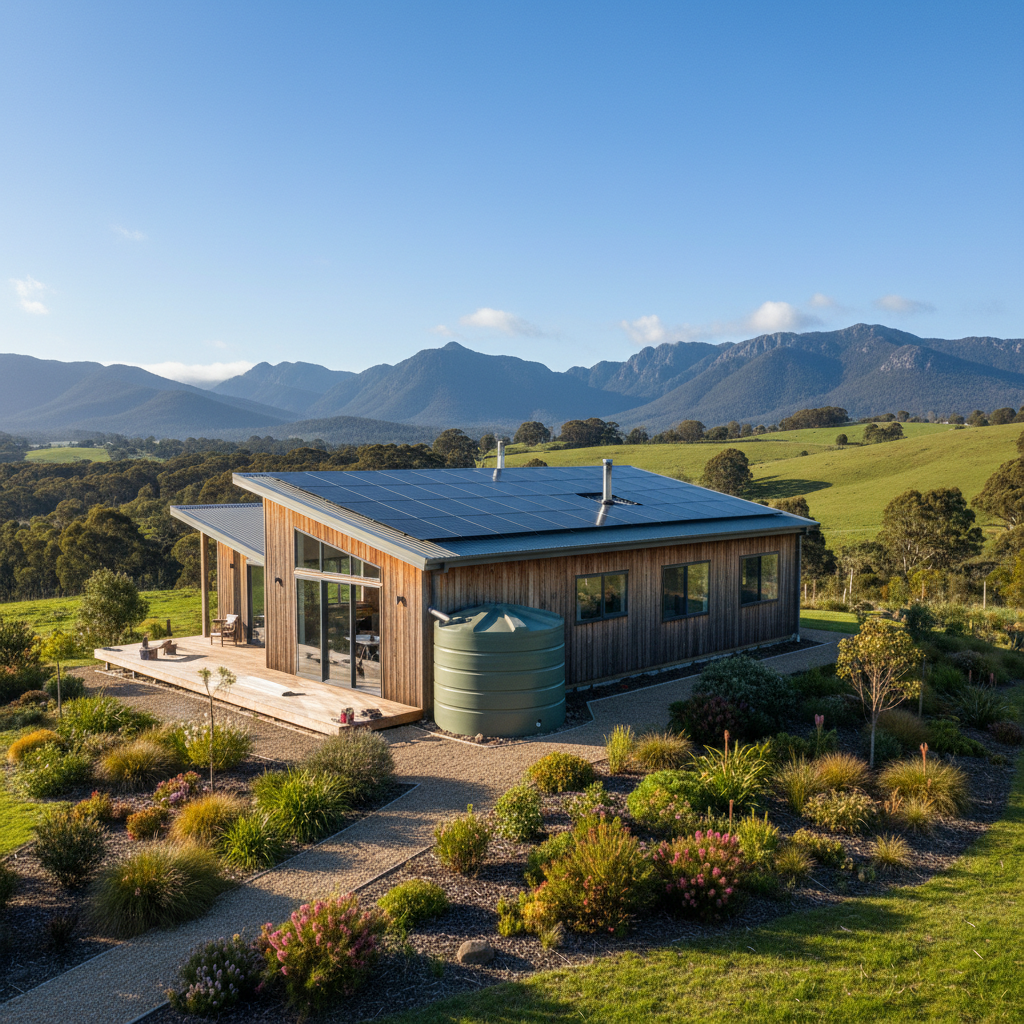
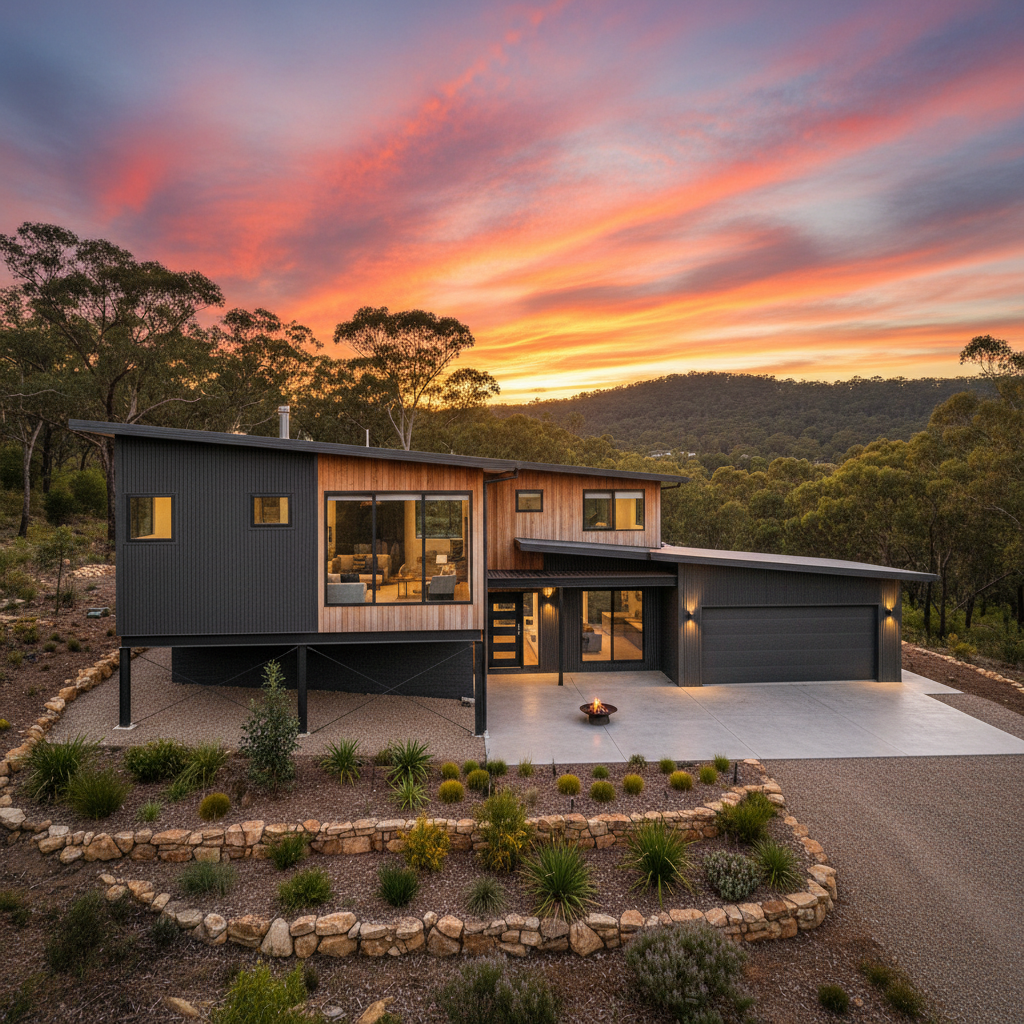
Now, let's talk about stumps. Or piers, or piles, depending on which part of the country you're in. Elevated kit homes are the unsung heroes of the Australian coast and the bush. If you have a block in the Blue Mountains or a steep patch of dirt in the Hinterland, you go elevated. Why? Because you don't want to dig a massive hole in the side of a hill. It's much easier to drill sixteen holes for posts than it is to cut a flat bench into a slope and try to manage the erosion forever.
Airflow is the secret weapon here. In Queensland or the NT, having air move under the floorboards is the difference between a house that stays cool and a house that feels like a sauna. Because our kits use BlueScope TRUECORE steel, the sub-floor is light, dead straight, and won't get chewed by termites. You're basically building a giant steel table to put your house on. It gives you easy access to plumbing too. If a pipe leaks five years from now, you crawl under and fix it. If a pipe leaks under a slab, you're getting out the jackhammer. Think about that.
Dealing with BAL Ratings
Bushfire Attack Levels (BAL) are a reality for 90% of our owner-builders these days. If you're building in a BAL-29 or BAL-40 zone, an elevated house needs a bit more thought. You can’t just leave the underside open for embers to blow into. You’ll need to enclose it with fire-rated materials or use specific steel mesh. Some people reckon this makes elevated homes harder, but it’s just a different set of rules. A slab house is naturally more fire-resistant at the ground level, but you still have to worry about your windows and roof line. It’s a trade-off. Always check your local council requirements before you fall in love with a floor plan.
The Logistics of the Kit
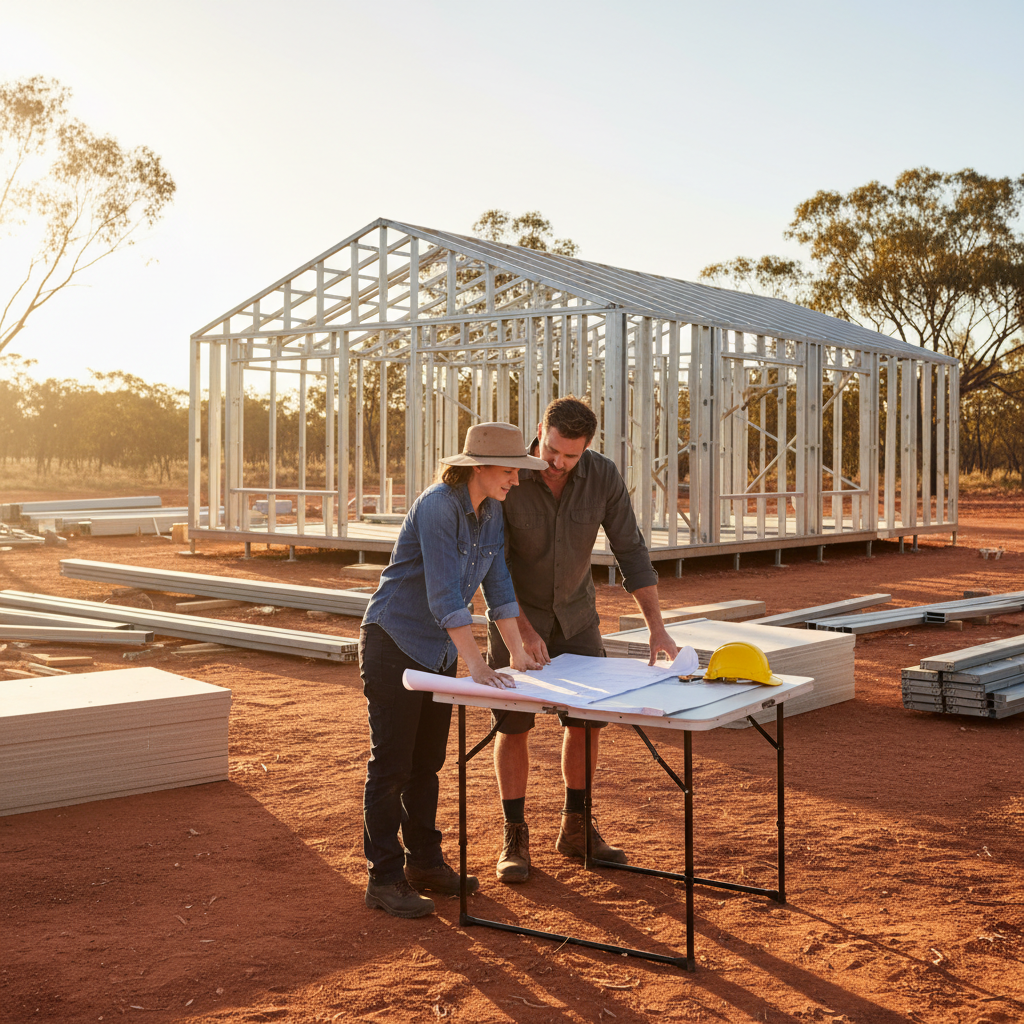
When the truck pulls up with your kit, the site needs to be ready. If you've gone with a slab, you've already had the concrete guys in, the plumber has done his 'rough-in', and the surface is curing. You can start bolting your wall frames down almost immediately. With an elevated system, there's a bit more assembly involved at the start. You're building the floor frame first. It’s like a giant Meccano set. Once that floor is down and the yellow tongue or CFC sheeting is on, then you start the walls.
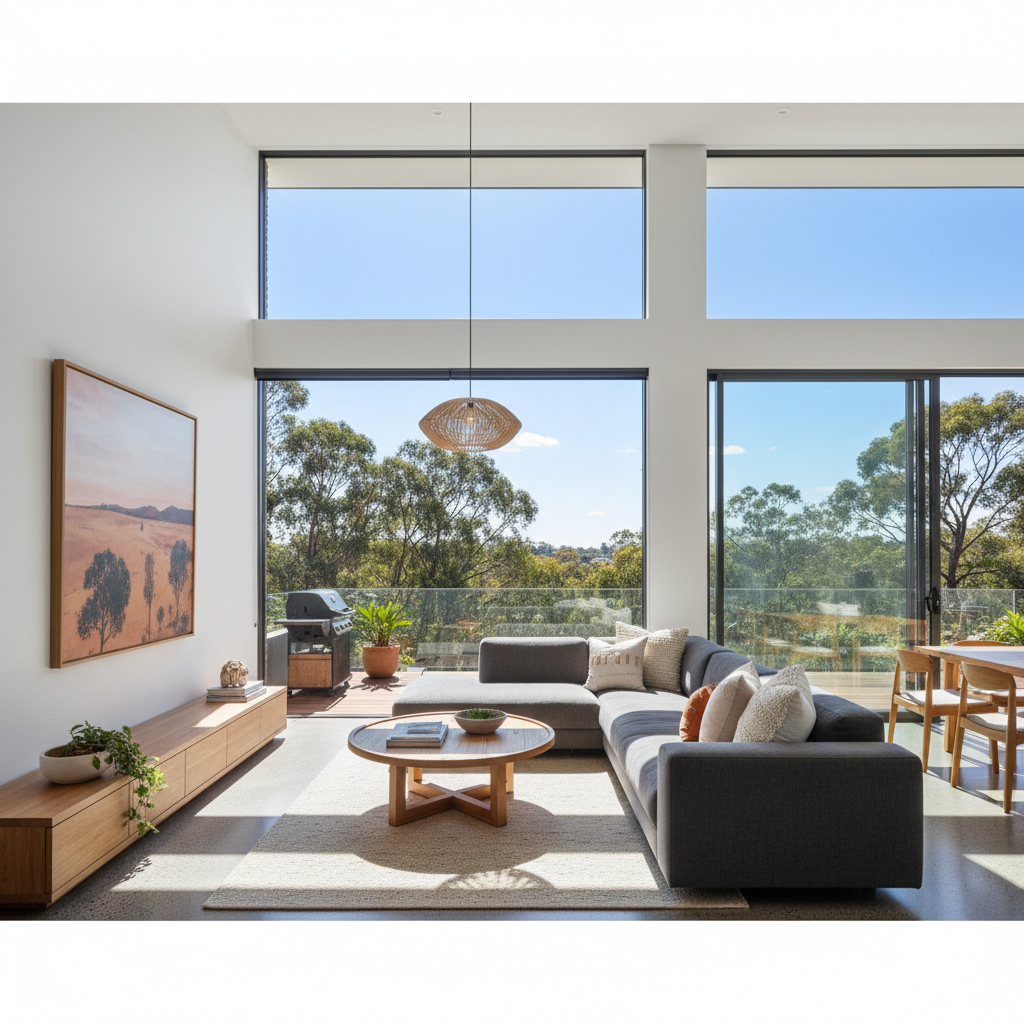
I always tell guys doing this themselves: don't underestimate the height. If your house is two meters off the ground at one end, you're going to need scaffolding. You can't just stand on a stepladder to put the eaves in. It adds a layer of safety planning that a flat slab house doesn't have. But man, the view is usually worth it. Getting that extra bit of height can turn a view of your neighbor's fence into a view of the valley.
Making the Choice Based on Your Block
So, how do you actually decide? Here is the checklist I use when someone calls up asking for advice.
- Check the Slope: If it's more than a 1:10 fall, seriously consider going elevated.
- Soil Test: Get a geotech report. If the dirt is 'reactive', a slab will cost you a lung.
- The Look: Do you want a modern, low-profile look or a classic Queenslander vibe?
- Under-house Storage: Do you need a place for the mower, the surfboards, or a workshop? Elevated wins every time here.
- The Budget: Not for the house, but for the 'ground works'. Call a local earthmover and ask what it costs to cut a pad. You might be surprised.
Something people forget is the feel of the floor. A slab is hard. If you have bad knees, walking on concrete all day—even with floorboards over it—can be tough. A steel-framed floor system has a tiny bit of 'give' that’s actually much kinder on the joints. On the flip side, if you've got three big dogs and two kids running around, the sound of a hollow floor might drive you crazy unless you put some serious acoustic insulation in that sub-floor.
The Steel Advantage
Whatever way you go, using steel frames for your kit is a no-brainer in Australia. Wood warps. Wood rots. Termites see wood as an all-you-can-eat buffet. Steel stays straight. When you're an owner-builder and you're lining up a spirit level, you want the frame to be square. You don't want to be fighting a piece of timber that decided to turn into a banana because it rained on Tuesday. Our kits use TRUECORE steel because it handles the vibration of an elevated build better and it won't sag over time on a slab. It's the skeleton of your home. Get it right and the rest of the fit-out is easy. Get it wrong and you'll be swearing for the next twenty years every time you try to close a door.
Most people think a kit home is just a box. It isn't. It's a puzzle that you're in charge of. Whether you're standing on 100mm of poured concrete or four meters of galvanized steel piers, the satisfaction of seeing that roof go on is the same. Just make sure you spend the time now looking at your site. Walk the block when it's raining. See where the water goes. That'll tell you more about what house you should build than any fancy architect's drawing ever will. Trust your gut and the dirt.