Stop Looking at the Renders and Start Looking at the Flow
I spent twenty minutes yesterday watching a bloke in a high-vis vest try to explain to his wife why they didn't need a formal entryway in their new kit. He was looking at the price tag, and she was looking at where the muddy boots would live. She won. Because a house isn't just a collection of steel frames and cladding. It's a machine for living. When you start browsing kit home designs, you're going to see a lot of shiny 3D images with perfect lighting and zero clutter. Forget them. They're a trap. Grab a red pen and a coffee, and let's get into the guts of what makes a floor plan work in the real Australian sun.
Most people pick a plan based on the number of bedrooms. That's mistake number one. You need to look at the 'dead space' first. I'm talking about hallways that lead nowhere and corners that are too small for a vacuum but too big to ignore. If you're building a kit home in a place like Wagga Wagga or the Sunshine Coast, your site is going to dictate more than you think. You've got to suss out the orientation before you fall in love with a kitchen layout. If your main living area faces west without a massive verandah, you'll be living in an oven by 3pm every February. No amount of insulation can fix a fundamentally broken floor plan that fights the sun.
The Zoned Living Myth
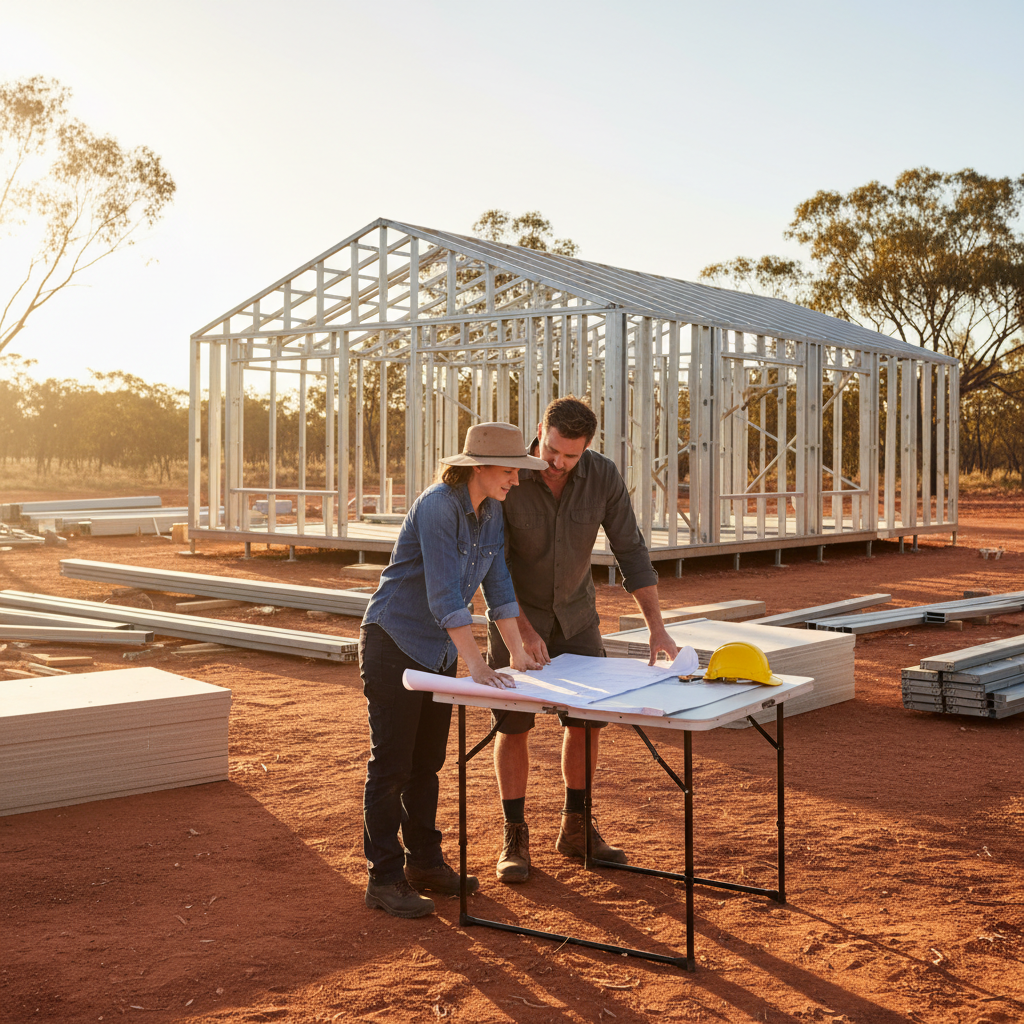
Everyone wants 'open plan' until they actually have it. Living in a giant shed sounds great until the teenager is playing Xbox, the toddler is screaming over Bluey, and you're trying to have a quiet beer in the kitchen. It's a recipe for a headache. What you actually want is smart zoning. This means putting the master bedroom as far away from the kids' rooms as the footprint allows. It's not about being anti-social. It's about sanity. In a kit home, you're working with fixed dimensions usually based on the engineering of the TRUECORE steel frames. You can't just move a structural wall on a whim once the kit arrives, so you've got to get these zones right on paper.
Think about the 'wet' areas. If you can cluster the laundry, bathroom, and kitchen close together, you'll save a fortune on plumbing. Most kit designs do this well, but check the pipe runs. If your master ensuite is at the opposite end of the house from the hot water system, you'll be waiting three minutes for a warm shower every morning. That's wasted water and a massive pain. Plus, look at the laundry. Australians actually use their laundries. We don't just shove a washer in a cupboard like they do in Europe. You need a door that leads straight outside, ideally to a paved area where the hills hoist is. If you have to carry a heavy basket of wet towels through the lounge room, the plan has failed you.
The Kitchen Triangle is Still King
Kitchen designers talk about the 'work triangle' until they're blue in the face, and they're right to do it. The distance between your fridge, your sink, and your stove shouldn't feel like a cross-country hike. But there's more to it in a modern family home. Where's the pantry? Is it a walk-in or just a narrow cupboard? I reckon a walk-in butler’s pantry is one of the best uses of space in a steel frame kit. It keeps the mess out of sight when guests drop by. And check the island bench. If it's the only place to eat, make sure it's long enough. Four people squeezed around a two-metre bench is a battle of elbows every breakfast.
Storage: The Great Australian Shortage
I’ve never walked into a house and heard someone say they have too much storage. Never happens. When you look at a kit home floor plan, count the linens. Where does the vacuum go? Where do you put the Christmas tree for 11 months of the year? Most kits come with built-in robes in the bedrooms, which is a start, but you need more. If the plan doesn't have a dedicated broom closet or a walk-in linen press, you'll end up with boxes stacked in the corner of the garage. It looks messy and it's frustrating. Because steel frames allow for large internal spans without needing heaps of load-bearing internal walls, you've often got the flexibility to sacrifice half a metre of a bedroom to gain a massive floor-to-ceiling cupboard in the hallway. Do it. You won't regret it when you're trying to hide the ironing board.
And don't forget the 'drop zone'. This is a small area near the main entrance for keys, mail, and charging phones. Without it, your kitchen bench becomes the dumping ground. Some of the best-selling Australian kit designs now include a small nook specifically for this. It keeps the rest of the house feeling like a home rather than an office.
Outdoor Connection and the Verandah Factor
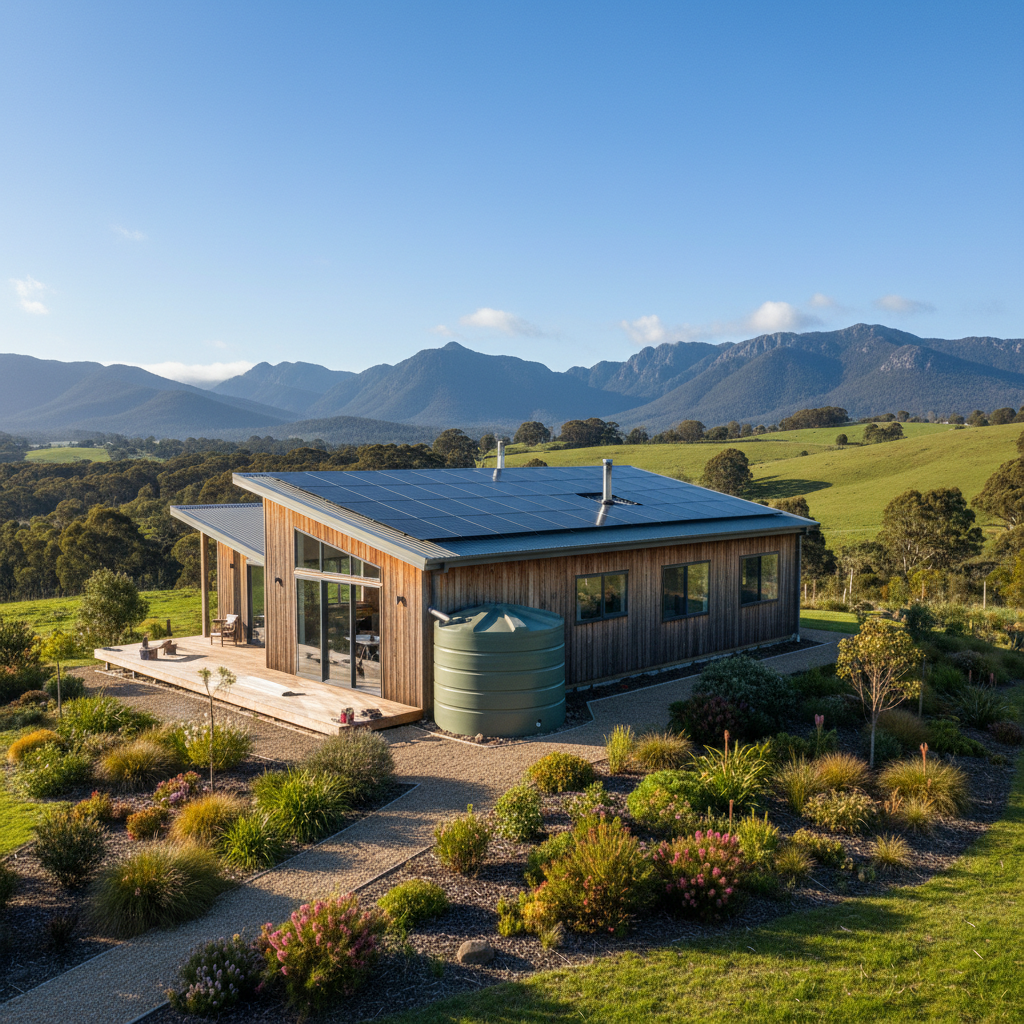
In Australia, we live outside as much as inside. If your kit home floor plan doesn't have a massive sliding door connecting the living area to a deck or patio, it's not fit for purpose. You want that seamless transition. But here's the kicker: watch your roofline. A lot of owner-builders forget that adding a massive verandah later can be a structural nightmare with council. It's better to pick a kit that integrates the roof over the outdoor area from the start. It looks better and it's easier to build.
Check the window placement for cross-breezes too. AS 3959-2018 (Construction of buildings in bushfire-prone areas) might dictate what kind of windows you can have, but the plan should still allow for airflow. If you've got a window on the south side and one on the north, you can flush the hot air out on a summer night without running the AC. That's just smart design. I always tell people to look at the prevailing winds for their specific suburb. If you're on a hill in Toowoomba, you'll want your outdoor area protected from those biting westerly winds, otherwise, you'll never sit out there.
Think About the Future (Not Just Today)
Your family is going to change. That small bedroom that works for a toddler today is going to be too small for a teenager with a desk and a double bed in ten years. Look at the room dimensions. Anything under 3m x 3m is tight. Aim for 3.6m if you can swing it. Also, consider the accessibility. Even if you're young now, wider hallways and bigger doorways make a house feel more expensive and are a lifesaver if someone ends up on crutches after a weekend footy match. It's much easier to build a wide hallway now than to try and move steel studs later. Because kit homes are a long-term investment, you want a plan that can evolve. Maybe that fourth bedroom starts as a study but has the wardrobe space to become a guest room later on.
Picking a plan is about being honest with how you live. Don't buy a plan for the person you wish you were. If you're messy, get a floor plan with heaps of hidden storage. If you hate cooking, don't waste money on a massive kitchen. Get it right on the paper first, and the build will be a hell of a lot smoother.