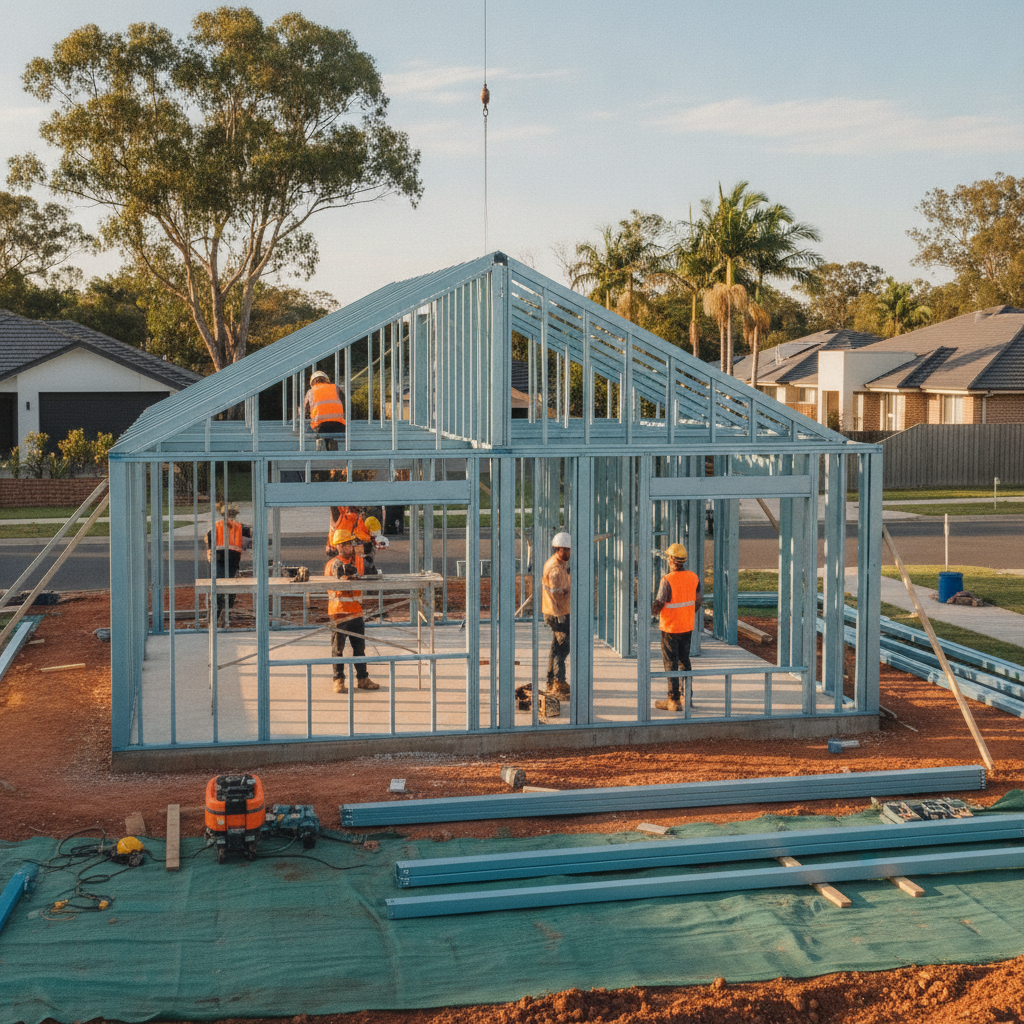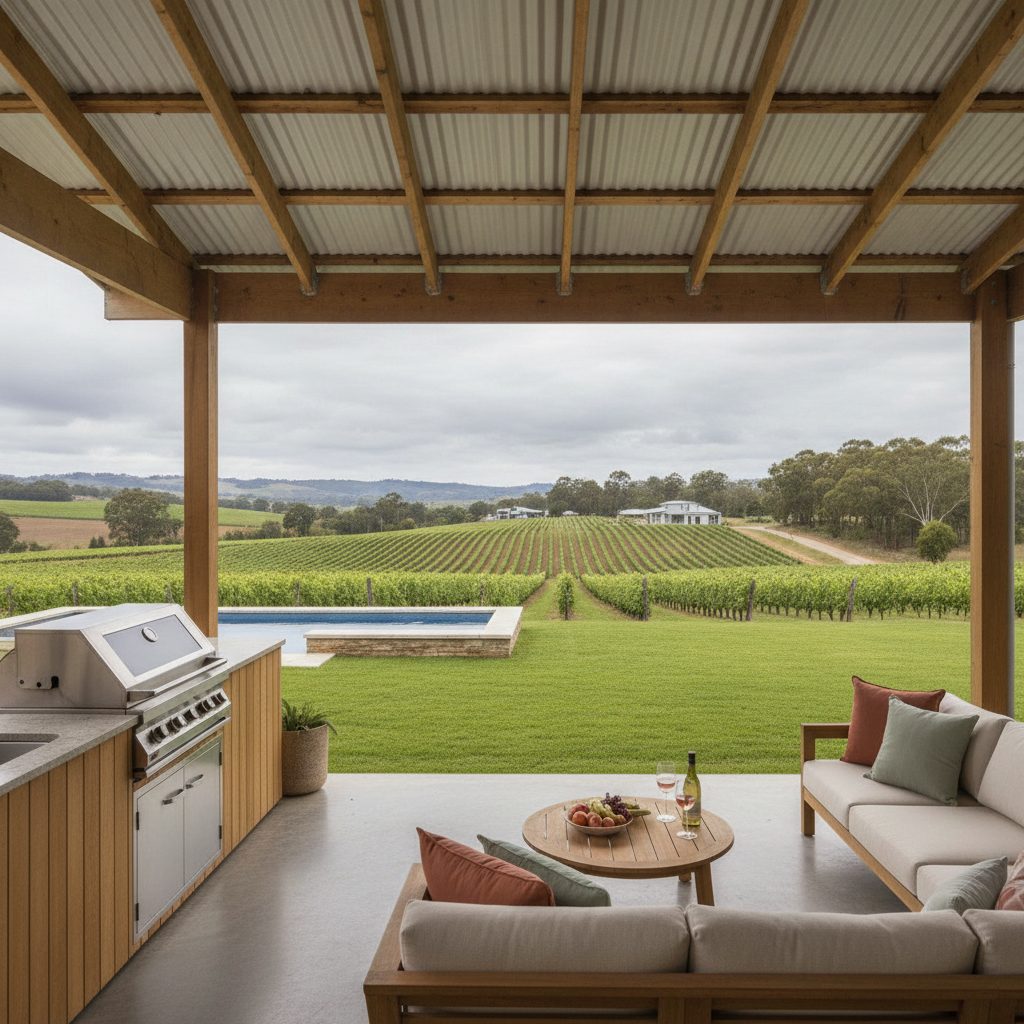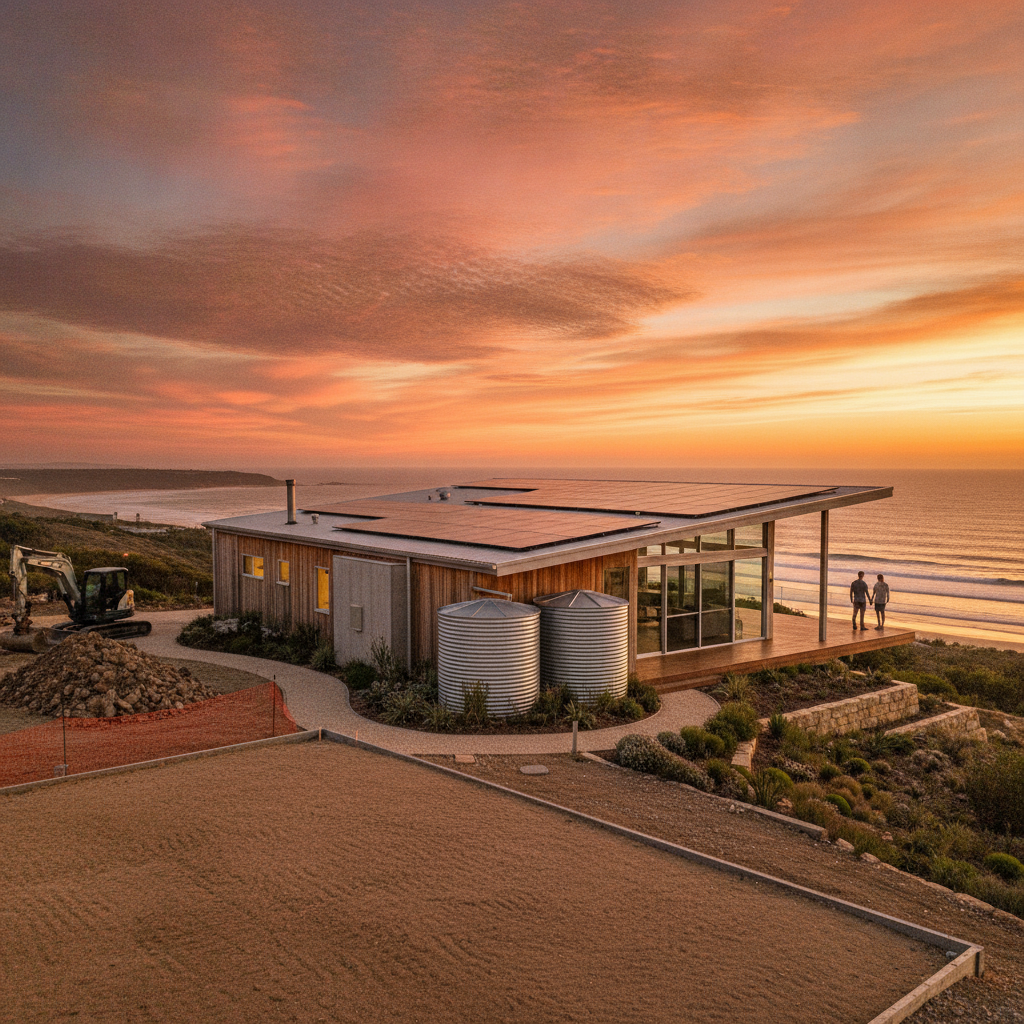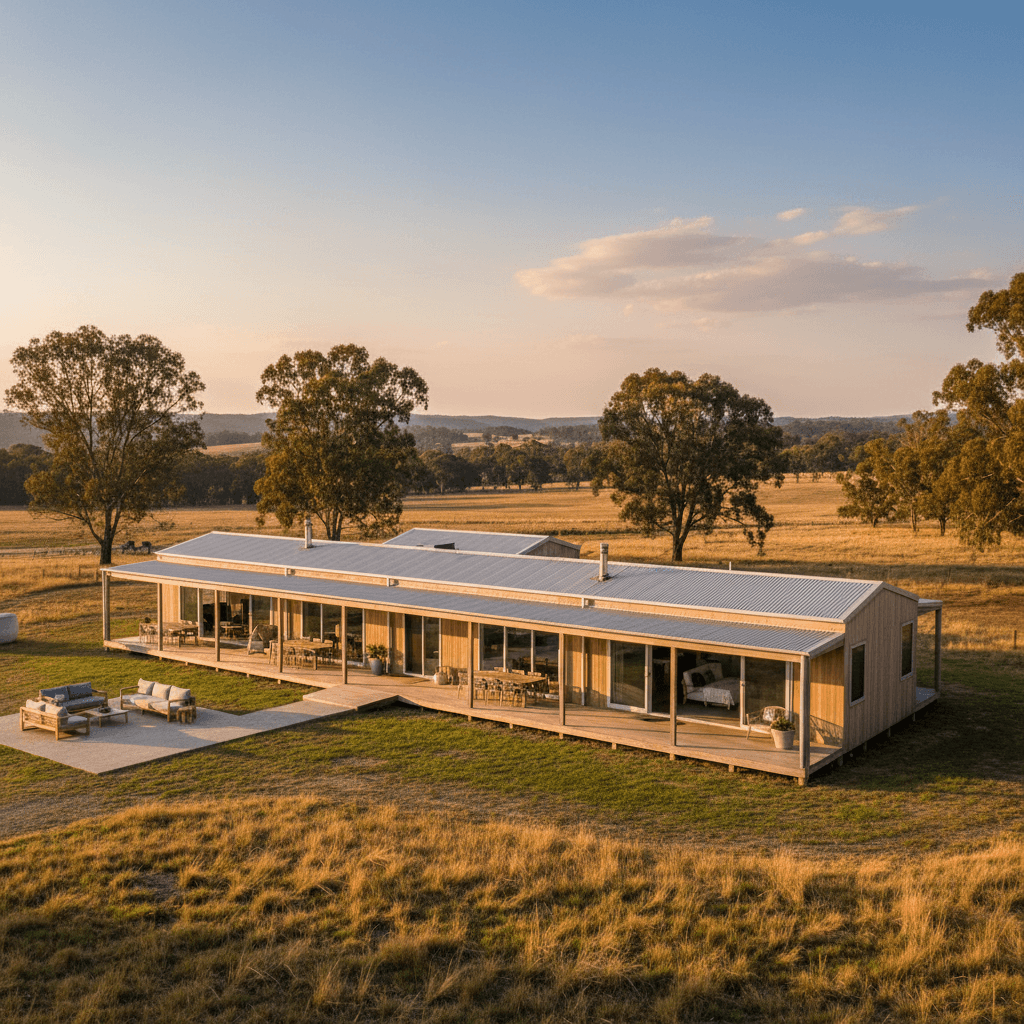
Standing on a bare block of land in the middle of winter with a set of floor plans in your hand is a strange feeling. You’re looking at lines on paper, but you're trying to see thirty years into the future. Most owner-builders I talk to are focused on the immediate win—getting the roof on before the summer storms hit or finally getting that kitchen island bench they've always wanted. But if you're building a kit home in Australia today, you’ve got to look past the move-in date. You need to think about how that house will treat you when your knees start playing up or if a family member ends up in a wheelchair for six months after a cricket mishap.
The Myth of the 'Old Folks' Home
There’s this idea that designing for accessibility means your house has to look like a hospital wing. It’s rubbish. Good design is invisible. It’s about flow. It’s about not tripping over a 20mm sliding door track when you’re carrying a heavy basket of laundry. When we talk about aging in place, we’re really just talking about smart ergonomics. If you’re at the stage where you’re picking out a kit design, now is the time to make the big calls. It’s ten times harder to widen a doorway once the TRUECORE steel frames are bolted down and the plasterboard is finished. Do it now, and you won’t even notice the extra 100mm of space, but you’ll certainly feel it if it’s missing later on.
Level Thresholds and Living Large
Start with the entry. In the building game, we call it a 'continuous accessible path of travel'. Sounds fancy, but it just means you shouldn't have to climb a mountain to get inside. Most kit homes sit on a concrete slab or a raised floor system. If you're on a slab, talk to your concretor about a recessed entry. You want the transition from your alfresco or porch to be flush. No wooden trip-strips. No awkward humps. This isn't just for wheelchairs. Think about prams, Or grocery trolleys. Or just not stubbing your toe at 2am.
Inside, internal doors are the biggest bottleneck. The standard 820mm door is okay for some, but I reckon you should go for 870mm or even 920mm where you can. In a steel frame kit, it’s just a matter of adjusting the studs during the design phase. It costs bugger all at the start but saves a massive headache down the track. Wider halls are the same story. A 1200mm wide hallway feels like a luxury hotel. An 800mm hallway feels like a submarine. Give yourself room to move.
The Kitchen: The Heart of the Work Zone
Kitchens in kit homes are often where people try to save money, but don't skimp on the layout. If you’re designing for the long haul, drawers are your best friend. Every single person over the age of fifty hates bending down to peer into the back of a dark cupboard to find the slow cooker. Drawers bring the stuff to you. Plus, think about your clearances. You want at least 1200mm between your island bench and the back wall. This allows two people to pass each other without the 'scootch' dance. Or, if someone is using a walker later in life, they can actually turn around without hitting the fridge.
Bathroom Basics That Don't Suck
Bathrooms are the most dangerous room in any Aussie house. Wet tiles and tight spaces are a bad mix. When you're looking at your kit plans, look at the shower. Go for a 'hobless' shower. That means no step-over. The floor just slopes gently to the drain. It looks modern, it’s easier to clean, and it’s safe. Because you're using steel frames, you should also think about 'blocking'. This is where you screw extra timber or steel sections into the wall frames behind where the toilet and shower will be. You don't need grab rails now. But if you decide you need them in fifteen years, you won't have to rip the tiles off to find something solid to bolt into. You'll know exactly where the support is because you put it there.
Natural Light and Sensory Design
Vision gets worse as we get older. It’s a fact of life. Dark corners become trip hazards. When you're picking your kit windows and doors, don't just think about the view. Think about the lux levels. We’ve seen heaps of owner-builders in places like the Blue Mountains or Tassie who regret not putting in more glass because their living rooms feel like caves in July. Higher window heads and well-placed skylights change everything. Also, think about your switches. Rocker switches—those big flat ones—are way easier to hit with an elbow or a shaky hand than those tiny little toggles we used to use in the 90s.
The Owner Builder Advantage
Being an owner-builder gives you the control that a big volume builder won't allow. Most of those guys want to build the same box five hundred times. They hate it when you ask to move a wall or widen a toilet door because it messes with their margins. When you buy a kit, you're the boss. You can sit down with the design team and say, 'I want this bathroom to be big enough to do a 360-degree turn in a wheelchair.' It’s your project. Take the time to get the heights right too. I always tell people to raise their power points. Putting them 450mm or 600mm off the floor instead of the standard 300mm saves your back every time you want to plug in the vacuum. It’s a small change, but man, it makes a difference.
Steel Frames and Longevity
One thing people forget about aging in place is maintenance. You don't want to be crawling under the house to spray for termites when you're 75. Or worrying about whether the walls are warping because of a damp patch. This is where using BlueScope TRUECORE steel frames really pays off. It’s straight, stays straight, and termites won't touch it. It gives you that peace of mind. A house that stays square means your doors won't stick. There’s nothing more frustrating than a door you have to shoulder-charge to open because the house has settled or shifted.
Practical Checklist for Your Kit Design:
- Check your door widths: Aim for at least 870mm leaf size for internal doors.
- Look at the shower: Is it hobless? If not, why not?
- Kitchen clearance: Can you fit a 1200mm gap around the island?
- Power points: Raise them up! Your lower back will thank you in ten years.
- Outdoor access: Look for the flattest entry point on your site and plan your ramps or level paths early.
- Lighting: Plan for task lighting over benches, not just one big 'glare-maker' in the middle of the room.
Designing for the future isn't about giving up on style. It's about being realistic. I’ve seen too many people build their 'forever home' only to realize they have to sell it five years later because they can't manage the stairs or the cramped hallway. Don't be that person. Spend the extra time now to suss out your floor plan. Get the bones right. The rest—the paint, the curtains, the fancy taps—that stuff can be changed. But the layout is for life. Hard work now saves a lot of heartache (and backache) later on. Keep it simple, keep it wide, and build it once.