Mastering the Clock: How to Build Your Kit Home While Working 9 to 5
Becoming an owner-builder is one of the most rewarding journeys an Australian homeowner can take. There is a unique sense of pride that comes from watching your home rise from a concrete slab, knowing you had a hand in every stud and screw. However, for most of us, the dream of building a kit home has to fit around the reality of a full-time job. Managing a construction site while balancing a career requires more than just a tool belt, it requires elite-level time management and a clear project roadmap.
In Australia, the kit home model is a popular choice for owner-builders because much of the heavy lifting, such as the design, engineering, and material sourcing, is handled upfront. When you receive a kit containing your TRUECORE steel frames, roofing, and cladding, the puzzle is ready to be assembled. The challenge lies in coordinating the pieces of that puzzle around your office hours, site visits, and family commitments. Here is how you can manage your time effectively to ensure your project stays on track without losing your sanity.
1. Treat Your Build Like a Second Business
The most successful owner-builders treat their construction project with the same professionalism they bring to their careers. This starts with a dedicated schedule. Don't just "wing it" on the weekends. Use project management software or even a simple digital calendar to map out your milestones. When you are working a full-time job, your greatest asset is the time between 7:00 AM and 8:30 AM before you head to work, and the hour after you finish.
Use these morning windows to make phone calls to trades or suppliers. Most tradies are on-site early, so reaching out at 7:15 AM is often better than trying to call them during your lunch break when they are likely mid-task. Clear communication prevents delays, and staying ahead of the schedule means you won't be paying for trades to stand around waiting for materials to arrive.
2. Leverage the Efficiency of Steel Frames
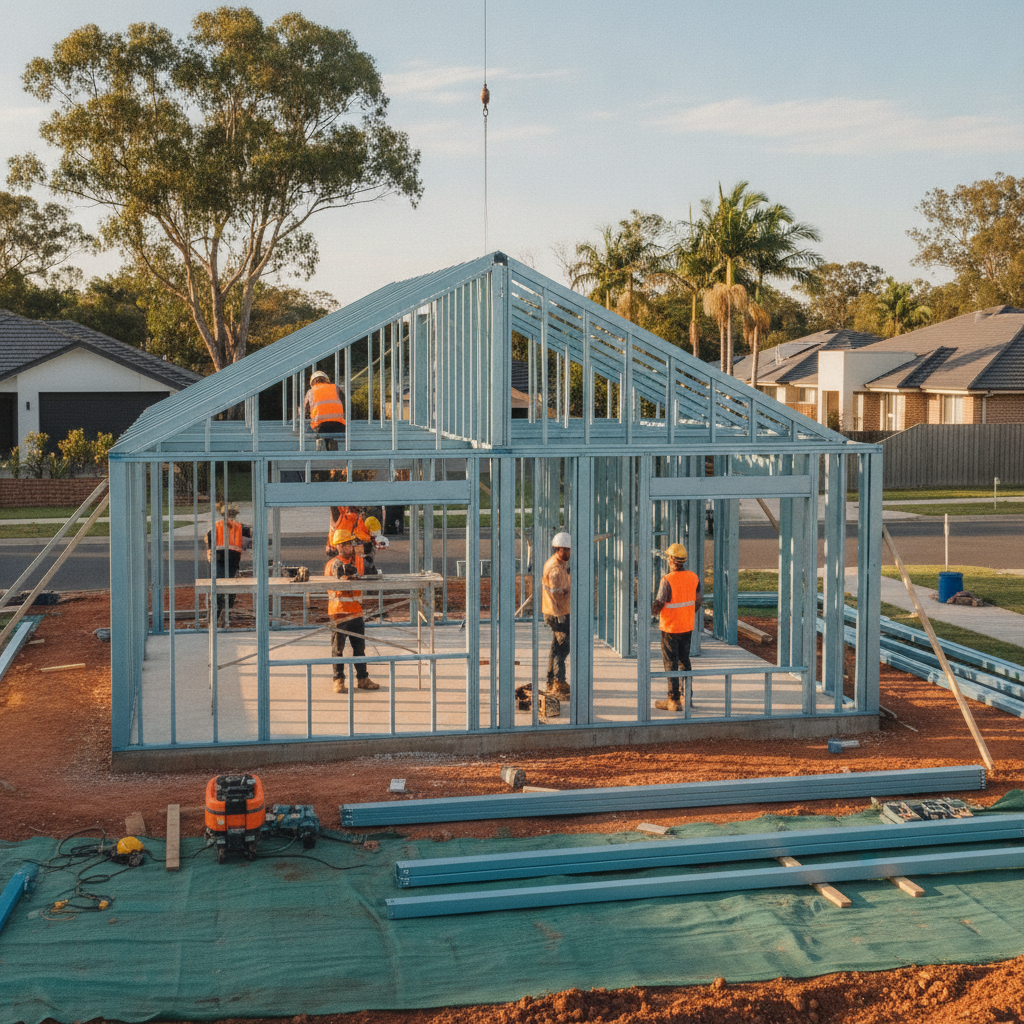
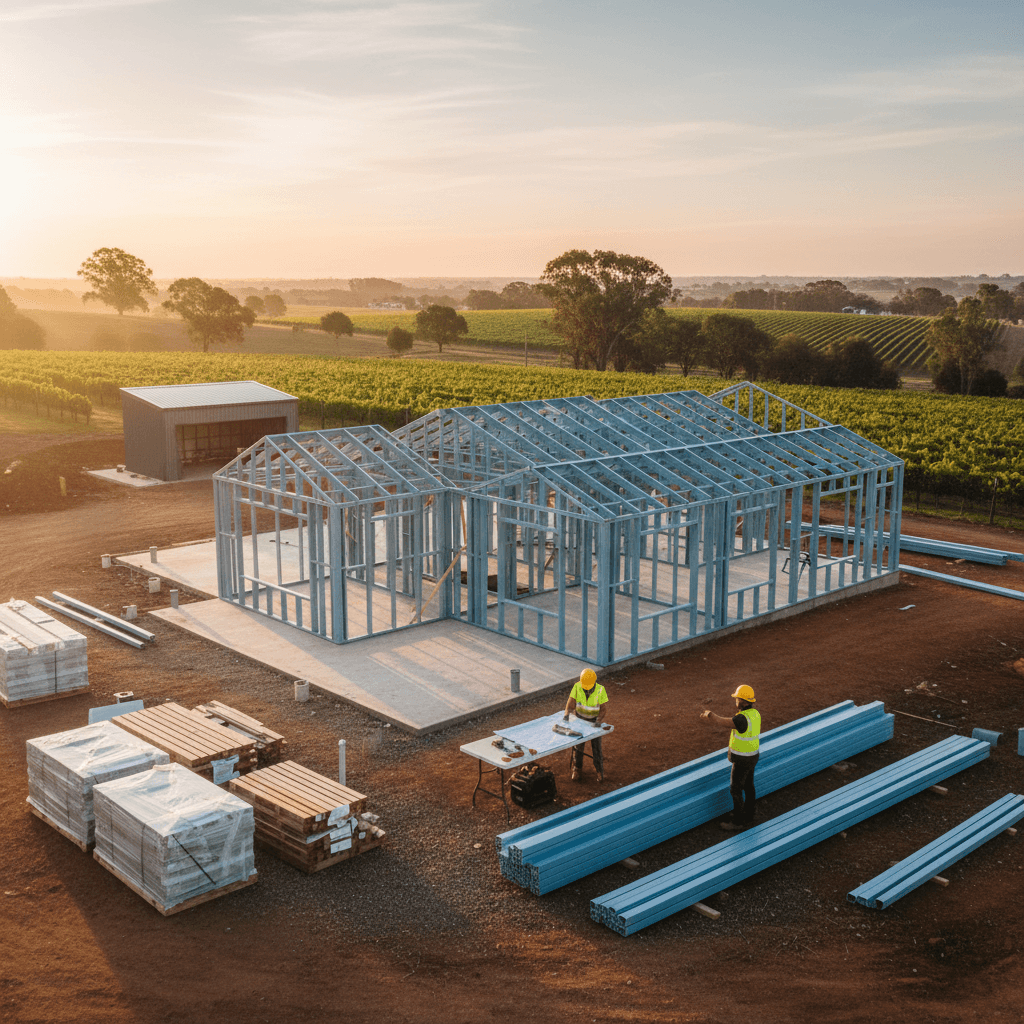
One of the biggest time-savers for an owner-builder is the choice of materials. Kit homes utilizing Australian made steel frames offer a significant advantage in terms of assembly speed. Unlike traditional timber framing, which can require on-site cutting and adjustments, steel frames arrive pre-engineered and ready to bolt together. This is a game-changer for someone working full-time.
Because the frames are lightweight and dimensionally accurate, you can often complete a significant portion of the structural assembly over a single productive weekend with a few mates. There is no warping or twisting to deal with, meaning your windows and doors will fit perfectly the first time. This predictability is vital when you are working with limited time slots, as it reduces the risk of "unforeseen fixes" that eat into your precious weekend hours.
3. The Art of Batching Tasks
Efficiency is found in batching. Instead of trying to do a little bit of everything every night, dedicate specific nights of the week to specific administrative tasks. For example, Monday nights could be for checking inventory and ensuring all components of your kit, like insulation and cladding, are ready for the next stage. Tuesday nights could be for booking inspections with your local council or private certifier.
By batching your "paperwork" and planning, you free up your weekends for the physical work. You don't want to be halfway through installing your roofing on a Saturday afternoon only to realize you forgot to order the specific fasteners or flashing required. A well-organized checklist is your best friend.
4. Manage Your Site Deliveries Strategically
One of the biggest headaches for working owner-builders is coordinating deliveries. Most suppliers deliver during business hours when you are likely at your day job. To manage this, establish a clear delivery zone on your site that is easily accessible for trucks. Use signage to indicate exactly where you want materials dropped.
When your kit home components arrive, such as the windows and doors, ensure you have a secure, weather-protected area ready. If you can't be there personally, ask a retired neighbor or a trusted friend to meet the driver. Alternatively, many owner-builders arrange for deliveries to happen on a Friday afternoon so they can spend the weekend unpacking and organizing the materials for the week ahead.
5. Delegate and Hire the Right Trades
Being an owner-builder doesn't mean you have to do every single task yourself. In fact, knowing when to bring in a professional is a key part of time management. While you might be comfortable assembling the steel frames and installing the cladding, you will need licensed professionals for electrical and plumbing work.
To save time, look for trades who have experience with kit homes. They will understand the system and can often work faster than someone who has never seen a steel-frame kit before. When interviewing trades, be upfront about your work schedule. Some contractors are happy to work autonomously once provided with the plans, while others may require more direction. Choose the ones who respect your role as the project manager and are reliable communicators.
6. Utilize Technology and Remote Monitoring
If you can't be on-site every day, technology can bridge the gap. Installing a basic, solar-powered site camera allows you to check on progress from your phone during your lunch break. This isn't about micromanaging your trades, but rather about staying informed. If you see a delivery truck arrive or a trade finish a task, you can immediately plan your next move.
Furthermore, keep all your plans, permits, and kit instructions in a cloud-based folder. If a tradie calls you with a question while you are at your desk, you can quickly pull up the digital plan and give them an answer in seconds, preventing a work stoppage that could last until you get home.
7. Protect Your Mental Energy
The biggest risk for the working owner-builder is burnout. Building a home is a marathon, not a sprint. It is easy to feel overwhelmed when you spend 40 hours at the office and another 30 hours on-site. To stay the course, set realistic expectations for your move-in date. Add a "time buffer" to your schedule for bad weather or minor setbacks.
Remember to take at least one afternoon or evening a week completely off from the build. Stepping away from the studs and blueprints allows you to return with a fresh perspective and renewed energy. A kit home is a fantastic way to achieve homeownership, but the process should be as rewarding as the finished product.
Summary Checklist for Working Owner-Builders:
- Schedule calls with trades between 7:00 AM and 8:00 AM.
- Use digital project management tools to track milestones.
- Choose steel frames to reduce on-site labor and assembly time.
- Designate a clear drop-off zone for deliveries.
- Keep digital copies of all plans for quick reference during work hours.
- Schedule inspections at least a week in advance.
- Maintain a "safety margin" in your timeline for weather delays.
Conclusion
Building a kit home in Australia while maintaining a full-time job is a balancing act, but it is one that thousands of Australians successfully navigate every year. The key lies in the preparation. By choosing a high-quality kit with pre-engineered steel frames and a clear set of components like roofing and cladding, you are already miles ahead of a traditional builder. Combine this with disciplined time management, smart use of technology, and a clear communication strategy with your trades, and you will find yourself walking through your own front door sooner than you think. Stay organized, stay focused, and enjoy the process of building your future, one weekend at a time.